Satin Home Textile Fabric
CN → US| HS Code | Tariff Rate | Origin | Destination | Doc |
|---|---|---|---|---|
| 6004100085 | 47.3% | CN | US | Official Doc |
| 5208192020 | 42.9% | CN | US | Official Doc |
| 6004909000 | 42.0% | CN | US | Official Doc |
| 5208292020 | 42.7% | CN | US | Official Doc |
| 5407820040 | 49.9% | CN | US | Official Doc |
Product Images
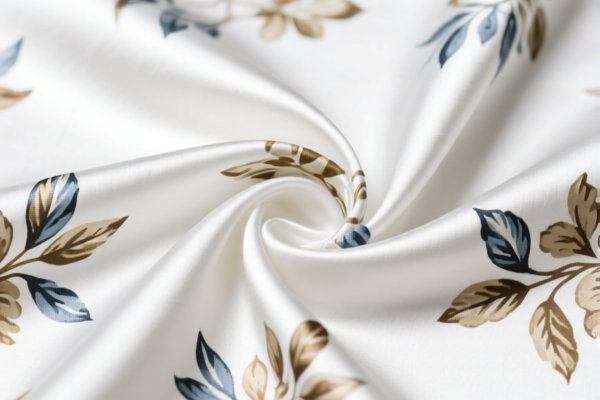
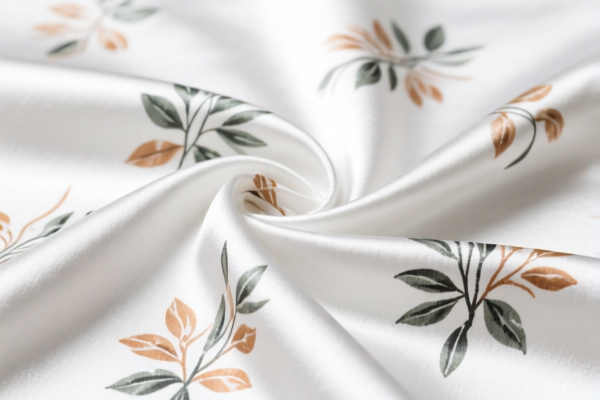
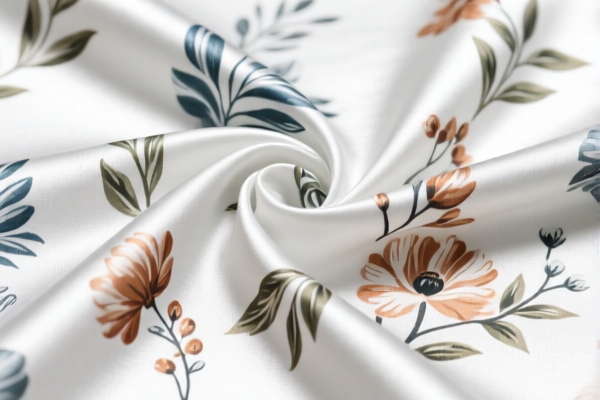
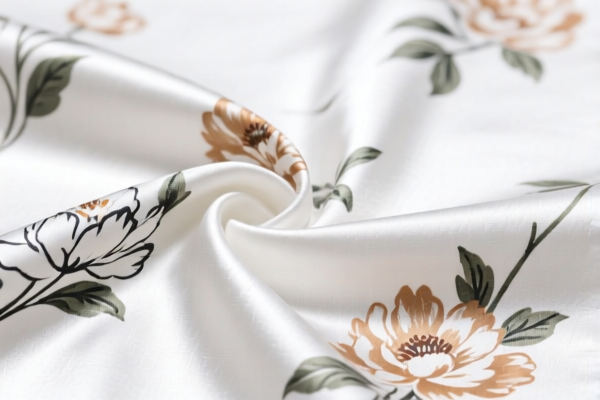
AI Analysis
🛍️ Satin Home Textile Fabric
🌐 HS Code Reference & Customs Clearance Guide | 2026 Latest Tariff Analysis | Professional Strategy for Satin Fabrics
📌 I. Product Definition & Classification: What Exactly is "Satin Home Textile Fabric"?
"Satin Home Textile Fabric" is a broad term in international trade referring to woven or knitted textiles with a characteristic smooth, lustrous surface (satin weave/knit). In customs classification, the specific material composition (Cotton, Polyester, Silk, etc.) and construction method (Woven vs. Knitted) determine the correct HS Code and, consequently, the tariff rate.
⚠️ Key Distinction:
- Knitted Structures (e.g., jersey, tricot used for toys/loungewear): Generally fall under Chapter 60.
- Woven Structures (Traditional satin/weave): Generally fall under Chapter 52 (if cotton) or Chapter 54 (if synthetic).
- "Toy Fabric" Context: If the fabric is explicitly for toys, customs may scrutinize the material content more strictly (e.g., cotton vs. synthetic).
📦 II. HS Code Classification Details (Based on Provided Data)
Below are the five most likely HS Codes for "Satin Home Textile Fabric," categorized by material and structure, based on the provided data.
| HS Code | Product Description & Summary | Tax Rate (Total) | Tax Breakdown |
|---|---|---|---|
| 6004.10.00.85 | Knitted Fabric, Other Summary: Satin toy fabric, knitted structure. No specific rubber thread or process indicated. Classified as other knitted fabrics. |
47.3% | Base: 12.3% Add’l: 25.0% 122-Clause: 10% |
| 5208.19.20.20 | Cotton Satin Woven Fabric Summary: Satin toy fabric, satin weave structure. Material inferred as Cotton, fitting cotton satin fabric classification. |
42.9% | Base: 7.9% Add’l: 25.0% 122-Clause: 10% |
| 6004.90.90.00 | Knitted/Crocheted Fabric, Other Summary: Satin toy fabric, knitted/woven structure. Material inferred as warp-knitted or weft-knitted, fitting knitted/crocheted fabric characteristics. |
42.0% | Base: 7.0% Add’l: 25.0% 122-Clause: 10% |
| 5208.29.20.20 | Other Cotton Woven Fabric Summary: Satin toy fabric, fabric/structure. Material inferred as satin fabric category, no material conflict. Likely cotton-based. |
42.7% | Base: 7.7% Add’l: 25.0% 122-Clause: 10% |
| 5407.82.00.40 | Synthetic/Blended Woven Fabric Summary: Satin toy fabric, satin weave structure. Material inferred as textile, compatible with synthetic filament/cotton blend attributes. |
49.9% | Base: 14.9% Add’l: 25.0% 122-Clause: 10% |
🔍 Key Observation:
- Knitted Fabrics (Ch. 60) tend to have higher base rates (7.0%–12.3%) compared to Cotton Woven Fabrics (Ch. 52) (7.0%–7.9%), but the Synthetic Woven (Ch. 54) has the highest base rate (14.9%).
- All categories include an Add’l Tariff of 25% and a 122-Clause Tariff of 10%, likely referring to US Section 301 and Section 232 or specific trade remedy measures.
- Total Tax Range: 42.0% – 49.9%.
💰 III. 2026 Latest Tariff Rate Details (Including Add’l Taxes)
✅ Applicable Country: United States (US)
✅ Origin: China (CN) (Implied by "122-Clause" and high tariffs)
✅ Effective Time: Current applicable rates (2025–2026)
🎯 1. 6004.10.00.85 – Knitted Fabric, Other (Satin/Toy)
| Item | Content |
|---|---|
| Base Rate | 12.3% |
| USITC Add’l Tax (Section 301) | +25.0% |
| 122-Clause Tax | +10.0% |
| Total Tax Rate | 47.3% |
| Calculation | CIF Value × 47.3% |
| De Minimis Exemption | ❌ Not Eligible (High tax rate typically disqualifies from $800 de minimis) |
| Legal Basis Path | HTSUS:6004.10.00.85 → USITC:301 → EO:122 |
📌 Explanation:
- The 12.3% base rate is relatively high for knitted fabrics, reflecting the specific subheading.
- The 25% add’l tariff is standard for most textiles from China under Section 301.
- The 10% 122-Clause tax is a specific trade remedy or additional duty applied to certain textile categories.
🎯 2. 5208.19.20.20 – Cotton Satin Woven Fabric
| Item | Content |
|---|---|
| Base Rate | 7.9% |
| USITC Add’l Tax (Section 301) | +25.0% |
| 122-Clause Tax | +10.0% |
| Total Tax Rate | 42.9% |
| Calculation | CIF Value × 42.9% |
| De Minimis Exemption | ❌ Not Eligible |
| Legal Basis Path | HTSUS:5208.19.20.20 → USITC:301 → EO:122 |
📌 Explanation:
- Cotton fabrics generally have lower base rates than synthetics or specific knits.
- This is a cost-effective option if the fabric is confirmed to be 100% cotton and woven.
🎯 3. 6004.90.90.00 – Knitted/Crocheted Fabric, Other
| Item | Content |
|---|---|
| Base Rate | 7.0% |
| USITC Add’l Tax (Section 301) | +25.0% |
| 122-Clause Tax | +10.0% |
| Total Tax Rate | 42.0% |
| Calculation | CIF Value × 42.0% |
| De Minimis Exemption | ❌ Not Eligible |
| Legal Basis Path | HTSUS:6004.90.90.00 → USITC:301 → EO:122 |
📌 Explanation:
- This code has the lowest total tax rate (42.0%) among the options.
- Suitable for warp-knitted or weft-knitted satin fabrics where the exact subtype doesn’t fit other specific codes.
🎯 4. 5208.29.20.20 – Other Cotton Woven Fabric
| Item | Content |
|---|---|
| Base Rate | 7.7% |
| USITC Add’l Tax (Section 301) | +25.0% |
| 122-Clause Tax | +10.0% |
| Total Tax Rate | 42.7% |
| Calculation | CIF Value × 42.7% |
| De Minimis Exemption | ❌ Not Eligible |
| Legal Basis Path | HTSUS:5208.29.20.20 → USITC:301 → EO:122 |
📌 Explanation:
- Similar to5208.19.20.20, but for "other" cotton woven fabrics.
- A good fallback if the fabric is cotton but doesn’t fit the "19.20.20" description precisely.
🎯 5. 5407.82.00.40 – Synthetic/Blended Woven Fabric
| Item | Content |
|---|---|
| Base Rate | 14.9% |
| USITC Add’l Tax (Section 301) | +25.0% |
| 122-Clause Tax | +10.0% |
| Total Tax Rate | 49.9% |
| Calculation | CIF Value × 49.9% |
| De Minimis Exemption | ❌ Not Eligible |
| Legal Basis Path | HTSUS:5407.82.00.40 → USITC:301 → EO:122 |
📌 Explanation:
- Highest tax rate (49.9%).
- Applies to synthetic filament or cotton-blend woven fabrics.
- Avoid if possible, unless the fabric is explicitly synthetic and no other code fits.
🛠️ IV. Customs Clearance Practical Advice (Real-World Pitfall Guide)
✅ 1. Preparation Checklist (All Required)
| Document | Mandatory | Notes |
|---|---|---|
| ✅ Fabric Composition Certificate | ✔️ | Critical! Must state % of Cotton, Polyester, Silk, etc. Determines Ch. 52 vs. 54 vs. 60. |
| ✅ Weave/Knit Structure Diagram | ✔️ | Must clarify if Woven (Chapter 52/54) or Knitted (Chapter 60). |
| ✅ Product Photos | ✔️ | Clear images of fabric surface (satin sheen), edge, and label. |
| ✅ Commercial Invoice | ✔️ | Describe as "Satin Home Textile Fabric" + Material + Construction. |
| ✅ Packing List | ✔️ | Weight, dimensions, number of rolls/bales. |
| ✅ Test Report | ✔️ | If for "toy fabric," provide flammability/safety test reports (CPSIA if US). |
✅ 2. Declaration Tips (Key Mantra)
🔥 “Material First, Structure Second, Name Accurate, Tax Lower!”
| Scenario | Correct Declaration | Wrong Practice |
|---|---|---|
| Cotton Satin, Woven | 5208.19.20.20 or 5208.29.20.20 |
Misdeclare as Knitted → 42.0% vs 42.9% (small diff, but compliance issue) |
| Polyester Satin, Woven | 5407.82.00.40 |
Misdeclare as Cotton → Customs Audit + Penalty |
| Knitted Satin (Toy) | 6004.10.00.85 or 6004.90.90.00 |
Misdeclare as Woven → Wrong Chapter, Delay |
| Blended Fabric | 5407.82.00.40 |
Misdeclare as 100% Cotton → High Risk |
✅ 3. Special Cases Handling
| Case | Advice |
|---|---|
| "Toy Fabric" Label | If labeled for toys, ensure flammability tests are ready. Customs may request CPSIA compliance. |
| Sample vs. Bulk | Samples may be declared under different values, but tax rates remain the same. |
| Re-export | If re-exporting, ensure original import documentation is available for proof of origin. |
| Origin Change | If shipped from a third country (e.g., Vietnam), ensure substantial transformation occurred to change origin. |
🌍 V. Global Market Comparison (2026 Latest)
| Country/Region | Recommended HS Code | Tariff (China Origin) | Certification | Notes |
|---|---|---|---|---|
| 🇺🇸 USA | 5208.19.20.20 / 6004.10.00.85 |
42.0% – 49.9% | CPSIA (if toy) | High tariffs due to Section 301 + 122-Clause |
| 🇨🇳 China | 5208.19.20.20 |
~7.9% | CCC (if applicable) | Low base rate, no add’l tariffs |
| 🇪🇺 EU | 5208.19.20 |
~8% – 12% | CE (if toy) | No Section 301, but anti-dumping may apply |
| 🇬🇧 UK | 5208.19.20 |
~8% – 12% | UKCA | Post-Brexit, similar to EU |
| 🇯🇵 Japan | 5208.19.20 |
~8% | PSE (if toy) | No major add’l tariffs |
📌 Conclusion:
- USA has the highest total tax burden due to Section 301 and 122-Clause tariffs.
- Cotton Woven (5208.xx) is generally cheaper than Synthetic Woven (5407.xx) or Knitted (6004.xx).
- Knitted (6004.90.90.00) offers the lowest total rate (42.0%) among knitted options.
📌 VI. Common Mistakes & Pitfalls (Lessons Learned)
❌ Mistake 1: Declaring "Satin Fabric" without specifying Material (Cotton vs. Polyester)
👉 Consequence: Customs may classify under the highest base rate (5407.82.00.40 at 49.9%) or demand reclassification.
❌ Mistake 2: Confusing Woven vs. Knitted
👉 Consequence: Wrong Chapter (52/54 vs. 60), leading to customs hold and fines.
❌ Mistake 3: Ignoring "Toy Fabric" Safety Requirements
👉 Consequence: If for toys, missing CPSIA tests can lead to shipment rejection in the US.
❌ Mistake 4: Assuming De Minimis Exemption ($800) applies
👉 Consequence: With >42% tax, de minimis is not available for most textile shipments from China.
✅ Correct Practice:
“Satin Home Textile Fabric, 100% Cotton, Woven, 60cm Width, for Home Textile Use, Non-Flammable”
OR
“Knitted Satin Fabric, Polyester, for Toy Manufacturing, Meets CPSIA Standards”
🎯 VII. Conclusion: Professional Declaration, Save Time, Cut Costs!
🎯 Remember the Mantra:
🔹 “Material First, Structure Second, Tax Lower!”
🔹 “HS Code Decides Destiny, Tax Differs 7%, Declaration One Step, Tax Saves Thousands!”
📌 Pro Tip:
If your fabric is 100% Cotton and Woven, choose 5208.19.20.20 (42.9%) or 5208.29.20.20 (42.7%).
If it’s Knitted, choose 6004.90.90.00 (42.0%) for the lowest rate.
Avoid 5407.82.00.40 (49.9%) unless it’s Synthetic/Blended.
📣 Immediate Action:
📞 Contact a professional customs broker + Provide Fabric Composition Certificate + Apply for HS Code Pre-Ruling
🚀 Let your Satin Fabric Clear Smoothly, Export Efficiently, and Maximize Profits!
✨ Professional Customs Clearance Starts with Accurate Classification!
💼 Every Penny of Your Cost Deserves Precise Calculation!
Customer Reviews
About HS Code Classification
The Harmonized System (HS) is an internationally standardized nomenclature developed by the World Customs Organization (WCO) to classify traded products. Over 200 countries use the HS system as the basis for customs tariffs, trade statistics, and import/export regulations.
Each HS code follows a hierarchical structure:
- Chapter (2 digits) — Broad category of goods (e.g., Chapter 84: Machinery and Mechanical Appliances)
- Heading (4 digits) — More specific grouping within the chapter
- Subheading (6 digits) — Internationally standardized breakdown, used by all WCO member countries
- National subdivisions (8-10 digits) — Country-specific extensions for further classification, such as US HTSUS 10-digit codes
Correct HS code classification is essential for smooth customs clearance, accurate duty payment, and compliance with trade regulations. Misclassification can lead to customs delays, overpayment of duties, or penalties.
When importing from CN to US, the applicable tariff rates may include:
- Most-Favored-Nation (MFN) rate — The standard duty rate applied to WTO members
- General rate — Applied to countries without trade agreements
- Trade remedy duties — Additional tariffs such as Section 301 (anti-dumping), Section 232 (national security), or countervailing duties
The information provided on this page is for reference purposes only. For official classification, please consult with your local customs authority or a licensed customs broker.