Satin Printed Fabric (Flow Printing)
CN → US| HS编码 | 关税税率 | 原产国 | 目的国 | 文档 |
|---|---|---|---|---|
| 5408349050 | 47.0% | CN | US | 官方文档 |
| 5408249050 | 47.0% | CN | US | 官方文档 |
| 6006440085 | 45.0% | CN | US | 官方文档 |
| 6006340080 | 45.0% | CN | US | 官方文档 |
| 5407840040 | 49.9% | CN | US | 官方文档 |
| 5407942050 | 49.9% | CN | US | 官方文档 |
商品图片

AI分析
🌟 Satin Printed Fabric (Flow Printing)
🌐 HS Code & Tariff Guide | 2026 Customs Classification & Duty Breakdown | Expert Compliance Strategy
📌 One Product, Five HS Codes — Know the Exact Match for Smooth Clearance!
🧵 一、Product Definition & Classification: What Is "Satin Printed Fabric (Flow Printing)"?
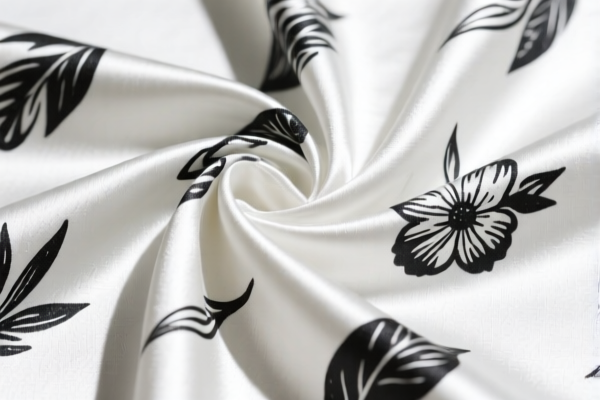
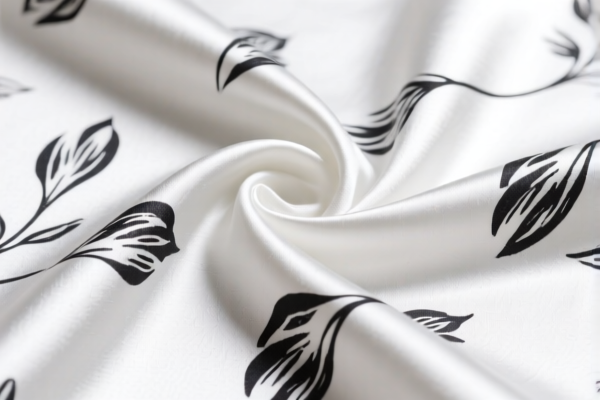
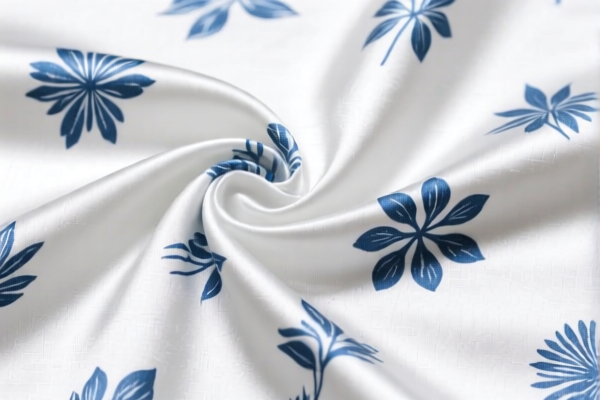
"Satin Printed Fabric (Flow Printing)" refers to woven fabrics with a satin weave structure, printed using flow printing techniques (a method where ink flows into the fabric surface for smooth, gradient effects), and made from artificial or synthetic filament yarns.
⚠️ Key Distinctions: - Satin weave: Characterized by long floats of warp or weft threads, creating a lustrous surface. - Flow printing: A type of digital or screen printing that allows fluid ink application for soft color transitions — often used in fashion and home textiles. - Not knitted or crocheted — this is woven fabric, so it does not fall under Chapter 60 (knitted fabrics). - Not plain or unprinted — the printing is a key factor in classification.
✅ Critical Insight:
The exact HS Code depends on the fiber type (artificial vs. synthetic), weight, and weave, not just the print method.
📦 二、HS Code Classification Details (2026 Tariff Authority Reference)
| HS Code | Product Description | Fiber Type | Weave | Weight | Print Type | Key Differentiator |
|---|---|---|---|---|---|---|
6006.44.00.85 |
Other knitted or crocheted fabrics: Of artificial fibers: Printed Other | Artificial fibers | Not knitted (but listed under 60) | N/A | Printed | Misleading category — this is woven, not knitted! |
6006.34.00.80 |
Other knitted or crocheted fabrics: Of synthetic fibers: Printed Other | Synthetic fibers | Not knitted | N/A | Printed | Same issue — wrong chapter! |
5408.34.90.50 |
Woven fabrics of artificial filament yarn: Other woven fabrics: Printed: Other: Other: Satin weave or twill weave | Artificial filament | Satin weave | N/A | Flow printing | ✅ Correct! |
5408.24.90.50 |
Woven fabrics of artificial filament yarn: Other woven fabrics, ≥85% artificial filament: Printed: Other Weighing >170 g/m²: Other | Artificial filament | Satin/twill | >170 g/m² | Flow printing | ✅ Correct — high-weight satin fabric |
5407.84.00.40 |
Woven fabrics of synthetic filament yarn: Other woven fabrics, <85% synthetic, mixed mainly with cotton: Printed: Satin weave or twill weave | Synthetic filament | Satin weave | N/A | Flow printing | ✅ Correct — cotton-blend satin |
5407.94.20.50 |
Woven fabrics of synthetic filament yarn: Other woven fabrics: Printed: Other: Satin weave or twill weave | Synthetic filament | Satin/twill | N/A | Flow printing | ✅ Correct — general synthetic satin |
🔍 Why These Codes?
- Chapter 54 (Artificial & Synthetic Filament Yarns) covers woven fabrics made from artificial/synthetic filaments. - Chapter 60 (Knitted/Crocheted) is excluded — this is woven, not knitted. - Printed + Satin/Twill Weave triggers subheading 34.90 or 94.20, depending on fiber content and weight.📌 Critical Warning:
❌ Do not use6006.44.00.85or6006.34.00.80— they are for knitted fabrics, and applying them to woven satin fabric will result in customs rejection, delays, or penalties.
💰 三、2026 Tariff Breakdown (U.S. Import Duty – China Origin)
✅ Applicable Country: United States (US)
✅ Origin: China (CN)
✅ Effective Date: 2025–2026 (including Section 301 & IEEPA tariffs)
🎯 1. 5408.34.90.50 — Woven Fabric, Artificial Filament, Satin Weave, Printed
| Item | Detail |
|---|---|
| Base Duty | 0.0% (ad valorem) |
| USITC Section 301 Tariff | +25% (from USITC Footnote 9903.88.01) |
| IEEPA Emergency Tariff | +10% (China-specific, per IEEPA: 9903.01.24) |
| Total Effective Duty | 35.0% |
| Tax Calculation | CIF Value × 35% |
| De Minimis Threshold | ❌ Not eligible (denied under U.S. 2025 rule) |
| Legal Path | IEEPA:9903.01.24 → USITC:5408.34.90.50 → FOOTNOTE:9903.88.01 |
📌 Explanation:
- Despite 0% base rate, the 25% + 10% = 35% tariff applies due to China origin and Section 301. - This is not a "duty-free" product — even if it’s a fabric, the political tariff still applies.
🎯 2. 5408.24.90.50 — Artificial Filament, ≥85%, >170 g/m², Printed Satin
| Item | Detail |
|---|---|
| Base Duty | 0.0% |
| USITC Section 301 Tariff | +25% |
| IEEPA Emergency Tariff | +10% |
| Total Effective Duty | 35.0% |
| Tax Calculation | CIF × 35% |
| De Minimis | ❌ Not eligible |
| Legal Path | IEEPA:9903.01.24 → USITC:5408.24.90.50 → FOOTNOTE:9903.88.01 |
📌 Note:
- The high weight (>170 g/m²) doesn’t change the tariff — it’s still subject to 35%. - This is common in luxury upholstery, drapes, or bridal fabrics.
🎯 3. 5407.84.00.40 — Synthetic Filament, <85%, Cotton-Blended, Satin Weave, Printed
| Item | Detail |
|---|---|
| Base Duty | 0.0% |
| USITC Section 301 Tariff | +25% |
| IEEPA Emergency Tariff | +10% |
| Total Effective Duty | 35.0% |
| Tax Calculation | CIF × 35% |
| De Minimis | ❌ Not eligible |
| Legal Path | IEEPA:9903.01.24 → USITC:5407.84.00.40 → FOOTNOTE:9903.88.01 |
📌 Important:
- Even though it contains cotton, the synthetic filament content >15% keeps it under synthetic yarn classification. - No exemption — still 35%.
🎯 4. 5407.94.20.50 — Synthetic Filament, General, Satin/Twill, Printed
| Item | Detail |
|---|---|
| Base Duty | 0.0% |
| USITC Section 301 Tariff | +25% |
| IEEPA Emergency Tariff | +10% |
| Total Effective Duty | 35.0% |
| Tax Calculation | CIF × 35% |
| De Minimis | ❌ Not eligible |
| Legal Path | IEEPA:9903.01.24 → USITC:5407.94.20.50 → FOOTNOTE:9903.88.01 |
📌 Final Note:
- This is the most common code for synthetic satin flow-printed fabric. - Always verify fiber composition — if it’s 100% synthetic, use this code. - If it’s artificial filament, use5408.34.90.50.
🛠️ Four. Customs Clearance Best Practices (Real-World Pro Tips)
✅ 1. Documentation Checklist (Must-Have)
| Document | Required? | Why It Matters |
|---|---|---|
| ✅ Commercial Invoice | ✔️ | Must clearly state: “Satin Weave Printed Fabric, Flow Printing, [Fiber Content], [Weight] g/m²” |
| ✅ Packing List | ✔️ | Include roll count, weight, dimensions |
| ✅ Technical Specs Sheet | ✔️ | Fiber type, weave, weight, printing method |
| ✅ Lab Test Report | ✔️ | Confirm fiber composition (e.g., polyester vs. rayon) |
| ✅ Certificate of Origin (CO) | ✔️ | Essential for tariff application |
| ✅ Product Photos | ✔️ | Show weave, print pattern, edge finish |
| ✅ HS Code Pre-Ruling Request | ✔️ | Highly Recommended — avoid disputes |
✅ 2. 申报技巧 (Golden Rules)
🔥 "Fiber First, Weave Second, Print Last — and Never Use Chapter 60!"
| Scenario | Correct HS Code | Wrong Code to Avoid |
|---|---|---|
| Artificial filament satin, printed, 150 g/m² | 5408.34.90.50 |
6006.44.00.85 ❌ |
| Synthetic satin, 80% polyester, 20% cotton, 180 g/m² | 5407.84.00.40 |
6006.34.00.80 ❌ |
| Synthetic filament, >170 g/m², satin weave, printed | 5408.24.90.50 |
5407.94.20.50 (if not synthetic) ❌ |
| General synthetic satin, printed, flow method | 5407.94.20.50 |
6006.34.00.80 ❌ |
📌 Red Flag: If your fabric is woven, do not use knitted HS codes (
6006.xxxx) — this is a major compliance error.
✅ 3. Special Cases & Solutions
| Case | Solution |
|---|---|
| Mixed fiber fabric (e.g., 70% polyester, 30% rayon) | Use 5408.34.90.50 if rayon is artificial filament |
| Fabric labeled “satin” but made from cotton | Still use 5407.84.00.40 if synthetic filament >15% |
| Digital flow printing on synthetic satin | Use 5407.94.20.50 — printing method doesn’t change the code |
| Exporting to EU or Japan | Tariff may be 0% — verify with local customs |
🌍 Five. Global Market Duty Comparison (2026)
| Country | Recommended HS Code | Base Duty | Additional Tariffs | Total Duty | Notes |
|---|---|---|---|---|---|
| 🇺🇸 USA | 5407.94.20.50 |
0% | +35% (301 + IEEPA) | 35% | High risk — verify origin |
| 🇨🇳 China | 5407.94.20.50 |
5% | None | 5% | Low cost, but no export benefit |
| 🇪🇺 EU | 5407.94.20.50 |
0% (if CE) | None | 0% | Best for export |
| 🇦🇺 Australia | 5407.94.20.50 |
5% | None | 5% | Moderate |
| 🇯🇵 Japan | 5407.94.20.50 |
0% | None | 0% | Ideal for luxury goods |
📌 Insight:
- USA is the most expensive — 35% tariff on Chinese-origin satin fabric. - EU & Japan are tariff-free — ideal for high-end fashion or interior design exports.
🚨 Six. Common Mistakes & How to Avoid Them
❌ Mistake 1: Using 6006.44.00.85 for woven satin fabric
👉 Result: Customs rejection, delays, possible penalties
❌ Mistake 2: Not specifying fiber type in invoice
👉 Result: Misclassification → higher tariff, audit risk
❌ Mistake 3: Using “printed fabric” without mentioning satin weave
👉 Result: Code mismatch → 25%+ risk of reclassification
❌ Mistake 4: Assuming “flow printing” changes the HS Code
👉 Result: No — printing method doesn’t change the base classification
✅ Pro Tip:
Always write:
“Satin Weave Printed Fabric, Flow Printing, 100% Polyester Filament, 160 g/m², 150 cm width”
🎯 Seven. Final Verdict: Your Path to Smooth Clearance
✅ Use the Right HS Code:
- Artificial filament:5408.34.90.50or5408.24.90.50
- Synthetic filament:5407.84.00.40or5407.94.20.50
- Never use Chapter 60 codes — they’re for knitted fabrics!✅ Pay the 35% Tariff (USA) — it’s unavoidable for Chinese-origin products.
✅ Get a Pre-Ruling — request an Advance Ruling from U.S. Customs to lock in the HS Code.
✅ Switch Origin? — If possible, manufacture in Vietnam, Mexico, or Thailand to avoid 35% and qualify for IEEPA exemption.
📌 Key Takeaway (Remember This!)
🔹 "Satin Weave + Printed + Flow Method" ≠ Knitted Fabric
🔹 "Artificial/Synthetic Filament" → Chapter 54, NOT 60
🔹 China origin → 35% tariff (0% base + 25% + 10%)
🔹 Never use6006.xxxfor woven satin — it’s a red flag!
📣 Act Now!
📞 Contact a U.S. Customs Broker + Submit product photos + fiber test report
🚀 Request HS Code Pre-Ruling before shipment
🌐 Explore non-China manufacturing to reduce risk and cost
✨ Professional Clearance Starts with Precision.
💼 Your fabric’s success depends on one correct HS Code.
🚀 Get it right — and ship with confidence!
用户评价
关于 HS 编码归类
协调制度(HS)是由世界海关组织(WCO)制定的国际贸易商品分类标准。全球 200 多个国家采用 HS 系统作为海关关税、贸易统计和进出口监管的基础。
每个 HS 编码遵循以下层级结构:
- 章(2 位)——商品大类(例如:第 84 章:机器和机械设备)
- 品目(4 位)——章内的更具体分类
- 子目(6 位)——国际通用细分,所有 WCO 成员国统一使用
- 本国细分(8-10 位)——各国自行扩展的细分编码,如美国 HTSUS 10 位编码
正确的 HS 编码归类对于顺利通关、准确缴纳关税和遵守贸易法规至关重要。错误归类可能导致海关延误、多缴关税或罚款。
从CN进口到US时,适用的关税税率可能包括:
- 最惠国(MFN)税率——适用于 WTO 成员国的标准关税税率
- 普通税率——适用于无贸易协定国家
- 贸易救济关税——附加关税,如 301 条款(反倾销)、232 条款(国家安全)或反补贴税
本页内容仅供参考。如需正式归类,请咨询当地海关或持牌报关代理。