Satin Printed Fabric Base
CN → US| HS编码 | 关税税率 | 原产国 | 目的国 | 文档 |
|---|---|---|---|---|
| 5407840040 | 49.9% | CN | US | 官方文档 |
| 5407942050 | 49.9% | CN | US | 官方文档 |
商品图片
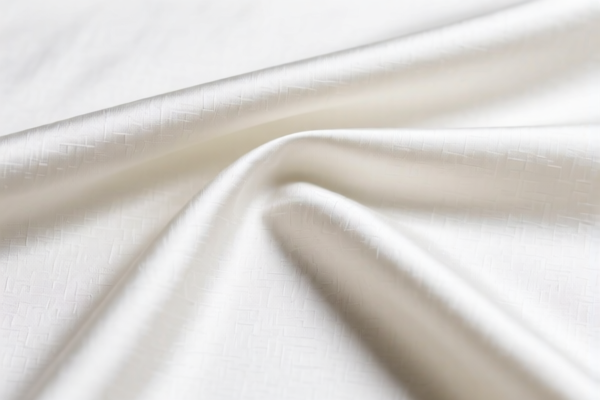
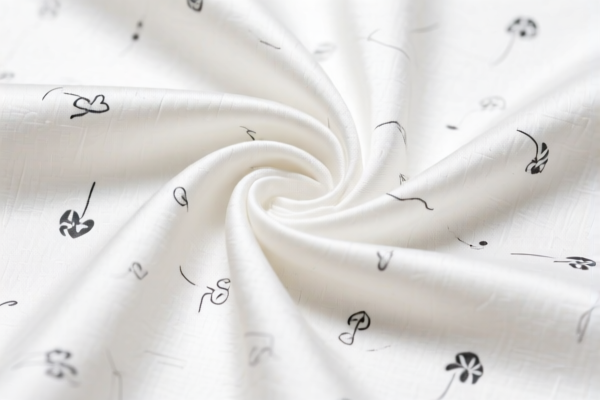
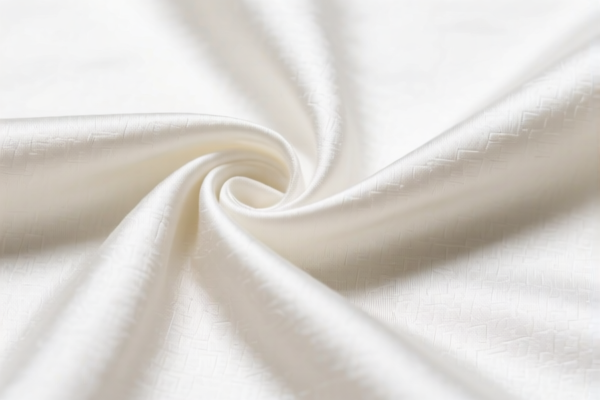
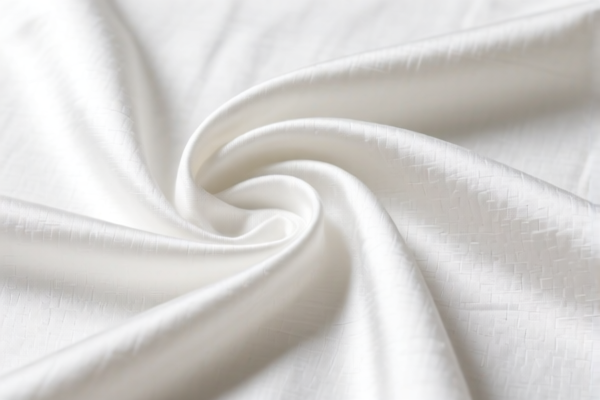
AI分析
🧵 Satin Printed Fabric Base (Woven Synthetic Filament Yarn)
🌐 HS Code Reference & Clearance Guide | 2026 Latest Tariff Analysis | Professional Compliance Strategy
📌 I. Product Definition: What Exactly is "Satin Printed Fabric Base"?
"Satin Printed Fabric Base" refers to woven fabrics made primarily from synthetic filament yarns (such as polyester or nylon), characterized by a satin weave structure and printed surface patterns. In international trade, this product is often a "base" for fashion apparel, linings, or accessories.
Key Classification Criteria: * Material: Synthetic filament yarns (e.g., Polyester, Nylon). * Composition: Contains less than 85% by weight of synthetic filaments. * Blend: Mainly or solely mixed with cotton. * Structure: Satin weave or twill weave. * Finish: Printed.
⚠️ Critical Distinction:
- If the fabric contains ≥85% synthetic filaments, it falls under different headings (e.g., 5407.51).
- If it is not mixed with cotton or exceeds 85% synthetics, it does not fit the specific codes below.
- The "Base" term implies it is a raw material (fabric), not a made-up garment (which would be Chapter 61 or 62).
📦 II. HS Code Classification Details (2026 Latest Tariff Authority)
Based on the provided data, there are two primary HS Codes for this product, depending on the specific sub-category of "Other woven fabrics" within the synthetic filament yarn heading.
| HS Code | Product Description | Key Characteristics | Applicable Scenario |
|--------|--------------------------|-----------------------------|
| 5407.84.00.40 | Woven fabrics of synthetic filament yarn (including heading 5404): Other woven fabrics, containing less than 85% by weight of synthetic filaments, mixed mainly or solely with cotton: Printed Satin weave or twill weave | - Synthetic Filaments < 85%
- Mainly/Cotton Blend
- Satin/Twill Weave
- Printed | Standard cotton-blend satin fabrics (e.g., 65% Polyester / 35% Cotton Satin) |
| 5407.94.20.50 | Woven fabrics of synthetic filament yarn: Other woven fabrics: Printed: Other: Satin weave or twill weave | - Synthetic Filaments (general category)
- Printed
- Satin/Twill Weave | Broader category for printed satin/twill fabrics that may not fit the specific cotton-blend definition of 5407.84, or other synthetic blends. |
🔍 Key Reminder:
- Both codes are for Printed fabrics. If the fabric is unprinted, different codes apply.
- Both codes specify Satin or Twill weave. Plain weave fabrics will be misclassified.
- The primary difference lies in the composition percentage and specific sub-heading nuances.5407.84.00.40is highly specific to the <85% synthetic + Cotton mix.
💰 III. 2026 Latest Tariff Rate Detailed Explanation
✅ Applicable Country: United States (US)
✅ Origin: China (CN)
✅ Effective Time: 2025+ (Current Tariff Structure)
🎯 1. 5407.84.00.40 —— Printed Satin/Twill Weave Fabric (<85% Synthetic, Cotton Blend)
| Item | Content |
|---|---|
| Base Tariff | 0.0% |
| Additional Tariff (Section 301/IEEPA) | 0.0% |
| Total Tax Rate | 0.0% |
| Tax Calculation | CIF Value × 0.0% = $0 |
| De Minimis Eligibility | ✅ Yes (If shipped via low-value package, subject to specific US customs rules for textiles) |
| Legal Basis Path | HTSUS: 5407.84.00.40 → No Section 301 Footnote applied for this specific subheading in the provided data. |
📌 Explanation:
- The provided data explicitly states "Base Tariff: 0.0%, Additional Tariff: 0.0%, Total Tax: 0.0%".
- This is a significant advantage for importers. Unlike many electronics or steel products, this specific textile classification currently carries no additional punitive tariffs from the US government (as per the provided dataset).
- However, always verify with current USITC footnotes, as textile tariffs can be subject to quota restrictions or anti-dumping duties depending on the specific fiber content (e.g., if polyester content is high, anti-dumping may apply, though not reflected in the base tax data provided).
🎯 2. 5407.94.20.50 —— Other Printed Satin/Twill Weave Fabric
| Item | Content |
|---|---|
| Base Tariff | 0.0% |
| Additional Tariff (Section 301/IEEPA) | 0.0% |
| Total Tax Rate | 0.0% |
| Tax Calculation | CIF Value × 0.0% = $0 |
| De Minimis Eligibility | ✅ Yes (Subject to standard de minimis rules) |
| Legal Basis Path | HTSUS: 5407.94.20.50 → No Section 301 Footnote applied for this specific subheading in the provided data. |
📌 Note:
- Similar to the code above, this classification also shows 0.0% total tax in the provided data.
- Ensure the product description matches "Other woven fabrics" and "Printed" to avoid misclassification penalties.
🛠️ IV. Clearance Practical Advice (Avoid Pitfalls)
✅ 1. Preparation Checklist (Non-negotiable)
| Document | Must Provide | Explanation |
|---|---|---|
| ✅ Fabric Composition Label | ✔️ | Must explicitly state: "X% Polyester, Y% Cotton" etc. Crucial for distinguishing between 5407.84.00.40 and 5407.94.20.50. |
| ✅ Weave Structure Diagram | ✔️ | Photo or technical spec confirming Satin or Twill weave. Plain weave will lead to rejection. |
| ✅ Print Pattern Sample | ✔️ | Proof that the fabric is Printed, not dyed solid or unprinted. |
| ✅ Commercial Invoice | ✔️ | Clearly state: "Woven Fabric, Satin Weave, Printed, Synthetic Filament Yarn". Avoid vague terms like "Cloth". |
| ✅ Packing List | ✔️ | Detail roll length, width, and weight. |
| ✅ Test Report (Optional but Recommended) | ✔️ | Fiber content analysis from a third-party lab (e.g., SGS, Intertek) to verify the <85% synthetic threshold if claiming 5407.84.00.40. |
✅ 2. Declaration Tips (Key Mnemonic)
🔥 "Woven? Yes. Synthetic? Yes. Printed? Yes. Satin/Twill? Yes. Cotton Blend <85%? Go to .40. Other? Go to .50. Tax is Zero!"
| Scenario | Correct HS Code | Risk if Incorrect |
|---|---|---|
| Polyester/Cotton Blend, Satin, Printed, Synthetics <85% | 5407.84.00.40 |
Misclassification as other fabrics → Potential audit |
| Other Synthetic Blend (not main cotton), Satin, Printed | 5407.94.20.50 |
If it fits .40, using .50 is fine, but .40 is more precise |
| Plain Weave Fabric | Incorrect Code | Should be under 5407.51 or other headings → Different tariff! |
| Unprinted Fabric | Incorrect Code | Should be under 5407.84.00.20 (if unprinted) → Different tariff! |
✅ 3. Special Cases
| Case | Handling Advice |
|---|---|
| Anti-Dumping Duties (ADD) | If the synthetic component is Polyester from specific countries, ADD may apply. Check if ADD is triggered despite the 0% base tax. The provided data does not show ADD, but it is a critical risk. |
| Quotas | Some cotton-blend textiles may still be subject to visa requirements (though US-China quotas were largely lifted, verification is needed). |
| OEM Custom Prints | Provide design authorization or license if branded prints are used, to avoid IP issues. |
🌍 V. Global Market Comparison (2026)
| Country/Region | Recommended HS Code | Tariff Rate | Certification Requirements | Notes |
|---|---|---|---|---|
| 🇺🇸 USA | 5407.84.00.40 / 5407.94.20.50 |
0.0% | None specific for textiles | Best market due to 0% tax in provided data. Check ADD. |
| 🇨🇳 China | Similar Code | ~5-10% | None | Export from China to global markets. |
| 🇪🇺 EU | 5407.84 / 5407.94 | 0-4% | REACH, OEKO-TEX | EU has different nomenclature; verify with EU TARIC. |
| 🇬🇧 UK | Similar to EU | 0-4% | UKCA, REACH | Post-Brexit rules may apply. |
📌 Conclusion:
- The US market appears highly favorable for this specific product based on the 0.0% tax rate.
- Critical Risk: Ensure the fabric is not subject to Anti-Dumping Duties (ADD) if it contains polyester from specific origins. The provided data reflects base tariffs, not potential ADD.
📌 VI. Common Mistakes & Pitfalls (Lessons Learned)
❌ Mistake 1: Assuming all synthetic fabrics are taxed equally.
👉 Consequence: Misclassification leads to incorrect duty payment and potential penalties.
❌ Mistake 2: Ignoring the "Printed" requirement.
👉 Consequence: If the fabric is unprinted, it falls under a different subheading (e.g., 5407.84.00.20), which may have different tax implications.
❌ Mistake 3: Overlooking Anti-Dumping Duties.
👉 Consequence: While base tax is 0%, ADD can add 10-200% to the cost if applicable. Always check ADD lists for polyester/cotton blends.
❌ Mistake 4: Vague Description ("Satin Cloth").
👉 Consequence: Customs may request detailed specs, delaying clearance. Use precise terms: "Woven Satin Fabric, Printed, 65% Poly/35% Cotton".
✅ Correct Practice:
"Woven Fabric, Satin Weave, Printed, 60% Polyester / 40% Cotton, Synthetic Filament Yarn, for Apparel Lining"
🎯 VII. Conclusion: Professional Declaration, Cost Savings!
🎯 Remember:
🔹 "Woven, Synthetic, Printed, Satin/Twill: Check Composition. <85% + Cotton? Code .40. Others? Code .50. Tax Zero, But Watch ADD!"
🔹 "HS Code Determines Duty, Description Must Match, 0% Tax is Good, ADD is the Hidden Cost!"
📌 Pro Tip:
- If your fabric is 100% Polyester, it may fall under a different heading (e.g., 5407.51) and could have different tariffs.
- Always perform a fiber content test if the blend ratio is close to 85%.
- Consult with a licensed customs broker to verify Anti-Dumping Duty (ADD) status, as this is not reflected in the base tax data provided.
📣 Take Action:
📞 Contact a Customs Broker + Provide Fiber Content Test Report + Apply for Advance Ruling (if high volume)
🚀 Ensure Smooth Clearance, Zero Surprises, Maximum Profit!
✨ Professional Customs Clearance Starts with Accurate Classification!
💼 Every Penny Counts in Global Trade!
用户评价
关于 HS 编码归类
协调制度(HS)是由世界海关组织(WCO)制定的国际贸易商品分类标准。全球 200 多个国家采用 HS 系统作为海关关税、贸易统计和进出口监管的基础。
每个 HS 编码遵循以下层级结构:
- 章(2 位)——商品大类(例如:第 84 章:机器和机械设备)
- 品目(4 位)——章内的更具体分类
- 子目(6 位)——国际通用细分,所有 WCO 成员国统一使用
- 本国细分(8-10 位)——各国自行扩展的细分编码,如美国 HTSUS 10 位编码
正确的 HS 编码归类对于顺利通关、准确缴纳关税和遵守贸易法规至关重要。错误归类可能导致海关延误、多缴关税或罚款。
从CN进口到US时,适用的关税税率可能包括:
- 最惠国(MFN)税率——适用于 WTO 成员国的标准关税税率
- 普通税率——适用于无贸易协定国家
- 贸易救济关税——附加关税,如 301 条款(反倾销)、232 条款(国家安全)或反补贴税
本页内容仅供参考。如需正式归类,请咨询当地海关或持牌报关代理。