Satin Printed Fabric Base
CN → US| HS Code | Tariff Rate | Origin | Destination | Doc |
|---|---|---|---|---|
| 5407840040 | 49.9% | CN | US | Official Doc |
| 5407942050 | 49.9% | CN | US | Official Doc |
Product Images
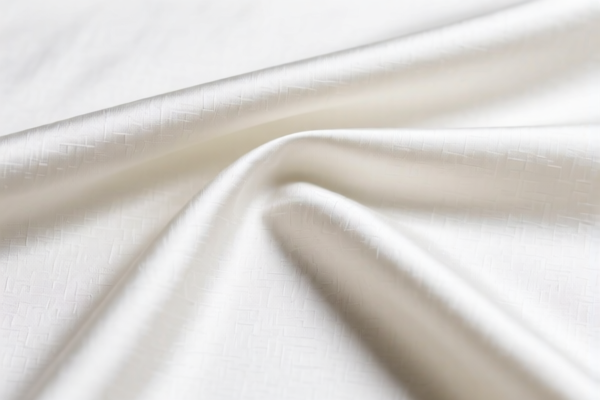
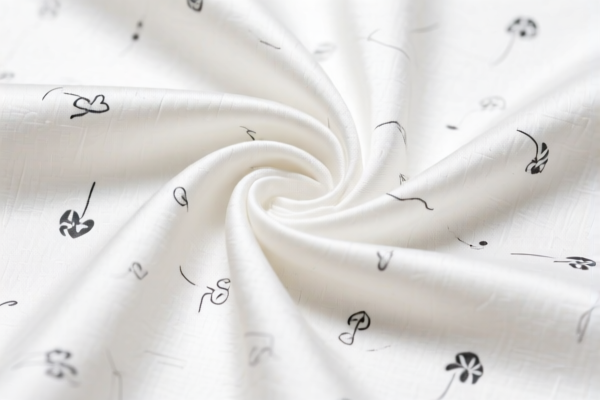
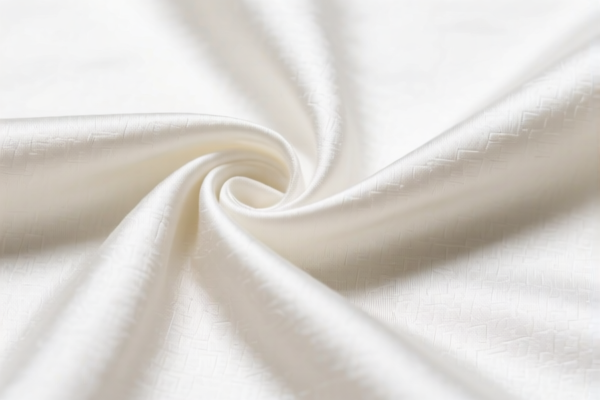
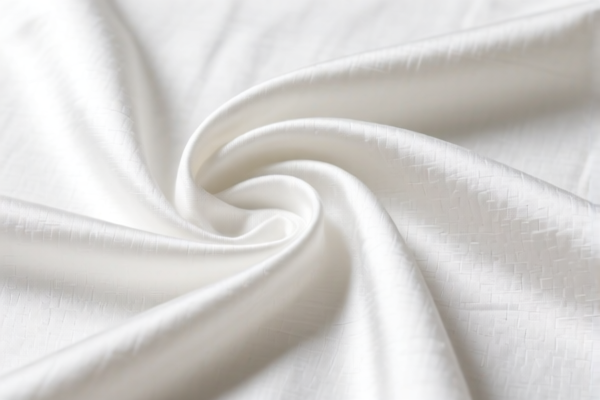
AI Analysis
🧵 Satin Printed Fabric Base (Woven Synthetic Filament Yarn)
🌐 HS Code Reference & Clearance Guide | 2026 Latest Tariff Analysis | Professional Compliance Strategy
📌 I. Product Definition: What Exactly is "Satin Printed Fabric Base"?
"Satin Printed Fabric Base" refers to woven fabrics made primarily from synthetic filament yarns (such as polyester or nylon), characterized by a satin weave structure and printed surface patterns. In international trade, this product is often a "base" for fashion apparel, linings, or accessories.
Key Classification Criteria: * Material: Synthetic filament yarns (e.g., Polyester, Nylon). * Composition: Contains less than 85% by weight of synthetic filaments. * Blend: Mainly or solely mixed with cotton. * Structure: Satin weave or twill weave. * Finish: Printed.
⚠️ Critical Distinction:
- If the fabric contains ≥85% synthetic filaments, it falls under different headings (e.g., 5407.51).
- If it is not mixed with cotton or exceeds 85% synthetics, it does not fit the specific codes below.
- The "Base" term implies it is a raw material (fabric), not a made-up garment (which would be Chapter 61 or 62).
📦 II. HS Code Classification Details (2026 Latest Tariff Authority)
Based on the provided data, there are two primary HS Codes for this product, depending on the specific sub-category of "Other woven fabrics" within the synthetic filament yarn heading.
| HS Code | Product Description | Key Characteristics | Applicable Scenario |
|--------|--------------------------|-----------------------------|
| 5407.84.00.40 | Woven fabrics of synthetic filament yarn (including heading 5404): Other woven fabrics, containing less than 85% by weight of synthetic filaments, mixed mainly or solely with cotton: Printed Satin weave or twill weave | - Synthetic Filaments < 85%
- Mainly/Cotton Blend
- Satin/Twill Weave
- Printed | Standard cotton-blend satin fabrics (e.g., 65% Polyester / 35% Cotton Satin) |
| 5407.94.20.50 | Woven fabrics of synthetic filament yarn: Other woven fabrics: Printed: Other: Satin weave or twill weave | - Synthetic Filaments (general category)
- Printed
- Satin/Twill Weave | Broader category for printed satin/twill fabrics that may not fit the specific cotton-blend definition of 5407.84, or other synthetic blends. |
🔍 Key Reminder:
- Both codes are for Printed fabrics. If the fabric is unprinted, different codes apply.
- Both codes specify Satin or Twill weave. Plain weave fabrics will be misclassified.
- The primary difference lies in the composition percentage and specific sub-heading nuances.5407.84.00.40is highly specific to the <85% synthetic + Cotton mix.
💰 III. 2026 Latest Tariff Rate Detailed Explanation
✅ Applicable Country: United States (US)
✅ Origin: China (CN)
✅ Effective Time: 2025+ (Current Tariff Structure)
🎯 1. 5407.84.00.40 —— Printed Satin/Twill Weave Fabric (<85% Synthetic, Cotton Blend)
| Item | Content |
|---|---|
| Base Tariff | 0.0% |
| Additional Tariff (Section 301/IEEPA) | 0.0% |
| Total Tax Rate | 0.0% |
| Tax Calculation | CIF Value × 0.0% = $0 |
| De Minimis Eligibility | ✅ Yes (If shipped via low-value package, subject to specific US customs rules for textiles) |
| Legal Basis Path | HTSUS: 5407.84.00.40 → No Section 301 Footnote applied for this specific subheading in the provided data. |
📌 Explanation:
- The provided data explicitly states "Base Tariff: 0.0%, Additional Tariff: 0.0%, Total Tax: 0.0%".
- This is a significant advantage for importers. Unlike many electronics or steel products, this specific textile classification currently carries no additional punitive tariffs from the US government (as per the provided dataset).
- However, always verify with current USITC footnotes, as textile tariffs can be subject to quota restrictions or anti-dumping duties depending on the specific fiber content (e.g., if polyester content is high, anti-dumping may apply, though not reflected in the base tax data provided).
🎯 2. 5407.94.20.50 —— Other Printed Satin/Twill Weave Fabric
| Item | Content |
|---|---|
| Base Tariff | 0.0% |
| Additional Tariff (Section 301/IEEPA) | 0.0% |
| Total Tax Rate | 0.0% |
| Tax Calculation | CIF Value × 0.0% = $0 |
| De Minimis Eligibility | ✅ Yes (Subject to standard de minimis rules) |
| Legal Basis Path | HTSUS: 5407.94.20.50 → No Section 301 Footnote applied for this specific subheading in the provided data. |
📌 Note:
- Similar to the code above, this classification also shows 0.0% total tax in the provided data.
- Ensure the product description matches "Other woven fabrics" and "Printed" to avoid misclassification penalties.
🛠️ IV. Clearance Practical Advice (Avoid Pitfalls)
✅ 1. Preparation Checklist (Non-negotiable)
| Document | Must Provide | Explanation |
|---|---|---|
| ✅ Fabric Composition Label | ✔️ | Must explicitly state: "X% Polyester, Y% Cotton" etc. Crucial for distinguishing between 5407.84.00.40 and 5407.94.20.50. |
| ✅ Weave Structure Diagram | ✔️ | Photo or technical spec confirming Satin or Twill weave. Plain weave will lead to rejection. |
| ✅ Print Pattern Sample | ✔️ | Proof that the fabric is Printed, not dyed solid or unprinted. |
| ✅ Commercial Invoice | ✔️ | Clearly state: "Woven Fabric, Satin Weave, Printed, Synthetic Filament Yarn". Avoid vague terms like "Cloth". |
| ✅ Packing List | ✔️ | Detail roll length, width, and weight. |
| ✅ Test Report (Optional but Recommended) | ✔️ | Fiber content analysis from a third-party lab (e.g., SGS, Intertek) to verify the <85% synthetic threshold if claiming 5407.84.00.40. |
✅ 2. Declaration Tips (Key Mnemonic)
🔥 "Woven? Yes. Synthetic? Yes. Printed? Yes. Satin/Twill? Yes. Cotton Blend <85%? Go to .40. Other? Go to .50. Tax is Zero!"
| Scenario | Correct HS Code | Risk if Incorrect |
|---|---|---|
| Polyester/Cotton Blend, Satin, Printed, Synthetics <85% | 5407.84.00.40 |
Misclassification as other fabrics → Potential audit |
| Other Synthetic Blend (not main cotton), Satin, Printed | 5407.94.20.50 |
If it fits .40, using .50 is fine, but .40 is more precise |
| Plain Weave Fabric | Incorrect Code | Should be under 5407.51 or other headings → Different tariff! |
| Unprinted Fabric | Incorrect Code | Should be under 5407.84.00.20 (if unprinted) → Different tariff! |
✅ 3. Special Cases
| Case | Handling Advice |
|---|---|
| Anti-Dumping Duties (ADD) | If the synthetic component is Polyester from specific countries, ADD may apply. Check if ADD is triggered despite the 0% base tax. The provided data does not show ADD, but it is a critical risk. |
| Quotas | Some cotton-blend textiles may still be subject to visa requirements (though US-China quotas were largely lifted, verification is needed). |
| OEM Custom Prints | Provide design authorization or license if branded prints are used, to avoid IP issues. |
🌍 V. Global Market Comparison (2026)
| Country/Region | Recommended HS Code | Tariff Rate | Certification Requirements | Notes |
|---|---|---|---|---|
| 🇺🇸 USA | 5407.84.00.40 / 5407.94.20.50 |
0.0% | None specific for textiles | Best market due to 0% tax in provided data. Check ADD. |
| 🇨🇳 China | Similar Code | ~5-10% | None | Export from China to global markets. |
| 🇪🇺 EU | 5407.84 / 5407.94 | 0-4% | REACH, OEKO-TEX | EU has different nomenclature; verify with EU TARIC. |
| 🇬🇧 UK | Similar to EU | 0-4% | UKCA, REACH | Post-Brexit rules may apply. |
📌 Conclusion:
- The US market appears highly favorable for this specific product based on the 0.0% tax rate.
- Critical Risk: Ensure the fabric is not subject to Anti-Dumping Duties (ADD) if it contains polyester from specific origins. The provided data reflects base tariffs, not potential ADD.
📌 VI. Common Mistakes & Pitfalls (Lessons Learned)
❌ Mistake 1: Assuming all synthetic fabrics are taxed equally.
👉 Consequence: Misclassification leads to incorrect duty payment and potential penalties.
❌ Mistake 2: Ignoring the "Printed" requirement.
👉 Consequence: If the fabric is unprinted, it falls under a different subheading (e.g., 5407.84.00.20), which may have different tax implications.
❌ Mistake 3: Overlooking Anti-Dumping Duties.
👉 Consequence: While base tax is 0%, ADD can add 10-200% to the cost if applicable. Always check ADD lists for polyester/cotton blends.
❌ Mistake 4: Vague Description ("Satin Cloth").
👉 Consequence: Customs may request detailed specs, delaying clearance. Use precise terms: "Woven Satin Fabric, Printed, 65% Poly/35% Cotton".
✅ Correct Practice:
"Woven Fabric, Satin Weave, Printed, 60% Polyester / 40% Cotton, Synthetic Filament Yarn, for Apparel Lining"
🎯 VII. Conclusion: Professional Declaration, Cost Savings!
🎯 Remember:
🔹 "Woven, Synthetic, Printed, Satin/Twill: Check Composition. <85% + Cotton? Code .40. Others? Code .50. Tax Zero, But Watch ADD!"
🔹 "HS Code Determines Duty, Description Must Match, 0% Tax is Good, ADD is the Hidden Cost!"
📌 Pro Tip:
- If your fabric is 100% Polyester, it may fall under a different heading (e.g., 5407.51) and could have different tariffs.
- Always perform a fiber content test if the blend ratio is close to 85%.
- Consult with a licensed customs broker to verify Anti-Dumping Duty (ADD) status, as this is not reflected in the base tax data provided.
📣 Take Action:
📞 Contact a Customs Broker + Provide Fiber Content Test Report + Apply for Advance Ruling (if high volume)
🚀 Ensure Smooth Clearance, Zero Surprises, Maximum Profit!
✨ Professional Customs Clearance Starts with Accurate Classification!
💼 Every Penny Counts in Global Trade!
Customer Reviews
About HS Code Classification
The Harmonized System (HS) is an internationally standardized nomenclature developed by the World Customs Organization (WCO) to classify traded products. Over 200 countries use the HS system as the basis for customs tariffs, trade statistics, and import/export regulations.
Each HS code follows a hierarchical structure:
- Chapter (2 digits) — Broad category of goods (e.g., Chapter 84: Machinery and Mechanical Appliances)
- Heading (4 digits) — More specific grouping within the chapter
- Subheading (6 digits) — Internationally standardized breakdown, used by all WCO member countries
- National subdivisions (8-10 digits) — Country-specific extensions for further classification, such as US HTSUS 10-digit codes
Correct HS code classification is essential for smooth customs clearance, accurate duty payment, and compliance with trade regulations. Misclassification can lead to customs delays, overpayment of duties, or penalties.
When importing from CN to US, the applicable tariff rates may include:
- Most-Favored-Nation (MFN) rate — The standard duty rate applied to WTO members
- General rate — Applied to countries without trade agreements
- Trade remedy duties — Additional tariffs such as Section 301 (anti-dumping), Section 232 (national security), or countervailing duties
The information provided on this page is for reference purposes only. For official classification, please consult with your local customs authority or a licensed customs broker.