Satin Printed Fabric Coating Printing Decoration
CN → US| HS编码 | 关税税率 | 原产国 | 目的国 | 文档 |
|---|---|---|---|---|
| 5408349050 | 47.0% | CN | US | 官方文档 |
| 5407942050 | 49.9% | CN | US | 官方文档 |
| 5408349040 | 47.0% | CN | US | 官方文档 |
| 5407840040 | 49.9% | CN | US | 官方文档 |
| 6304996040 | 20.7% | CN | US | 官方文档 |
商品图片
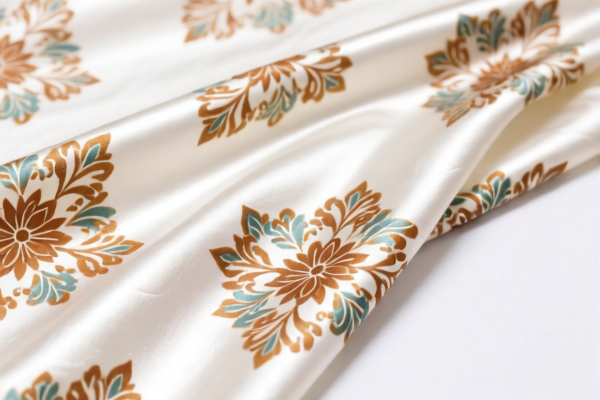
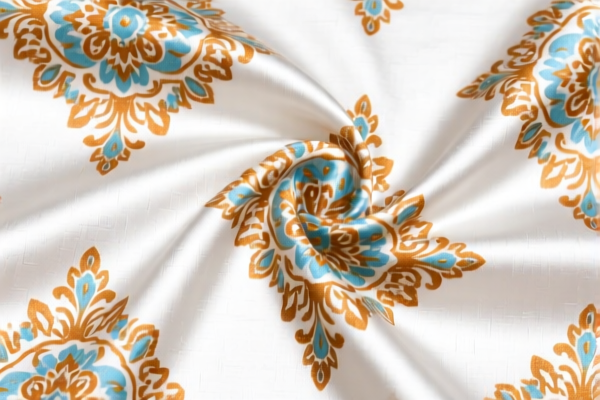
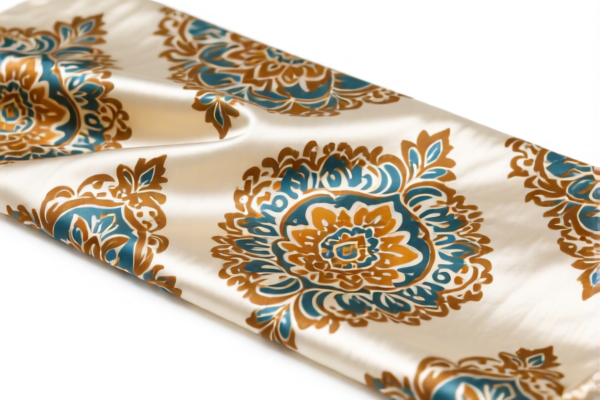
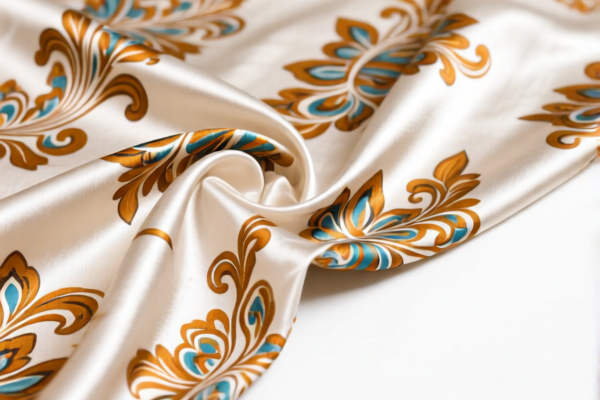
AI分析
🧵 Satin Printed Fabric: Coating & Printing Decoration
🌐 HS Code Reference & Clearance Guide | 2026 Latest Tariff Analysis | Professional Entry Strategy
📌 I. Product Definition & Classification: Do You Really Understand "Satin Printed Fabric"?
Satin printed fabric, often used for home textiles, fashion, and decoration, is a woven textile characterized by a glossy surface and dull back. In international trade, its classification depends heavily on the fiber content (synthetic vs. man-made) and specific usage.
Key Distinctions: * Man-Made Filament Fabrics (Rayon/Viscose): Generally fall under HS Code 5408. * Synthetic Filament Fabrics (Polyester/Nylon): Generally fall under HS Code 5407. * Finished Decorative Goods: If the fabric is already cut/sewn into a specific decorative item (like curtains), it may fall under 6304.
⚠️ Critical Distinction Point:
- If it is raw/woven fabric (even if printed/coated) → Classify under 5407 or 5408.
- If it is a finished decorative article (e.g., finished curtain panels, upholstery covers) → Classify under 6304.
📦 II. HS Code Classification Details (2026 Latest Tariff Authority Comparison)
Based on the provided data, here are the precise classifications for different fabric compositions and descriptions:
| HS Code | Product Description | Application Scenario | Fiber Type | Total Tax |
|---|---|---|---|---|
5408.34.90.50 |
Satin printed fabric, coating printing decoration, satin weave, printing treatment | Decorative fabrics, high-end linings | Man-made filament (e.g., Rayon) | 47.0% |
5407.94.20.50 |
Satin printed fabric, coating printing decoration, satin weave, synthetic filament fabric | General synthetic satin, fashion, drapery | Synthetic filament (e.g., Polyester) | 49.9% |
5408.34.90.40 |
Satin printed fabric, coating printing decoration, man-made filament products, printing use | Specific man-made filament applications | Man-made filament (e.g., Rayon) | 47.0% |
5407.84.00.40 |
Satin printed fabric, coating printing decoration, satin weave, synthetic filament & cotton blend | Blended fabrics, durable decorative use | Synthetic + Cotton Blend | 49.9% |
6304.99.60.40 |
Decorative fabric, other textile materials non-knitted, household textiles | Finished decorative items (e.g., curtains, cushion covers) | Mixed/Other | 20.7% |
🔍 Key Reminder:
- Fabrics (5407/5408) are subject to higher duties due to trade restrictions (Section 301 + Section 122).
- Finished Decorative Items (6304) have a significantly lower total tax rate (20.7%), but must be proven as finished articles, not just fabric rolls.
- Blends (5407.84) with synthetic fibers are taxed similarly to pure synthetics (49.9%).
💰 III. 2026 Latest Tariff Rate Details (Including Surcharges, Policy Add-ons)
✅ Applicable Country: United States (US)
✅ Origin: China (CN)
✅ Effective Time: Current rates apply (including subsequent imports)
🎯 1. 5408.34.90.50 & 5408.34.90.40 — Satin Fabric (Man-Made Filament)
| Item | Content |
|---|---|
| Base Duty Rate | 12.0% (ad valorem) |
| Section 301 Surcharge | +25.0% (USITC Footnote) |
| Section 122 Surcharge | +10.0% (Targeted textile surcharge) |
| Total Rate | 47.0% |
| Tax Calculation | CIF Value × 47.0% |
| De Minimis Exemption | ❌ Not Eligible |
| Legal Basis Path | Section 122 + Section 301 → USITC:5408.34.90.50 |
📌 Explanation:
- The 12% base rate is the standard MFN duty for man-made filament fabrics.
- The 25% Section 301 tariff is the major trade war surcharge on Chinese textiles.
- The 10% Section 122 is an additional surcharge specifically targeting certain textile imports.
- Total 47% is a very high barrier; cost calculation must include this fully.
🎯 2. 5407.94.20.50 & 5407.84.00.40 — Satin Fabric (Synthetic/Blend)
| Item | Content |
|---|---|
| Base Duty Rate | 14.9% (ad valorem) |
| Section 301 Surcharge | +25.0% |
| Section 122 Surcharge | +10.0% |
| Total Rate | 49.9% |
| Tax Calculation | CIF Value × 49.9% |
| De Minimis Exemption | ❌ Not Eligible |
| Legal Basis Path | Section 122 + Section 301 → USITC:5407.xxxx.xxxx |
📌 Note:
- Synthetic fabrics (like polyester satin) have a slightly higher base rate (14.9%) than man-made filament fabrics (12%).
- The surcharges are identical.
- Blends (5407.84.00.40) containing synthetic fibers are classified under the synthetic category, not the cotton category, leading to the 49.9% rate.
🎯 3. 6304.99.60.40 — Finished Decorative Fabric (Household Textiles)
| Item | Content |
|---|---|
| Base Duty Rate | 3.2% (ad valorem) |
| Section 301 Surcharge | +7.5% |
| Section 122 Surcharge | +10.0% |
| Total Rate | 20.7% |
| Tax Calculation | CIF Value × 20.7% |
| De Minimis Exemption | ❌ Not Eligible |
| Legal Basis Path | Section 122 + Section 301 → USITC:6304.99.60.40 |
📌 Strategic Advantage:
- If your product can be classified as a finished decorative item (e.g., "decorative pillow cover" instead of "satin fabric"), the total tax drops from ~49% to 20.7%.
- Warning: You must provide proof that the item is finished (cut, sewn, hemmed) and not just printed fabric rolls.
🛠️ IV. Clearance Practical Advice (Combat Pitfalls Guide)
✅ 1. Documentation Checklist (Essential)
| Document | Required | Description |
|---|---|---|
| ✅ Product Spec Sheet | ✔️ | Must specify: Weave (Satin), Fiber Content (% Polyester/Rayon/Cotton), Printing Method (Coating/Printing). |
| ✅ Commercial Invoice | ✔️ | Must clearly state "Satin Printed Fabric" or "Decorative Textile." Avoid vague terms like "Textile Material." |
| ✅ Packing List | ✔️ | Detail weight and dimensions. If finished goods, list items individually. |
| ✅ Certificate of Origin | ✔️ | Essential for proving China origin (triggers surcharges). |
| ✅ Photos of Product | ✔️ | Show the fabric texture, print pattern, and any finished edges (if applicable). |
✅ 2. Declaration Tips (Key Mantra)
🔥 "Fiber Determines Code, Finish Determines Tax!"
| Scenario | Correct Declaration | Wrong Practice |
|---|---|---|
| Fabric Roll (Satin Print) | 5407.94.20.50 or 5408.34.90.50 |
Misdeclare as "Clothing" → Higher scrutiny |
| Satin + Cotton Blend | 5407.84.00.40 (Synthetic dominant) |
Declare as 100% Cotton → Customs Penalty |
| Finished Curtain Panel | 6304.99.60.40 |
Declare as "Fabric" → Overpay tax (20.7% vs 49.9%) |
| Raw Fabric Roll | 5407/5408 |
Declare as "Finished Good" → Customs Rejection |
✅ 3. Special Case Handling
| Case | Handling Advice |
|---|---|
| Mixed Orders (Fabric + Finished Goods) | Separate Entries! Do not mix 5407 fabric and 6304 finished goods in one line item. Declare separately to apply correct rates. |
| Blended Fabrics | Provide Fiber Analysis Report. If synthetic content > cotton, it goes to 5407. If cotton > synthetic, it might go to 5208/5209 (different rates). Do not guess. |
| "Coating" vs. "Printing" | Both are covered under the provided HS codes, but ensure the description matches the actual process (e.g., "Waterproof Coating" vs. "Screen Printing"). |
| Section 122 Applicability | Verify if your specific fabric type is exempt. The data suggests all listed satin fabrics are subject to the 10% surcharge. |
🌍 V. Global Market Clearance Comparison (2026 Latest)
| Country/Region | Recommended HS Code | Duty Rate | Certification | Notes |
|---|---|---|---|---|
| 🇺🇸 USA | 5407.94.20.50 |
49.9% | None required | High tariffs due to Section 301 & 122 |
| 🇪🇺 EU | 5407.84 |
~12% | REACH (Chemical compliance) | Lower base rate, no Section 301 |
| 🇨🇳 China | 5407.84 |
~10-15% | N/A | Lower rates for domestic trade |
| 🇯🇵 Japan | 5407.84 |
~10% | Fertilizer Law (if chemical coating) | Moderate rates |
📌 Conclusion:
- The US market is the most expensive for Chinese satin fabrics due to 49.9% total duties.
- Consider supply chain diversification (e.g., sourcing from Vietnam or India) to avoid Section 301 tariffs.
- If selling finished goods, ensure they are classified as6304to save ~29% in duties.
📌 VI. Common Errors & Pitfall Guide (Lessons Learned)
❌ Error 1: Declaring synthetic blend as cotton
👉 Consequence: Customs reclassifies to 5407 (49.9%) instead of potential cotton rates. Back taxes + penalties!
❌ Error 2: Mixing fabric rolls with finished curtains in one HS Code
👉 Consequence: Customs may reject the entire shipment or apply the higher rate to all items. Delay in clearance.
❌ Error 3: Ignoring Section 122
👉 Consequence: Underpaying the 10% surcharge. Audits and fines.
❌ Error 4: Vague Description ("Textile")
👉 Consequence: Customs officer may assign a wrong, higher rate or request additional testing. Clear, specific descriptions are key.
✅ Correct Approach:
"Satin Weave Polyester Fabric, Coated, Printed Design, 150 GSM, For Home Decor Use"
🎯 VII. Conclusion: Precise Classification Saves Money!
🎯 Remember the Mantra:
🔹 "Synthetic = 49.9%, Man-made = 47.0%, Finished = 20.7%!"
🔹 "Check Fiber Content, Check Finish State, Check Tariff Lines!"
📌 Pro Tip:
If you are importing large volumes, consider applying for a Tariff Engineering review to see if any finishing processes can legitimately change the HS Code to a lower-taxed category (e.g., from fabric to finished good).
📣 Immediate Action:
📞 Consult a licensed customs broker
📝 Provide Fiber Content and Product Photos
🚀 Optimize your HS Code to minimize duty burden!
✨ Professional Clearance, Starting with Accurate Classification!
💼 Every percent of duty saved is pure profit!
用户评价
关于 HS 编码归类
协调制度(HS)是由世界海关组织(WCO)制定的国际贸易商品分类标准。全球 200 多个国家采用 HS 系统作为海关关税、贸易统计和进出口监管的基础。
每个 HS 编码遵循以下层级结构:
- 章(2 位)——商品大类(例如:第 84 章:机器和机械设备)
- 品目(4 位)——章内的更具体分类
- 子目(6 位)——国际通用细分,所有 WCO 成员国统一使用
- 本国细分(8-10 位)——各国自行扩展的细分编码,如美国 HTSUS 10 位编码
正确的 HS 编码归类对于顺利通关、准确缴纳关税和遵守贸易法规至关重要。错误归类可能导致海关延误、多缴关税或罚款。
从CN进口到US时,适用的关税税率可能包括:
- 最惠国(MFN)税率——适用于 WTO 成员国的标准关税税率
- 普通税率——适用于无贸易协定国家
- 贸易救济关税——附加关税,如 301 条款(反倾销)、232 条款(国家安全)或反补贴税
本页内容仅供参考。如需正式归类,请咨询当地海关或持牌报关代理。