Satin Printed Fabric Coating Printing Decoration
CN → US| HS Code | Tariff Rate | Origin | Destination | Doc |
|---|---|---|---|---|
| 5408349050 | 47.0% | CN | US | Official Doc |
| 5407942050 | 49.9% | CN | US | Official Doc |
| 5408349040 | 47.0% | CN | US | Official Doc |
| 5407840040 | 49.9% | CN | US | Official Doc |
| 6304996040 | 20.7% | CN | US | Official Doc |
Product Images
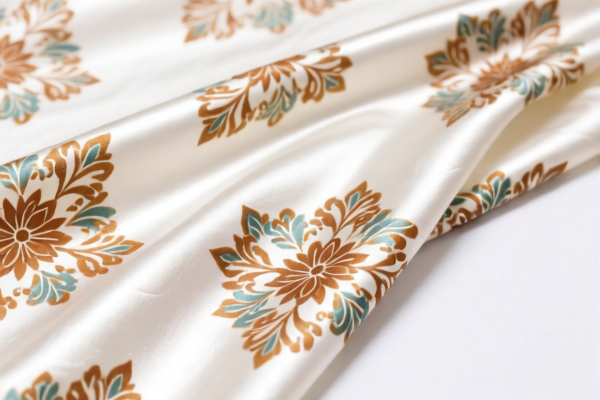
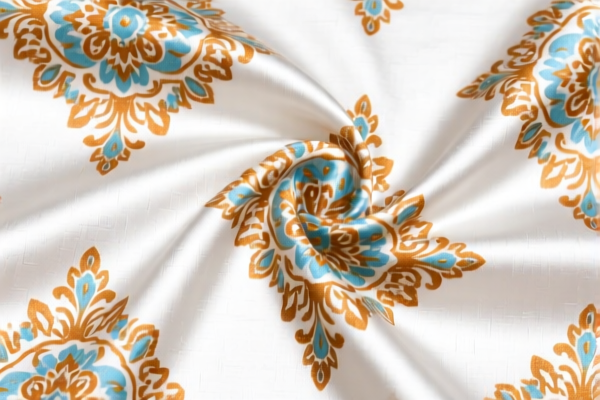
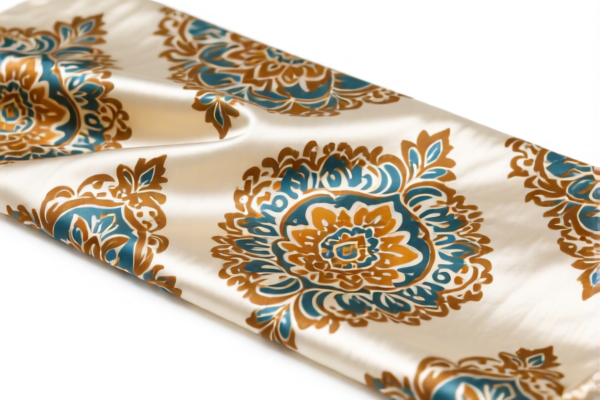
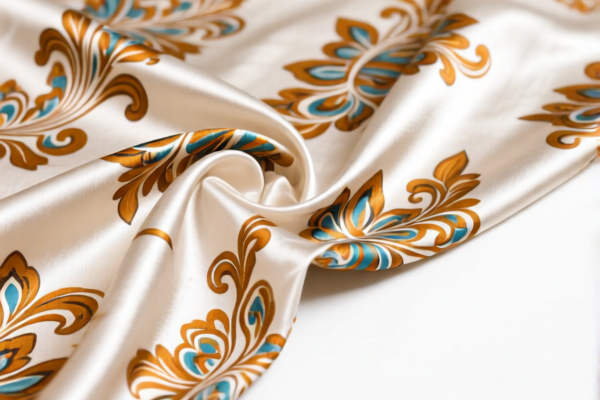
AI Analysis
🧵 Satin Printed Fabric: Coating & Printing Decoration
🌐 HS Code Reference & Clearance Guide | 2026 Latest Tariff Analysis | Professional Entry Strategy
📌 I. Product Definition & Classification: Do You Really Understand "Satin Printed Fabric"?
Satin printed fabric, often used for home textiles, fashion, and decoration, is a woven textile characterized by a glossy surface and dull back. In international trade, its classification depends heavily on the fiber content (synthetic vs. man-made) and specific usage.
Key Distinctions: * Man-Made Filament Fabrics (Rayon/Viscose): Generally fall under HS Code 5408. * Synthetic Filament Fabrics (Polyester/Nylon): Generally fall under HS Code 5407. * Finished Decorative Goods: If the fabric is already cut/sewn into a specific decorative item (like curtains), it may fall under 6304.
⚠️ Critical Distinction Point:
- If it is raw/woven fabric (even if printed/coated) → Classify under 5407 or 5408.
- If it is a finished decorative article (e.g., finished curtain panels, upholstery covers) → Classify under 6304.
📦 II. HS Code Classification Details (2026 Latest Tariff Authority Comparison)
Based on the provided data, here are the precise classifications for different fabric compositions and descriptions:
| HS Code | Product Description | Application Scenario | Fiber Type | Total Tax |
|---|---|---|---|---|
5408.34.90.50 |
Satin printed fabric, coating printing decoration, satin weave, printing treatment | Decorative fabrics, high-end linings | Man-made filament (e.g., Rayon) | 47.0% |
5407.94.20.50 |
Satin printed fabric, coating printing decoration, satin weave, synthetic filament fabric | General synthetic satin, fashion, drapery | Synthetic filament (e.g., Polyester) | 49.9% |
5408.34.90.40 |
Satin printed fabric, coating printing decoration, man-made filament products, printing use | Specific man-made filament applications | Man-made filament (e.g., Rayon) | 47.0% |
5407.84.00.40 |
Satin printed fabric, coating printing decoration, satin weave, synthetic filament & cotton blend | Blended fabrics, durable decorative use | Synthetic + Cotton Blend | 49.9% |
6304.99.60.40 |
Decorative fabric, other textile materials non-knitted, household textiles | Finished decorative items (e.g., curtains, cushion covers) | Mixed/Other | 20.7% |
🔍 Key Reminder:
- Fabrics (5407/5408) are subject to higher duties due to trade restrictions (Section 301 + Section 122).
- Finished Decorative Items (6304) have a significantly lower total tax rate (20.7%), but must be proven as finished articles, not just fabric rolls.
- Blends (5407.84) with synthetic fibers are taxed similarly to pure synthetics (49.9%).
💰 III. 2026 Latest Tariff Rate Details (Including Surcharges, Policy Add-ons)
✅ Applicable Country: United States (US)
✅ Origin: China (CN)
✅ Effective Time: Current rates apply (including subsequent imports)
🎯 1. 5408.34.90.50 & 5408.34.90.40 — Satin Fabric (Man-Made Filament)
| Item | Content |
|---|---|
| Base Duty Rate | 12.0% (ad valorem) |
| Section 301 Surcharge | +25.0% (USITC Footnote) |
| Section 122 Surcharge | +10.0% (Targeted textile surcharge) |
| Total Rate | 47.0% |
| Tax Calculation | CIF Value × 47.0% |
| De Minimis Exemption | ❌ Not Eligible |
| Legal Basis Path | Section 122 + Section 301 → USITC:5408.34.90.50 |
📌 Explanation:
- The 12% base rate is the standard MFN duty for man-made filament fabrics.
- The 25% Section 301 tariff is the major trade war surcharge on Chinese textiles.
- The 10% Section 122 is an additional surcharge specifically targeting certain textile imports.
- Total 47% is a very high barrier; cost calculation must include this fully.
🎯 2. 5407.94.20.50 & 5407.84.00.40 — Satin Fabric (Synthetic/Blend)
| Item | Content |
|---|---|
| Base Duty Rate | 14.9% (ad valorem) |
| Section 301 Surcharge | +25.0% |
| Section 122 Surcharge | +10.0% |
| Total Rate | 49.9% |
| Tax Calculation | CIF Value × 49.9% |
| De Minimis Exemption | ❌ Not Eligible |
| Legal Basis Path | Section 122 + Section 301 → USITC:5407.xxxx.xxxx |
📌 Note:
- Synthetic fabrics (like polyester satin) have a slightly higher base rate (14.9%) than man-made filament fabrics (12%).
- The surcharges are identical.
- Blends (5407.84.00.40) containing synthetic fibers are classified under the synthetic category, not the cotton category, leading to the 49.9% rate.
🎯 3. 6304.99.60.40 — Finished Decorative Fabric (Household Textiles)
| Item | Content |
|---|---|
| Base Duty Rate | 3.2% (ad valorem) |
| Section 301 Surcharge | +7.5% |
| Section 122 Surcharge | +10.0% |
| Total Rate | 20.7% |
| Tax Calculation | CIF Value × 20.7% |
| De Minimis Exemption | ❌ Not Eligible |
| Legal Basis Path | Section 122 + Section 301 → USITC:6304.99.60.40 |
📌 Strategic Advantage:
- If your product can be classified as a finished decorative item (e.g., "decorative pillow cover" instead of "satin fabric"), the total tax drops from ~49% to 20.7%.
- Warning: You must provide proof that the item is finished (cut, sewn, hemmed) and not just printed fabric rolls.
🛠️ IV. Clearance Practical Advice (Combat Pitfalls Guide)
✅ 1. Documentation Checklist (Essential)
| Document | Required | Description |
|---|---|---|
| ✅ Product Spec Sheet | ✔️ | Must specify: Weave (Satin), Fiber Content (% Polyester/Rayon/Cotton), Printing Method (Coating/Printing). |
| ✅ Commercial Invoice | ✔️ | Must clearly state "Satin Printed Fabric" or "Decorative Textile." Avoid vague terms like "Textile Material." |
| ✅ Packing List | ✔️ | Detail weight and dimensions. If finished goods, list items individually. |
| ✅ Certificate of Origin | ✔️ | Essential for proving China origin (triggers surcharges). |
| ✅ Photos of Product | ✔️ | Show the fabric texture, print pattern, and any finished edges (if applicable). |
✅ 2. Declaration Tips (Key Mantra)
🔥 "Fiber Determines Code, Finish Determines Tax!"
| Scenario | Correct Declaration | Wrong Practice |
|---|---|---|
| Fabric Roll (Satin Print) | 5407.94.20.50 or 5408.34.90.50 |
Misdeclare as "Clothing" → Higher scrutiny |
| Satin + Cotton Blend | 5407.84.00.40 (Synthetic dominant) |
Declare as 100% Cotton → Customs Penalty |
| Finished Curtain Panel | 6304.99.60.40 |
Declare as "Fabric" → Overpay tax (20.7% vs 49.9%) |
| Raw Fabric Roll | 5407/5408 |
Declare as "Finished Good" → Customs Rejection |
✅ 3. Special Case Handling
| Case | Handling Advice |
|---|---|
| Mixed Orders (Fabric + Finished Goods) | Separate Entries! Do not mix 5407 fabric and 6304 finished goods in one line item. Declare separately to apply correct rates. |
| Blended Fabrics | Provide Fiber Analysis Report. If synthetic content > cotton, it goes to 5407. If cotton > synthetic, it might go to 5208/5209 (different rates). Do not guess. |
| "Coating" vs. "Printing" | Both are covered under the provided HS codes, but ensure the description matches the actual process (e.g., "Waterproof Coating" vs. "Screen Printing"). |
| Section 122 Applicability | Verify if your specific fabric type is exempt. The data suggests all listed satin fabrics are subject to the 10% surcharge. |
🌍 V. Global Market Clearance Comparison (2026 Latest)
| Country/Region | Recommended HS Code | Duty Rate | Certification | Notes |
|---|---|---|---|---|
| 🇺🇸 USA | 5407.94.20.50 |
49.9% | None required | High tariffs due to Section 301 & 122 |
| 🇪🇺 EU | 5407.84 |
~12% | REACH (Chemical compliance) | Lower base rate, no Section 301 |
| 🇨🇳 China | 5407.84 |
~10-15% | N/A | Lower rates for domestic trade |
| 🇯🇵 Japan | 5407.84 |
~10% | Fertilizer Law (if chemical coating) | Moderate rates |
📌 Conclusion:
- The US market is the most expensive for Chinese satin fabrics due to 49.9% total duties.
- Consider supply chain diversification (e.g., sourcing from Vietnam or India) to avoid Section 301 tariffs.
- If selling finished goods, ensure they are classified as6304to save ~29% in duties.
📌 VI. Common Errors & Pitfall Guide (Lessons Learned)
❌ Error 1: Declaring synthetic blend as cotton
👉 Consequence: Customs reclassifies to 5407 (49.9%) instead of potential cotton rates. Back taxes + penalties!
❌ Error 2: Mixing fabric rolls with finished curtains in one HS Code
👉 Consequence: Customs may reject the entire shipment or apply the higher rate to all items. Delay in clearance.
❌ Error 3: Ignoring Section 122
👉 Consequence: Underpaying the 10% surcharge. Audits and fines.
❌ Error 4: Vague Description ("Textile")
👉 Consequence: Customs officer may assign a wrong, higher rate or request additional testing. Clear, specific descriptions are key.
✅ Correct Approach:
"Satin Weave Polyester Fabric, Coated, Printed Design, 150 GSM, For Home Decor Use"
🎯 VII. Conclusion: Precise Classification Saves Money!
🎯 Remember the Mantra:
🔹 "Synthetic = 49.9%, Man-made = 47.0%, Finished = 20.7%!"
🔹 "Check Fiber Content, Check Finish State, Check Tariff Lines!"
📌 Pro Tip:
If you are importing large volumes, consider applying for a Tariff Engineering review to see if any finishing processes can legitimately change the HS Code to a lower-taxed category (e.g., from fabric to finished good).
📣 Immediate Action:
📞 Consult a licensed customs broker
📝 Provide Fiber Content and Product Photos
🚀 Optimize your HS Code to minimize duty burden!
✨ Professional Clearance, Starting with Accurate Classification!
💼 Every percent of duty saved is pure profit!
Customer Reviews
About HS Code Classification
The Harmonized System (HS) is an internationally standardized nomenclature developed by the World Customs Organization (WCO) to classify traded products. Over 200 countries use the HS system as the basis for customs tariffs, trade statistics, and import/export regulations.
Each HS code follows a hierarchical structure:
- Chapter (2 digits) — Broad category of goods (e.g., Chapter 84: Machinery and Mechanical Appliances)
- Heading (4 digits) — More specific grouping within the chapter
- Subheading (6 digits) — Internationally standardized breakdown, used by all WCO member countries
- National subdivisions (8-10 digits) — Country-specific extensions for further classification, such as US HTSUS 10-digit codes
Correct HS code classification is essential for smooth customs clearance, accurate duty payment, and compliance with trade regulations. Misclassification can lead to customs delays, overpayment of duties, or penalties.
When importing from CN to US, the applicable tariff rates may include:
- Most-Favored-Nation (MFN) rate — The standard duty rate applied to WTO members
- General rate — Applied to countries without trade agreements
- Trade remedy duties — Additional tariffs such as Section 301 (anti-dumping), Section 232 (national security), or countervailing duties
The information provided on this page is for reference purposes only. For official classification, please consult with your local customs authority or a licensed customs broker.