Satin Puff Print Fabric for Bags
CN → US| HS编码 | 关税税率 | 原产国 | 目的国 | 文档 |
|---|---|---|---|---|
| 5407840040 | 49.9% | CN | US | 官方文档 |
| 5407942050 | 49.9% | CN | US | 官方文档 |
| 5007200035 | 35.0% | CN | US | 官方文档 |
| 5007200025 | 35.0% | CN | US | 官方文档 |
| 4202228980 | 52.6% | CN | US | 官方文档 |
商品图片
AI分析
👜 Satin Puff Print Fabric for Bags (Textile Materials for Bag Manufacturing)
🌐 HS Code Reference & Customs Clearance Guide | 2026 Latest Tariff Analysis | Professional Entry Strategy
📌 I. Product Definition & Classification: Do You Really Understand "Satin Puff Print Fabric"?
Satin Puff Print Fabric is a specialized textile material characterized by its satin weave structure (producing a glossy, smooth surface), puff print technology (creating raised, 3D graphic effects), and specific end-use for bag manufacturing. In international trade, classification hinges on three critical factors: 1. Material Composition: Is it silk, synthetic fiber, or a blend? 2. Form: Is it raw fabric or a finished good (e.g., a bag)? 3. Processing: Is it merely printed, or does it involve complex finishing?
⚠️ Key Classification Distinction:
- If the material is synthetic filament/cotton blend → It falls under Chapter 54 (Synthetic Filaments).
- If the material is true silk → It falls under Chapter 50 (Silk).
- If it is already cut/sewn into a bag → It falls under Chapter 42 (Articles of Leather/Travel Goods), NOT as fabric.
📦 II. HS Code Classification Details (2026 Latest Tariff Authority Cross-Reference)
Based on the provided data, here are the four potential HS Code classifications depending on the exact material composition:
| HS Code | Product Description | Material Type | Key Characteristics | Tax Detail (Total) |
|---|---|---|---|---|
| 5407.84.00.40 | Satin Print/Discharge Fabric | Blend (Synthetic Filament + Cotton) | Machine-woven, Satin weave, Used for bags, Printed/Discharge | 49.9% |
| 5407.94.20.50 | Satin Print/Discharge Fabric | Synthetic Fiber | Woven, Satin weave, Used for bags, Printed | 49.9% |
| 5007.20.00.35 | Satin Print/Discharge Fabric | Silk (Inferred) | Printed/Woven, Used for bag lining/fabric | 35.0% |
| 5007.20.00.25 | Satin Print/Discharge Fabric | Silk/Silk-like | Printed Fabric, Fits textile category features | 35.0% |
| 4202.22.89.80 | Bag Surface Material (Finished/Processed) | Textile Material | Used as outer surface for handbags; classified as textile article | 52.6% |
🔍 Critical Note:
- 5407 Codes: Apply if the fabric is primarily polyester, nylon, or other synthetics (mixed with cotton or pure synthetic).
- 5007 Codes: Apply only if the fabric is genuine Silk or high-end silk-blend. Misclassifying synthetic as silk can lead to severe penalties.
- 4202 Code: This is a high-risk classification. It implies the item is considered a "part of a bag" or a finished article rather than raw fabric. Use only if the fabric is cut, shaped, or specifically prepared as a bag component, not just a roll of fabric.
💰 III. 2026 Latest Tariff Rate Breakdown (Including Surcharges & Policy Add-ons)
✅ Applicable Country: United States (US)
✅ Origin: China (CN)
✅ Effective Date: From November 10, 2025 (including subsequent imports)
🎯 1. Synthetic Fabric Cases (HS Codes: 5407.84.00.40 & 5407.94.20.50)
| Item | Content |
|---|---|
| Base Tariff | 14.9% (Ad Valorem) |
| USITC Surcharge (Section 301) | +25.0% |
| IEEPA Surcharge (Section 122/China) | +10.0% |
| Total Effective Rate | 49.9% |
| Tax Calculation | CIF Value × 49.9% |
| De Minimis Exemption | ❌ NOT Eligible (deny_de_minimis) |
| Legal Basis Path | USITC:5407.84.00.40 → FOOTNOTE:301 → IEEPA:9903.01.25 |
📌 Explanation:
- Synthetic fabrics are heavily targeted by US trade policies.
- The 14.9% base rate is standard for many woven synthetic fabrics.
- The 25% Section 301 duty and 10% IEEPA surcharge are mandatory for Chinese-origin goods.
- Total burden: Nearly 50%. This significantly impacts profit margins for bag manufacturers.
🎯 2. Silk Fabric Cases (HS Codes: 5007.20.00.35 & 5007.20.00.25)
| Item | Content |
|---|---|
| Base Tariff | 0.0% |
| USITC Surcharge (Section 301) | +25.0% |
| IEEPA Surcharge (Section 122/China) | +10.0% |
| Total Effective Rate | 35.0% |
| Tax Calculation | CIF Value × 35.0% |
| De Minimis Exemption | ❌ NOT Eligible (deny_de_minimis) |
| Legal Basis Path | USITC:5007.20.00.35 → FOOTNOTE:301 → IEEPA:9903.01.25 |
📌 Explanation:
- Silk fabrics often enjoy 0% base duty, making them more tax-efficient than synthetics.
- However, the 35% total rate is still high due to surcharges.
- Caution: Ensure the fabric is genuinely silk. Customs may require a lab test if the composition is ambiguous.
🎯 3. Bag Article/Component Case (HS Code: 4202.22.89.80)
| Item | Content |
|---|---|
| Base Tariff | 17.6% |
| USITC Surcharge (Section 301) | +25.0% |
| IEEPA Surcharge (Section 122/China) | +10.0% |
| Total Effective Rate | 52.6% |
| Tax Calculation | CIF Value × 52.6% |
| De Minimis Exemption | ❌ NOT Eligible (deny_de_minimis) |
| Legal Basis Path | USITC:4202.22.89.80 → FOOTNOTE:301 → IEEPA:9903.01.25 |
📌 Explanation:
- This is the highest tax rate among the options.
- Only use this HS Code if the item is legally considered a "handbag part" or finished textile article, not raw fabric.
- Risk: If declared as fabric (5407) but customs sees it as a bag part (4202), you face misclassification penalties.
🛠️ IV. Customs Clearance Practical Advice (Battle-Tested Pitfall Guide)
✅ 1. Documentation Checklist (Non-negotiable)
| Document | Required? | Explanation |
|---|---|---|
| ✅ Product Specification Sheet | ✔️ | Must clearly state: "Satin Weave," "Puff Print," "Material Composition (e.g., 80% Poly, 20% Cotton)." |
| ✅ Commercial Invoice | ✔️ | Must describe as "Woven Fabric" or "Printed Textile," NOT "Finished Bag." |
| ✅ Certificate of Origin (CO) | ✔️ | Proves Chinese origin (triggers surcharges). |
| ✅ Lab Test Report | ✔️ | Crucial for Silk vs. Synthetic. If claiming HS 5007, provide fiber content analysis. |
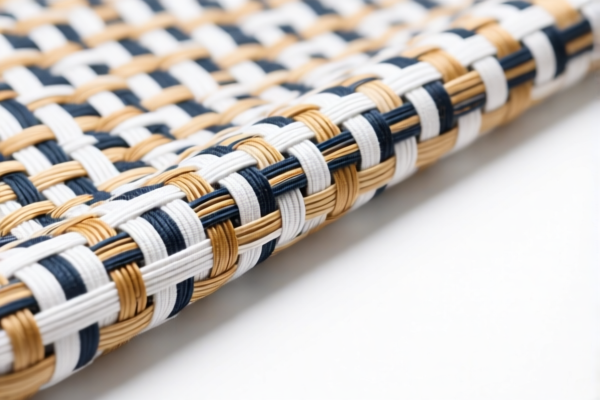
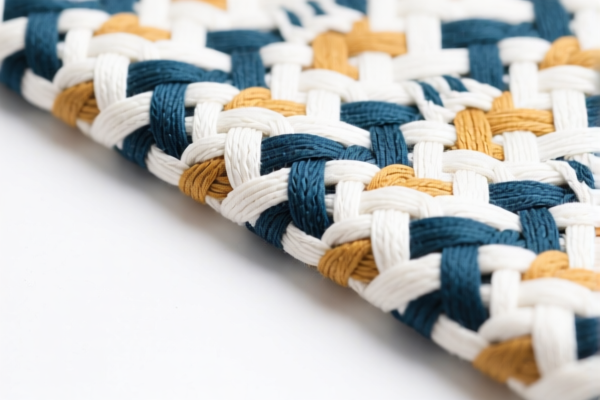
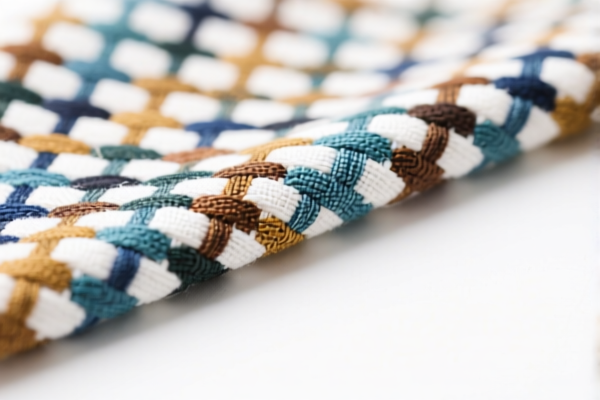
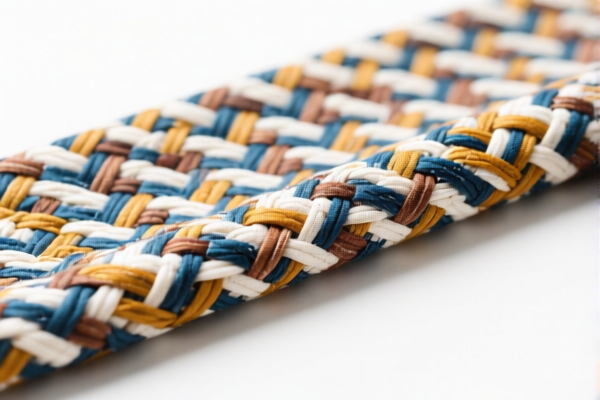
| ✅ Photos (Label & Fabric) | ✔️ | Show the puff print effect and fabric texture. |
| ✅ Packing List | ✔️ | Ensure weight/volume matches invoice. |
✅ 2. Declaration Tips (Key Mnemonics)
🔥 “Fabric is Fabric, Bag is Bag, Mislabeling Costs You!”
| Scenario | Correct Declaration | Incorrect Action | Consequence |
|---|---|---|---|
| Raw Fabric Rolls | 5407.84.00.40 or 5407.94.20.50 |
Declare as "Handbag Parts" | Risk of 52.6% tax or penalty for over-classification. |
| Genuine Silk Fabric | 5007.20.00.35 |
Declare as Synthetic | Risk of fraud charges + back taxes. |
| Cut Bag Panels | 4202.22.89.80 |
Declare as "Fabric" | Risk of under-declaration if not recognized as fabric. |
| Blended Fabric | 5407.84.00.40 |
Declare as 100% Cotton | Wrong Chapter! (Cotton is Ch 52). |
✅ 3. Special Situations
| Situation | Handling Advice |
|---|---|
| Puff Print Chemicals | Ensure no restricted substances (e.g., certain azo dyes). Provide MSDS if asked. |
| "Silk-like" Satin | If it's polyester mimicry, DO NOT use HS 5007. Use HS 5407. Customs will test! |
| Mixed Containers | If shipping with other goods, ensure the fabric is clearly separated and documented to avoid contamination of the shipment's classification. |
🌍 V. Global Market Clearance Comparison (2026 Latest)
| Country/Region | Recommended HS Code | Tariff (China Origin) | Certification Req. | Notes |
|---|---|---|---|---|
| 🇺🇸 USA | 5407.84.00.40 (Synthetic) |
49.9% | None specific | High tariff due to Section 301 & IEEPA. |
| 🇺🇸 USA | 5007.20.00.35 (Silk) |
35.0% | None specific | Lower tax, but strict origin testing. |
| 🇨🇳 China | 5407.84.00.40 |
5-10% | None | Domestic trade is cheaper. |
| 🇪🇺 EU | 5407.84.00.40 |
0-4% (General) | REACH, OEKO-TEX | No Section 301 equivalent, but strict chemical regs. |
| 🇬🇧 UK | 5407.84.00.40 |
0-6% | UKCA, REACH | Post-Brexit rules apply. |
📌 Conclusion:
- USA is the most expensive market due to layered surcharges.
- Silk (5007) is tax-efficient but risky if composition is false.
- Synthetic (5407) is the standard for most "satin" fabrics in bag production.
📌 VI. Common Errors & Pitfall Guide (Lessons Learned)
❌ Error 1: Declaring Polyester Satin as "Silk" to save tax
👉 Consequence: Customs lab test proves 0% silk → Penalty + 14.9% back tax + 25% surcharge.
❌ Error 2: Declaring Fabric Rolls as "Handbags" (HS 4202)
👉 Consequence: Tax jumps to 52.6% unnecessarily. Always declare as fabric unless cut/sewn.
❌ Error 3: Ignoring the "Cotton Blend" aspect
👉 Consequence: If it's Poly+Cotton, it’s 5407, not 5208 (Cotton) or 5407 (Pure Poly). Mixed fibers go to the chapter of the major component by weight.
❌ Error 4: Assuming De Minimis ($800) applies
👉 Consequence: NO! Textiles from China are explicitly excluded from de minimis exemptions under current IEEPA rules. Every shipment is taxed.
✅ Correct Practice:
"Woven Satin Fabric, 100% Polyester, Puff Print Finish, for Bag Lining, Unwashed, Roll Form."
🎯 VII. Conclusion: Precise Classification Saves Money!
🎯 Remember the Mnemonic:
🔹 “Silk is 35%, Synthetics 49.9%, Bags 52.6%.”
🔹 “Check the Fiber, Check the Form, Avoid the 50% Trap!”
🔹 “De Minimis is Dead for Textiles from China – Plan for Taxes!”
📌 Pro Tip:
If your product is a blend, ensure the percentage of synthetic vs. cotton is clearly stated. A slight shift in composition can sometimes (rarely) allow for a lower base tariff, but the 35% tax floor due to surcharges remains.
Always apply for an Advance Ruling if the composition is ambiguous or if you are using a new supplier.
📣 Immediate Action:
📞 Contact a licensed customs broker + Provide Fiber Content Lab Report + Verify HS Code with CBP.
🚀 Clear Customs Smoothly, Maximize Margins, Export Confidently!
✨ Professional Clearance Starts with Accurate Classification!
💼 Every Percent of Tax Matters – Don’t Leave It to Chance!
用户评价
关于 HS 编码归类
协调制度(HS)是由世界海关组织(WCO)制定的国际贸易商品分类标准。全球 200 多个国家采用 HS 系统作为海关关税、贸易统计和进出口监管的基础。
每个 HS 编码遵循以下层级结构:
- 章(2 位)——商品大类(例如:第 84 章:机器和机械设备)
- 品目(4 位)——章内的更具体分类
- 子目(6 位)——国际通用细分,所有 WCO 成员国统一使用
- 本国细分(8-10 位)——各国自行扩展的细分编码,如美国 HTSUS 10 位编码
正确的 HS 编码归类对于顺利通关、准确缴纳关税和遵守贸易法规至关重要。错误归类可能导致海关延误、多缴关税或罚款。
从CN进口到US时,适用的关税税率可能包括:
- 最惠国(MFN)税率——适用于 WTO 成员国的标准关税税率
- 普通税率——适用于无贸易协定国家
- 贸易救济关税——附加关税,如 301 条款(反倾销)、232 条款(国家安全)或反补贴税
本页内容仅供参考。如需正式归类,请咨询当地海关或持牌报关代理。