Satin Puff Print Fabric for Bags
CN → US| HS Code | Tariff Rate | Origin | Destination | Doc |
|---|---|---|---|---|
| 5407840040 | 49.9% | CN | US | Official Doc |
| 5407942050 | 49.9% | CN | US | Official Doc |
| 5007200035 | 35.0% | CN | US | Official Doc |
| 5007200025 | 35.0% | CN | US | Official Doc |
| 4202228980 | 52.6% | CN | US | Official Doc |
Product Images
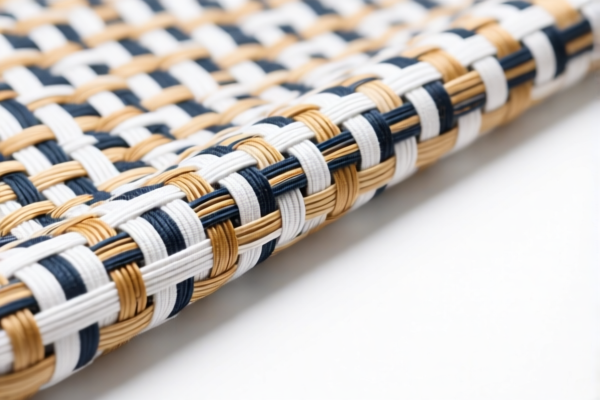
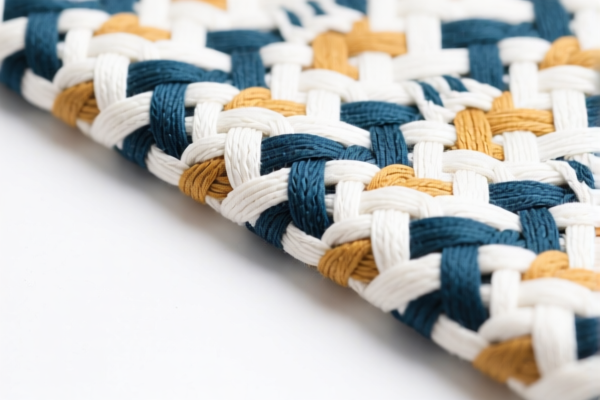
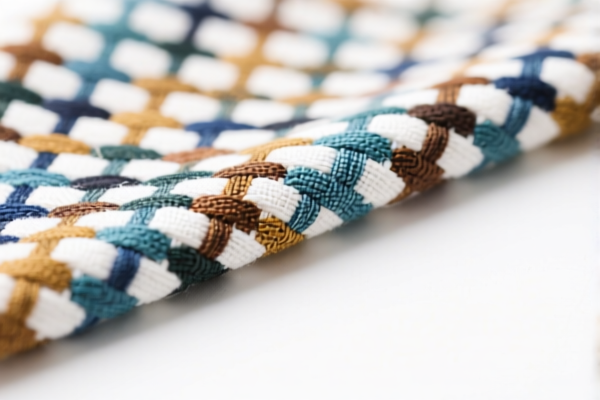
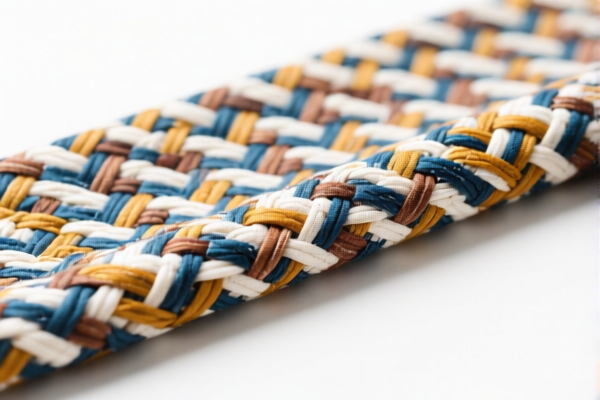
AI Analysis
👜 Satin Puff Print Fabric for Bags (Textile Materials for Bag Manufacturing)
🌐 HS Code Reference & Customs Clearance Guide | 2026 Latest Tariff Analysis | Professional Entry Strategy
📌 I. Product Definition & Classification: Do You Really Understand "Satin Puff Print Fabric"?
Satin Puff Print Fabric is a specialized textile material characterized by its satin weave structure (producing a glossy, smooth surface), puff print technology (creating raised, 3D graphic effects), and specific end-use for bag manufacturing. In international trade, classification hinges on three critical factors: 1. Material Composition: Is it silk, synthetic fiber, or a blend? 2. Form: Is it raw fabric or a finished good (e.g., a bag)? 3. Processing: Is it merely printed, or does it involve complex finishing?
⚠️ Key Classification Distinction:
- If the material is synthetic filament/cotton blend → It falls under Chapter 54 (Synthetic Filaments).
- If the material is true silk → It falls under Chapter 50 (Silk).
- If it is already cut/sewn into a bag → It falls under Chapter 42 (Articles of Leather/Travel Goods), NOT as fabric.
📦 II. HS Code Classification Details (2026 Latest Tariff Authority Cross-Reference)
Based on the provided data, here are the four potential HS Code classifications depending on the exact material composition:
| HS Code | Product Description | Material Type | Key Characteristics | Tax Detail (Total) |
|---|---|---|---|---|
| 5407.84.00.40 | Satin Print/Discharge Fabric | Blend (Synthetic Filament + Cotton) | Machine-woven, Satin weave, Used for bags, Printed/Discharge | 49.9% |
| 5407.94.20.50 | Satin Print/Discharge Fabric | Synthetic Fiber | Woven, Satin weave, Used for bags, Printed | 49.9% |
| 5007.20.00.35 | Satin Print/Discharge Fabric | Silk (Inferred) | Printed/Woven, Used for bag lining/fabric | 35.0% |
| 5007.20.00.25 | Satin Print/Discharge Fabric | Silk/Silk-like | Printed Fabric, Fits textile category features | 35.0% |
| 4202.22.89.80 | Bag Surface Material (Finished/Processed) | Textile Material | Used as outer surface for handbags; classified as textile article | 52.6% |
🔍 Critical Note:
- 5407 Codes: Apply if the fabric is primarily polyester, nylon, or other synthetics (mixed with cotton or pure synthetic).
- 5007 Codes: Apply only if the fabric is genuine Silk or high-end silk-blend. Misclassifying synthetic as silk can lead to severe penalties.
- 4202 Code: This is a high-risk classification. It implies the item is considered a "part of a bag" or a finished article rather than raw fabric. Use only if the fabric is cut, shaped, or specifically prepared as a bag component, not just a roll of fabric.
💰 III. 2026 Latest Tariff Rate Breakdown (Including Surcharges & Policy Add-ons)
✅ Applicable Country: United States (US)
✅ Origin: China (CN)
✅ Effective Date: From November 10, 2025 (including subsequent imports)
🎯 1. Synthetic Fabric Cases (HS Codes: 5407.84.00.40 & 5407.94.20.50)
| Item | Content |
|---|---|
| Base Tariff | 14.9% (Ad Valorem) |
| USITC Surcharge (Section 301) | +25.0% |
| IEEPA Surcharge (Section 122/China) | +10.0% |
| Total Effective Rate | 49.9% |
| Tax Calculation | CIF Value × 49.9% |
| De Minimis Exemption | ❌ NOT Eligible (deny_de_minimis) |
| Legal Basis Path | USITC:5407.84.00.40 → FOOTNOTE:301 → IEEPA:9903.01.25 |
📌 Explanation:
- Synthetic fabrics are heavily targeted by US trade policies.
- The 14.9% base rate is standard for many woven synthetic fabrics.
- The 25% Section 301 duty and 10% IEEPA surcharge are mandatory for Chinese-origin goods.
- Total burden: Nearly 50%. This significantly impacts profit margins for bag manufacturers.
🎯 2. Silk Fabric Cases (HS Codes: 5007.20.00.35 & 5007.20.00.25)
| Item | Content |
|---|---|
| Base Tariff | 0.0% |
| USITC Surcharge (Section 301) | +25.0% |
| IEEPA Surcharge (Section 122/China) | +10.0% |
| Total Effective Rate | 35.0% |
| Tax Calculation | CIF Value × 35.0% |
| De Minimis Exemption | ❌ NOT Eligible (deny_de_minimis) |
| Legal Basis Path | USITC:5007.20.00.35 → FOOTNOTE:301 → IEEPA:9903.01.25 |
📌 Explanation:
- Silk fabrics often enjoy 0% base duty, making them more tax-efficient than synthetics.
- However, the 35% total rate is still high due to surcharges.
- Caution: Ensure the fabric is genuinely silk. Customs may require a lab test if the composition is ambiguous.
🎯 3. Bag Article/Component Case (HS Code: 4202.22.89.80)
| Item | Content |
|---|---|
| Base Tariff | 17.6% |
| USITC Surcharge (Section 301) | +25.0% |
| IEEPA Surcharge (Section 122/China) | +10.0% |
| Total Effective Rate | 52.6% |
| Tax Calculation | CIF Value × 52.6% |
| De Minimis Exemption | ❌ NOT Eligible (deny_de_minimis) |
| Legal Basis Path | USITC:4202.22.89.80 → FOOTNOTE:301 → IEEPA:9903.01.25 |
📌 Explanation:
- This is the highest tax rate among the options.
- Only use this HS Code if the item is legally considered a "handbag part" or finished textile article, not raw fabric.
- Risk: If declared as fabric (5407) but customs sees it as a bag part (4202), you face misclassification penalties.
🛠️ IV. Customs Clearance Practical Advice (Battle-Tested Pitfall Guide)
✅ 1. Documentation Checklist (Non-negotiable)
| Document | Required? | Explanation |
|---|---|---|
| ✅ Product Specification Sheet | ✔️ | Must clearly state: "Satin Weave," "Puff Print," "Material Composition (e.g., 80% Poly, 20% Cotton)." |
| ✅ Commercial Invoice | ✔️ | Must describe as "Woven Fabric" or "Printed Textile," NOT "Finished Bag." |
| ✅ Certificate of Origin (CO) | ✔️ | Proves Chinese origin (triggers surcharges). |
| ✅ Lab Test Report | ✔️ | Crucial for Silk vs. Synthetic. If claiming HS 5007, provide fiber content analysis. |
| ✅ Photos (Label & Fabric) | ✔️ | Show the puff print effect and fabric texture. |
| ✅ Packing List | ✔️ | Ensure weight/volume matches invoice. |
✅ 2. Declaration Tips (Key Mnemonics)
🔥 “Fabric is Fabric, Bag is Bag, Mislabeling Costs You!”
| Scenario | Correct Declaration | Incorrect Action | Consequence |
|---|---|---|---|
| Raw Fabric Rolls | 5407.84.00.40 or 5407.94.20.50 |
Declare as "Handbag Parts" | Risk of 52.6% tax or penalty for over-classification. |
| Genuine Silk Fabric | 5007.20.00.35 |
Declare as Synthetic | Risk of fraud charges + back taxes. |
| Cut Bag Panels | 4202.22.89.80 |
Declare as "Fabric" | Risk of under-declaration if not recognized as fabric. |
| Blended Fabric | 5407.84.00.40 |
Declare as 100% Cotton | Wrong Chapter! (Cotton is Ch 52). |
✅ 3. Special Situations
| Situation | Handling Advice |
|---|---|
| Puff Print Chemicals | Ensure no restricted substances (e.g., certain azo dyes). Provide MSDS if asked. |
| "Silk-like" Satin | If it's polyester mimicry, DO NOT use HS 5007. Use HS 5407. Customs will test! |
| Mixed Containers | If shipping with other goods, ensure the fabric is clearly separated and documented to avoid contamination of the shipment's classification. |
🌍 V. Global Market Clearance Comparison (2026 Latest)
| Country/Region | Recommended HS Code | Tariff (China Origin) | Certification Req. | Notes |
|---|---|---|---|---|
| 🇺🇸 USA | 5407.84.00.40 (Synthetic) |
49.9% | None specific | High tariff due to Section 301 & IEEPA. |
| 🇺🇸 USA | 5007.20.00.35 (Silk) |
35.0% | None specific | Lower tax, but strict origin testing. |
| 🇨🇳 China | 5407.84.00.40 |
5-10% | None | Domestic trade is cheaper. |
| 🇪🇺 EU | 5407.84.00.40 |
0-4% (General) | REACH, OEKO-TEX | No Section 301 equivalent, but strict chemical regs. |
| 🇬🇧 UK | 5407.84.00.40 |
0-6% | UKCA, REACH | Post-Brexit rules apply. |
📌 Conclusion:
- USA is the most expensive market due to layered surcharges.
- Silk (5007) is tax-efficient but risky if composition is false.
- Synthetic (5407) is the standard for most "satin" fabrics in bag production.
📌 VI. Common Errors & Pitfall Guide (Lessons Learned)
❌ Error 1: Declaring Polyester Satin as "Silk" to save tax
👉 Consequence: Customs lab test proves 0% silk → Penalty + 14.9% back tax + 25% surcharge.
❌ Error 2: Declaring Fabric Rolls as "Handbags" (HS 4202)
👉 Consequence: Tax jumps to 52.6% unnecessarily. Always declare as fabric unless cut/sewn.
❌ Error 3: Ignoring the "Cotton Blend" aspect
👉 Consequence: If it's Poly+Cotton, it’s 5407, not 5208 (Cotton) or 5407 (Pure Poly). Mixed fibers go to the chapter of the major component by weight.
❌ Error 4: Assuming De Minimis ($800) applies
👉 Consequence: NO! Textiles from China are explicitly excluded from de minimis exemptions under current IEEPA rules. Every shipment is taxed.
✅ Correct Practice:
"Woven Satin Fabric, 100% Polyester, Puff Print Finish, for Bag Lining, Unwashed, Roll Form."
🎯 VII. Conclusion: Precise Classification Saves Money!
🎯 Remember the Mnemonic:
🔹 “Silk is 35%, Synthetics 49.9%, Bags 52.6%.”
🔹 “Check the Fiber, Check the Form, Avoid the 50% Trap!”
🔹 “De Minimis is Dead for Textiles from China – Plan for Taxes!”
📌 Pro Tip:
If your product is a blend, ensure the percentage of synthetic vs. cotton is clearly stated. A slight shift in composition can sometimes (rarely) allow for a lower base tariff, but the 35% tax floor due to surcharges remains.
Always apply for an Advance Ruling if the composition is ambiguous or if you are using a new supplier.
📣 Immediate Action:
📞 Contact a licensed customs broker + Provide Fiber Content Lab Report + Verify HS Code with CBP.
🚀 Clear Customs Smoothly, Maximize Margins, Export Confidently!
✨ Professional Clearance Starts with Accurate Classification!
💼 Every Percent of Tax Matters – Don’t Leave It to Chance!
Customer Reviews
About HS Code Classification
The Harmonized System (HS) is an internationally standardized nomenclature developed by the World Customs Organization (WCO) to classify traded products. Over 200 countries use the HS system as the basis for customs tariffs, trade statistics, and import/export regulations.
Each HS code follows a hierarchical structure:
- Chapter (2 digits) — Broad category of goods (e.g., Chapter 84: Machinery and Mechanical Appliances)
- Heading (4 digits) — More specific grouping within the chapter
- Subheading (6 digits) — Internationally standardized breakdown, used by all WCO member countries
- National subdivisions (8-10 digits) — Country-specific extensions for further classification, such as US HTSUS 10-digit codes
Correct HS code classification is essential for smooth customs clearance, accurate duty payment, and compliance with trade regulations. Misclassification can lead to customs delays, overpayment of duties, or penalties.
When importing from CN to US, the applicable tariff rates may include:
- Most-Favored-Nation (MFN) rate — The standard duty rate applied to WTO members
- General rate — Applied to countries without trade agreements
- Trade remedy duties — Additional tariffs such as Section 301 (anti-dumping), Section 232 (national security), or countervailing duties
The information provided on this page is for reference purposes only. For official classification, please consult with your local customs authority or a licensed customs broker.