Satin Woven Lining, Printed Discharge
CN → US| HS编码 | 关税税率 | 原产国 | 目的国 | 文档 |
|---|---|---|---|---|
| 5007903040 | 35.8% | CN | US | 官方文档 |
| 5408329050 | 50.0% | CN | US | 官方文档 |
| 5407922050 | 49.9% | CN | US | 官方文档 |
| 5007200095 | 35.0% | CN | US | 官方文档 |
| 5408349050 | 47.0% | CN | US | 官方文档 |
商品图片
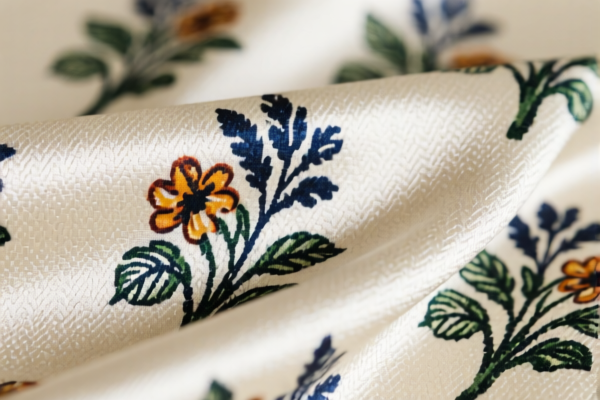
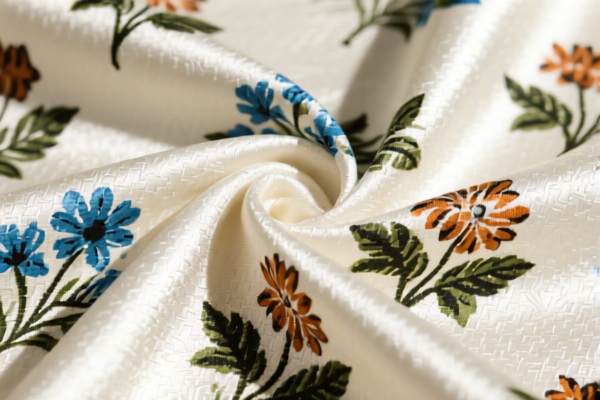
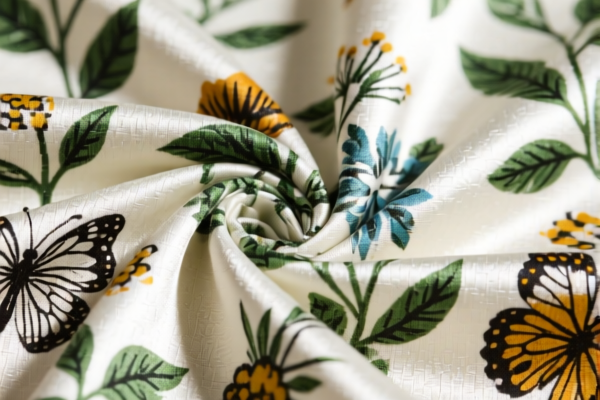
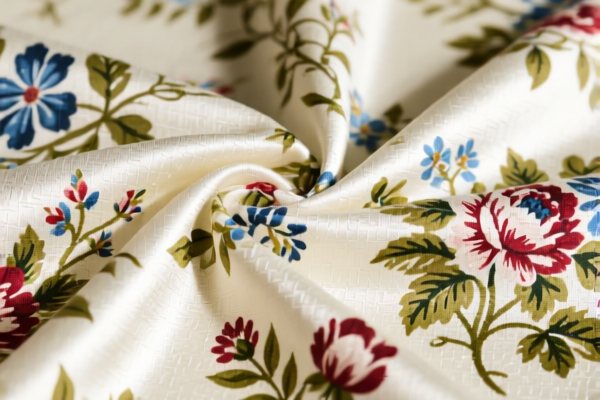
AI分析
🧵 Satin Woven Lining, Printed Discharge (Satin Lining with Discharge Printing)
🌐 HS Code Reference & Customs Clearance Guide | 2026 Latest Tariff Analysis | Professional Clearance Strategy for Silk & Synthetic Linings
📌 I. Product Definition & Classification: What is "Discharge Printed Satin Lining"?
Satin Woven Lining, Printed Discharge refers to fabric lining materials characterized by a satin weave structure (smooth surface, dull back) that undergoes discharge printing. Discharge printing is a specific dyeing process where a bleaching agent (discharge paste) is applied to printed patterns on dyed or white fabric, removing the color to create white or multi-colored designs.
In international trade, the classification depends strictly on the fiber content (Silk vs. Synthetic/Artificial). The prompt implies a generic "Satin Lining," which often falls into two main categories in the data provided: Silk/Silk-like or Synthetic/Artificial Long Filaments.
⚠️ Key Distinction Point:
- If the fabric is made from natural silk or silk waste → It falls under Chapter 50.
- If the fabric is made from man-made fibers (Polyester, Nylon, Rayon, etc.) → It falls under Chapter 54.
- Crucial Note: Discharge printing does not change the fundamental HS code chapter; it only affects the "dyeing" status (Charged/Dyed/Discharged). All items in the data are marked as "Dyed" (染色), which includes discharge printing in customs terminology.
📦 II. HS Code Classification Details (Based on Provided Data)
The provided data lists 5 specific HS Codes for "Satin Woven Lining, Dyed/Discharged." Here is the breakdown by material type:
1. Silk & Silk Waste Linings (Chapter 50)
| HS Code | Product Description | Fiber Content | Tax Rate |
|---|---|---|---|
5007.90.30.40 |
Silk Satin Lining | Natural Silk (Non-jacquard, Dyed/Discharged) | 35.8% |
5007.20.00.95 |
Silk Waste Lining | Silk Waste/Reeled Silk (Other, Dyed/Discharged) | 35.0% |
🔍 Analysis:
-5007.90.30.40: This is the most common code for high-quality natural silk satin linings.
-5007.20.00.95: Used for linings made from silk waste or lower-grade silk.
2. Artificial & Synthetic Fiber Linings (Chapter 54)
| HS Code | Product Description | Fiber Content | Tax Rate |
|---|---|---|---|
5408.32.90.50 |
Artificial Fiber Satin | Artificial Long Filaments (Dyed) | 50.0% |
5407.92.20.50 |
Synthetic Fiber Satin | Synthetic Long Filaments (Dyed) | 49.9% |
5408.34.90.50 |
Artificial Fiber Satin | Artificial Long Filaments (Dyed, Mechanically Woven) | 47.0% |
🔍 Analysis:
-5408.32.90.50: High tax bracket for Artificial fibers (e.g., Viscose/Rayon) in satin weave.
-5407.92.20.50: Standard for Synthetic fibers (e.g., Polyester, Nylon) in satin weave.
-5408.34.90.50: Specific to certain types of artificial fiber woven fabrics, potentially with different weight or construction specifications.
💰 III. 2026 Latest Tariff Rate Breakdown (Including Surcharges & Policy Add-ons)
✅ Applicable Market: USA (US)
✅ Origin: China (CN)
✅ Effective Time: Post-November 2025 (Current Enforcement)
✅ Product Category: Textiles/Apparel Linings
All the HS codes listed above are subject to a three-tier tariff structure:
1. Base Tariff (Most Favored Nation)
2. Section 301 Surcharge (Trade War Tariff)
3. Section 122 Surcharge (Billionaire Tariff / China-specific)
🎯 1. 5007.90.30.40 – Natural Silk Satin Lining
| Item | Content |
|---|---|
| Base Tariff | 0.8% |
| Section 301 Surcharge | +25.0% |
| Section 122 Surcharge | +10.0% |
| Total Effective Tax Rate | 35.8% |
| Calculation Basis | CIF Value × 35.8% |
| De Minimis Exemption? | ❌ No (Not eligible for $800 de minimis) |
| Legal Basis Path | HTSUS:5007.90.30.40 → Section 301: Footnote 9903.88.01 → Section 122: IEEPA Authority |
📌 Explanation:
- Silk linings have a very low base tariff (0.8%), but the add-on tariffs (35% total) make them expensive.
- Total Cost Impact: For every $100 of silk lining, you pay ~$35.8 in duties.
🎯 2. 5408.32.90.50 – Artificial Fiber (Rayon/Viscose) Satin Lining
| Item | Content |
|---|---|
| Base Tariff | 15.0% |
| Section 301 Surcharge | +25.0% |
| Section 122 Surcharge | +10.0% |
| Total Effective Tax Rate | 50.0% |
| Calculation Basis | CIF Value × 50.0% |
| De Minimis Exemption? | ❌ No |
| Legal Basis Path | HTSUS:5408.32.90.50 → Section 301: Footnote 9903.88.01 → Section 122 |
📌 Explanation:
- This is the highest tax bracket in the provided data.
- Artificial fibers (like Viscose) are taxed heavily at the base level (15%) plus the 35% surcharges.
- Total Cost Impact: For every $100 of artificial satin lining, you pay $50 in duties.
🎯 3. 5407.92.20.50 – Synthetic Fiber (Polyester/Nylon) Satin Lining
| Item | Content |
|---|---|
| Base Tariff | 14.9% |
| Section 301 Surcharge | +25.0% |
| Section 122 Surcharge | +10.0% |
| Total Effective Tax Rate | 49.9% |
| Calculation Basis | CIF Value × 49.9% |
| De Minimis Exemption? | ❌ No |
| Legal Basis Path | HTSUS:5407.92.20.50 → Section 301 → Section 122 |
📌 Explanation:
- Nearly identical to the artificial fiber rate.
- Synthetic satin is the most common lining for mass-market apparel. The high tax rate significantly impacts margin.
🎯 4. 5408.34.90.50 – Other Artificial Fiber Satin Lining
| Item | Content |
|---|---|
| Base Tariff | 12.0% |
| Section 301 Surcharge | +25.0% |
| Section 122 Surcharge | +10.0% |
| Total Effective Tax Rate | 47.0% |
| Calculation Basis | CIF Value × 47.0% |
| De Minimis Exemption? | ❌ No |
| Legal Basis Path | HTSUS:5408.34.90.50 → Section 301 → Section 122 |
📌 Explanation:
- Slightly lower base tariff (12%) compared to other artificial fibers, resulting in a 47.0% total rate.
🎯 5. 5007.20.00.95 – Silk Waste Lining
| Item | Content |
|---|---|
| Base Tariff | 0.0% |
| Section 301 Surcharge | +25.0% |
| Section 122 Surcharge | +10.0% |
| Total Effective Tax Rate | 35.0% |
| Calculation Basis | CIF Value × 35.0% |
| De Minimis Exemption? | ❌ No |
| Legal Basis Path | HTSUS:5007.20.00.95 → Section 301 → Section 122 |
📌 Explanation:
- Lowest total tax rate among all options (35.0%) because the base tariff is 0%.
- Suitable for lower-cost silk waste linings.
🛠️ IV. Customs Clearance Practical Advice (Pitfall Avoidance Guide)
✅ 1. Preparation Checklist (Non-Negotiable)
| Document | Required | Note |
|---|---|---|
| ✅ Product Composition Label | ✔️ | Must clearly state: "100% Polyester" or "100% Silk" etc. Vague terms like "Lining" are rejected. |
| ✅ Fabric Test Report | ✔️ | ASTM D123 or ISO standard test confirming fiber content. |
| ✅ Dyeing Method Description | ✔️ | Specify "Discharge Printed" or "Reactive Dyed" to prove it's a "Dyed Fabric" (not piece-dyed or printed separately if required). |
| ✅ Commercial Invoice | ✔️ | Must include: HS Code, Unit Price, Total Value, Country of Origin. |
| ✅ Packing List | ✔️ | Show gross/net weight, package count. |
| ✅ Certificate of Origin (CO) | ❌ | Not useful for duty reduction (China has no FTAs with US for these codes), but may be required for customs entry. |
✅ 2. Declaration Tips (Key Mnemonics)
🔥 "Fiber First, Weave Second, Dyeing Third, Code Last!"
| Scenario | Correct Declaration | Wrong Practice |
|---|---|---|
| Silk Satin | 5007.90.30.40 - "Silk Satin Lining, Dyed" |
Declaring as "Synthetic" → Customs Audit & Penalty |
| Polyester Satin | 5407.92.20.50 - "Polyester Satin Lining, Dyed" |
Declaring as "Silk" → Huge Duty Overpayment or Fraud |
| Discharge Printing | Describe as "Discharge Printed" in description | Omitting printing method → Classification Dispute |
| Lining vs. Outer Fabric | Explicitly state "Lining Fabric" | Stating just "Fabric" → Unclear Use, Potential Delay |
✅ 3. Special Cases & Mitigation
| Situation | Recommendation |
|---|---|
| High Duty Cost (50%) | Consider Tariff Engineering: Check if the fabric weight or thread count allows classification under a different, lower-rate subheading (consult a customs broker). |
| Mixed Shipments | Do NOT bundle silk and polyester in one line item. Split lines on the invoice. |
| De Minimis ($800) | Do NOT rely on it. Textiles are explicitly excluded from the de minimis exemption for Chinese goods. All shipments require full customs entry. |
| Section 122 (10%) | This is a China-specific tariff. If you re-export from a third country (e.g., Vietnam) but the fabric is grown/spun in China, you may still be liable. Check Rules of Origin carefully. |
🌍 V. Global Market Comparison (2026)
| Country/Region | Recommended HS Code (Example) | Approx. Duty Rate (China Origin) | Notes |
|---|---|---|---|
| 🇺🇸 USA | 5007.90.30.40 (Silk) / 5407.92.20.50 (Synthetic) |
35.0% – 50.0% | Includes 25% (Sec 301) + 10% (Sec 122). Highest barrier. |
| 🇨🇳 China | 5007.90.30.40 / 5407.92.20.50 |
~10% – 15% | Import tax applies, but no Section 301/122. |
| 🇪🇺 EU | 5007.90.30 / 5407.92.20 |
~12% – 15% | No Section 301/122. Standard MFN rates apply. |
| 🇬🇧 UK | 5007.90.30 / 5407.92.20 |
~12% – 15% | Post-Brexit, similar to EU rates. |
| 🇦🇺 Australia | 5007.90.30 / 5407.92.20 |
~5% – 10% | Low base tariff, no major surcharges. |
📌 Conclusion:
- The US market is the most expensive for Chinese-made satin linings due to the 35% additive surcharges.
- European, UK, and Australian markets are significantly more competitive for duty purposes.
- Strategy: If exporting to the US, consider supply chain diversification (fabric production outside China) or value-added processing to potentially qualify for different classification (though difficult for simple lining fabrics).
📌 VI. Common Errors & Pitfall Guide (Lessons Learned)
❌ Error 1: Declaring "Satin Lining" without specifying Fiber Content.
👉 Consequence: Customs will classify it under the highest possible duty rate (often synthetic) or hold the shipment for inspection.
❌ Error 2: Ignoring Section 122 (10%).
👉 Consequence: Unexpected cost increase of 10% on top of the 25% Sec 301 tariff. Many importers forget this China-specific surcharge.
❌ Error 3: Using "Discharge Printing" as a reason for lower duty.
👉 Consequence: Discharge printing is still considered "Dyed" fabric. It does not qualify for lower "Printed" or "Un-dyed" rates.
❌ Error 4: Bundling Silk and Polyester in one HS Code.
👉 Consequence: False Declaration. If the shipment contains 50% silk and 50% polyester by value, but only one HS code is declared, it can lead to fraud allegations or seizure.
✅ Correct Practice:
"100% Polyester Satin Lining, Discharge Printed, 50 inches wide, Weight: 80 GSM. HS: 5407.92.20.50. Origin: China."
🎯 VII. Conclusion: Professional Declaration Saves Money!
🎯 Remember the Mnemonic:
🔹 "Fiber Defines, Dyeing Confirms, Surcharges Multiply!"
🔹 "Silk is 35%, Synthetic is 50%, Don't Forget the 10% Section 122!"
🔹 "HS Code Accuracy = Duty Savings + Fast Clearance"
📌 Pro Tip:
- Pre-Ruling: If you are importing large volumes, consider applying for a Binding Tariff Information (BTI) or Pre-Ruling from CBP to confirm the HS Code and duty rate before shipment.
- Cost Calculation: Always budget for CIF Value × (Base + 25% + 10%). Do not estimate based on base tariff alone.
📣 Immediate Action:
📞 Consult your Customs Broker: Provide the fiber content test report and fabric specification sheet.
🚀 Optimize Your Supply Chain: Evaluate if switching to European or Asian non-China origin fabric can save you 35-50% in duties for the US market.
✨ Professional Customs Clearance Starts with Precise Classification!
💼 Your Margin is Protected by Accurate Data!
用户评价
关于 HS 编码归类
协调制度(HS)是由世界海关组织(WCO)制定的国际贸易商品分类标准。全球 200 多个国家采用 HS 系统作为海关关税、贸易统计和进出口监管的基础。
每个 HS 编码遵循以下层级结构:
- 章(2 位)——商品大类(例如:第 84 章:机器和机械设备)
- 品目(4 位)——章内的更具体分类
- 子目(6 位)——国际通用细分,所有 WCO 成员国统一使用
- 本国细分(8-10 位)——各国自行扩展的细分编码,如美国 HTSUS 10 位编码
正确的 HS 编码归类对于顺利通关、准确缴纳关税和遵守贸易法规至关重要。错误归类可能导致海关延误、多缴关税或罚款。
从CN进口到US时,适用的关税税率可能包括:
- 最惠国(MFN)税率——适用于 WTO 成员国的标准关税税率
- 普通税率——适用于无贸易协定国家
- 贸易救济关税——附加关税,如 301 条款(反倾销)、232 条款(国家安全)或反补贴税
本页内容仅供参考。如需正式归类,请咨询当地海关或持牌报关代理。