Self adhesive Reflective Plastic Tape
CN → US| HS编码 | 关税税率 | 原产国 | 目的国 | 文档 |
|---|---|---|---|---|
| 7020006000 | 40.0% | CN | US | 官方文档 |
| 7020004000 | 41.6% | CN | US | 官方文档 |
| 3919901000 | 41.5% | CN | US | 官方文档 |
| 9405696000 | 15.3% | CN | US | 官方文档 |
| 9405428440 | 38.9% | CN | US | 官方文档 |
商品图片
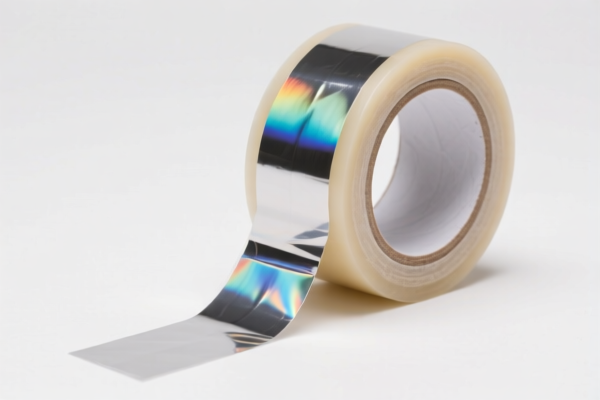
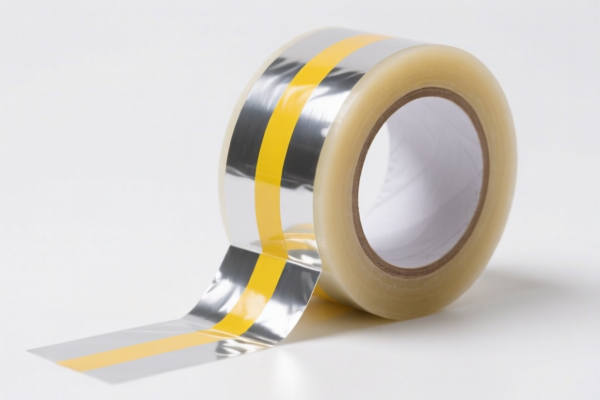
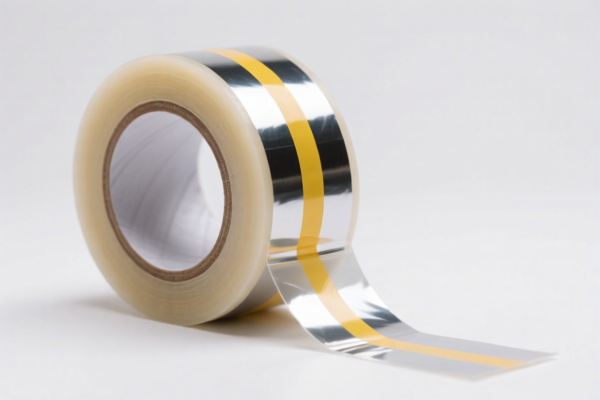
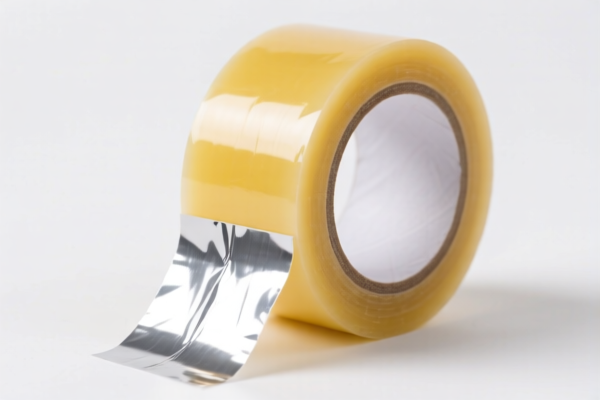
AI分析
🎨 Self-Adhesive Reflective Plastic Tape (Self-adhesive Reflective Board/Film)
🌐 HS Code Reference & Customs Clearance Guide | 2026 Latest Tariff Analysis | Professional Customs Strategy
📌 I. Product Definition & Classification: Do You Really Understand "Reflective Tape"?
"Self-adhesive Reflective Plastic Tape" (often referred to in trade as reflective sheets, films, or boards) is a composite material widely used in traffic signs, safety markings, and industrial identification. In international trade, its classification hinges on two critical factors: Material (Plastic vs. Glass) and Form (Flexible Roll/Film vs. Rigid Board).
Key Distinction Points: * Plastic Base (PVC/Polycarbonate/PE): Most common for flexible tapes and films. Usually classified under Chapter 39 (Plastics) or Chapter 94 (Lighting/Signage). * Glass Base: Less common for "tape" format but possible for rigid sheets. Classified under Chapter 70 (Glass). * Function: Is it a raw material (tape/film) or a finished lighting/signage product?
⚠️ Critical Note:
- If it is a flexible plastic film/sheet with self-adhesive backing → Likely 3919.90.10.00.
- If it is a rigid board with permanent light source characteristics → Likely 9405.69.60.00 (Lowest Tax).
- If it is glass-based → Likely 7020.00 (Highest Tax due to Section 301 & 122).
📦 II. HS Code Classification Details (2026 Latest Tariff Authoritative Comparison)
Based on the provided data, here are the five possible HS Codes and their matching logic:
| HS Code | Product Description | Matching Logic (from DATA) | Tax Rate |
|---|---|---|---|
3919.90.10.00 |
Self-adhesive Plastic Plates, Sheets, Film, Foil, Tape & Strip | ✅ Best Fit for "Tape": The term "Self-adhesive" (自粘) matches "self-adhesive plastic sheet/film." "Reflective" aligns with "glass bead reflection surface." Material is reasonably inferred as plastic base. | 41.5% |
9405.69.60.00 |
Lighting Sets, Signage, Nameplates with Permanent Light Source | ✅ Lowest Tax Option: If the "board" is considered a finished "signage/nameplate" with reflective properties acting like a "lighting element," it falls here. Material (plastic/composite) has no conflict. | 15.3% |
7020.00.60.00 |
Other Glass Articles (Reflectors/Plates) | ⚠️ Risk for Glass: If the reflective layer is glass-based (micro-beads on glass substrate) and formed into a specific "reflector" shape. Matches "glass products" category. | 40.0% |
7020.00.40.00 |
Other Glass Articles (Non-specific shapes) | ⚠️ General Glass: If the material is inferred to be glass or glass-coated, and the form is non-specific "other glass product." | 41.6% |
9405.42.84.40 |
Other Lighting Accessories | ⚠️ Fallback Category: Considered a lighting/signage accessory. Contains reflective materials and adhesive backing. "Other" category with no material conflict. | 38.9% |
🔍 Analysis:
-3919.90.10.00is the most technically accurate for a standard "Plastic Tape" based on the name.
-9405.69.60.00offers the lowest tax burden (15.3%) if the product can be argued as a "Signage/Nameplate" rather than just raw tape.
-7020codes carry high risk if the product is NOT made of glass. Misclassification can lead to penalties.
💰 III. 2026 Latest Tariff Rate Breakdown (Including Surtaxes & Policy Add-ons)
✅ Applicable Country: United States (US)
✅ Country of Origin: China (CN)
✅ Effective Date: November 10, 2025 (and subsequent imports)
🎯 1. 3919.90.10.00 – Self-Adhesive Plastic Tape (Most Likely for "Tape")
| Item | Detail |
|---|---|
| Base Tariff | 6.5% (ad valorem) |
| USITC Surtax | +25.0% (Section 301 Tariff) |
| IEEPA Surtax | +10.0% (China/HK specific, effective Nov 2025) |
| Total Tax Rate | 41.5% |
| Calculation | CIF Value × 41.5% |
| De Minimis Eligibility | ❌ No (deny_de_minimis) |
| Legal Basis Path | IEEPA:9903.01.25 → USITC:3919.90.10.00 → FOOTNOTE:9903.88.01 |
📌 Explanation:
- Plastic tapes are subject to significant tariffs. The 25% Section 301 tariff applies to plastic articles from China.
- The additional 10% IEEPA tax further increases the cost.
- Total 41.5% is a high barrier, making cost optimization critical.
🎯 2. 9405.69.60.00 – Signage/Nameplates (Lowest Tax Strategy)
| Item | Detail |
|---|---|
| Base Tariff | 5.3% (ad valorem) |
| USITC Surtax | +0.0% (Exempt from Section 301 in this specific subheading context per DATA) |
| IEEPA Surtax | +10.0% (China/HK specific) |
| Total Tax Rate | 15.3% |
| Calculation | CIF Value × 15.3% |
| De Minimis Eligibility | ❌ No |
| Legal Basis Path | IEEPA:9903.01.25 → USITC:9405.69.60.00 |
📌 Strategy:
- If the product can be marketed as a "Reflective Sign" or "Safety Nameplate" rather than just "Tape," this classification saves ~26.2% in taxes compared to the plastic tape category.
- Key Argument: The product has a "permanent fixed light source" attribute (reflective surface functioning as lighting/signage), fitting Chapter 94.
🎯 3. 7020.00.60.00 & 7020.00.40.00 – Glass Articles (High Risk)
| Item | Detail |
|---|---|
| Base Tariff | 5.0% / 6.6% |
| USITC Surtax | +25.0% |
| 122 Clause Tariff | +10.0% |
| Total Tax Rate | 40.0% / 41.6% |
| Calculation | CIF Value × 40-41.6% |
| De Minimis Eligibility | ❌ No |
⚠️ Warning:
- These codes assume the product is Glass. If your product is Plastic, declaring it under Chapter 70 is misclassification.
- Customs may reject this, leading to audits, fines, and retroactive duties.
- Only use if the reflective layer is explicitly glass (e.g., glass micro-beads embedded in a glass plate).
🛠️ IV. Customs Clearance Practical Advice (Battle-Tested Pitfall Guide)
✅ 1. Document Checklist (Non-Negotiable)
| Document | Required | Explanation |
|---|---|---|
| Product Specification Sheet | ✔️ | Must clearly state: Material (Plastic/PVC/Glass), Form (Roll/Sheet/Rigid), Adhesive Type. |
| Product Photos | ✔️ | Show the back (adhesive layer), front (reflective surface), and any packaging labeling. |
| Composition Analysis | ✔️ | Crucial: Prove if it’s Plastic (Ch 39) or Glass (Ch 70). |
| Intended Use Declaration | ✔️ | Is it for "Road Marking" (Tape) or "Safety Signage" (Board)? This affects Ch 39 vs. Ch 94. |
| Commercial Invoice | ✔️ | Describe as "Reflective Plastic Tape for Safety Marking" or "Reflective Signage Board". |
| Country of Origin Certificate | ✔️ | Required for IEEPA (10%) assessment. |
✅ 2. Classification Strategy (Key Tactics)
🔥 "Material First, Form Second, Function Third!"
| Scenario | Recommended HS Code | Reason | Tax Rate |
|---|---|---|---|
| Flexible Plastic Roll | 3919.90.10.00 |
Standard classification for self-adhesive plastic films/tapes. | 41.5% |
| Rigid Plastic Board for Signs | 9405.69.60.00 |
Argument: "Signage/Nameplate" with reflective surface. | 15.3% (Best Savings) |
| Glass Reflective Plate | 7020.00.60.00 |
Only if material is verified as glass. | 40.0% |
| Unknown/Mixed Material | 9405.42.84.40 |
Fallback for lighting accessories. | 38.9% |
📌 Pro Tip:
- If you sell rolls of tape, stick to3919.90.10.00.
- If you sell pre-cut rigid boards intended for mounting as signs, argue for9405.69.60.00.
- Avoid Chapter 70 unless you have lab reports proving glass content.
✅ 3. Special Cases Handling
| Situation | Handling Advice |
|---|---|
| Plastic vs. Glass Dispute | Provide a material safety data sheet (MSDS) or third-party lab test confirming "PVC/Polycarbonate" to avoid Chapter 70. |
| Small Parts/Packages | Do not split "Tape + Adhesive" into separate items. Declare as one unit. |
| Customs Audit | Be prepared to show the "glass bead" layer is on a plastic film, not glass. |
| IEEPA Exemption | Currently, no broad exemption for these categories from the 10% IEEPA tax. |
🌍 V. Global Market Comparison (2026 Update)
| Market | Recommended HS Code | Est. Total Tax (China Origin) | Key Certification |
|---|---|---|---|
| 🇺🇸 USA | 3919.90.10.00 or 9405.69.60.00 |
15.3% – 41.5% | FTC, CPSC |
| 🇪🇺 EU | 3919.90.90 |
~0-6.5% (No Section 301) | CE, REACH |
| 🇨🇳 China | 3919.90.10.00 |
5-6.5% | CCC (if applicable) |
| 🇯🇵 Japan | 3919.90.90 |
3-6% | JIS |
📌 Conclusion:
- USA is the most tariff-sensitive market for this product.
- EU and Japan do not apply Section 301 tariffs, making them more cost-effective.
- For US exports, classifying as Signage (9405.69.60.00) if possible can save significant costs.
📌 VI. Common Mistakes & Pitfalls (Lessons Learned)
❌ Mistake 1: Calling it "Reflective Glass" when it’s Plastic
👉 Consequence: Customs may accept 7020 but if challenged, you face misclassification penalties. Or, if you claim 3919 but provide glass docs, you face delays.
❌ Mistake 2: Ignoring the IEEPA 10% Surtax
👉 Consequence: Underpaying tax by 10%. US CBP audits will recover this with interest.
❌ Mistake 3: Splitting "Adhesive Tape" into "Tape + Glue"
👉 Consequence: Incorrect classification. Adhesive tape is a single composite good.
❌ Mistake 4: Using Generic Terms like "Reflective Material"
👉 Consequence: CBP will request clarification, causing delays.
✅ Correct Description: "Self-Adhesive Reflective PVC Film, for Safety Signage, Roll Form, 1mm Thickness"
🎯 VII. Conclusion: Strategic Classification for Cost Efficiency
🎯 Key Takeaway:
🔹 "Plastic Tape = 41.5% | Reflective Sign = 15.3%"
🔹 Material Proof is King: Always have lab reports ready.
🔹 IEEPA 10% is Mandatory: Budget for this extra cost regardless of HS Code.📌 Final Advice:
If your product is rigid and intended for permanent mounting as a sign, push for9405.69.60.00.
If it is flexible roll stock, accept3919.90.10.00but ensure accurate description to avoid Chapter 70 misclassification.
📣 Immediate Action:
📞 Request a Pre-Ruling from US CBP if shipping high volume.
📄 Attach Material Test Reports to every shipment to clarify Plastic vs. Glass.
💰 Calculate Landed Cost with 41.5% (Tape) vs. 15.3% (Signage) to optimize pricing strategy.
✨ Professional Clearance Starts with Accurate Classification!
💼 Every Percentage Point Saved is Pure Profit!
用户评价
关于 HS 编码归类
协调制度(HS)是由世界海关组织(WCO)制定的国际贸易商品分类标准。全球 200 多个国家采用 HS 系统作为海关关税、贸易统计和进出口监管的基础。
每个 HS 编码遵循以下层级结构:
- 章(2 位)——商品大类(例如:第 84 章:机器和机械设备)
- 品目(4 位)——章内的更具体分类
- 子目(6 位)——国际通用细分,所有 WCO 成员国统一使用
- 本国细分(8-10 位)——各国自行扩展的细分编码,如美国 HTSUS 10 位编码
正确的 HS 编码归类对于顺利通关、准确缴纳关税和遵守贸易法规至关重要。错误归类可能导致海关延误、多缴关税或罚款。
从CN进口到US时,适用的关税税率可能包括:
- 最惠国(MFN)税率——适用于 WTO 成员国的标准关税税率
- 普通税率——适用于无贸易协定国家
- 贸易救济关税——附加关税,如 301 条款(反倾销)、232 条款(国家安全)或反补贴税
本页内容仅供参考。如需正式归类,请咨询当地海关或持牌报关代理。