Self adhesive Reflective Plastic Tape
CN → US| HS Code | Tariff Rate | Origin | Destination | Doc |
|---|---|---|---|---|
| 7020006000 | 40.0% | CN | US | Official Doc |
| 7020004000 | 41.6% | CN | US | Official Doc |
| 3919901000 | 41.5% | CN | US | Official Doc |
| 9405696000 | 15.3% | CN | US | Official Doc |
| 9405428440 | 38.9% | CN | US | Official Doc |
Product Images
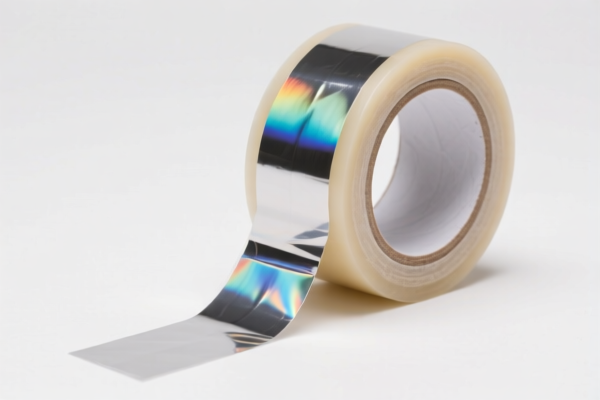
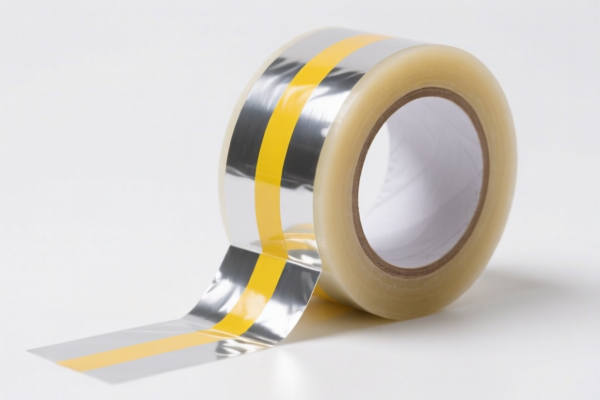
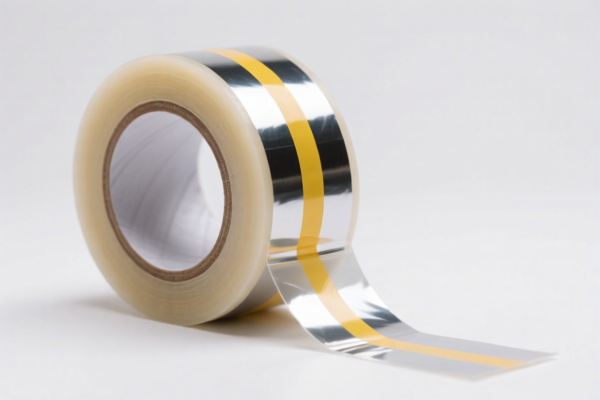
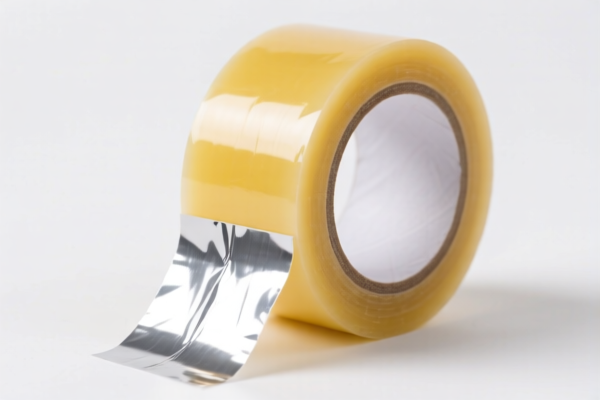
AI Analysis
🎨 Self-Adhesive Reflective Plastic Tape (Self-adhesive Reflective Board/Film)
🌐 HS Code Reference & Customs Clearance Guide | 2026 Latest Tariff Analysis | Professional Customs Strategy
📌 I. Product Definition & Classification: Do You Really Understand "Reflective Tape"?
"Self-adhesive Reflective Plastic Tape" (often referred to in trade as reflective sheets, films, or boards) is a composite material widely used in traffic signs, safety markings, and industrial identification. In international trade, its classification hinges on two critical factors: Material (Plastic vs. Glass) and Form (Flexible Roll/Film vs. Rigid Board).
Key Distinction Points: * Plastic Base (PVC/Polycarbonate/PE): Most common for flexible tapes and films. Usually classified under Chapter 39 (Plastics) or Chapter 94 (Lighting/Signage). * Glass Base: Less common for "tape" format but possible for rigid sheets. Classified under Chapter 70 (Glass). * Function: Is it a raw material (tape/film) or a finished lighting/signage product?
⚠️ Critical Note:
- If it is a flexible plastic film/sheet with self-adhesive backing → Likely 3919.90.10.00.
- If it is a rigid board with permanent light source characteristics → Likely 9405.69.60.00 (Lowest Tax).
- If it is glass-based → Likely 7020.00 (Highest Tax due to Section 301 & 122).
📦 II. HS Code Classification Details (2026 Latest Tariff Authoritative Comparison)
Based on the provided data, here are the five possible HS Codes and their matching logic:
| HS Code | Product Description | Matching Logic (from DATA) | Tax Rate |
|---|---|---|---|
3919.90.10.00 |
Self-adhesive Plastic Plates, Sheets, Film, Foil, Tape & Strip | ✅ Best Fit for "Tape": The term "Self-adhesive" (自粘) matches "self-adhesive plastic sheet/film." "Reflective" aligns with "glass bead reflection surface." Material is reasonably inferred as plastic base. | 41.5% |
9405.69.60.00 |
Lighting Sets, Signage, Nameplates with Permanent Light Source | ✅ Lowest Tax Option: If the "board" is considered a finished "signage/nameplate" with reflective properties acting like a "lighting element," it falls here. Material (plastic/composite) has no conflict. | 15.3% |
7020.00.60.00 |
Other Glass Articles (Reflectors/Plates) | ⚠️ Risk for Glass: If the reflective layer is glass-based (micro-beads on glass substrate) and formed into a specific "reflector" shape. Matches "glass products" category. | 40.0% |
7020.00.40.00 |
Other Glass Articles (Non-specific shapes) | ⚠️ General Glass: If the material is inferred to be glass or glass-coated, and the form is non-specific "other glass product." | 41.6% |
9405.42.84.40 |
Other Lighting Accessories | ⚠️ Fallback Category: Considered a lighting/signage accessory. Contains reflective materials and adhesive backing. "Other" category with no material conflict. | 38.9% |
🔍 Analysis:
-3919.90.10.00is the most technically accurate for a standard "Plastic Tape" based on the name.
-9405.69.60.00offers the lowest tax burden (15.3%) if the product can be argued as a "Signage/Nameplate" rather than just raw tape.
-7020codes carry high risk if the product is NOT made of glass. Misclassification can lead to penalties.
💰 III. 2026 Latest Tariff Rate Breakdown (Including Surtaxes & Policy Add-ons)
✅ Applicable Country: United States (US)
✅ Country of Origin: China (CN)
✅ Effective Date: November 10, 2025 (and subsequent imports)
🎯 1. 3919.90.10.00 – Self-Adhesive Plastic Tape (Most Likely for "Tape")
| Item | Detail |
|---|---|
| Base Tariff | 6.5% (ad valorem) |
| USITC Surtax | +25.0% (Section 301 Tariff) |
| IEEPA Surtax | +10.0% (China/HK specific, effective Nov 2025) |
| Total Tax Rate | 41.5% |
| Calculation | CIF Value × 41.5% |
| De Minimis Eligibility | ❌ No (deny_de_minimis) |
| Legal Basis Path | IEEPA:9903.01.25 → USITC:3919.90.10.00 → FOOTNOTE:9903.88.01 |
📌 Explanation:
- Plastic tapes are subject to significant tariffs. The 25% Section 301 tariff applies to plastic articles from China.
- The additional 10% IEEPA tax further increases the cost.
- Total 41.5% is a high barrier, making cost optimization critical.
🎯 2. 9405.69.60.00 – Signage/Nameplates (Lowest Tax Strategy)
| Item | Detail |
|---|---|
| Base Tariff | 5.3% (ad valorem) |
| USITC Surtax | +0.0% (Exempt from Section 301 in this specific subheading context per DATA) |
| IEEPA Surtax | +10.0% (China/HK specific) |
| Total Tax Rate | 15.3% |
| Calculation | CIF Value × 15.3% |
| De Minimis Eligibility | ❌ No |
| Legal Basis Path | IEEPA:9903.01.25 → USITC:9405.69.60.00 |
📌 Strategy:
- If the product can be marketed as a "Reflective Sign" or "Safety Nameplate" rather than just "Tape," this classification saves ~26.2% in taxes compared to the plastic tape category.
- Key Argument: The product has a "permanent fixed light source" attribute (reflective surface functioning as lighting/signage), fitting Chapter 94.
🎯 3. 7020.00.60.00 & 7020.00.40.00 – Glass Articles (High Risk)
| Item | Detail |
|---|---|
| Base Tariff | 5.0% / 6.6% |
| USITC Surtax | +25.0% |
| 122 Clause Tariff | +10.0% |
| Total Tax Rate | 40.0% / 41.6% |
| Calculation | CIF Value × 40-41.6% |
| De Minimis Eligibility | ❌ No |
⚠️ Warning:
- These codes assume the product is Glass. If your product is Plastic, declaring it under Chapter 70 is misclassification.
- Customs may reject this, leading to audits, fines, and retroactive duties.
- Only use if the reflective layer is explicitly glass (e.g., glass micro-beads embedded in a glass plate).
🛠️ IV. Customs Clearance Practical Advice (Battle-Tested Pitfall Guide)
✅ 1. Document Checklist (Non-Negotiable)
| Document | Required | Explanation |
|---|---|---|
| Product Specification Sheet | ✔️ | Must clearly state: Material (Plastic/PVC/Glass), Form (Roll/Sheet/Rigid), Adhesive Type. |
| Product Photos | ✔️ | Show the back (adhesive layer), front (reflective surface), and any packaging labeling. |
| Composition Analysis | ✔️ | Crucial: Prove if it’s Plastic (Ch 39) or Glass (Ch 70). |
| Intended Use Declaration | ✔️ | Is it for "Road Marking" (Tape) or "Safety Signage" (Board)? This affects Ch 39 vs. Ch 94. |
| Commercial Invoice | ✔️ | Describe as "Reflective Plastic Tape for Safety Marking" or "Reflective Signage Board". |
| Country of Origin Certificate | ✔️ | Required for IEEPA (10%) assessment. |
✅ 2. Classification Strategy (Key Tactics)
🔥 "Material First, Form Second, Function Third!"
| Scenario | Recommended HS Code | Reason | Tax Rate |
|---|---|---|---|
| Flexible Plastic Roll | 3919.90.10.00 |
Standard classification for self-adhesive plastic films/tapes. | 41.5% |
| Rigid Plastic Board for Signs | 9405.69.60.00 |
Argument: "Signage/Nameplate" with reflective surface. | 15.3% (Best Savings) |
| Glass Reflective Plate | 7020.00.60.00 |
Only if material is verified as glass. | 40.0% |
| Unknown/Mixed Material | 9405.42.84.40 |
Fallback for lighting accessories. | 38.9% |
📌 Pro Tip:
- If you sell rolls of tape, stick to3919.90.10.00.
- If you sell pre-cut rigid boards intended for mounting as signs, argue for9405.69.60.00.
- Avoid Chapter 70 unless you have lab reports proving glass content.
✅ 3. Special Cases Handling
| Situation | Handling Advice |
|---|---|
| Plastic vs. Glass Dispute | Provide a material safety data sheet (MSDS) or third-party lab test confirming "PVC/Polycarbonate" to avoid Chapter 70. |
| Small Parts/Packages | Do not split "Tape + Adhesive" into separate items. Declare as one unit. |
| Customs Audit | Be prepared to show the "glass bead" layer is on a plastic film, not glass. |
| IEEPA Exemption | Currently, no broad exemption for these categories from the 10% IEEPA tax. |
🌍 V. Global Market Comparison (2026 Update)
| Market | Recommended HS Code | Est. Total Tax (China Origin) | Key Certification |
|---|---|---|---|
| 🇺🇸 USA | 3919.90.10.00 or 9405.69.60.00 |
15.3% – 41.5% | FTC, CPSC |
| 🇪🇺 EU | 3919.90.90 |
~0-6.5% (No Section 301) | CE, REACH |
| 🇨🇳 China | 3919.90.10.00 |
5-6.5% | CCC (if applicable) |
| 🇯🇵 Japan | 3919.90.90 |
3-6% | JIS |
📌 Conclusion:
- USA is the most tariff-sensitive market for this product.
- EU and Japan do not apply Section 301 tariffs, making them more cost-effective.
- For US exports, classifying as Signage (9405.69.60.00) if possible can save significant costs.
📌 VI. Common Mistakes & Pitfalls (Lessons Learned)
❌ Mistake 1: Calling it "Reflective Glass" when it’s Plastic
👉 Consequence: Customs may accept 7020 but if challenged, you face misclassification penalties. Or, if you claim 3919 but provide glass docs, you face delays.
❌ Mistake 2: Ignoring the IEEPA 10% Surtax
👉 Consequence: Underpaying tax by 10%. US CBP audits will recover this with interest.
❌ Mistake 3: Splitting "Adhesive Tape" into "Tape + Glue"
👉 Consequence: Incorrect classification. Adhesive tape is a single composite good.
❌ Mistake 4: Using Generic Terms like "Reflective Material"
👉 Consequence: CBP will request clarification, causing delays.
✅ Correct Description: "Self-Adhesive Reflective PVC Film, for Safety Signage, Roll Form, 1mm Thickness"
🎯 VII. Conclusion: Strategic Classification for Cost Efficiency
🎯 Key Takeaway:
🔹 "Plastic Tape = 41.5% | Reflective Sign = 15.3%"
🔹 Material Proof is King: Always have lab reports ready.
🔹 IEEPA 10% is Mandatory: Budget for this extra cost regardless of HS Code.📌 Final Advice:
If your product is rigid and intended for permanent mounting as a sign, push for9405.69.60.00.
If it is flexible roll stock, accept3919.90.10.00but ensure accurate description to avoid Chapter 70 misclassification.
📣 Immediate Action:
📞 Request a Pre-Ruling from US CBP if shipping high volume.
📄 Attach Material Test Reports to every shipment to clarify Plastic vs. Glass.
💰 Calculate Landed Cost with 41.5% (Tape) vs. 15.3% (Signage) to optimize pricing strategy.
✨ Professional Clearance Starts with Accurate Classification!
💼 Every Percentage Point Saved is Pure Profit!
Customer Reviews
About HS Code Classification
The Harmonized System (HS) is an internationally standardized nomenclature developed by the World Customs Organization (WCO) to classify traded products. Over 200 countries use the HS system as the basis for customs tariffs, trade statistics, and import/export regulations.
Each HS code follows a hierarchical structure:
- Chapter (2 digits) — Broad category of goods (e.g., Chapter 84: Machinery and Mechanical Appliances)
- Heading (4 digits) — More specific grouping within the chapter
- Subheading (6 digits) — Internationally standardized breakdown, used by all WCO member countries
- National subdivisions (8-10 digits) — Country-specific extensions for further classification, such as US HTSUS 10-digit codes
Correct HS code classification is essential for smooth customs clearance, accurate duty payment, and compliance with trade regulations. Misclassification can lead to customs delays, overpayment of duties, or penalties.
When importing from CN to US, the applicable tariff rates may include:
- Most-Favored-Nation (MFN) rate — The standard duty rate applied to WTO members
- General rate — Applied to countries without trade agreements
- Trade remedy duties — Additional tariffs such as Section 301 (anti-dumping), Section 232 (national security), or countervailing duties
The information provided on this page is for reference purposes only. For official classification, please consult with your local customs authority or a licensed customs broker.