Semi Diesel Hybrid Luxury Sedan
CN → US| HS编码 | 关税税率 | 原产国 | 目的国 | 文档 |
|---|---|---|---|---|
| 8707100020 | 37.5% | CN | US | 官方文档 |
| 8703400030 | 37.5% | CN | US | 官方文档 |
| 8703600030 | 112.5% | CN | US | 官方文档 |
商品图片
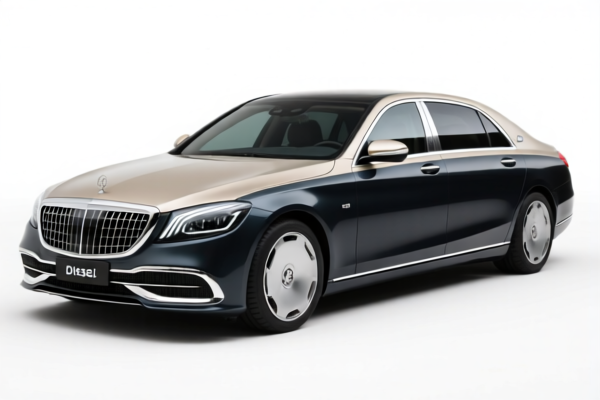
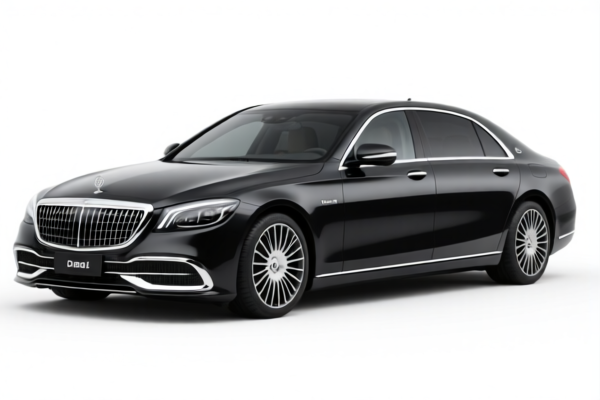
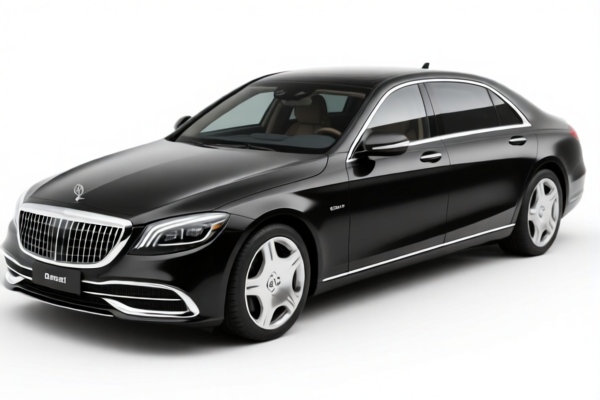
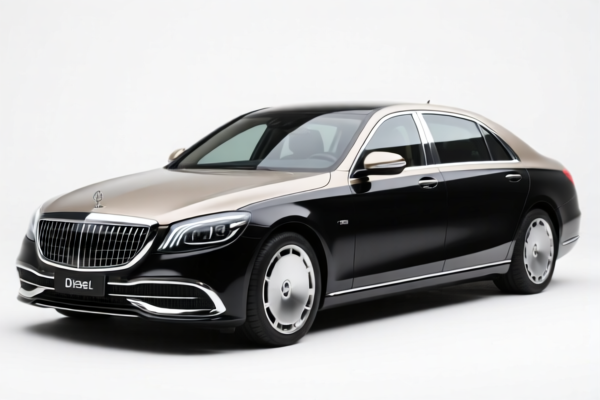
AI分析
🚗 Semi-Diesel Hybrid Luxury Sedan
🌐 HS Code Reference & Customs Clearance Guide | 2026 Latest Tariff Analysis | Professional Clearance Strategy
📌 I. Product Definition & Classification: Do You Truly Understand "Semi-Diesel Hybrid Luxury Sedan"?
A Semi-Diesel Hybrid Luxury Sedan is a high-end passenger vehicle that combines an internal combustion engine (specifically a diesel engine) with an electric propulsion system. In international trade, its classification hinges on two critical factors:
1. Hybridization Status: Is it a "Self-Charging Hybrid" (HEV) or a "Plug-in Hybrid" (PHEV)?
2. Body Type vs. Propulsion: Does the hybrid nature conflict with the body classification rules?
⚠️ Key Distinction Point:
- If it is a standard hybrid (not plug-in) used for passenger transport, it may fall under specific "Other Motor Vehicles" categories or conflict with body classifications.
- If it is a Plug-in Hybrid Electric Vehicle (PHEV), it is strictly classified based on its electric charging capability, triggering significantly higher tariffs due to trade policies.
📦 II. HS Code Classification Details (2026 Latest Tariff Authority Comparison)
| HS Code | Product Description | Application Scenario | Tax Rate (China Origin to US) |
|---|---|---|---|
8707.10.00.20 |
Hybrid Luxury Sedan, matched with passenger car use; hybridization does not conflict with body classification. | Standard HEV luxury sedan; classified primarily by body type. | 37.5% |
8703.40.00.30 |
Hybrid Luxury Sedan, consistent power type, used for载人 (carrying persons) and classified as a finished consumer good. | Conventional hybrid vehicles for passenger transport. | 37.5% |
8703.60.00.30 |
Hybrid Luxury Sedan, meets characteristics of Plug-in Hybrid (PHEV), used for transporting personnel. | PHEV Luxury Sedan (can be charged externally). | 112.5% |
🔍 Important Reminder:
- Non-Plug-in Hybrids (8707/8703.40) are taxed at 37.5%.
- Plug-in Hybrids (8703.60) are taxed at a punitive rate of 112.5%.
- Misclassifying a PHEV as a standard hybrid can lead to severe penalties and back-taxes.
💰 III. 2026 Latest Tariff Rate Detailed Explanation (Including Surtaxes & Policy Add-ons)
✅ Applicable Country: United States (US)
✅ Country of Origin: China (CN)
✅ Effective Date: Ongoing (including subsequent imports)
🎯 1. 8707.10.00.20 —— Hybrid Luxury Sedan (Non-Plug-in, Body Classification Focus)
| Item | Content |
|---|---|
| Base Tariff | 2.5% (ad valorem) |
| Section 301 Surcharge | 25.0% |
| Section 122 Tariff | 10.0% (Specific provision for certain hybrid/passenger vehicles under specific conditions) |
| Total Tariff | 37.5% |
| Tax Calculation | CIF Value × 37.5% |
| De Minimis Eligibility | ❌ No (Dealership/Commercial Import) |
| Legal Basis Path | USITC:8707.10.00.20 → Section 301: Footnote 9903.88.01 → Section 122: Specific Provision |
📌 Explanation:
- The 2.5% base rate applies to general passenger vehicles.
- The 25% Section 301 surcharge is applied to all Chinese-origin passenger vehicles.
- The 10% Section 122 tariff is a specific add-on for certain hybrid configurations that do not fall under the strict PHEV definition but are still subject to specific trade restrictions.
- Total 37.5% is significant but substantially lower than PHEV rates.
🎯 2. 8703.40.00.30 —— Hybrid Luxury Sedan (Passenger Use, Finished Consumer Good)
| Item | Content |
|---|---|
| Base Tariff | 2.5% |
| Section 301 Surcharge | 25.0% |
| Section 122 Tariff | 10.0% |
| Total Tariff | 37.5% |
| Tax Calculation | CIF Value × 37.5% |
| De Minimis Eligibility | ❌ No |
| Legal Basis Path | USITC:8703.40.00.30 → Section 301: Footnote 9903.88.01 → Section 122: Specific Provision |
📌 Note:
- This code applies to hybrids that are clearly defined as finished consumer goods for passenger use.
- The tariff structure is identical to8707.10.00.20.
- Key is ensuring the vehicle is not classified as "Plug-in" under8703.60.
🎯 3. 8703.60.00.30 —— Plug-in Hybrid Luxury Sedan (PHEV)
| Item | Content |
|---|---|
| Base Tariff | 2.5% |
| Section 301 Surcharge | 100.0% (Aggressive punitive rate for PHEVs) |
| Section 122 Tariff | 10.0% |
| Total Tariff | 112.5% |
| Tax Calculation | CIF Value × 112.5% |
| De Minimis Eligibility | ❌ No |
| Legal Basis Path | USITC:8703.60.00.30 → Section 301: Footnote 9903.88.01 (High Tier) → Section 122: Specific Provision |
📌 Critical Warning:
- The 100% Section 301 surcharge is specifically targeted at Plug-in Hybrid Electric Vehicles (PHEVs) from China.
- This rate is extremely prohibitive. Importers must verify if the vehicle can be charged via an external source. If yes, it is a PHEV.
- Total 112.5% makes this category virtually unprofitable for standard imports without exemption strategies.
🛠️ IV. Customs Clearance Practical Advice (Battle-Tested Pitfall Avoidance)
✅ 1. Documentation Checklist (All Mandatory)
| Document | Required | Explanation |
|---|---|---|
| ✅ Vehicle Specification Sheet | ✔️ | Must clearly state: Engine Type (Diesel Hybrid), Power Source, and Charging Method (Internal Only vs. External Plug). |
| ✅ Battery & Motor Diagram | ✔️ | To prove whether it is a "Self-Charging Hybrid" (HEV) or "Plug-in" (PHEV). |
| ✅ Product Photos (Including VIN Plate) | ✔️ | Clear view of model, brand, and charging port (if any). |
| ✅ Third-Party Test Report | ✔️ | EPA Certification, CAFE Compliance, or equivalent emissions/efficiency data. |
| ✅ Commercial Invoice | ✔️ | Must specify "Luxury Sedan, Diesel Hybrid, Non-Plug-in" or "Plug-in" as applicable. |
| ✅ Certificate of Origin (CO) | ✔️ | Essential for verifying China origin to apply surcharges. |
| ✅ Packing List | ✔️ | Detailing parts vs. whole vehicle status. |
✅ 2. Declaration Techniques (Key Mantra)
🔥 "HEV 37.5%, PHEV 112.5%! Define Charging, Avoid Disaster!"
| Scenario | Correct Declaration | Wrong Practice |
|---|---|---|
| Standard Hybrid (No External Plug) | 8707.10.00.20 or 8703.40.00.30 |
Misclassifying as PHEV → 112.5% |
| Plug-in Hybrid (Has External Port) | 8703.60.00.30 |
Misclassifying as Standard Hybrid → 37.5% (Penalty Risk) |
| Diesel Engine Specifics | Clearly state "Diesel Hybrid" in description | Vague "Hybrid Car" → Classification Dispute |
| Luxury Classification | Ensure VIN and Model match Luxury Tier | Under-declaring value → Fraud Risk |
✅ 3. Special Case Handling
| Situation | Handling Advice |
|---|---|
| Semi-Diesel Ambiguity | If the engine is diesel but hybridized, ensure it doesn't fall under "Diesel Passenger Vehicles" with higher base rates. The hybrid classification usually takes precedence if it meets HEV/PHEV definitions. |
| Dual-Mode Vehicles | If the car can operate purely on electricity for >50km, it is likely a PHEV → 8703.60. |
| OEM Customization | Provide client contracts and design specs to prove intended use (Passenger vs. Commercial). |
| Value-Added Components | If imported with aftermarket charging kits, declare as PHEV if the kit enables external charging. |
🌍 V. Global Main Market Clearance Comparison (2026 Latest)
| Country/Region | Recommended HS Code | Tariff (China Origin) | Certification Requirements | Notes |
|---|---|---|---|---|
| 🇺🇸 USA | 8703.60.00.30 (PHEV) |
112.5% | EPA + DOT + CARB (if CA) | Highest Tariff Market |
| 🇺🇸 USA | 8707.10.00.20 (HEV) |
37.5% | EPA + DOT | More Favorable for Non-PHEV |
| 🇨🇳 China | 8703.60.00.30 |
15% (Import) + VAT 13% | CCC + NEV Credit | Domestic production preferred |
| 🇪🇺 EU | 8703.60.00.30 |
10% (Base) | CE + WVTA | No Section 301-style surcharge |
| 🇦🇺 Australia | 8703.60.00.30 |
5% (Base) + GST 10% | RCM + ADR | Competitive but high GST |
📌 Conclusion:
- The US is the most punitive market for Chinese PHEVs.
- Non-Plug-in Hybrids (HEVs) face a moderate 37.5% rate, which is manageable but still costly.
- Strategic Recommendation: If exporting to the US, avoid PHEV classification unless necessary. Ensure technical specifications strictly prevent external charging if claiming HEV status.
📌 VI. Common Errors & Pitfall Avoidance Guide (Lessons Learned)
❌ Error 1: Mislabeling a PHEV as an HEV to save 75% in taxes
👉 Consequence: Customs audit reveals charging port → Back taxes + 25% penalty + seizure risk!
❌ Error 2: Confusing "Diesel Engine" with "Diesel Passenger Vehicle" base rates
👉 Consequence: Incorrect base rate application → Reclassification & delays
❌ Error 3: Ignoring Section 122 Tariff
👉 Consequence: Underpaying by 10% → Interest & fines
❌ Error 4: Using vague descriptions like "Hybrid Car"
👉 Consequence: CBP (Customs and Border Protection) has discretion to assign 8703.60 → 112.5% tax bill
✅ Correct Approach:
"Luxury Sedan, Diesel-Electric Hybrid, Non-Plug-in, Model XYZ, EPA Certified, For Passenger Use Only"
🎯 VII. Conclusion: Precision Classification Saves Millions!
🎯 Remember the Mantra:
🔹 "HEV 37.5%, PHEV 112.5%! Check the Plug, Save the Profit!"
🔹 "HS Code is Destiny, Tax Rate Differs 75%, One Mistake, Bankruptcy!"
📌 Pro Tip:
If your hybrid sedan originates from Vietnam, Mexico, or Thailand, you may qualify for USMCA or other FTA exemptions, reducing the 301 surcharge.
Recommend Advance Ruling (Pre-Ruling) from CBP to confirm HS Code and tax liability before shipment.
📣 Immediate Action:
📞 Contact a Licensed Customs Broker + Provide Technical Specs + Apply for HS Code Advance Ruling
🚀 Ensure your Semi-Diesel Hybrid Luxury Sedan clears US customs efficiently, legally, and profitably!
✨ Professional Clearance Starts with Accurate Classification!
💼 Every cent of your cost deserves precise calculation!
用户评价
关于 HS 编码归类
协调制度(HS)是由世界海关组织(WCO)制定的国际贸易商品分类标准。全球 200 多个国家采用 HS 系统作为海关关税、贸易统计和进出口监管的基础。
每个 HS 编码遵循以下层级结构:
- 章(2 位)——商品大类(例如:第 84 章:机器和机械设备)
- 品目(4 位)——章内的更具体分类
- 子目(6 位)——国际通用细分,所有 WCO 成员国统一使用
- 本国细分(8-10 位)——各国自行扩展的细分编码,如美国 HTSUS 10 位编码
正确的 HS 编码归类对于顺利通关、准确缴纳关税和遵守贸易法规至关重要。错误归类可能导致海关延误、多缴关税或罚款。
从CN进口到US时,适用的关税税率可能包括:
- 最惠国(MFN)税率——适用于 WTO 成员国的标准关税税率
- 普通税率——适用于无贸易协定国家
- 贸易救济关税——附加关税,如 301 条款(反倾销)、232 条款(国家安全)或反补贴税
本页内容仅供参考。如需正式归类,请咨询当地海关或持牌报关代理。