Semi Diesel Hybrid Luxury Touring Car Engine
CN → US| HS编码 | 关税税率 | 原产国 | 目的国 | 文档 |
|---|---|---|---|---|
| 8706001540 | 37.5% | CN | US | 官方文档 |
| 8703500070 | 37.5% | CN | US | 官方文档 |
| 8706001520 | 37.5% | CN | US | 官方文档 |
| 8702206100 | 37.0% | CN | US | 官方文档 |
| 8702206100 | 37.0% | CN | US | 官方文档 |
商品图片
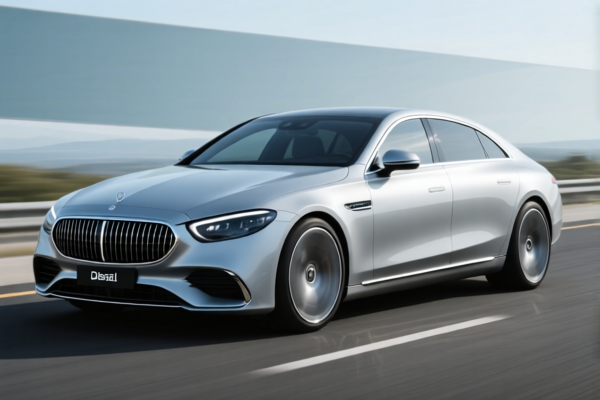
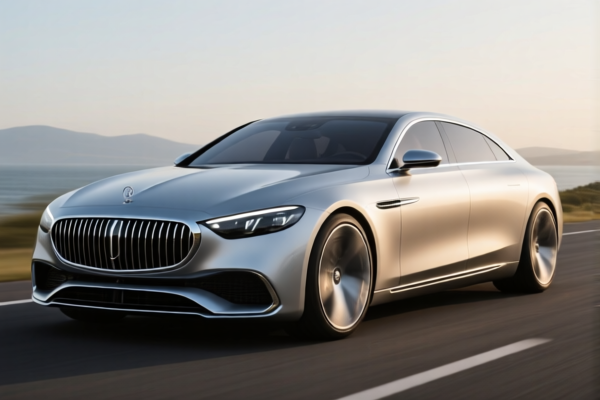
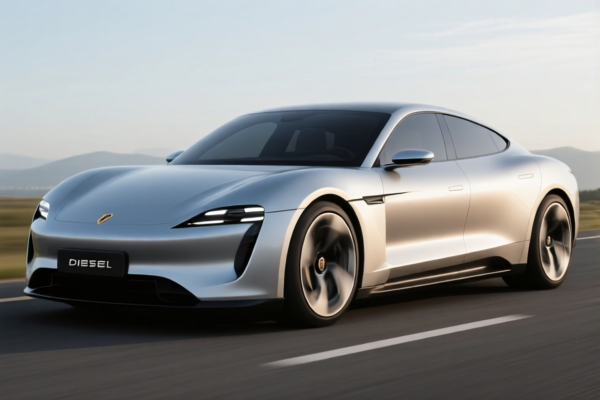
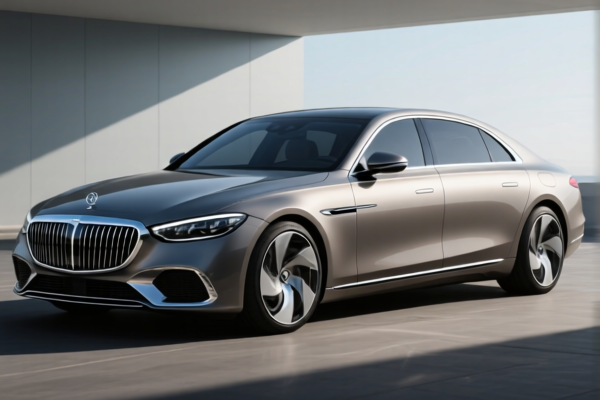
AI分析
🚗 Luxury Touring Car with Semi-Diesel Hybrid Engine
🌐 HS Code Reference & Customs Clearance Guide | 2026 Latest Tariff Analysis | Professional Clearance Strategy
📌 I. Product Definition and Classification: Do You Really Understand the "Touring Car"?
A "Luxury Touring Car with Semi-Diesel Hybrid Engine" typically refers to a vehicle that combines a diesel internal combustion engine with an electric motor (hybrid system) and features a "touring" body style (often a station wagon or estate car variant). In international trade, the classification hinges on two main factors: 1. Propulsion System: Is it purely electric, hybrid, or conventional? The term "Semi-Diesel Hybrid" indicates a non-pure-electric, non-conventional diesel-only powertrain, falling under Chapter 8702 (Vehicles for the transport of persons/goods, primarily by internal combustion piston engine). 2. Body Style & Purpose: Is it a passenger car (8703) or a commercial/special vehicle (8704/8706)? "Touring" usually implies a passenger-carrying vehicle. However, customs interpretations can vary based on seat count, weight, and specific design features.
⚠️ Key Distinction:
- If classified as a Passenger Car (8703): Tax rates depend on engine displacement and hybrid vs. pure electric status.
- If classified as Non-Passenger/Special Purpose (8706): Often subject to different duty structures, potentially higher base tariffs but different supplementary tax treatments.
📦 II. HS Code Classification Details (2026 Latest Tariff Authoritative Comparison)
Based on the provided data, here are the possible classifications for your "Semi Diesel Hybrid Luxury Touring Car":
| HS Code | Product Description | Applicable Scenario | Total Tax Rate | Tax Breakdown |
|---|---|---|---|---|
8706.00.15.40 |
Non-Passenger Vehicle: The item is classified under 8703 but considered a "Touring Car" rather than a standard passenger sedan, fitting the definition of non-passenger automotive category. | Vehicles deemed non-standard passenger cars; luxury touring variants not fitting typical sedan definitions. | 37.5% | Base: 2.5%, Section 301: 25%, Section 122: 10% |
8703.50.00.70 |
Hybrid Passenger Car (Diesel/Electric): Power system matches "compression-ignition internal combustion engine + electric motor hybrid." Displacement > 2500cc fits this code. | Standard passenger cars with hybrid diesel-electric powertrain, engine displacement > 2.5L. | 37.5% | Base: 2.5%, Section 301: 25%, Section 122: 10% |
8706.00.15.20 |
Passenger Use under 8703: Body shape is "Touring Car," purpose is passenger transport, fitting the restriction for vehicles under 8703. | Passenger vehicles with touring body style, intended for personal use. | 37.5% | Base: 2.5%, Section 301: 25%, Section 122: 10% |
8702.20.61.00 |
Semi-Diesel Hybrid Passenger Vehicle: Name indicates "Semi-Diesel Hybrid" power system; touring car as a passenger vehicle matches power configuration. | Vehicles with partial diesel hybrid systems, designed for passenger transport. | 37.0% | Base: 2.0%, Section 301: 25%, Section 122: 10% |
8702.20.61.00 |
High-End Touring Vehicle: Power system matches semi-diesel hybrid features; passenger vehicle purpose aligns with high-end touring category logic. | High-end touring cars with semi-diesel hybrid technology, unspecified passenger count but fits luxury passenger logic. | 37.0% | Base: 2.0%, Section 301: 25%, Section 122: 10% |
🔍 Key Insight:
- The base tariff varies slightly between 2.5% (for 8703/8706 passenger codes) and 2.0% (for 8702 hybrid passenger codes).
- Supplementary Tariffs are consistent:
- Section 301 Tariff: 25% (Standard for Chinese-origin vehicles imported to the US).
- Section 122 Tariff: 10% (Specific additional tariff applied to certain automotive imports).
- Total Effective Tax Rate: Ranges from 37.0% to 37.5%.
💰 III. Detailed Breakdown of 2026 Tariff Rates (Including Supplementary Taxes)
✅ Applicable Country: USA
✅ Origin: China (CN)
✅ Effective Date: Current rates apply for imports post-2025.
🎯 1. HS Code 8703.50.00.70 & 8706.00.15.20 & 8706.00.15.40
Category: Passenger/Non-Passenger Touring Cars with Hybrid Systems
| Item | Content |
|---|---|
| Base MFN Tariff | 2.5% (ad valorem) |
| Section 301 Tariff | +25% (USITC Footnote for Chinese vehicles) |
| Section 122 Tariff | +10% (Specific automotive levy) |
| Total Tax Rate | 37.5% |
| Tax Calculation | CIF Value × 37.5% |
| De Minimis Eligibility | ❌ Not Eligible (Valued > $800, not eligible for de minimis exemption) |
| Legal Basis Path | HTSUS:8703/8706 → USITC:Section 301 → Section 122 |
📌 Explanation:
- The 2.5% base rate applies to most passenger vehicles under Chapter 8703/8706.
- The 25% Section 301 tariff is imposed on all Chinese-origin passenger vehicles to counter unfair trade practices.
- The 10% Section 122 tariff is a specific additional duty on imported vehicles.
- Total 37.5% is a significant cost factor, impacting pricing strategy.
🎯 2. HS Code 8702.20.61.00
Category: Semi-Diesel Hybrid Passenger Vehicles
| Item | Content |
|---|---|
| Base MFN Tariff | 2.0% (ad valorem) |
| Section 301 Tariff | +25% |
| Section 122 Tariff | +10% |
| Total Tax Rate | 37.0% |
| Tax Calculation | CIF Value × 37.0% |
| De Minimis Eligibility | ❌ Not Eligible |
| Legal Basis Path | HTSUS:8702 → USITC:Section 301 → Section 122 |
📌 Note:
- This code offers a 0.5% savings on the base tariff compared to the 8703/8706 categories.
- Applicable if the vehicle is strictly defined as a "hybrid vehicle" under Chapter 8702 rather than a conventional passenger car under 8703.
- Total 37.0% is still a high cost, but marginally better than 37.5%.
🛠️ IV. Practical Customs Clearance Advice (Pitfall Avoidance Guide)
✅ 1. Required Documentation Checklist (Mandatory)
| Document | Mandatory | Explanation |
|---|---|---|
| ✅ Vehicle Specifications | ✔️ | Detailed specs: Engine type (diesel hybrid), displacement, power output, weight, dimensions. |
| ✅ Hybrid System Description | ✔️ | Technical details on how the diesel and electric motors interact (series, parallel, series-parallel). |
| ✅ EPA & DOT Certifications | ✔️ | Environmental Protection Agency (EPA) and Department of Transportation (DOT) compliance certificates are mandatory for vehicle import. |
| ✅ Commercial Invoice | ✔️ | Must clearly state "Semi-Diesel Hybrid Luxury Touring Car," origin, and value. |
| ✅ Bill of Lading/Air Waybill | ✔️ | Standard shipping documents. |
| ✅ Odometer Disclosure Statement | ✔️ | Required for used vehicles (if applicable). |
| ✅ Import Security Filing (ISF) | ✔️ | Must be filed 24 hours before loading on the vessel. |
✅ 2. Declaration Tips (Key Strategies)
🔥 "Declare Hybrid Clearly, Prove Compliance, Avoid Misclassification!"
| Situation | Correct Declaration | Incorrect Practice |
|---|---|---|
| Hybrid Diesel System | Explicitly state "Semi-Diesel Hybrid" and provide technical diagrams. | Simply stating "Diesel Car" or "Hybrid Car" without detail. |
| Touring Body Style | Use "Touring Car" or "Station Wagon" in description, but clarify it is for passenger use. | Calling it a "Commercial Van" if intended for passengers → leads to wrong HS code. |
| Engine Displacement | Clearly state CC or Liters if > 2.5L to justify 8703.50.00.70. |
Omitting displacement → potential reclassification and penalties. |
| Origin | Clearly mark "Made in China" to apply Section 301 tariffs correctly. | Misdeclaring origin to avoid tariffs → severe penalties, seizure. |
✅ 3. Special Case Handling
| Situation | Handling Advice |
|---|---|
| Used vs. New | New vehicles require EPA/DOT certification. Used vehicles have stricter age limits (25+ years for certain exemptions). |
| Left-Hand Drive Only | US market requires LHD vehicles. RHD vehicles may be rejected or require modification. |
| EPA Compliance | Must meet US emissions standards. Non-compliant vehicles cannot be imported for road use. |
| Safety Standards (DOT) | Must meet FMVSS (Federal Motor Vehicle Safety Standards). Non-compliant vehicles may be detained. |
🌍 V. Global Market Comparison (2026 Latest)
| Country/Region | Recommended HS Code | Tariff Rate | Certification Required | Notes |
|---|---|---|---|---|
| 🇺🇸 USA | 8702.20.61.00 / 8703.50.00.70 |
37.0% - 37.5% | EPA + DOT + NHTSA | High tariffs, strict compliance. |
| 🇨🇳 China | 8703 / 8702 |
15% - 25% | CCC | Lower base tariffs, no Section 301. |
| 🇪🇺 EU | 8703 / 8702 |
10% | CE + WVEE | No Section 301, but environmental standards apply. |
| 🇨🇦 Canada | 8702 / 8703 |
6.1% | Transport Canada | Lower tariffs, but CUSMA requirements apply. |
📌 Conclusion:
- USA imposes the highest effective tax rate due to Section 301 and Section 122 tariffs.
- EPA and DOT certifications are non-negotiable for vehicle imports.
- Pre-clearance consultation with a customs broker is highly recommended to avoid delays.
📌 VI. Common Errors & Pitfall Guide (Lessons Learned)
❌ Error 1: Misclassifying as "Commercial Vehicle" to lower tariffs
👉 Consequence: If deemed passenger vehicle, penalties + back taxes. Customs will inspect and reclassify.
❌ Error 2: Ignoring EPA/DOT requirements
👉 Consequence: Vehicle seized at port, demurrage fees, and possible destruction.
❌ Error 3: Ambiguous "Hybrid" description
👉 Consequence: Customs may classify under highest base tariff (8706) → 37.5% vs. 37.0%.
❌ Error 4: Incorrect origin declaration
👉 Consequence: Anti-dumping duties, Section 301 penalties, and blacklisting.
✅ Correct Practice:
"Semi-Diesel Hybrid Luxury Touring Car, Model XYZ, Engine: 3.0L Diesel-Electric Hybrid, EPA Compliant, DOT FMVSS Compliant, Origin: China"
🎯 VII. Conclusion: Professional Clearance for Cost Efficiency
🎯 Remember the Key Points:
🔹 "Hybrid? Say so. Diesel? Specify. Touring? Clarify purpose."
🔹 "EPA & DOT are mandatory. Without them, you don't import."
🔹 "Tariff Savings: 37.0% (8702) vs. 37.5% (8703/8706). Choose wisely."
📌 Pro Tip:
- Pre-Arrival Review Service (PARS): Request a binding ruling from CBP on your HS code and tariff applicability before shipping.
- Supply Chain Strategy: If possible, consider third-country assembly (e.g., Mexico, Vietnam) to mitigate Section 301 tariffs, but ensure substantial transformation rules are met.
📣 Immediate Action:
📞 Contact a Licensed Customs Broker
📄 Prepare EPA & DOT Certifications
🚀 Secure HS Code Pre-Ruling
✨ Professional clearance begins with accurate classification!
💼 Every percentage point matters in global trade!
用户评价
关于 HS 编码归类
协调制度(HS)是由世界海关组织(WCO)制定的国际贸易商品分类标准。全球 200 多个国家采用 HS 系统作为海关关税、贸易统计和进出口监管的基础。
每个 HS 编码遵循以下层级结构:
- 章(2 位)——商品大类(例如:第 84 章:机器和机械设备)
- 品目(4 位)——章内的更具体分类
- 子目(6 位)——国际通用细分,所有 WCO 成员国统一使用
- 本国细分(8-10 位)——各国自行扩展的细分编码,如美国 HTSUS 10 位编码
正确的 HS 编码归类对于顺利通关、准确缴纳关税和遵守贸易法规至关重要。错误归类可能导致海关延误、多缴关税或罚款。
从CN进口到US时,适用的关税税率可能包括:
- 最惠国(MFN)税率——适用于 WTO 成员国的标准关税税率
- 普通税率——适用于无贸易协定国家
- 贸易救济关税——附加关税,如 301 条款(反倾销)、232 条款(国家安全)或反补贴税
本页内容仅供参考。如需正式归类,请咨询当地海关或持牌报关代理。