Semi Diesel Hybrid Luxury Touring Car Engine
CN → US| HS Code | Tariff Rate | Origin | Destination | Doc |
|---|---|---|---|---|
| 8706001540 | 37.5% | CN | US | Official Doc |
| 8703500070 | 37.5% | CN | US | Official Doc |
| 8706001520 | 37.5% | CN | US | Official Doc |
| 8702206100 | 37.0% | CN | US | Official Doc |
| 8702206100 | 37.0% | CN | US | Official Doc |
Product Images
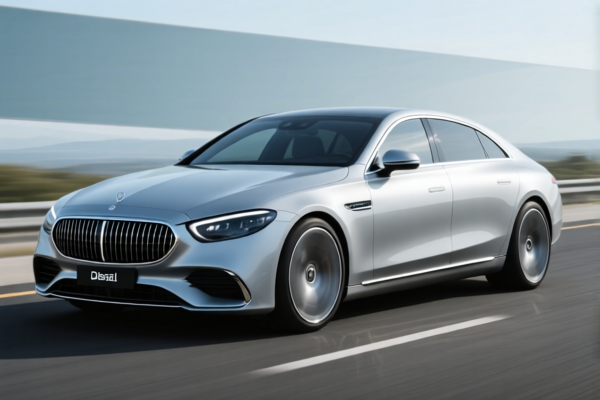
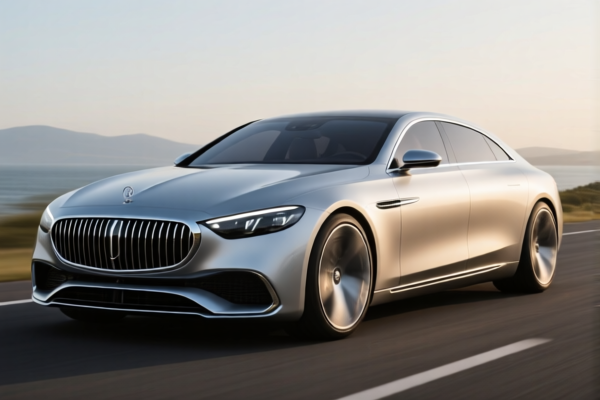
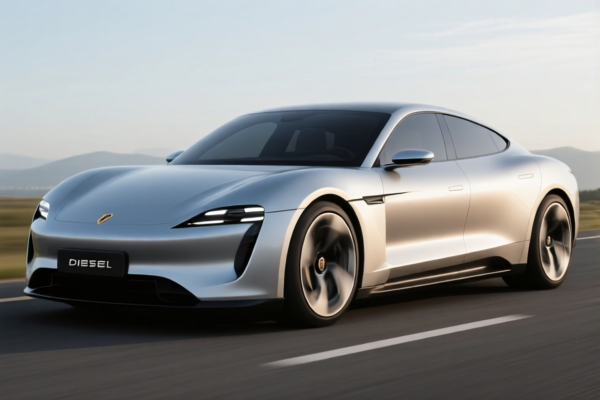
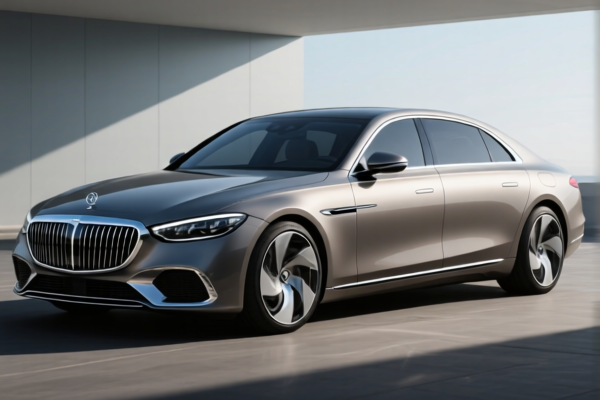
AI Analysis
🚗 Luxury Touring Car with Semi-Diesel Hybrid Engine
🌐 HS Code Reference & Customs Clearance Guide | 2026 Latest Tariff Analysis | Professional Clearance Strategy
📌 I. Product Definition and Classification: Do You Really Understand the "Touring Car"?
A "Luxury Touring Car with Semi-Diesel Hybrid Engine" typically refers to a vehicle that combines a diesel internal combustion engine with an electric motor (hybrid system) and features a "touring" body style (often a station wagon or estate car variant). In international trade, the classification hinges on two main factors: 1. Propulsion System: Is it purely electric, hybrid, or conventional? The term "Semi-Diesel Hybrid" indicates a non-pure-electric, non-conventional diesel-only powertrain, falling under Chapter 8702 (Vehicles for the transport of persons/goods, primarily by internal combustion piston engine). 2. Body Style & Purpose: Is it a passenger car (8703) or a commercial/special vehicle (8704/8706)? "Touring" usually implies a passenger-carrying vehicle. However, customs interpretations can vary based on seat count, weight, and specific design features.
⚠️ Key Distinction:
- If classified as a Passenger Car (8703): Tax rates depend on engine displacement and hybrid vs. pure electric status.
- If classified as Non-Passenger/Special Purpose (8706): Often subject to different duty structures, potentially higher base tariffs but different supplementary tax treatments.
📦 II. HS Code Classification Details (2026 Latest Tariff Authoritative Comparison)
Based on the provided data, here are the possible classifications for your "Semi Diesel Hybrid Luxury Touring Car":
| HS Code | Product Description | Applicable Scenario | Total Tax Rate | Tax Breakdown |
|---|---|---|---|---|
8706.00.15.40 |
Non-Passenger Vehicle: The item is classified under 8703 but considered a "Touring Car" rather than a standard passenger sedan, fitting the definition of non-passenger automotive category. | Vehicles deemed non-standard passenger cars; luxury touring variants not fitting typical sedan definitions. | 37.5% | Base: 2.5%, Section 301: 25%, Section 122: 10% |
8703.50.00.70 |
Hybrid Passenger Car (Diesel/Electric): Power system matches "compression-ignition internal combustion engine + electric motor hybrid." Displacement > 2500cc fits this code. | Standard passenger cars with hybrid diesel-electric powertrain, engine displacement > 2.5L. | 37.5% | Base: 2.5%, Section 301: 25%, Section 122: 10% |
8706.00.15.20 |
Passenger Use under 8703: Body shape is "Touring Car," purpose is passenger transport, fitting the restriction for vehicles under 8703. | Passenger vehicles with touring body style, intended for personal use. | 37.5% | Base: 2.5%, Section 301: 25%, Section 122: 10% |
8702.20.61.00 |
Semi-Diesel Hybrid Passenger Vehicle: Name indicates "Semi-Diesel Hybrid" power system; touring car as a passenger vehicle matches power configuration. | Vehicles with partial diesel hybrid systems, designed for passenger transport. | 37.0% | Base: 2.0%, Section 301: 25%, Section 122: 10% |
8702.20.61.00 |
High-End Touring Vehicle: Power system matches semi-diesel hybrid features; passenger vehicle purpose aligns with high-end touring category logic. | High-end touring cars with semi-diesel hybrid technology, unspecified passenger count but fits luxury passenger logic. | 37.0% | Base: 2.0%, Section 301: 25%, Section 122: 10% |
🔍 Key Insight:
- The base tariff varies slightly between 2.5% (for 8703/8706 passenger codes) and 2.0% (for 8702 hybrid passenger codes).
- Supplementary Tariffs are consistent:
- Section 301 Tariff: 25% (Standard for Chinese-origin vehicles imported to the US).
- Section 122 Tariff: 10% (Specific additional tariff applied to certain automotive imports).
- Total Effective Tax Rate: Ranges from 37.0% to 37.5%.
💰 III. Detailed Breakdown of 2026 Tariff Rates (Including Supplementary Taxes)
✅ Applicable Country: USA
✅ Origin: China (CN)
✅ Effective Date: Current rates apply for imports post-2025.
🎯 1. HS Code 8703.50.00.70 & 8706.00.15.20 & 8706.00.15.40
Category: Passenger/Non-Passenger Touring Cars with Hybrid Systems
| Item | Content |
|---|---|
| Base MFN Tariff | 2.5% (ad valorem) |
| Section 301 Tariff | +25% (USITC Footnote for Chinese vehicles) |
| Section 122 Tariff | +10% (Specific automotive levy) |
| Total Tax Rate | 37.5% |
| Tax Calculation | CIF Value × 37.5% |
| De Minimis Eligibility | ❌ Not Eligible (Valued > $800, not eligible for de minimis exemption) |
| Legal Basis Path | HTSUS:8703/8706 → USITC:Section 301 → Section 122 |
📌 Explanation:
- The 2.5% base rate applies to most passenger vehicles under Chapter 8703/8706.
- The 25% Section 301 tariff is imposed on all Chinese-origin passenger vehicles to counter unfair trade practices.
- The 10% Section 122 tariff is a specific additional duty on imported vehicles.
- Total 37.5% is a significant cost factor, impacting pricing strategy.
🎯 2. HS Code 8702.20.61.00
Category: Semi-Diesel Hybrid Passenger Vehicles
| Item | Content |
|---|---|
| Base MFN Tariff | 2.0% (ad valorem) |
| Section 301 Tariff | +25% |
| Section 122 Tariff | +10% |
| Total Tax Rate | 37.0% |
| Tax Calculation | CIF Value × 37.0% |
| De Minimis Eligibility | ❌ Not Eligible |
| Legal Basis Path | HTSUS:8702 → USITC:Section 301 → Section 122 |
📌 Note:
- This code offers a 0.5% savings on the base tariff compared to the 8703/8706 categories.
- Applicable if the vehicle is strictly defined as a "hybrid vehicle" under Chapter 8702 rather than a conventional passenger car under 8703.
- Total 37.0% is still a high cost, but marginally better than 37.5%.
🛠️ IV. Practical Customs Clearance Advice (Pitfall Avoidance Guide)
✅ 1. Required Documentation Checklist (Mandatory)
| Document | Mandatory | Explanation |
|---|---|---|
| ✅ Vehicle Specifications | ✔️ | Detailed specs: Engine type (diesel hybrid), displacement, power output, weight, dimensions. |
| ✅ Hybrid System Description | ✔️ | Technical details on how the diesel and electric motors interact (series, parallel, series-parallel). |
| ✅ EPA & DOT Certifications | ✔️ | Environmental Protection Agency (EPA) and Department of Transportation (DOT) compliance certificates are mandatory for vehicle import. |
| ✅ Commercial Invoice | ✔️ | Must clearly state "Semi-Diesel Hybrid Luxury Touring Car," origin, and value. |
| ✅ Bill of Lading/Air Waybill | ✔️ | Standard shipping documents. |
| ✅ Odometer Disclosure Statement | ✔️ | Required for used vehicles (if applicable). |
| ✅ Import Security Filing (ISF) | ✔️ | Must be filed 24 hours before loading on the vessel. |
✅ 2. Declaration Tips (Key Strategies)
🔥 "Declare Hybrid Clearly, Prove Compliance, Avoid Misclassification!"
| Situation | Correct Declaration | Incorrect Practice |
|---|---|---|
| Hybrid Diesel System | Explicitly state "Semi-Diesel Hybrid" and provide technical diagrams. | Simply stating "Diesel Car" or "Hybrid Car" without detail. |
| Touring Body Style | Use "Touring Car" or "Station Wagon" in description, but clarify it is for passenger use. | Calling it a "Commercial Van" if intended for passengers → leads to wrong HS code. |
| Engine Displacement | Clearly state CC or Liters if > 2.5L to justify 8703.50.00.70. |
Omitting displacement → potential reclassification and penalties. |
| Origin | Clearly mark "Made in China" to apply Section 301 tariffs correctly. | Misdeclaring origin to avoid tariffs → severe penalties, seizure. |
✅ 3. Special Case Handling
| Situation | Handling Advice |
|---|---|
| Used vs. New | New vehicles require EPA/DOT certification. Used vehicles have stricter age limits (25+ years for certain exemptions). |
| Left-Hand Drive Only | US market requires LHD vehicles. RHD vehicles may be rejected or require modification. |
| EPA Compliance | Must meet US emissions standards. Non-compliant vehicles cannot be imported for road use. |
| Safety Standards (DOT) | Must meet FMVSS (Federal Motor Vehicle Safety Standards). Non-compliant vehicles may be detained. |
🌍 V. Global Market Comparison (2026 Latest)
| Country/Region | Recommended HS Code | Tariff Rate | Certification Required | Notes |
|---|---|---|---|---|
| 🇺🇸 USA | 8702.20.61.00 / 8703.50.00.70 |
37.0% - 37.5% | EPA + DOT + NHTSA | High tariffs, strict compliance. |
| 🇨🇳 China | 8703 / 8702 |
15% - 25% | CCC | Lower base tariffs, no Section 301. |
| 🇪🇺 EU | 8703 / 8702 |
10% | CE + WVEE | No Section 301, but environmental standards apply. |
| 🇨🇦 Canada | 8702 / 8703 |
6.1% | Transport Canada | Lower tariffs, but CUSMA requirements apply. |
📌 Conclusion:
- USA imposes the highest effective tax rate due to Section 301 and Section 122 tariffs.
- EPA and DOT certifications are non-negotiable for vehicle imports.
- Pre-clearance consultation with a customs broker is highly recommended to avoid delays.
📌 VI. Common Errors & Pitfall Guide (Lessons Learned)
❌ Error 1: Misclassifying as "Commercial Vehicle" to lower tariffs
👉 Consequence: If deemed passenger vehicle, penalties + back taxes. Customs will inspect and reclassify.
❌ Error 2: Ignoring EPA/DOT requirements
👉 Consequence: Vehicle seized at port, demurrage fees, and possible destruction.
❌ Error 3: Ambiguous "Hybrid" description
👉 Consequence: Customs may classify under highest base tariff (8706) → 37.5% vs. 37.0%.
❌ Error 4: Incorrect origin declaration
👉 Consequence: Anti-dumping duties, Section 301 penalties, and blacklisting.
✅ Correct Practice:
"Semi-Diesel Hybrid Luxury Touring Car, Model XYZ, Engine: 3.0L Diesel-Electric Hybrid, EPA Compliant, DOT FMVSS Compliant, Origin: China"
🎯 VII. Conclusion: Professional Clearance for Cost Efficiency
🎯 Remember the Key Points:
🔹 "Hybrid? Say so. Diesel? Specify. Touring? Clarify purpose."
🔹 "EPA & DOT are mandatory. Without them, you don't import."
🔹 "Tariff Savings: 37.0% (8702) vs. 37.5% (8703/8706). Choose wisely."
📌 Pro Tip:
- Pre-Arrival Review Service (PARS): Request a binding ruling from CBP on your HS code and tariff applicability before shipping.
- Supply Chain Strategy: If possible, consider third-country assembly (e.g., Mexico, Vietnam) to mitigate Section 301 tariffs, but ensure substantial transformation rules are met.
📣 Immediate Action:
📞 Contact a Licensed Customs Broker
📄 Prepare EPA & DOT Certifications
🚀 Secure HS Code Pre-Ruling
✨ Professional clearance begins with accurate classification!
💼 Every percentage point matters in global trade!
Customer Reviews
About HS Code Classification
The Harmonized System (HS) is an internationally standardized nomenclature developed by the World Customs Organization (WCO) to classify traded products. Over 200 countries use the HS system as the basis for customs tariffs, trade statistics, and import/export regulations.
Each HS code follows a hierarchical structure:
- Chapter (2 digits) — Broad category of goods (e.g., Chapter 84: Machinery and Mechanical Appliances)
- Heading (4 digits) — More specific grouping within the chapter
- Subheading (6 digits) — Internationally standardized breakdown, used by all WCO member countries
- National subdivisions (8-10 digits) — Country-specific extensions for further classification, such as US HTSUS 10-digit codes
Correct HS code classification is essential for smooth customs clearance, accurate duty payment, and compliance with trade regulations. Misclassification can lead to customs delays, overpayment of duties, or penalties.
When importing from CN to US, the applicable tariff rates may include:
- Most-Favored-Nation (MFN) rate — The standard duty rate applied to WTO members
- General rate — Applied to countries without trade agreements
- Trade remedy duties — Additional tariffs such as Section 301 (anti-dumping), Section 232 (national security), or countervailing duties
The information provided on this page is for reference purposes only. For official classification, please consult with your local customs authority or a licensed customs broker.