Semi bleached Sulfate Softwood Pulp
CN → US| HS编码 | 关税税率 | 原产国 | 目的国 | 文档 |
|---|---|---|---|---|
| 4703210020 | 35.0% | CN | US | 官方文档 |
| 4705000000 | 35.0% | CN | US | 官方文档 |
| 4702000040 | 35.0% | CN | US | 官方文档 |
商品图片
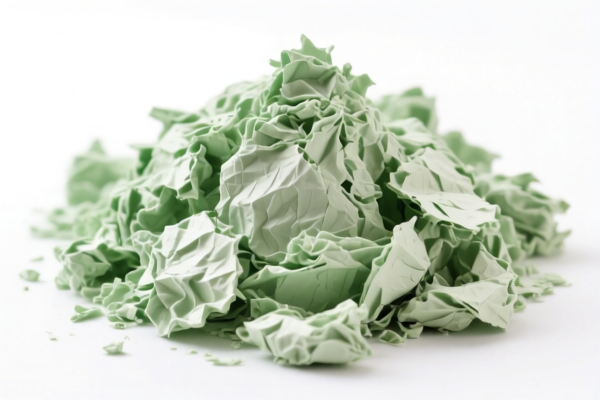
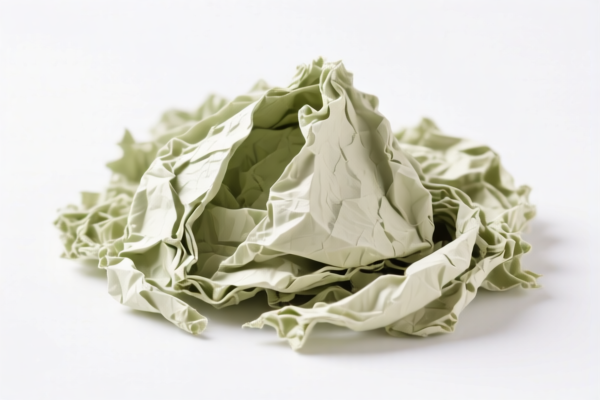
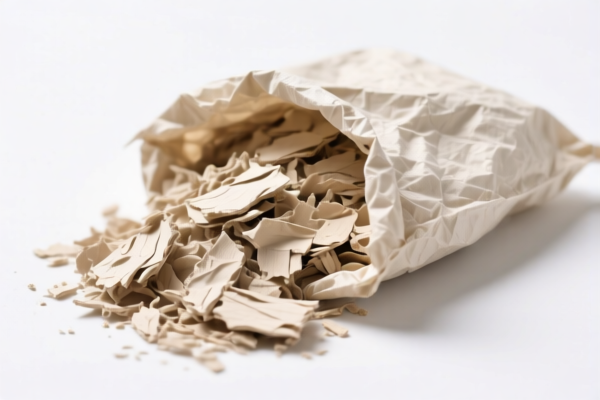
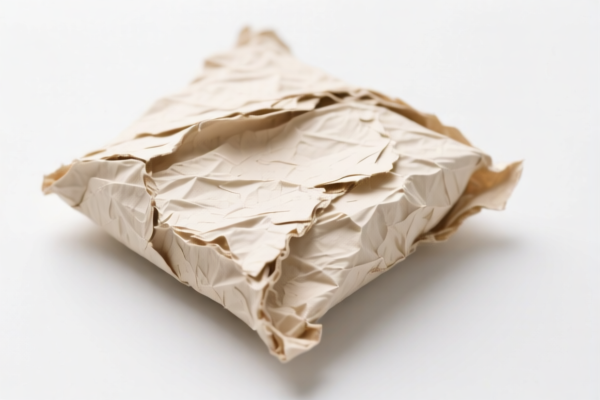
AI分析
🌲 Semi-bleached Sulfate Softwood Pulp (SBSW)
🌐 HS Code Reference & Customs Clearance Guide | 2026 Latest Tariff Analysis | Professional Clearance Strategy
📌 I. Product Definition & Classification: What Exactly is "Semi-bleached Sulfate Softwood Pulp"?
Semi-bleached Sulfate Softwood Pulp (SBSW) is a key raw material in the paper and packaging industry. It is produced primarily from coniferous trees (softwoods) such as pine, spruce, and fir. The production process involves: 1. Chemical Pulping (Sulfate/Kraft Method): Wood chips are cooked in a mixture of sodium hydroxide and sodium sulfide to dissolve lignin. 2. Semi-bleaching: The resulting brown pulp undergoes limited bleaching (usually oxygen delignification or mild chlorine dioxide treatment), giving it a lighter color than unbleached kraft pulp but not as white as fully bleached pulp.
⚠️ Key Distinction:
- Material: Must be Softwood (Coniferous). Hardwood pulp (e.g., eucalyptus, birch) falls under different subheadings (4703.3x).
- Process: Must be Sulfate (Kraft). Soda process (Soda Ash) falls under 4701 or 4703.3x depending on bleaching.
- State: "Semi-bleached" implies it is not fully bleached (4706) nor completely unbleached (4703.90).
📦 II. HS Code Classification Details (2026 Latest Tariff Authority)
| HS Code | Product Description | Application Scenario | Material/Process Match |
|---|---|---|---|
| 4703.21.00.20 | Semi-bleached sulfate softwood pulp; material is coniferous, process is sulfate, semi-bleached state. | Standard SBSW for paper/board manufacturing, high strength requirements. | ✅ Softwood + Sulfate + Semi-bleached |
| 4705.00.00.00 | Semi-bleached sulfate softwood pulp; general classification for semi-bleached sulfate pulp not specified as softwood/hardwood in broader headings. | General SBSW imports where specific softwood designation might be broadened or in specific regional tariff structures. | ✅ Semi-bleached Sulfate Pulp (Broader category) |
| 4702.00.00.40 | Semi-bleached sulfate softwood pulp; sulfate process matches heading 4702/4703 requirements; material is pulp. | Note: 4702 is typically for chemical wood pulp without dissolving properties. If this code is applicable, it implies non-dissolving grade. | ✅ Sulfate Process + Pulp Material |
🔍 Important Reminder:
- 4703.21.00.20 is the most precise match for Softwood sulfate pulp that is semi-bleached.
- 4705.00.00.00 may apply if the specific "softwood" attribute is not separately listed in the destination country's tariff schedule, but generally, softwood has its own subheading (4703.21).
- 4702.00.00.40 is less common for standard SBSW; usually, 4703 covers chemically wood pulp (sulfate/soda). If 4702 is used, ensure the pulp is non-dissolving and the local tariff structure allows it.
- Do not confuse with 4703.3x (Hardwood/Soda) or 4706 (Waste/Scrap pulp).
💰 III. 2026 Latest Tariff Rate Details (Including Surcharges & Policy Surcharges)
✅ Applicable Country: United States (US)
✅ Country of Origin: China (CN)
✅ Effective Date: From November 10, 2025 (including subsequent imports)
🎯 1. 4703.21.00.20 — Semi-bleached Sulfate Softwood Pulp
| Item | Content |
|---|---|
| Base Duty Rate | 0.0% (ad valorem) |
| USITC Surcharge | +25.0% (under Section 301 Trade Act) |
| 122 Clause Tariff | +10.0% (Specific provision for certain wood/pulp products) |
| Total Duty Rate | 35.0% |
| Tax Calculation | CIF Value × 35% |
| De Minimis Exemption | ❌ Not Eligible (deny_de_minimis) |
| Legal Basis Path | USITC:4703.21.00.20 → SECTION_301:9903.88.01 → 122_CLAUSE:SPECIFIC |
📌 Explanation:
- Base Rate (0%): Wood pulp from China generally has 0% MFN base rate.
- Section 301 (25%): Standard surcharge on many Chinese goods, including wood pulp.
- 122 Clause (10%): Specific additional duty applicable to certain pulp products under current trade restrictions.
- Total (35%): High duty burden. Importers must calculate costs accordingly.
🎯 2. 4705.00.00.00 — Semi-bleached Sulfate Softwood Pulp (General)
| Item | Content |
|---|---|
| Base Duty Rate | 0.0% |
| USITC Surcharge | +25.0% |
| 122 Clause Tariff | +10.0% |
| Total Duty Rate | 35.0% |
| Tax Calculation | CIF Value × 35% |
| De Minimis Exemption | ❌ Not Eligible |
| Legal Basis Path | USITC:4705.00.00.00 → SECTION_301:9903.88.01 → 122_CLAUSE:SPECIFIC |
📌 Note:
- Same tariff structure as above. The key is accurate description in commercial invoice.
- "Semi-bleached sulfate pulp" must be clearly stated. Vague descriptions like "wood fiber" may trigger audits.
🎯 3. 4702.00.00.40 — Semi-bleached Sulfate Softwood Pulp (Non-dissolving)
| Item | Content |
|---|---|
| Base Duty Rate | 0.0% |
| USITC Surcharge | +25.0% |
| 122 Clause Tariff | +10.0% |
| Total Duty Rate | 35.0% |
| Tax Calculation | CIF Value × 35% |
| De Minimis Exemption | ❌ Not Eligible |
| Legal Basis Path | USITC:4702.00.00.40 → SECTION_301:9903.88.01 → 122_CLAUSE:SPECIFIC |
📌 Caution:
- Ensure the product is indeed non-dissolving. If it is dissolving pulp, it may fall under a different code with different rates.
- Misclassification can lead to penalties.
🛠️ IV. Customs Clearance Practical Advice (Battle-Tested Pitfall Avoidance)
✅ 1. Required Documentation Checklist (Non-negotiable)
| Document | Must Provide | Description |
|---|---|---|
| ✅ Commercial Invoice | ✔️ | Must specify: "Semi-bleached Sulfate Softwood Pulp", Country of Origin, CIF Value. |
| ✅ Packing List | ✔️ | Detail net/gross weight, number of bags, pallets. |
| ✅ Certificate of Origin (CO) | ✔️ | Critical for verifying China origin and applying correct surcharges. |
| ✅ Product Specification Sheet | ✔️ | Include Kappa number, viscosity, brightness, moisture content. |
| ✅ Bill of Lading (B/L) | ✔️ | Ensure HS Code matches invoice. |
| ✅ Import License (if required) | ✔️ | Check if current quotas apply. |
✅ 2. Declaration Tips (Key Mnemonic)
🔥 "Accurate Description, Correct HS, High Duty Alert!"
| Scenario | Correct Declaration | Wrong Practice |
|---|---|---|
| Softwood Pulp | Specify "Softwood" (Coniferous) | Just "Wood Pulp" → Risk of misclassification |
| Sulfate Process | Specify "Sulfate/Kraft" | "Chemical Pulp" → Too vague |
| Bleaching State | Specify "Semi-bleached" | "Pulp" → Could be unbleached or fully bleached |
| HS Code | 4703.21.00.20 |
4703.90.00.00 (Unbleached) → Wrong duty |
✅ 3. Special Case Handling
| Scenario | Handling Advice |
|---|---|
| Mixed Pulp Shipments | If shipment contains both softwood and hardwood, must split declaration. Softwood (4703.21) vs Hardwood (4703.31) may have different scrutiny. |
| OEM/White Label | Provide manufacturer details. Do not hide origin. |
| High Moisture Content | Ensure invoice reflects Net Weight for duty calculation, not Gross Weight. Customs will verify moisture content. |
| Contamination Risk | Provide phytosanitary certificate if required by destination port to avoid quarantine delays. |
🌍 V. Global Main Market Comparison (2026 Latest)
| Country/Region | Recommended HS Code | Tariff (China Origin) | Certification Requirements | Notes |
|---|---|---|---|---|
| 🇺🇸 USA | 4703.21.00.20 |
35% (0% Base + 25% Sec301 + 10% 122) | None specific for pulp, but CO required | High duty impact. Plan inventory accordingly. |
| 🇨🇳 China | 4703.21.00.20 |
0% - 5% (Varies) | CCC not required for raw pulp | Domestic duty may be lower. |
| 🇪🇺 EU | 4703.21.00.00 |
0% (Standard MFN) | FSC/PEFC certification often required by buyers | No Section 301 equivalent. |
| 🇬🇧 UK | 4703.21.00.00 |
0% | UKCA not required for raw pulp | Post-Brexit rules apply, but often 0% for pulp. |
| 🇦🇺 Australia | 4703.21.00.00 |
5% | Biosecurity declaration required | Moderate duty. |
📌 Conclusion:
- USA has the highest duty burden (35%) due to Section 301 and 122 clauses.
- EU/UK/Australia have significantly lower or zero duties, making them more attractive if supply chain allows.
- Cost Impact: For a $100,000 CIF shipment to the US, expect $35,000 in duties alone.
📌 VI. Common Errors & Pitfall Guide (Blood-Tested Lessons)
❌ Error 1: Declaring as "Unbleached Kraft Pulp" (4703.90)
👉 Consequence: If actually semi-bleached, customs may reclassify and assess additional duties or penalties.
❌ Error 2: Omitting "Softwood" in description
👉 Consequence: Customs may assign a generic code, leading to delays or wrong duty calculation.
❌ Error 3: Ignoring the 122 Clause Tariff
👉 Consequence: Underpayment of 10% → Back taxes + Interest + Penalties.
❌ Error 4: Using "Waste Pulp" (4706) for Semi-bleached Pulp
👉 Consequence: Major misclassification. Waste pulp has different duty rates and environmental regulations. Heavy fines.
✅ Correct Practice:
"Semi-bleached Sulfate Softwood Pulp, Coniferous Origin, Kappa No. < 10, Viscosity XXX cP, 4703.21.00.20, CIF $XXX, Origin: China"
🎯 VII. Conclusion: Professional Declaration, Save Time, Cut Costs!
🎯 Remember the Mnemonic:
🔹 "Softwood + Sulfate + Semi-bleached = 4703.21.00.20"
🔹 "35% Duty for US Imports, Plan Cash Flow Accordingly"
🔹 "Accurate Description Prevents Delays, Vague Leads to Fines"
📌 Tips:
- If your pulp is originally from Russia, Brazil, or Canada, the Section 301 tariff does not apply, potentially reducing duty to 0% + 10% (if 122 clause applies globally) or 0%.
- Always request a Pre-Ruling from US Customs (CBP) if unsure about the specific semi-bleaching level.
- Verify 122 Clause applicability annually as trade policies evolve.
📣 Immediate Action:
📞 Consult with a licensed customs broker + Provide Product Specs + Verify HS Code
🚀 Ensure smooth clearance, avoid unexpected costs, protect your margins!
✨ Professional Customs Clearance Starts with Accurate Classification!
💼 Every cent of duty is accounted for!
用户评价
关于 HS 编码归类
协调制度(HS)是由世界海关组织(WCO)制定的国际贸易商品分类标准。全球 200 多个国家采用 HS 系统作为海关关税、贸易统计和进出口监管的基础。
每个 HS 编码遵循以下层级结构:
- 章(2 位)——商品大类(例如:第 84 章:机器和机械设备)
- 品目(4 位)——章内的更具体分类
- 子目(6 位)——国际通用细分,所有 WCO 成员国统一使用
- 本国细分(8-10 位)——各国自行扩展的细分编码,如美国 HTSUS 10 位编码
正确的 HS 编码归类对于顺利通关、准确缴纳关税和遵守贸易法规至关重要。错误归类可能导致海关延误、多缴关税或罚款。
从CN进口到US时,适用的关税税率可能包括:
- 最惠国(MFN)税率——适用于 WTO 成员国的标准关税税率
- 普通税率——适用于无贸易协定国家
- 贸易救济关税——附加关税,如 301 条款(反倾销)、232 条款(国家安全)或反补贴税
本页内容仅供参考。如需正式归类,请咨询当地海关或持牌报关代理。