Semi bleached Sulfate Softwood Pulp
CN → US| HS Code | Tariff Rate | Origin | Destination | Doc |
|---|---|---|---|---|
| 4703210020 | 35.0% | CN | US | Official Doc |
| 4705000000 | 35.0% | CN | US | Official Doc |
| 4702000040 | 35.0% | CN | US | Official Doc |
Product Images
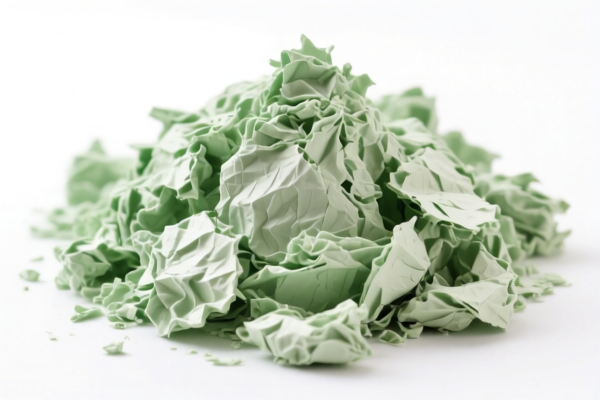
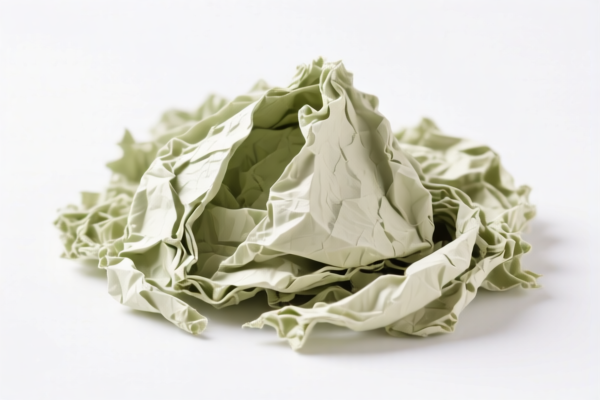
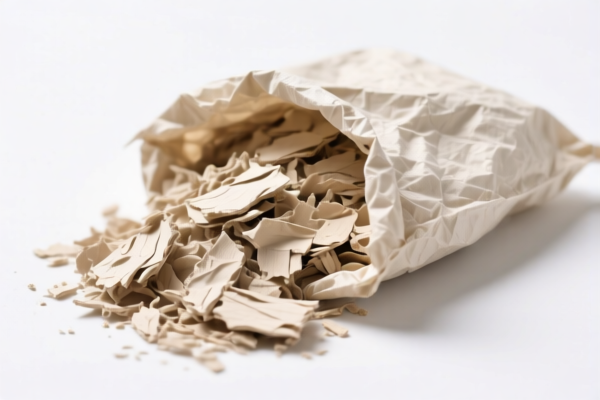
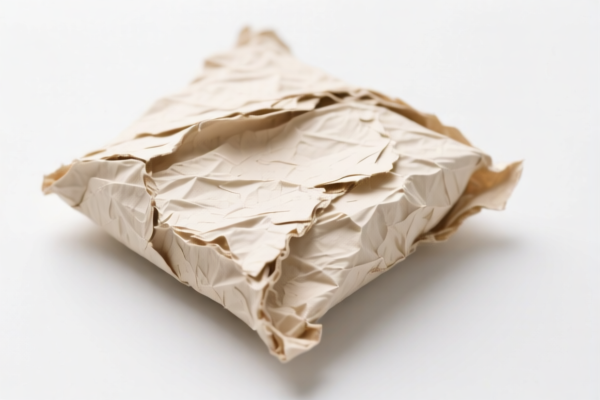
AI Analysis
🌲 Semi-bleached Sulfate Softwood Pulp (SBSW)
🌐 HS Code Reference & Customs Clearance Guide | 2026 Latest Tariff Analysis | Professional Clearance Strategy
📌 I. Product Definition & Classification: What Exactly is "Semi-bleached Sulfate Softwood Pulp"?
Semi-bleached Sulfate Softwood Pulp (SBSW) is a key raw material in the paper and packaging industry. It is produced primarily from coniferous trees (softwoods) such as pine, spruce, and fir. The production process involves: 1. Chemical Pulping (Sulfate/Kraft Method): Wood chips are cooked in a mixture of sodium hydroxide and sodium sulfide to dissolve lignin. 2. Semi-bleaching: The resulting brown pulp undergoes limited bleaching (usually oxygen delignification or mild chlorine dioxide treatment), giving it a lighter color than unbleached kraft pulp but not as white as fully bleached pulp.
⚠️ Key Distinction:
- Material: Must be Softwood (Coniferous). Hardwood pulp (e.g., eucalyptus, birch) falls under different subheadings (4703.3x).
- Process: Must be Sulfate (Kraft). Soda process (Soda Ash) falls under 4701 or 4703.3x depending on bleaching.
- State: "Semi-bleached" implies it is not fully bleached (4706) nor completely unbleached (4703.90).
📦 II. HS Code Classification Details (2026 Latest Tariff Authority)
| HS Code | Product Description | Application Scenario | Material/Process Match |
|---|---|---|---|
| 4703.21.00.20 | Semi-bleached sulfate softwood pulp; material is coniferous, process is sulfate, semi-bleached state. | Standard SBSW for paper/board manufacturing, high strength requirements. | ✅ Softwood + Sulfate + Semi-bleached |
| 4705.00.00.00 | Semi-bleached sulfate softwood pulp; general classification for semi-bleached sulfate pulp not specified as softwood/hardwood in broader headings. | General SBSW imports where specific softwood designation might be broadened or in specific regional tariff structures. | ✅ Semi-bleached Sulfate Pulp (Broader category) |
| 4702.00.00.40 | Semi-bleached sulfate softwood pulp; sulfate process matches heading 4702/4703 requirements; material is pulp. | Note: 4702 is typically for chemical wood pulp without dissolving properties. If this code is applicable, it implies non-dissolving grade. | ✅ Sulfate Process + Pulp Material |
🔍 Important Reminder:
- 4703.21.00.20 is the most precise match for Softwood sulfate pulp that is semi-bleached.
- 4705.00.00.00 may apply if the specific "softwood" attribute is not separately listed in the destination country's tariff schedule, but generally, softwood has its own subheading (4703.21).
- 4702.00.00.40 is less common for standard SBSW; usually, 4703 covers chemically wood pulp (sulfate/soda). If 4702 is used, ensure the pulp is non-dissolving and the local tariff structure allows it.
- Do not confuse with 4703.3x (Hardwood/Soda) or 4706 (Waste/Scrap pulp).
💰 III. 2026 Latest Tariff Rate Details (Including Surcharges & Policy Surcharges)
✅ Applicable Country: United States (US)
✅ Country of Origin: China (CN)
✅ Effective Date: From November 10, 2025 (including subsequent imports)
🎯 1. 4703.21.00.20 — Semi-bleached Sulfate Softwood Pulp
| Item | Content |
|---|---|
| Base Duty Rate | 0.0% (ad valorem) |
| USITC Surcharge | +25.0% (under Section 301 Trade Act) |
| 122 Clause Tariff | +10.0% (Specific provision for certain wood/pulp products) |
| Total Duty Rate | 35.0% |
| Tax Calculation | CIF Value × 35% |
| De Minimis Exemption | ❌ Not Eligible (deny_de_minimis) |
| Legal Basis Path | USITC:4703.21.00.20 → SECTION_301:9903.88.01 → 122_CLAUSE:SPECIFIC |
📌 Explanation:
- Base Rate (0%): Wood pulp from China generally has 0% MFN base rate.
- Section 301 (25%): Standard surcharge on many Chinese goods, including wood pulp.
- 122 Clause (10%): Specific additional duty applicable to certain pulp products under current trade restrictions.
- Total (35%): High duty burden. Importers must calculate costs accordingly.
🎯 2. 4705.00.00.00 — Semi-bleached Sulfate Softwood Pulp (General)
| Item | Content |
|---|---|
| Base Duty Rate | 0.0% |
| USITC Surcharge | +25.0% |
| 122 Clause Tariff | +10.0% |
| Total Duty Rate | 35.0% |
| Tax Calculation | CIF Value × 35% |
| De Minimis Exemption | ❌ Not Eligible |
| Legal Basis Path | USITC:4705.00.00.00 → SECTION_301:9903.88.01 → 122_CLAUSE:SPECIFIC |
📌 Note:
- Same tariff structure as above. The key is accurate description in commercial invoice.
- "Semi-bleached sulfate pulp" must be clearly stated. Vague descriptions like "wood fiber" may trigger audits.
🎯 3. 4702.00.00.40 — Semi-bleached Sulfate Softwood Pulp (Non-dissolving)
| Item | Content |
|---|---|
| Base Duty Rate | 0.0% |
| USITC Surcharge | +25.0% |
| 122 Clause Tariff | +10.0% |
| Total Duty Rate | 35.0% |
| Tax Calculation | CIF Value × 35% |
| De Minimis Exemption | ❌ Not Eligible |
| Legal Basis Path | USITC:4702.00.00.40 → SECTION_301:9903.88.01 → 122_CLAUSE:SPECIFIC |
📌 Caution:
- Ensure the product is indeed non-dissolving. If it is dissolving pulp, it may fall under a different code with different rates.
- Misclassification can lead to penalties.
🛠️ IV. Customs Clearance Practical Advice (Battle-Tested Pitfall Avoidance)
✅ 1. Required Documentation Checklist (Non-negotiable)
| Document | Must Provide | Description |
|---|---|---|
| ✅ Commercial Invoice | ✔️ | Must specify: "Semi-bleached Sulfate Softwood Pulp", Country of Origin, CIF Value. |
| ✅ Packing List | ✔️ | Detail net/gross weight, number of bags, pallets. |
| ✅ Certificate of Origin (CO) | ✔️ | Critical for verifying China origin and applying correct surcharges. |
| ✅ Product Specification Sheet | ✔️ | Include Kappa number, viscosity, brightness, moisture content. |
| ✅ Bill of Lading (B/L) | ✔️ | Ensure HS Code matches invoice. |
| ✅ Import License (if required) | ✔️ | Check if current quotas apply. |
✅ 2. Declaration Tips (Key Mnemonic)
🔥 "Accurate Description, Correct HS, High Duty Alert!"
| Scenario | Correct Declaration | Wrong Practice |
|---|---|---|
| Softwood Pulp | Specify "Softwood" (Coniferous) | Just "Wood Pulp" → Risk of misclassification |
| Sulfate Process | Specify "Sulfate/Kraft" | "Chemical Pulp" → Too vague |
| Bleaching State | Specify "Semi-bleached" | "Pulp" → Could be unbleached or fully bleached |
| HS Code | 4703.21.00.20 |
4703.90.00.00 (Unbleached) → Wrong duty |
✅ 3. Special Case Handling
| Scenario | Handling Advice |
|---|---|
| Mixed Pulp Shipments | If shipment contains both softwood and hardwood, must split declaration. Softwood (4703.21) vs Hardwood (4703.31) may have different scrutiny. |
| OEM/White Label | Provide manufacturer details. Do not hide origin. |
| High Moisture Content | Ensure invoice reflects Net Weight for duty calculation, not Gross Weight. Customs will verify moisture content. |
| Contamination Risk | Provide phytosanitary certificate if required by destination port to avoid quarantine delays. |
🌍 V. Global Main Market Comparison (2026 Latest)
| Country/Region | Recommended HS Code | Tariff (China Origin) | Certification Requirements | Notes |
|---|---|---|---|---|
| 🇺🇸 USA | 4703.21.00.20 |
35% (0% Base + 25% Sec301 + 10% 122) | None specific for pulp, but CO required | High duty impact. Plan inventory accordingly. |
| 🇨🇳 China | 4703.21.00.20 |
0% - 5% (Varies) | CCC not required for raw pulp | Domestic duty may be lower. |
| 🇪🇺 EU | 4703.21.00.00 |
0% (Standard MFN) | FSC/PEFC certification often required by buyers | No Section 301 equivalent. |
| 🇬🇧 UK | 4703.21.00.00 |
0% | UKCA not required for raw pulp | Post-Brexit rules apply, but often 0% for pulp. |
| 🇦🇺 Australia | 4703.21.00.00 |
5% | Biosecurity declaration required | Moderate duty. |
📌 Conclusion:
- USA has the highest duty burden (35%) due to Section 301 and 122 clauses.
- EU/UK/Australia have significantly lower or zero duties, making them more attractive if supply chain allows.
- Cost Impact: For a $100,000 CIF shipment to the US, expect $35,000 in duties alone.
📌 VI. Common Errors & Pitfall Guide (Blood-Tested Lessons)
❌ Error 1: Declaring as "Unbleached Kraft Pulp" (4703.90)
👉 Consequence: If actually semi-bleached, customs may reclassify and assess additional duties or penalties.
❌ Error 2: Omitting "Softwood" in description
👉 Consequence: Customs may assign a generic code, leading to delays or wrong duty calculation.
❌ Error 3: Ignoring the 122 Clause Tariff
👉 Consequence: Underpayment of 10% → Back taxes + Interest + Penalties.
❌ Error 4: Using "Waste Pulp" (4706) for Semi-bleached Pulp
👉 Consequence: Major misclassification. Waste pulp has different duty rates and environmental regulations. Heavy fines.
✅ Correct Practice:
"Semi-bleached Sulfate Softwood Pulp, Coniferous Origin, Kappa No. < 10, Viscosity XXX cP, 4703.21.00.20, CIF $XXX, Origin: China"
🎯 VII. Conclusion: Professional Declaration, Save Time, Cut Costs!
🎯 Remember the Mnemonic:
🔹 "Softwood + Sulfate + Semi-bleached = 4703.21.00.20"
🔹 "35% Duty for US Imports, Plan Cash Flow Accordingly"
🔹 "Accurate Description Prevents Delays, Vague Leads to Fines"
📌 Tips:
- If your pulp is originally from Russia, Brazil, or Canada, the Section 301 tariff does not apply, potentially reducing duty to 0% + 10% (if 122 clause applies globally) or 0%.
- Always request a Pre-Ruling from US Customs (CBP) if unsure about the specific semi-bleaching level.
- Verify 122 Clause applicability annually as trade policies evolve.
📣 Immediate Action:
📞 Consult with a licensed customs broker + Provide Product Specs + Verify HS Code
🚀 Ensure smooth clearance, avoid unexpected costs, protect your margins!
✨ Professional Customs Clearance Starts with Accurate Classification!
💼 Every cent of duty is accounted for!
Customer Reviews
About HS Code Classification
The Harmonized System (HS) is an internationally standardized nomenclature developed by the World Customs Organization (WCO) to classify traded products. Over 200 countries use the HS system as the basis for customs tariffs, trade statistics, and import/export regulations.
Each HS code follows a hierarchical structure:
- Chapter (2 digits) — Broad category of goods (e.g., Chapter 84: Machinery and Mechanical Appliances)
- Heading (4 digits) — More specific grouping within the chapter
- Subheading (6 digits) — Internationally standardized breakdown, used by all WCO member countries
- National subdivisions (8-10 digits) — Country-specific extensions for further classification, such as US HTSUS 10-digit codes
Correct HS code classification is essential for smooth customs clearance, accurate duty payment, and compliance with trade regulations. Misclassification can lead to customs delays, overpayment of duties, or penalties.
When importing from CN to US, the applicable tariff rates may include:
- Most-Favored-Nation (MFN) rate — The standard duty rate applied to WTO members
- General rate — Applied to countries without trade agreements
- Trade remedy duties — Additional tariffs such as Section 301 (anti-dumping), Section 232 (national security), or countervailing duties
The information provided on this page is for reference purposes only. For official classification, please consult with your local customs authority or a licensed customs broker.