Sheepskin Clothing Material (Skin Only)
CN → US| HS编码 | 关税税率 | 原产国 | 目的国 | 文档 |
|---|---|---|---|---|
| 4105109000 | 12.0% | CN | US | 官方文档 |
| 4105300000 | 12.0% | CN | US | 官方文档 |
| 4112003060 | 12.0% | CN | US | 官方文档 |
| 4112003030 | 12.0% | CN | US | 官方文档 |
| 4102291010 | 17.5% | CN | US | 官方文档 |
商品图片
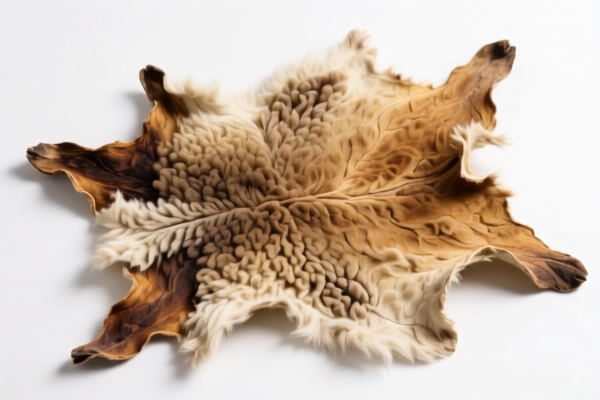
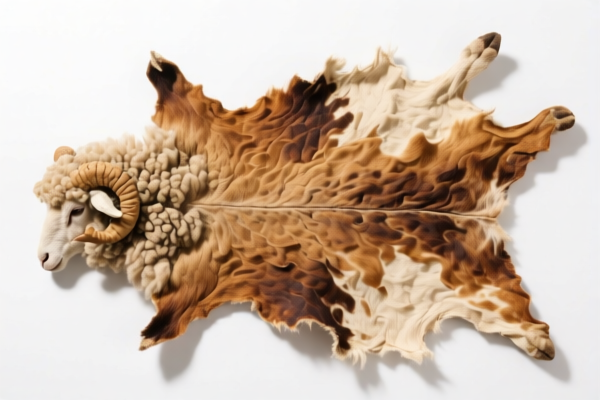
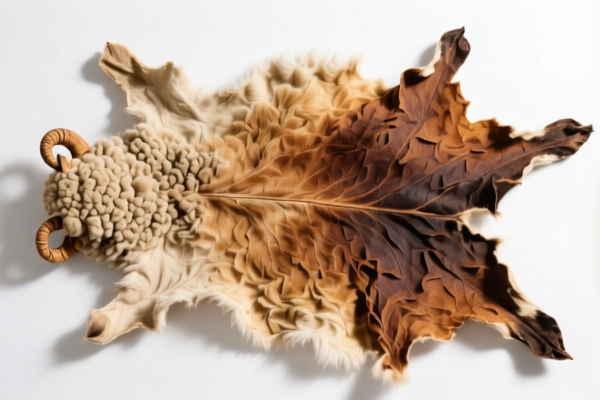
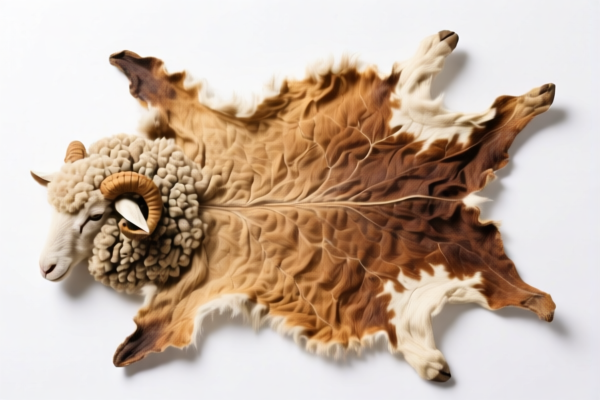
AI分析
👗 Sheepskin Clothing Material (Skin Only)
🌐 HS Code Reference & Customs Clearance Guide | 2026 Latest Tariff Analysis | Professional Grade Clearance Strategy
📌 I. Product Definition & Classification: Do You Really Understand "Sheepskin Material"?
Sheepskin clothing material (specifically "Skin Only" as per your input) is the raw or semi-processed substrate for luxury apparel, footwear, and accessories. In international trade, the classification depends strictly on the processing status (tanned vs. raw/unprocessed) and the presence of fur.
Raw/Unprocessed Sheepskins (No Fur): Undressed skins, salted, limed, or otherwise preserved, but not tanned. Tanned Sheepskins (No Fur): Skins that have undergone the tanning process to make them durable and resistant to decomposition.
⚠️ Key Distinction Point:
- If the skin is unprocessed (raw, salted, limed) → Classified under Chapter 4102 (Raw Hides & Skins).
- If the skin is processed (tanned, parchment-dressed) → Classified under Chapter 4105 (Tanned Furskin) or Chapter 4112 (Other Tanned Leather).
- "No Fur" is critical: If fur is present, it moves to different subheadings (e.g., 4103 or 4301/4302). The data provided specifies "No Fur", so we focus on hide/leather classifications.
📦 II. HS Code Classification Details (2026 Latest Tariff Authoritative Comparison)
| HS Code | Product Description | Applicable Scenario | Processing Status |
|---|---|---|---|
4102.29.10.10 |
Sheepskins, no fur, unprocessed (raw, salted, etc.) | Raw hides for immediate tanning; unprocessed livestock skins | ❌ Raw/Unprocessed |
4102.29.10.90 |
Sheepskins, no fur, unprocessed (other) | Raw hides, unprocessed, not specified elsewhere | ❌ Raw/Unprocessed |
4105.10.90.00 |
Sheepskins, no fur, tanned, not parchment-dressed | Tanned hides for leather goods, garments, upholstery | ✅ Tanned |
4105.30.00.00 |
Sheepskins, no fur, tanned (parchment-dressed) | High-quality tanned sheepskin (e.g., for luxury coats) | ✅ Tanned (Special) |
4112.00.30.30 |
Sheepskins, tanned, other than chapter 4105/4106 | Tanned leather not elsewhere specified in 4105 | ✅ Tanned (General) |
4112.00.30.60 |
Sheepskins, tanned, for specific use (e.g., gloves, linings) | Tanned leather for specialized applications | ✅ Tanned (Specific) |
🔍 Key Reminder:
- Raw Skins fall under 4102. They are heavier due to moisture/salt and have higher duties due to Section 301/122 tariffs on raw materials. - Tanned Skins fall under 4105 or 4112. They are lighter, finished, and ready for manufacturing. - No Fur: Ensure the product description explicitly states "No Fur" or "Hairless". If fur is present, these codes are invalid.
💰 III. 2026 Latest Tariff Rate Details (Including Surcharges & Policy Add-ons)
✅ Applicable Country: United States (US)
✅ Country of Origin: China (CN)
✅ Effective Date: Current rates apply (including 122 Clause & Section 301)
🎯 1. Raw Sheepskins (Unprocessed) – 4102.29.10.10 & 4102.29.10.90
| Item | Details |
|---|---|
| Base Tariff | 0.0% (Ad Valorem) |
| Section 301 Tariff | +7.5% (Additional Tariff on Chinese Goods) |
| 122 Clause Tariff | +10.0% (Specific to certain livestock products/derivatives under recent trade rules) |
| Total Tariff Rate | 17.5% |
| Tax Calculation | CIF Value × 17.5% |
| De Minimis Exemption | ❌ Not Eligible (Deny de_minimis) |
| Legal Basis Path | Section 301: 4102 → 122 Clause: 4102.29 → USITC: 4102.29.10 |
📌 Explanation:
- Raw sheepskins attract Section 301 tariffs (7.5%) due to their origin. - The 122 Clause adds an additional 10% for specific raw material categories. - Total 17.5% is significant for raw materials. Misclassifying raw skins as tanned (lower tax) is a common compliance risk.
🎯 2. Tanned Sheepskins – 4105.10.90.00, 4105.30.00.00, 4112.00.30.60, 4112.00.30.30
| Item | Details |
|---|---|
| Base Tariff | 2.0% (Ad Valorem) |
| Section 301 Tariff | 0.0% (No additional Section 301 on these specific tanned leather subheadings) |
| 122 Clause Tariff | +10.0% (Applies to tanned leather under specific clauses) |
| Total Tariff Rate | 12.0% |
| Tax Calculation | CIF Value × 12.0% |
| De Minimis Exemption | ❌ Not Eligible (Deny de_minimis) |
| Legal Basis Path | 122 Clause: 4105/4112 → USITC: 4105.10/4105.30/4112.00 |
📌 Explanation:
- Tanned sheepskins have a lower base rate (2.0%) compared to raw skins (0.0% base but higher surcharges). - The 122 Clause still applies at 10%. - Total 12.0% is more cost-effective than raw skins (17.5%), assuming the tanning process is complete and documented. - Section 301 (7.5%) does NOT apply to these specific tanned leather subheadings, making them preferable for import if the supply chain allows.
🛠️ IV. Customs Clearance Practical Advice (Real-World Pitfall Avoidance)
✅ 1. Documentation Checklist (Non-negotiable)
| Document | Required? | Explanation |
|---|---|---|
| ✅ Commercial Invoice | ✔️ | Must specify "Sheepskin, No Fur" and whether "Tanned" or "Raw". |
| ✅ Packing List | ✔️ | Detail weight, number of skins, and condition (fresh, salted, dried). |
| ✅ Certificate of Origin | ✔️ | Required to verify CN origin for 122 Clause and Section 301 assessment. |
| ✅ Tanning Certificate | ✔️ | Critical for 4105/4112: Proof that skins are tanned, not raw. Must include tanning method (chrome, vegetable, etc.). |
| ✅ Product Photos | ✔️ | Show skin surface (no fur) and texture. |
| ✅ Processing Statement | ✔️ | Declare if skins are parchment-dressed (for 4105.30) or standard tanned. |
✅ 2. Declaration Tips (Key Mantra)
🔥 "Raw vs. Tanned, State It Plain, No Fur, Plain, Avoid the Pain!"
| Scenario | Correct Declaration | Incorrect Action |
|---|---|---|
| Raw Sheepskins | "Sheepskins, Salted, No Fur, Raw" → 4102.29.10.10 |
Declare as "Leather" → Risk of penalty + 17.5% vs 12% difference |
| Tanned Sheepskins | "Tanned Sheepskin Leather, No Fur" → 4105.10.90.00 |
Declare as "Raw Hides" → Overpay tax (17.5% vs 12%) |
| Sheepskin with Fur | ❌ Do NOT use above codes | Using "No Fur" codes for furred skins → Seizure & Fraud |
| Mixed Lot | Separate Raw & Tanned | Mixed declaration → Customs holds entire shipment |
✅ 3. Special Cases
| Case | Handling Advice |
|---|---|
| OEM Garment Linings | If skins are cut into pieces, still classify as leather (4112), not apparel. |
| Partial Tanning | If skins are only "half-tanned," they may be considered raw → Use 4102. |
| Fur Present | If any fur remains, code is invalid. Must de-fur or use Chapter 43 codes. |
| Pre-Immigration Quarantine | Ensure animal health certificates are included to avoid USDA delays. |
🌍 V. Global Market Comparison (2026 Latest)
| Country/Region | Recommended HS Code | Tariff (China Origin) | Certification | Notes |
|---|---|---|---|---|
| 🇺🇸 USA | 4105.10.90.00 (Tanned) |
12.0% | No specific | High scrutiny on 122 Clause |
| 🇺🇸 USA | 4102.29.10.10 (Raw) |
17.5% | USDA APHIS | Higher duty on raw materials |
| 🇨🇳 China | 4105.10.90.00 |
2.0% | N/A | No additional surcharges |
| 🇪🇺 EU | 4105.10.90.00 |
0% (if under quota) | CE (for end products) | Quotas may apply |
| 🇬🇧 UK | 4105.10.90.00 |
2.0% | UKCA | Post-Brexit rules |
📌 Conclusion:
- USA imposes 122 Clause + Section 301 on raw skins, making tanned sheepskin (12%) more cost-effective than raw sheepskin (17.5%). - Documentation of tanning process is the single most important factor in reducing tariff liability.
📌 VI. Common Errors & Pitfall Guide (Lessons from Blood & Tears)
❌ Error 1: Declaring Tanned Leather as Raw Hides to avoid "tanned" labels
👉 Consequence: Customs may still assess 122 Clause, but risk of rejection for lack of tanning proof. Also, you pay 17.5% instead of 12.0%.
❌ Error 2: Declaring Raw Skins as Tanned Leather to save 5.5%
👉 Consequence: If tanning certificate is missing, customs will reclassify to 4102, charge 17.5%, plus penalties and interest.
❌ Error 3: Ignoring "No Fur" specification
👉 Consequence: If fur is found, shipment is detained. Correct code would be under Chapter 43 (Furskins), with different duties.
❌ Error 4: Using generic terms like "Sheepskin" without specifying processing
👉 Consequence: Customs has discretion. They may choose the higher tariff code. Always specify "Tanned" or "Raw".
✅ Correct Practice:
"Tanned Sheepskin Leather, No Fur, Chrome Tanned, 2.5mm Thickness, 100 sq.ft., Model SH-2026"
🎯 VII. Conclusion: Precise Classification Saves Money!
🎯 Remember the Mantra:
🔹 "Raw is 17.5%, Tanned is 12.0% – Prove the Tannin, Avoid the Tax!"
🔹 "No Fur, State It Clear, Or Customs Will Be Your Foe, My Dear!"
📌 Pro Tip:
If you are importing raw sheepskins for domestic tanning, consider bonded warehouses to defer duties. If you are importing tanned sheepskins, ensure your supplier provides a Tanning Certificate that matches the HS Code 4105 or 4112 exactly.
📣 Immediate Action:
📞 Contact a licensed customs broker + Provide Tanning Certificates + Request HS Code Ruling for
4105.10.90.00
🚀 Let your sheepskin materials clear smoothly, legally, and profitably!
✨ Professional Clearance Starts with Accurate Classification!
💼 Every Percent in Tariff is a Percent in Profit!
用户评价
关于 HS 编码归类
协调制度(HS)是由世界海关组织(WCO)制定的国际贸易商品分类标准。全球 200 多个国家采用 HS 系统作为海关关税、贸易统计和进出口监管的基础。
每个 HS 编码遵循以下层级结构:
- 章(2 位)——商品大类(例如:第 84 章:机器和机械设备)
- 品目(4 位)——章内的更具体分类
- 子目(6 位)——国际通用细分,所有 WCO 成员国统一使用
- 本国细分(8-10 位)——各国自行扩展的细分编码,如美国 HTSUS 10 位编码
正确的 HS 编码归类对于顺利通关、准确缴纳关税和遵守贸易法规至关重要。错误归类可能导致海关延误、多缴关税或罚款。
从CN进口到US时,适用的关税税率可能包括:
- 最惠国(MFN)税率——适用于 WTO 成员国的标准关税税率
- 普通税率——适用于无贸易协定国家
- 贸易救济关税——附加关税,如 301 条款(反倾销)、232 条款(国家安全)或反补贴税
本页内容仅供参考。如需正式归类,请咨询当地海关或持牌报关代理。