Sheepskin Clothing Material (Skin Only)
CN → US| HS Code | Tariff Rate | Origin | Destination | Doc |
|---|---|---|---|---|
| 4105109000 | 12.0% | CN | US | Official Doc |
| 4105300000 | 12.0% | CN | US | Official Doc |
| 4112003060 | 12.0% | CN | US | Official Doc |
| 4112003030 | 12.0% | CN | US | Official Doc |
| 4102291010 | 17.5% | CN | US | Official Doc |
Product Images
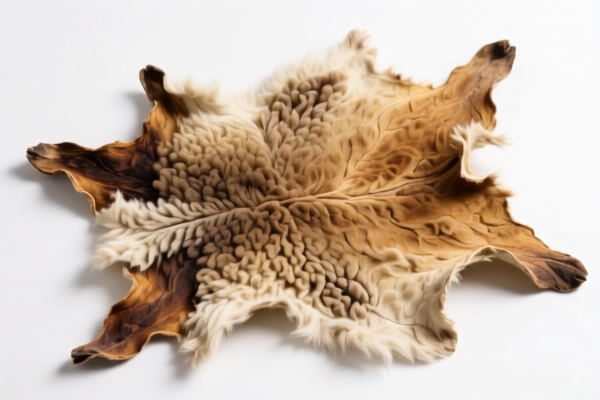
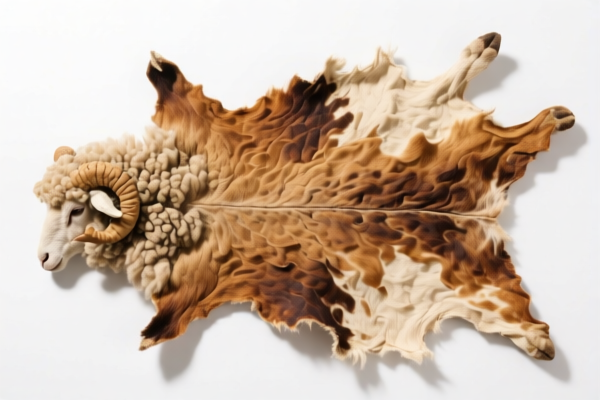
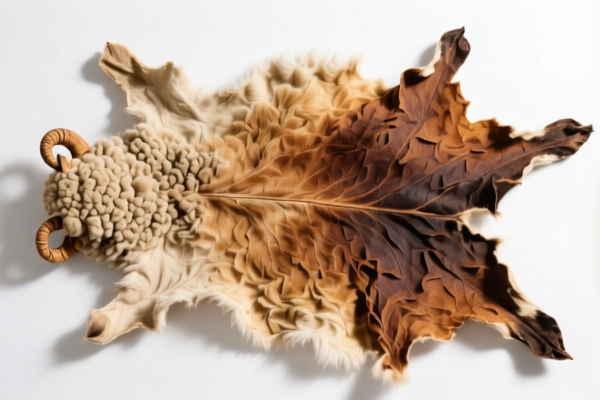
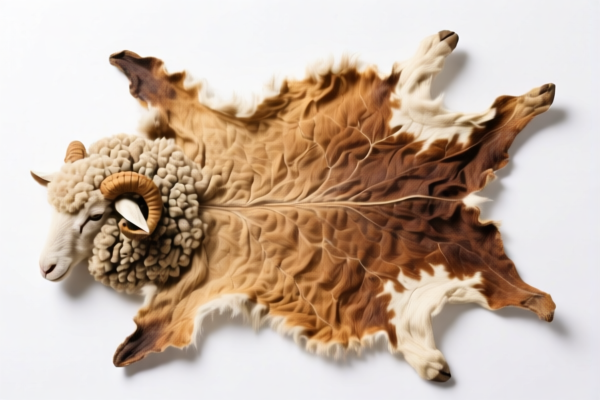
AI Analysis
👗 Sheepskin Clothing Material (Skin Only)
🌐 HS Code Reference & Customs Clearance Guide | 2026 Latest Tariff Analysis | Professional Grade Clearance Strategy
📌 I. Product Definition & Classification: Do You Really Understand "Sheepskin Material"?
Sheepskin clothing material (specifically "Skin Only" as per your input) is the raw or semi-processed substrate for luxury apparel, footwear, and accessories. In international trade, the classification depends strictly on the processing status (tanned vs. raw/unprocessed) and the presence of fur.
Raw/Unprocessed Sheepskins (No Fur): Undressed skins, salted, limed, or otherwise preserved, but not tanned. Tanned Sheepskins (No Fur): Skins that have undergone the tanning process to make them durable and resistant to decomposition.
⚠️ Key Distinction Point:
- If the skin is unprocessed (raw, salted, limed) → Classified under Chapter 4102 (Raw Hides & Skins).
- If the skin is processed (tanned, parchment-dressed) → Classified under Chapter 4105 (Tanned Furskin) or Chapter 4112 (Other Tanned Leather).
- "No Fur" is critical: If fur is present, it moves to different subheadings (e.g., 4103 or 4301/4302). The data provided specifies "No Fur", so we focus on hide/leather classifications.
📦 II. HS Code Classification Details (2026 Latest Tariff Authoritative Comparison)
| HS Code | Product Description | Applicable Scenario | Processing Status |
|---|---|---|---|
4102.29.10.10 |
Sheepskins, no fur, unprocessed (raw, salted, etc.) | Raw hides for immediate tanning; unprocessed livestock skins | ❌ Raw/Unprocessed |
4102.29.10.90 |
Sheepskins, no fur, unprocessed (other) | Raw hides, unprocessed, not specified elsewhere | ❌ Raw/Unprocessed |
4105.10.90.00 |
Sheepskins, no fur, tanned, not parchment-dressed | Tanned hides for leather goods, garments, upholstery | ✅ Tanned |
4105.30.00.00 |
Sheepskins, no fur, tanned (parchment-dressed) | High-quality tanned sheepskin (e.g., for luxury coats) | ✅ Tanned (Special) |
4112.00.30.30 |
Sheepskins, tanned, other than chapter 4105/4106 | Tanned leather not elsewhere specified in 4105 | ✅ Tanned (General) |
4112.00.30.60 |
Sheepskins, tanned, for specific use (e.g., gloves, linings) | Tanned leather for specialized applications | ✅ Tanned (Specific) |
🔍 Key Reminder:
- Raw Skins fall under 4102. They are heavier due to moisture/salt and have higher duties due to Section 301/122 tariffs on raw materials. - Tanned Skins fall under 4105 or 4112. They are lighter, finished, and ready for manufacturing. - No Fur: Ensure the product description explicitly states "No Fur" or "Hairless". If fur is present, these codes are invalid.
💰 III. 2026 Latest Tariff Rate Details (Including Surcharges & Policy Add-ons)
✅ Applicable Country: United States (US)
✅ Country of Origin: China (CN)
✅ Effective Date: Current rates apply (including 122 Clause & Section 301)
🎯 1. Raw Sheepskins (Unprocessed) – 4102.29.10.10 & 4102.29.10.90
| Item | Details |
|---|---|
| Base Tariff | 0.0% (Ad Valorem) |
| Section 301 Tariff | +7.5% (Additional Tariff on Chinese Goods) |
| 122 Clause Tariff | +10.0% (Specific to certain livestock products/derivatives under recent trade rules) |
| Total Tariff Rate | 17.5% |
| Tax Calculation | CIF Value × 17.5% |
| De Minimis Exemption | ❌ Not Eligible (Deny de_minimis) |
| Legal Basis Path | Section 301: 4102 → 122 Clause: 4102.29 → USITC: 4102.29.10 |
📌 Explanation:
- Raw sheepskins attract Section 301 tariffs (7.5%) due to their origin. - The 122 Clause adds an additional 10% for specific raw material categories. - Total 17.5% is significant for raw materials. Misclassifying raw skins as tanned (lower tax) is a common compliance risk.
🎯 2. Tanned Sheepskins – 4105.10.90.00, 4105.30.00.00, 4112.00.30.60, 4112.00.30.30
| Item | Details |
|---|---|
| Base Tariff | 2.0% (Ad Valorem) |
| Section 301 Tariff | 0.0% (No additional Section 301 on these specific tanned leather subheadings) |
| 122 Clause Tariff | +10.0% (Applies to tanned leather under specific clauses) |
| Total Tariff Rate | 12.0% |
| Tax Calculation | CIF Value × 12.0% |
| De Minimis Exemption | ❌ Not Eligible (Deny de_minimis) |
| Legal Basis Path | 122 Clause: 4105/4112 → USITC: 4105.10/4105.30/4112.00 |
📌 Explanation:
- Tanned sheepskins have a lower base rate (2.0%) compared to raw skins (0.0% base but higher surcharges). - The 122 Clause still applies at 10%. - Total 12.0% is more cost-effective than raw skins (17.5%), assuming the tanning process is complete and documented. - Section 301 (7.5%) does NOT apply to these specific tanned leather subheadings, making them preferable for import if the supply chain allows.
🛠️ IV. Customs Clearance Practical Advice (Real-World Pitfall Avoidance)
✅ 1. Documentation Checklist (Non-negotiable)
| Document | Required? | Explanation |
|---|---|---|
| ✅ Commercial Invoice | ✔️ | Must specify "Sheepskin, No Fur" and whether "Tanned" or "Raw". |
| ✅ Packing List | ✔️ | Detail weight, number of skins, and condition (fresh, salted, dried). |
| ✅ Certificate of Origin | ✔️ | Required to verify CN origin for 122 Clause and Section 301 assessment. |
| ✅ Tanning Certificate | ✔️ | Critical for 4105/4112: Proof that skins are tanned, not raw. Must include tanning method (chrome, vegetable, etc.). |
| ✅ Product Photos | ✔️ | Show skin surface (no fur) and texture. |
| ✅ Processing Statement | ✔️ | Declare if skins are parchment-dressed (for 4105.30) or standard tanned. |
✅ 2. Declaration Tips (Key Mantra)
🔥 "Raw vs. Tanned, State It Plain, No Fur, Plain, Avoid the Pain!"
| Scenario | Correct Declaration | Incorrect Action |
|---|---|---|
| Raw Sheepskins | "Sheepskins, Salted, No Fur, Raw" → 4102.29.10.10 |
Declare as "Leather" → Risk of penalty + 17.5% vs 12% difference |
| Tanned Sheepskins | "Tanned Sheepskin Leather, No Fur" → 4105.10.90.00 |
Declare as "Raw Hides" → Overpay tax (17.5% vs 12%) |
| Sheepskin with Fur | ❌ Do NOT use above codes | Using "No Fur" codes for furred skins → Seizure & Fraud |
| Mixed Lot | Separate Raw & Tanned | Mixed declaration → Customs holds entire shipment |
✅ 3. Special Cases
| Case | Handling Advice |
|---|---|
| OEM Garment Linings | If skins are cut into pieces, still classify as leather (4112), not apparel. |
| Partial Tanning | If skins are only "half-tanned," they may be considered raw → Use 4102. |
| Fur Present | If any fur remains, code is invalid. Must de-fur or use Chapter 43 codes. |
| Pre-Immigration Quarantine | Ensure animal health certificates are included to avoid USDA delays. |
🌍 V. Global Market Comparison (2026 Latest)
| Country/Region | Recommended HS Code | Tariff (China Origin) | Certification | Notes |
|---|---|---|---|---|
| 🇺🇸 USA | 4105.10.90.00 (Tanned) |
12.0% | No specific | High scrutiny on 122 Clause |
| 🇺🇸 USA | 4102.29.10.10 (Raw) |
17.5% | USDA APHIS | Higher duty on raw materials |
| 🇨🇳 China | 4105.10.90.00 |
2.0% | N/A | No additional surcharges |
| 🇪🇺 EU | 4105.10.90.00 |
0% (if under quota) | CE (for end products) | Quotas may apply |
| 🇬🇧 UK | 4105.10.90.00 |
2.0% | UKCA | Post-Brexit rules |
📌 Conclusion:
- USA imposes 122 Clause + Section 301 on raw skins, making tanned sheepskin (12%) more cost-effective than raw sheepskin (17.5%). - Documentation of tanning process is the single most important factor in reducing tariff liability.
📌 VI. Common Errors & Pitfall Guide (Lessons from Blood & Tears)
❌ Error 1: Declaring Tanned Leather as Raw Hides to avoid "tanned" labels
👉 Consequence: Customs may still assess 122 Clause, but risk of rejection for lack of tanning proof. Also, you pay 17.5% instead of 12.0%.
❌ Error 2: Declaring Raw Skins as Tanned Leather to save 5.5%
👉 Consequence: If tanning certificate is missing, customs will reclassify to 4102, charge 17.5%, plus penalties and interest.
❌ Error 3: Ignoring "No Fur" specification
👉 Consequence: If fur is found, shipment is detained. Correct code would be under Chapter 43 (Furskins), with different duties.
❌ Error 4: Using generic terms like "Sheepskin" without specifying processing
👉 Consequence: Customs has discretion. They may choose the higher tariff code. Always specify "Tanned" or "Raw".
✅ Correct Practice:
"Tanned Sheepskin Leather, No Fur, Chrome Tanned, 2.5mm Thickness, 100 sq.ft., Model SH-2026"
🎯 VII. Conclusion: Precise Classification Saves Money!
🎯 Remember the Mantra:
🔹 "Raw is 17.5%, Tanned is 12.0% – Prove the Tannin, Avoid the Tax!"
🔹 "No Fur, State It Clear, Or Customs Will Be Your Foe, My Dear!"
📌 Pro Tip:
If you are importing raw sheepskins for domestic tanning, consider bonded warehouses to defer duties. If you are importing tanned sheepskins, ensure your supplier provides a Tanning Certificate that matches the HS Code 4105 or 4112 exactly.
📣 Immediate Action:
📞 Contact a licensed customs broker + Provide Tanning Certificates + Request HS Code Ruling for
4105.10.90.00
🚀 Let your sheepskin materials clear smoothly, legally, and profitably!
✨ Professional Clearance Starts with Accurate Classification!
💼 Every Percent in Tariff is a Percent in Profit!
Customer Reviews
About HS Code Classification
The Harmonized System (HS) is an internationally standardized nomenclature developed by the World Customs Organization (WCO) to classify traded products. Over 200 countries use the HS system as the basis for customs tariffs, trade statistics, and import/export regulations.
Each HS code follows a hierarchical structure:
- Chapter (2 digits) — Broad category of goods (e.g., Chapter 84: Machinery and Mechanical Appliances)
- Heading (4 digits) — More specific grouping within the chapter
- Subheading (6 digits) — Internationally standardized breakdown, used by all WCO member countries
- National subdivisions (8-10 digits) — Country-specific extensions for further classification, such as US HTSUS 10-digit codes
Correct HS code classification is essential for smooth customs clearance, accurate duty payment, and compliance with trade regulations. Misclassification can lead to customs delays, overpayment of duties, or penalties.
When importing from CN to US, the applicable tariff rates may include:
- Most-Favored-Nation (MFN) rate — The standard duty rate applied to WTO members
- General rate — Applied to countries without trade agreements
- Trade remedy duties — Additional tariffs such as Section 301 (anti-dumping), Section 232 (national security), or countervailing duties
The information provided on this page is for reference purposes only. For official classification, please consult with your local customs authority or a licensed customs broker.