Sheepskin or Lambskin for Bags
CN → US商品图片
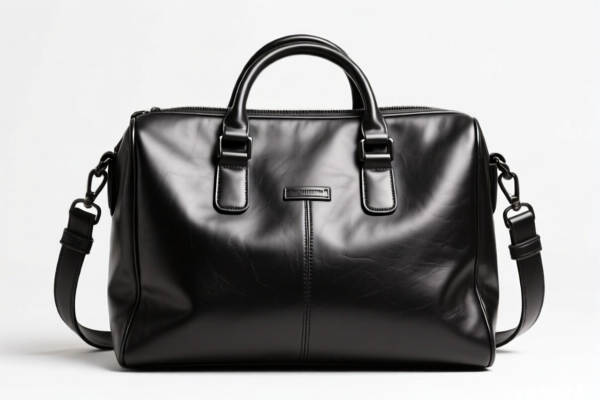
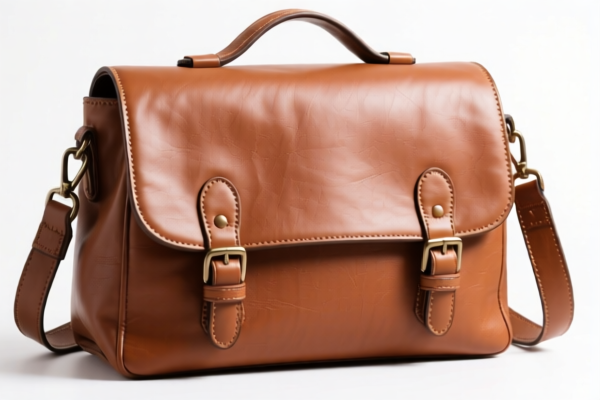
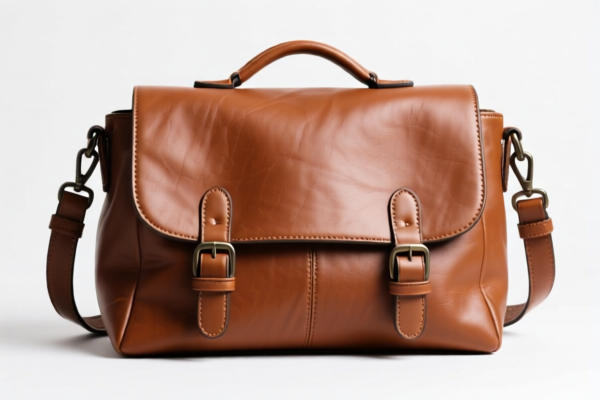
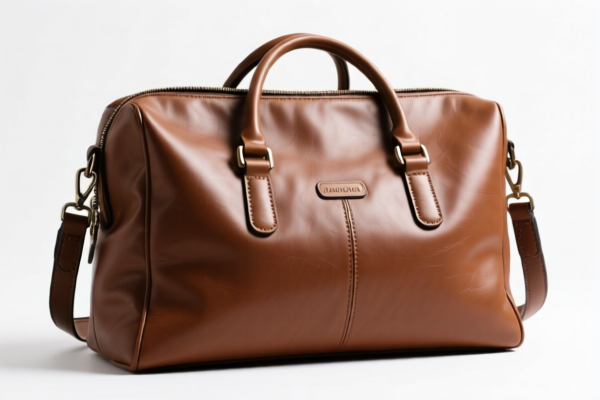
AI分析
Hello! I am here to help you. Please provide the details of your request, and I will assist you promptly.
To provide you with the most accurate analysis, please specify: 1. The product name you are referring to (e.g., backpacks, handbags, laptop sleeves). 2. Whether you are importing into the United States (as the example provided was US-centric with IEEPA/USITC references). 3. Any specific material composition details (e.g., genuine sheepskin, lambskin leather, suede, etc.).
Without the specific <DATA> (HS Code and Tax information) for your product, I cannot generate the exact HS Code classification or tax breakdown as requested in your prompt's formatting rules.
However, based on general international trade standards (HS Code 4202), here is a general overview of Sheepskin/Lambskin Bags:
1. General HS Code Classification (HTSUS 4202)
Most bags made of sheepskin or lambskin fall under Heading 4202 of the Harmonized Tariff Schedule of the United States (HTSUS).
- 4202.21.00: Handbags with outer surface of leather or composition leather.
- 4202.31.00: Articles of apparel or clothing accessories (e.g., clutches, wristlets) with outer surface of leather or composition leather.
- 4202.92.00: Other bags (e.g., backpacks, travel bags) with outer surface of leather or composition leather.
Note: "Leather" under HS 4202 includes tanned leather, which encompasses sheepskin and lambskin.
2. Duty Rates (General/China)
- General Duty (Most Favored Nation - MFN): Typically 10%–12.8% for most leather bags (depending on the specific subheading and bag type).
- Section 301 Tariffs (China-origin): If imported from China, additional tariffs (e.g., 7.5% or 25%) may apply depending on the specific 8-digit subheading and current trade policy.
- Section 232 (Steel/Aluminum): Not applicable.
- IEEPA/Other Add-ons: Generally not applicable to leather goods unless specific country-specific sanctions are in place.
3. Clearing & Compliance Tips
- Material Declaration: Clearly specify "100% Genuine Sheepskin" or "Lambskin Leather" on commercial invoices. Customs may require proof of leather content.
- Fur/Leather Regulations: Ensure compliance with Lacey Act declarations if the animal products are sourced from specific regions with restricted wildlife trade.
- Marking: Bags must be marked with the country of origin (e.g., "Made in China").
- Anti-Dumping: Check if any anti-dumping duties apply to leather goods from specific countries.
⚠️ Important Request
To follow your requested Wiki-style format with specific HS Codes, Tax Breakdowns, and Clearance Advice, please provide:
1. The exact product name (e.g., "Lambskin Handbag").
2. The JSON or
Once you provide this data, I will generate the detailed, structured response as per your example.
用户评价
关于 HS 编码归类
协调制度(HS)是由世界海关组织(WCO)制定的国际贸易商品分类标准。全球 200 多个国家采用 HS 系统作为海关关税、贸易统计和进出口监管的基础。
每个 HS 编码遵循以下层级结构:
- 章(2 位)——商品大类(例如:第 84 章:机器和机械设备)
- 品目(4 位)——章内的更具体分类
- 子目(6 位)——国际通用细分,所有 WCO 成员国统一使用
- 本国细分(8-10 位)——各国自行扩展的细分编码,如美国 HTSUS 10 位编码
正确的 HS 编码归类对于顺利通关、准确缴纳关税和遵守贸易法规至关重要。错误归类可能导致海关延误、多缴关税或罚款。
从CN进口到US时,适用的关税税率可能包括:
- 最惠国(MFN)税率——适用于 WTO 成员国的标准关税税率
- 普通税率——适用于无贸易协定国家
- 贸易救济关税——附加关税,如 301 条款(反倾销)、232 条款(国家安全)或反补贴税
本页内容仅供参考。如需正式归类,请咨询当地海关或持牌报关代理。