Sheepskin or Lambskin for Bags
CN → USProduct Images
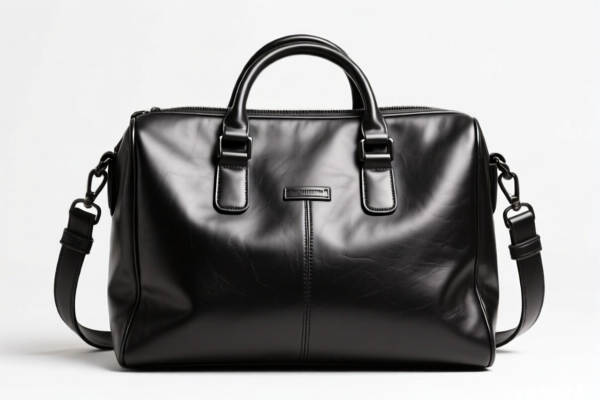
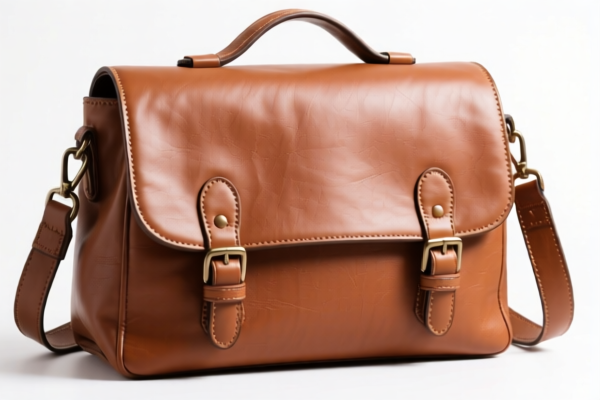
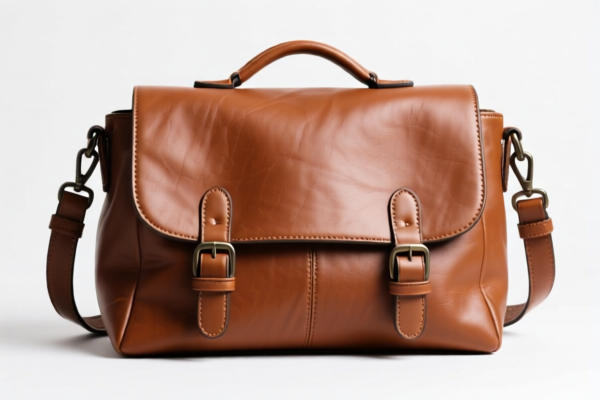
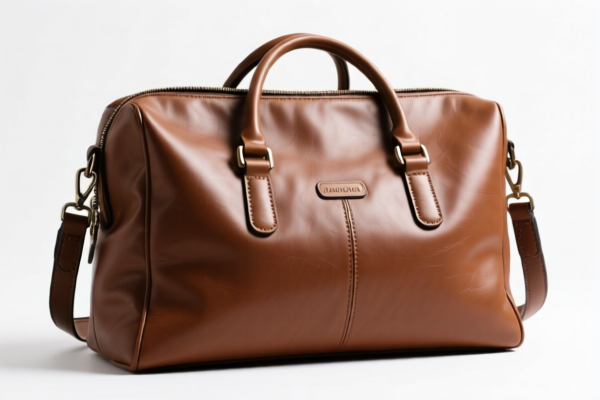
AI Analysis
Hello! I am here to help you. Please provide the details of your request, and I will assist you promptly.
To provide you with the most accurate analysis, please specify: 1. The product name you are referring to (e.g., backpacks, handbags, laptop sleeves). 2. Whether you are importing into the United States (as the example provided was US-centric with IEEPA/USITC references). 3. Any specific material composition details (e.g., genuine sheepskin, lambskin leather, suede, etc.).
Without the specific <DATA> (HS Code and Tax information) for your product, I cannot generate the exact HS Code classification or tax breakdown as requested in your prompt's formatting rules.
However, based on general international trade standards (HS Code 4202), here is a general overview of Sheepskin/Lambskin Bags:
1. General HS Code Classification (HTSUS 4202)
Most bags made of sheepskin or lambskin fall under Heading 4202 of the Harmonized Tariff Schedule of the United States (HTSUS).
- 4202.21.00: Handbags with outer surface of leather or composition leather.
- 4202.31.00: Articles of apparel or clothing accessories (e.g., clutches, wristlets) with outer surface of leather or composition leather.
- 4202.92.00: Other bags (e.g., backpacks, travel bags) with outer surface of leather or composition leather.
Note: "Leather" under HS 4202 includes tanned leather, which encompasses sheepskin and lambskin.
2. Duty Rates (General/China)
- General Duty (Most Favored Nation - MFN): Typically 10%–12.8% for most leather bags (depending on the specific subheading and bag type).
- Section 301 Tariffs (China-origin): If imported from China, additional tariffs (e.g., 7.5% or 25%) may apply depending on the specific 8-digit subheading and current trade policy.
- Section 232 (Steel/Aluminum): Not applicable.
- IEEPA/Other Add-ons: Generally not applicable to leather goods unless specific country-specific sanctions are in place.
3. Clearing & Compliance Tips
- Material Declaration: Clearly specify "100% Genuine Sheepskin" or "Lambskin Leather" on commercial invoices. Customs may require proof of leather content.
- Fur/Leather Regulations: Ensure compliance with Lacey Act declarations if the animal products are sourced from specific regions with restricted wildlife trade.
- Marking: Bags must be marked with the country of origin (e.g., "Made in China").
- Anti-Dumping: Check if any anti-dumping duties apply to leather goods from specific countries.
⚠️ Important Request
To follow your requested Wiki-style format with specific HS Codes, Tax Breakdowns, and Clearance Advice, please provide:
1. The exact product name (e.g., "Lambskin Handbag").
2. The JSON or
Once you provide this data, I will generate the detailed, structured response as per your example.
Customer Reviews
About HS Code Classification
The Harmonized System (HS) is an internationally standardized nomenclature developed by the World Customs Organization (WCO) to classify traded products. Over 200 countries use the HS system as the basis for customs tariffs, trade statistics, and import/export regulations.
Each HS code follows a hierarchical structure:
- Chapter (2 digits) — Broad category of goods (e.g., Chapter 84: Machinery and Mechanical Appliances)
- Heading (4 digits) — More specific grouping within the chapter
- Subheading (6 digits) — Internationally standardized breakdown, used by all WCO member countries
- National subdivisions (8-10 digits) — Country-specific extensions for further classification, such as US HTSUS 10-digit codes
Correct HS code classification is essential for smooth customs clearance, accurate duty payment, and compliance with trade regulations. Misclassification can lead to customs delays, overpayment of duties, or penalties.
When importing from CN to US, the applicable tariff rates may include:
- Most-Favored-Nation (MFN) rate — The standard duty rate applied to WTO members
- General rate — Applied to countries without trade agreements
- Trade remedy duties — Additional tariffs such as Section 301 (anti-dumping), Section 232 (national security), or countervailing duties
The information provided on this page is for reference purposes only. For official classification, please consult with your local customs authority or a licensed customs broker.