Shockproof Board
CN → US| HS编码 | 关税税率 | 原产国 | 目的国 | 文档 |
|---|---|---|---|---|
| 4016995500 | 37.5% | CN | US | 官方文档 |
| 4016993000 | 35.0% | CN | US | 官方文档 |
| 3926909989 | 22.8% | CN | US | 官方文档 |
| 7326190080 | 87.9% | CN | US | 官方文档 |
| 7326908688 | 87.9% | CN | US | 官方文档 |
| 3926904590 | 13.5% | CN | US | 官方文档 |
商品图片
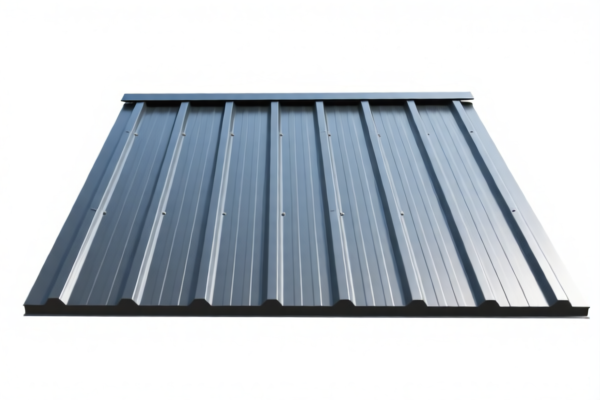
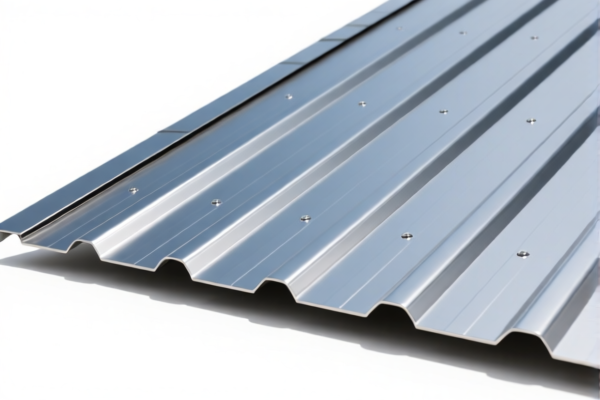
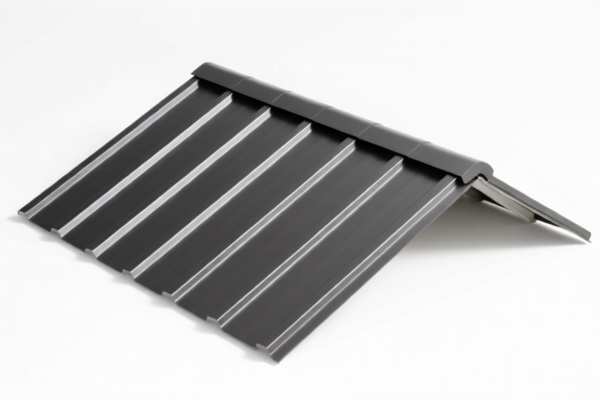
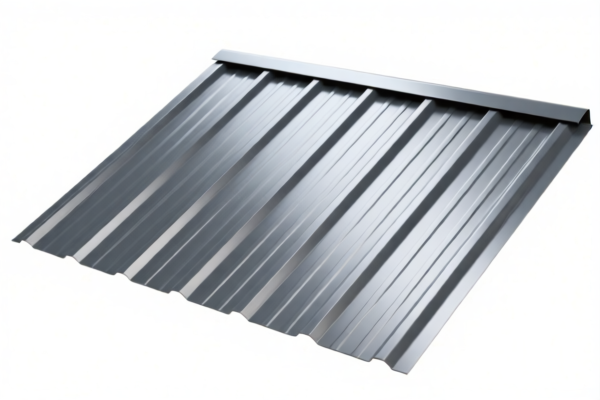
AI分析
🛡️ Shockproof Board (Anti-Vibration & Impact-Resistant Panels)
🌐 HS Code Reference & Customs Clearance Guide | 2026 Updated Tariff Analysis | Pro-Level Import Strategy
📌 One, Product Definition & Classification: What Exactly Is a "Shockproof Board"?
A Shockproof Board is a protective component designed to absorb vibrations, reduce impact, and prevent damage in industrial machinery, electronics, transportation systems, and consumer devices. It is commonly used in:
- Industrial equipment (e.g., motors, pumps, compressors)
- Electronic enclosures (e.g., servers, control panels)
- Automotive and aerospace systems
- Consumer electronics (e.g., laptops, power tools)
⚠️ Critical Distinction:
- If made of sulfur-vulcanized rubber or composite rubber materials → classified under rubber products
- If made of plastic or synthetic polymer → classified under plastic products
- If made of steel or iron metal → classified under ferrous metal products🔍 Key Insight:
The material composition determines the HS Code — not the function. A "shockproof board" can be rubber, plastic, or metal. Do not assume it’s rubber just because it’s “anti-vibration.”
📦 Two, HS Code Classification Details (2026 Updated Tariff Authority)
| HS Code | Product Description | Material Type | Use Case | Tax Rate |
|---|---|---|---|---|
4016.99.55.00 |
Other vulcanized rubber articles, for vibration control | Sulfur-vulcanized rubber / composite rubber | Industrial vibration dampers, machine mounts, shock absorbers | 37.5% |
4016.99.30.00 |
Other vulcanized rubber articles, for vibration control | Sulfur-vulcanized rubber | General-purpose anti-vibration pads, isolators | 35.0% |
3926.90.99.89 |
Other plastic articles, not specified | Plastic / synthetic polymer | Lightweight vibration pads, electronic insulation, protective inserts | 22.8% |
7326.19.00.80 |
Other iron or steel articles, not specified | Steel (ferrous metal) | Metal plates, stamped components, structural vibration isolators | 87.9% |
7326.90.86.88 |
Other iron or steel articles, not specified | Iron/Steel (non-specific) | General-purpose metal shock-absorbing plates | 87.9% |
3926.90.45.90 |
Other washers, gaskets, and seals | Plastic / synthetic material | Functional sealing components, vibration-resistant washers | 13.5% |
📌 Why These Codes?
- Rubber-based shockproof boards → fall under Chapter 40 (Rubber & Articles Thereof) →4016.99
- Plastic-based → fall under Chapter 39 (Plastics & Articles Thereof) →3926.90
- Metal-based (steel/iron) → fall under Chapter 73 (Iron & Steel) →7326.90
💰 Three, 2026 Updated Tariff Breakdown (With Full Legal & Policy Details)
✅ Applicable Country: United States (US)
✅ Origin: China (CN)
✅ Effective Date: November 10, 2025 (and ongoing)
🎯 1. 4016.99.55.00 — Vulcanized Rubber, Anti-Vibration Use
| Item | Detail |
|---|---|
| Base Duty | 2.5% (ad valorem) |
| Section 301 (USITC) Additional Tariff | +25.0% |
| Section 122 (IEEPA) Additional Tariff | +10.0% |
| Total Tariff | 37.5% |
| Tax Calculation | CIF Value × 37.5% |
| De Minimis Exemption | ❌ Not applicable (denied under U.S. law) |
| Legal Basis Path | IEEPA:9903.01.25 → USITC:4016.99.55.00 → FOOTNOTE:9903.88.01 |
📌 Explanation:
- 25% USITC Tariff: From Section 301 Investigation on Chinese imports (Trade Act 1974)
- 10% IEEPA Tariff: From International Emergency Economic Powers Act (IEEPA), targeting China’s "unfair trade practices"
- Total 37.5% — high but lower than metal due to lower base rate
🎯 2. 4016.99.30.00 — Other Vulcanized Rubber, Vibration Control
| Item | Detail |
|---|---|
| Base Duty | 0.0% |
| Section 301 (USITC) Additional Tariff | +25.0% |
| Section 122 (IEEPA) Additional Tariff | +10.0% |
| Total Tariff | 35.0% |
| Tax Calculation | CIF Value × 35.0% |
| De Minimis Exemption | ❌ Not allowed |
| Legal Basis Path | IEEPA:9901.25 → USITC:4016.99.30.00 → FOOTNOTE:9903.88.01 |
📌 Note:
- Same policy impact as above, but 0% base rate → slightly lower total than4016.99.55.00
- Still very high — must confirm material is pure vulcanized rubber, not composite
🎯 3. 3926.90.99.89 — Other Plastic Articles, Non-Specific
| Item | Detail |
|---|---|
| Base Duty | 5.3% |
| Section 301 (USITC) Additional Tariff | +7.5% |
| Section 122 (IEEPA) Additional Tariff | +10.0% |
| Total Tariff | 22.8% |
| Tax Calculation | CIF Value × 22.8% |
| De Minimis Exemption | ❌ Not applicable |
| Legal Basis Path | IEEPA:9903.01.24 → USITC:3926.90.99.89 → FOOTNOTE:9903.88.01 |
📌 Insight:
- Plastic-based shockproof boards face lower tariffs than rubber or metal
- USITC 7.5% is lower than 25% for rubber — likely due to different product classification
- Still high, but more manageable than metal
🎯 4. 7326.19.00.80 — Other Iron/Steel Articles (Metal-Based)
| Item | Detail |
|---|---|
| Base Duty | 2.9% |
| Section 301 (USITC) Additional Tariff | +25.0% |
| Section 122 (IEEPA) Additional Tariff | +10.0% |
| Steel, Aluminum, Copper Product Additional Tariff | +50.0% (per U.S. Trade Law) |
| Total Tariff | 87.9% |
| Tax Calculation | CIF Value × 87.9% |
| De Minimis Exemption | ❌ Not allowed |
| Legal Basis Path | IEEPA:9903.01.25 → USITC:7326.19.00.80 → FOOTNOTE:9903.88.01 → ADDITIONAL:50% FOR STEEL/AL/CU |
📌 Warning:
- +50% extra tariff on steel, aluminum, and copper products — one of the highest tariffs in U.S. trade policy
- Total 87.9% — near-taxation — almost impossible to profit
- Avoid metal-based shockproof boards for U.S. export unless re-engineered or sourced from non-China origin
🎯 5. 7326.90.86.88 — Other Iron/Steel Articles (Non-Specific)
| Item | Detail |
|---|---|
| Base Duty | 2.9% |
| Section 301 (USITC) Additional Tariff | +25.0% |
| Section 122 (IEEPA) Additional Tariff | +10.0% |
| Steel, Aluminum, Copper Product Additional Tariff | +50.0% |
| Total Tariff | 87.9% |
| Tax Calculation | CIF Value × 87.9% |
| De Minimis Exemption | ❌ Not allowed |
| Legal Basis Path | Same as above |
📌 Note:
- Identical to7326.19.00.80— same high-risk classification
- Do not use unless proven non-metal or reclassified
🎯 6. 3926.90.45.90 — Other Washers, Gaskets, Seals (Plastic)
| Item | Detail |
|---|---|
| Base Duty | 3.5% |
| Section 301 (USITC) Additional Tariff | 0.0% |
| Section 122 (IEEPA) Additional Tariff | +10.0% |
| Total Tariff | 13.5% |
| Tax Calculation | CIF Value × 13.5% |
| De Minimis Exemption | ❌ Not allowed |
| Legal Basis Path | IEEPA:9903.01.24 → USITC:3926.90.45.90 → FOOTNOTE:9903.88.01 |
📌 Key Advantage:
- No USITC 25% tariff — likely because it’s classified as "seal" or "gasket", not "vibration control"
- Only 10% IEEPA → lowest among all options
- Best choice for plastic-based functional components
🛠️ Four, Customs Clearance Best Practices (Pro Tips to Avoid Penalties)
✅ 1. Required Documentation (Must-Have List)
| Document | Required? | Purpose |
|---|---|---|
| ✅ Product Specification Sheet | ✔️ | Material, thickness, density, function |
| ✅ Material Certificate (e.g., MSDS, COA) | ✔️ | Prove rubber/plastic/steel composition |
| ✅ Product Photos (with label & dimensions) | ✔️ | Show structure, material, mounting |
| ✅ 3D/Structural Diagram | ✔️ | Confirm if it's a pad, washer, or structural plate |
| ✅ Commercial Invoice | ✔️ | Must state “Shockproof Board – [Material]” |
| ✅ Certificate of Origin (CO) | ✔️ | Critical for tariff eligibility |
| ✅ Test Report (e.g., vibration resistance, durability) | ✔️ | Helps justify classification |
✅ 2.申报技巧 (Declaration Tips)
🔥 "Material First, Function Second — Never Assume!"
| Scenario | Correct HS Code | Wrong Code | Risk |
|---|---|---|---|
| Rubber-based vibration pad | 4016.99.55.00 or 4016.99.30.00 |
3926.90.99.89 |
37.5% → 22.8% → Underpayment |
| Plastic-based functional washer | 3926.90.45.90 |
7326.90.86.88 |
13.5% → 87.9% → Massive overpayment |
| Steel plate with vibration function | 7326.19.00.80 |
4016.99.55.00 |
87.9% → 37.5% → Overpaid |
| Mixed material (rubber + metal) | Must classify by dominant material | Split申报 | Detention, penalties, audits |
✅ 3. Special Handling Cases
| Situation | Recommended Action |
|---|---|
| Mixed-material board (rubber + steel) | Declare by dominant material — if rubber >50%, use rubber code |
| OEM or custom shockproof board | Provide engineering drawings + material specs for pre-ruling |
| Used in military/aerospace | Apply for "non-commercial" or "special use" exemption (requires approval) |
| Sourced from Vietnam/Mexico/Thailand | Can qualify for IEEPA exemption → 0% tariff on some codes |
🌍 Five, Global Market Tariff Comparison (2026)
| Country/Region | Recommended HS Code | Tariff | Certification | Notes |
|---|---|---|---|---|
| 🇺🇸 United States | 4016.99.30.00 or 3926.90.45.90 |
13.5%–37.5% | FCC, RoHS, CE | High risk — metal = 87.9% |
| 🇨🇳 China | 4016.99.30.00 |
5% | CCC | No extra tariffs |
| 🇪🇺 EU | 4016.99.30.00 |
0% (if CE) | CE, RoHS | No 301/IEEPA tariffs |
| 🇦🇺 Australia | 3926.90.45.90 |
5% | RCM | No extra tariffs |
| 🇯🇵 Japan | 3926.90.45.90 |
0% | PSE | No additional taxes |
📌 Takeaway:
- U.S. is the most punitive market — especially for metal-based components
- Plastic-based boards are most favorable for U.S. export
- Avoid steel/iron unless origin is non-China
📌 Six, Common Mistakes & How to Avoid Them (Real-World Pitfalls)
❌ Mistake 1: Declaring a metal shockproof board as 4016.99.55.00 (rubber)
👉 Result: 37.5% instead of 87.9% → Underpaid → Audit & penalties
❌ Mistake 2: Using 3926.90.99.89 for rubber-based board
👉 Result: 22.8% instead of 37.5% → Underpayment → Fines
❌ Mistake 3: Splitting a metal plate into "washer + gasket"
👉 Result: Each part taxed at 87.9% → Total 175.8% → Total loss
❌ Mistake 4: Not providing material proof
👉 Result: Customs assumes metal → 87.9% tax → no appeal
✅ Correct Declaration Example:
“Shockproof Board, 10mm thick, sulfur-vulcanized rubber, used for industrial vibration isolation, Model XYZ, Material Certificate Attached, FCC & RoHS Certified”
🎯 Seven, Final Verdict: Choose Wisely, Pay Less, Ship Faster!
🎯 Pro Tip:
🔹 "Material First, Function Second"
🔹 "Plastic = Lower Tax, Metal = High Risk"
🔹 "Rubber = 35–37.5%, Plastic = 13.5–22.8%, Metal = 87.9%!"📌 Bottom Line:
- For U.S. export, avoid steel/iron at all costs
- Prefer plastic or rubber — especially3926.90.45.90for washers/seals
- Always confirm material with lab test or supplier certificate
- Apply for pre-ruling if unsure
📣 Immediate Action Plan:
📞 Contact a U.S. Customs Broker + Provide material test report + Request HS Code Pre-Ruling
🚀 Reduce risk, avoid penalties, and ship with confidence!
✨ Smart Customs Starts with Smart Classification!
💼 Your profit margin depends on the right HS Code — choose wisely!
用户评价
关于 HS 编码归类
协调制度(HS)是由世界海关组织(WCO)制定的国际贸易商品分类标准。全球 200 多个国家采用 HS 系统作为海关关税、贸易统计和进出口监管的基础。
每个 HS 编码遵循以下层级结构:
- 章(2 位)——商品大类(例如:第 84 章:机器和机械设备)
- 品目(4 位)——章内的更具体分类
- 子目(6 位)——国际通用细分,所有 WCO 成员国统一使用
- 本国细分(8-10 位)——各国自行扩展的细分编码,如美国 HTSUS 10 位编码
正确的 HS 编码归类对于顺利通关、准确缴纳关税和遵守贸易法规至关重要。错误归类可能导致海关延误、多缴关税或罚款。
从CN进口到US时,适用的关税税率可能包括:
- 最惠国(MFN)税率——适用于 WTO 成员国的标准关税税率
- 普通税率——适用于无贸易协定国家
- 贸易救济关税——附加关税,如 301 条款(反倾销)、232 条款(国家安全)或反补贴税
本页内容仅供参考。如需正式归类,请咨询当地海关或持牌报关代理。