Shockproof Board
CN → US| HS Code | Tariff Rate | Origin | Destination | Doc |
|---|---|---|---|---|
| 4016995500 | 37.5% | CN | US | Official Doc |
| 4016993000 | 35.0% | CN | US | Official Doc |
| 3926909989 | 22.8% | CN | US | Official Doc |
| 7326190080 | 87.9% | CN | US | Official Doc |
| 7326908688 | 87.9% | CN | US | Official Doc |
| 3926904590 | 13.5% | CN | US | Official Doc |
Product Images
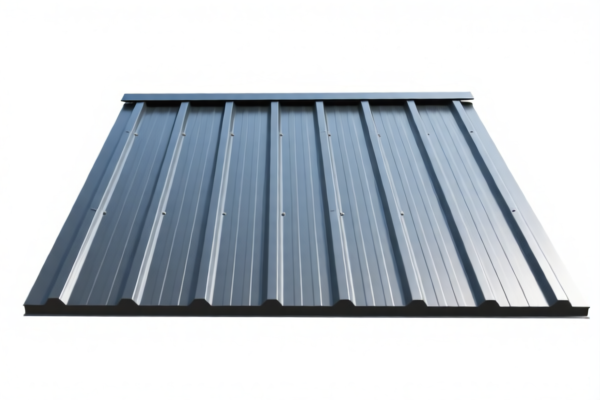
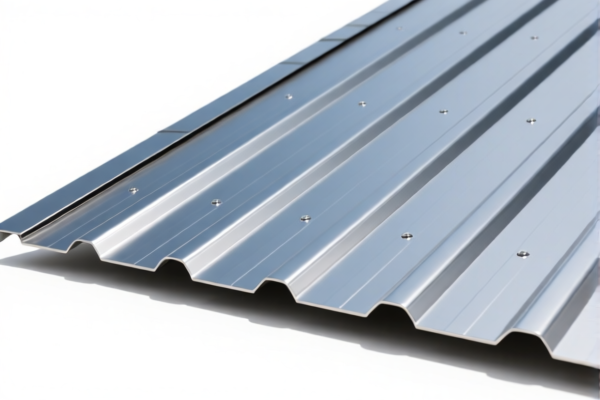
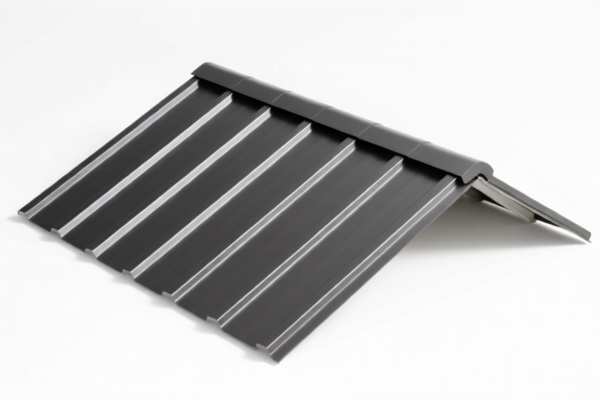
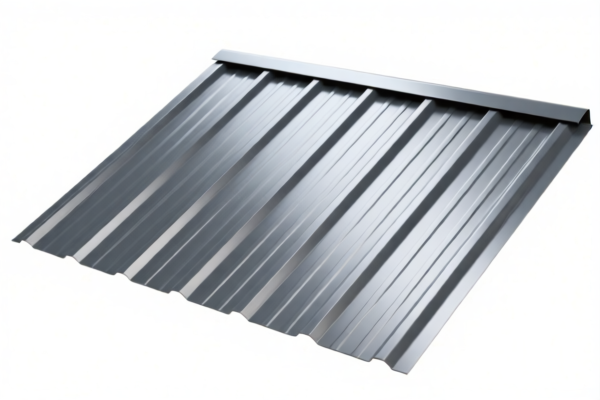
AI Analysis
🛡️ Shockproof Board (Anti-Vibration & Impact-Resistant Panels)
🌐 HS Code Reference & Customs Clearance Guide | 2026 Updated Tariff Analysis | Pro-Level Import Strategy
📌 One, Product Definition & Classification: What Exactly Is a "Shockproof Board"?
A Shockproof Board is a protective component designed to absorb vibrations, reduce impact, and prevent damage in industrial machinery, electronics, transportation systems, and consumer devices. It is commonly used in:
- Industrial equipment (e.g., motors, pumps, compressors)
- Electronic enclosures (e.g., servers, control panels)
- Automotive and aerospace systems
- Consumer electronics (e.g., laptops, power tools)
⚠️ Critical Distinction:
- If made of sulfur-vulcanized rubber or composite rubber materials → classified under rubber products
- If made of plastic or synthetic polymer → classified under plastic products
- If made of steel or iron metal → classified under ferrous metal products🔍 Key Insight:
The material composition determines the HS Code — not the function. A "shockproof board" can be rubber, plastic, or metal. Do not assume it’s rubber just because it’s “anti-vibration.”
📦 Two, HS Code Classification Details (2026 Updated Tariff Authority)
| HS Code | Product Description | Material Type | Use Case | Tax Rate |
|---|---|---|---|---|
4016.99.55.00 |
Other vulcanized rubber articles, for vibration control | Sulfur-vulcanized rubber / composite rubber | Industrial vibration dampers, machine mounts, shock absorbers | 37.5% |
4016.99.30.00 |
Other vulcanized rubber articles, for vibration control | Sulfur-vulcanized rubber | General-purpose anti-vibration pads, isolators | 35.0% |
3926.90.99.89 |
Other plastic articles, not specified | Plastic / synthetic polymer | Lightweight vibration pads, electronic insulation, protective inserts | 22.8% |
7326.19.00.80 |
Other iron or steel articles, not specified | Steel (ferrous metal) | Metal plates, stamped components, structural vibration isolators | 87.9% |
7326.90.86.88 |
Other iron or steel articles, not specified | Iron/Steel (non-specific) | General-purpose metal shock-absorbing plates | 87.9% |
3926.90.45.90 |
Other washers, gaskets, and seals | Plastic / synthetic material | Functional sealing components, vibration-resistant washers | 13.5% |
📌 Why These Codes?
- Rubber-based shockproof boards → fall under Chapter 40 (Rubber & Articles Thereof) →4016.99
- Plastic-based → fall under Chapter 39 (Plastics & Articles Thereof) →3926.90
- Metal-based (steel/iron) → fall under Chapter 73 (Iron & Steel) →7326.90
💰 Three, 2026 Updated Tariff Breakdown (With Full Legal & Policy Details)
✅ Applicable Country: United States (US)
✅ Origin: China (CN)
✅ Effective Date: November 10, 2025 (and ongoing)
🎯 1. 4016.99.55.00 — Vulcanized Rubber, Anti-Vibration Use
| Item | Detail |
|---|---|
| Base Duty | 2.5% (ad valorem) |
| Section 301 (USITC) Additional Tariff | +25.0% |
| Section 122 (IEEPA) Additional Tariff | +10.0% |
| Total Tariff | 37.5% |
| Tax Calculation | CIF Value × 37.5% |
| De Minimis Exemption | ❌ Not applicable (denied under U.S. law) |
| Legal Basis Path | IEEPA:9903.01.25 → USITC:4016.99.55.00 → FOOTNOTE:9903.88.01 |
📌 Explanation:
- 25% USITC Tariff: From Section 301 Investigation on Chinese imports (Trade Act 1974)
- 10% IEEPA Tariff: From International Emergency Economic Powers Act (IEEPA), targeting China’s "unfair trade practices"
- Total 37.5% — high but lower than metal due to lower base rate
🎯 2. 4016.99.30.00 — Other Vulcanized Rubber, Vibration Control
| Item | Detail |
|---|---|
| Base Duty | 0.0% |
| Section 301 (USITC) Additional Tariff | +25.0% |
| Section 122 (IEEPA) Additional Tariff | +10.0% |
| Total Tariff | 35.0% |
| Tax Calculation | CIF Value × 35.0% |
| De Minimis Exemption | ❌ Not allowed |
| Legal Basis Path | IEEPA:9901.25 → USITC:4016.99.30.00 → FOOTNOTE:9903.88.01 |
📌 Note:
- Same policy impact as above, but 0% base rate → slightly lower total than4016.99.55.00
- Still very high — must confirm material is pure vulcanized rubber, not composite
🎯 3. 3926.90.99.89 — Other Plastic Articles, Non-Specific
| Item | Detail |
|---|---|
| Base Duty | 5.3% |
| Section 301 (USITC) Additional Tariff | +7.5% |
| Section 122 (IEEPA) Additional Tariff | +10.0% |
| Total Tariff | 22.8% |
| Tax Calculation | CIF Value × 22.8% |
| De Minimis Exemption | ❌ Not applicable |
| Legal Basis Path | IEEPA:9903.01.24 → USITC:3926.90.99.89 → FOOTNOTE:9903.88.01 |
📌 Insight:
- Plastic-based shockproof boards face lower tariffs than rubber or metal
- USITC 7.5% is lower than 25% for rubber — likely due to different product classification
- Still high, but more manageable than metal
🎯 4. 7326.19.00.80 — Other Iron/Steel Articles (Metal-Based)
| Item | Detail |
|---|---|
| Base Duty | 2.9% |
| Section 301 (USITC) Additional Tariff | +25.0% |
| Section 122 (IEEPA) Additional Tariff | +10.0% |
| Steel, Aluminum, Copper Product Additional Tariff | +50.0% (per U.S. Trade Law) |
| Total Tariff | 87.9% |
| Tax Calculation | CIF Value × 87.9% |
| De Minimis Exemption | ❌ Not allowed |
| Legal Basis Path | IEEPA:9903.01.25 → USITC:7326.19.00.80 → FOOTNOTE:9903.88.01 → ADDITIONAL:50% FOR STEEL/AL/CU |
📌 Warning:
- +50% extra tariff on steel, aluminum, and copper products — one of the highest tariffs in U.S. trade policy
- Total 87.9% — near-taxation — almost impossible to profit
- Avoid metal-based shockproof boards for U.S. export unless re-engineered or sourced from non-China origin
🎯 5. 7326.90.86.88 — Other Iron/Steel Articles (Non-Specific)
| Item | Detail |
|---|---|
| Base Duty | 2.9% |
| Section 301 (USITC) Additional Tariff | +25.0% |
| Section 122 (IEEPA) Additional Tariff | +10.0% |
| Steel, Aluminum, Copper Product Additional Tariff | +50.0% |
| Total Tariff | 87.9% |
| Tax Calculation | CIF Value × 87.9% |
| De Minimis Exemption | ❌ Not allowed |
| Legal Basis Path | Same as above |
📌 Note:
- Identical to7326.19.00.80— same high-risk classification
- Do not use unless proven non-metal or reclassified
🎯 6. 3926.90.45.90 — Other Washers, Gaskets, Seals (Plastic)
| Item | Detail |
|---|---|
| Base Duty | 3.5% |
| Section 301 (USITC) Additional Tariff | 0.0% |
| Section 122 (IEEPA) Additional Tariff | +10.0% |
| Total Tariff | 13.5% |
| Tax Calculation | CIF Value × 13.5% |
| De Minimis Exemption | ❌ Not allowed |
| Legal Basis Path | IEEPA:9903.01.24 → USITC:3926.90.45.90 → FOOTNOTE:9903.88.01 |
📌 Key Advantage:
- No USITC 25% tariff — likely because it’s classified as "seal" or "gasket", not "vibration control"
- Only 10% IEEPA → lowest among all options
- Best choice for plastic-based functional components
🛠️ Four, Customs Clearance Best Practices (Pro Tips to Avoid Penalties)
✅ 1. Required Documentation (Must-Have List)
| Document | Required? | Purpose |
|---|---|---|
| ✅ Product Specification Sheet | ✔️ | Material, thickness, density, function |
| ✅ Material Certificate (e.g., MSDS, COA) | ✔️ | Prove rubber/plastic/steel composition |
| ✅ Product Photos (with label & dimensions) | ✔️ | Show structure, material, mounting |
| ✅ 3D/Structural Diagram | ✔️ | Confirm if it's a pad, washer, or structural plate |
| ✅ Commercial Invoice | ✔️ | Must state “Shockproof Board – [Material]” |
| ✅ Certificate of Origin (CO) | ✔️ | Critical for tariff eligibility |
| ✅ Test Report (e.g., vibration resistance, durability) | ✔️ | Helps justify classification |
✅ 2.申报技巧 (Declaration Tips)
🔥 "Material First, Function Second — Never Assume!"
| Scenario | Correct HS Code | Wrong Code | Risk |
|---|---|---|---|
| Rubber-based vibration pad | 4016.99.55.00 or 4016.99.30.00 |
3926.90.99.89 |
37.5% → 22.8% → Underpayment |
| Plastic-based functional washer | 3926.90.45.90 |
7326.90.86.88 |
13.5% → 87.9% → Massive overpayment |
| Steel plate with vibration function | 7326.19.00.80 |
4016.99.55.00 |
87.9% → 37.5% → Overpaid |
| Mixed material (rubber + metal) | Must classify by dominant material | Split申报 | Detention, penalties, audits |
✅ 3. Special Handling Cases
| Situation | Recommended Action |
|---|---|
| Mixed-material board (rubber + steel) | Declare by dominant material — if rubber >50%, use rubber code |
| OEM or custom shockproof board | Provide engineering drawings + material specs for pre-ruling |
| Used in military/aerospace | Apply for "non-commercial" or "special use" exemption (requires approval) |
| Sourced from Vietnam/Mexico/Thailand | Can qualify for IEEPA exemption → 0% tariff on some codes |
🌍 Five, Global Market Tariff Comparison (2026)
| Country/Region | Recommended HS Code | Tariff | Certification | Notes |
|---|---|---|---|---|
| 🇺🇸 United States | 4016.99.30.00 or 3926.90.45.90 |
13.5%–37.5% | FCC, RoHS, CE | High risk — metal = 87.9% |
| 🇨🇳 China | 4016.99.30.00 |
5% | CCC | No extra tariffs |
| 🇪🇺 EU | 4016.99.30.00 |
0% (if CE) | CE, RoHS | No 301/IEEPA tariffs |
| 🇦🇺 Australia | 3926.90.45.90 |
5% | RCM | No extra tariffs |
| 🇯🇵 Japan | 3926.90.45.90 |
0% | PSE | No additional taxes |
📌 Takeaway:
- U.S. is the most punitive market — especially for metal-based components
- Plastic-based boards are most favorable for U.S. export
- Avoid steel/iron unless origin is non-China
📌 Six, Common Mistakes & How to Avoid Them (Real-World Pitfalls)
❌ Mistake 1: Declaring a metal shockproof board as 4016.99.55.00 (rubber)
👉 Result: 37.5% instead of 87.9% → Underpaid → Audit & penalties
❌ Mistake 2: Using 3926.90.99.89 for rubber-based board
👉 Result: 22.8% instead of 37.5% → Underpayment → Fines
❌ Mistake 3: Splitting a metal plate into "washer + gasket"
👉 Result: Each part taxed at 87.9% → Total 175.8% → Total loss
❌ Mistake 4: Not providing material proof
👉 Result: Customs assumes metal → 87.9% tax → no appeal
✅ Correct Declaration Example:
“Shockproof Board, 10mm thick, sulfur-vulcanized rubber, used for industrial vibration isolation, Model XYZ, Material Certificate Attached, FCC & RoHS Certified”
🎯 Seven, Final Verdict: Choose Wisely, Pay Less, Ship Faster!
🎯 Pro Tip:
🔹 "Material First, Function Second"
🔹 "Plastic = Lower Tax, Metal = High Risk"
🔹 "Rubber = 35–37.5%, Plastic = 13.5–22.8%, Metal = 87.9%!"📌 Bottom Line:
- For U.S. export, avoid steel/iron at all costs
- Prefer plastic or rubber — especially3926.90.45.90for washers/seals
- Always confirm material with lab test or supplier certificate
- Apply for pre-ruling if unsure
📣 Immediate Action Plan:
📞 Contact a U.S. Customs Broker + Provide material test report + Request HS Code Pre-Ruling
🚀 Reduce risk, avoid penalties, and ship with confidence!
✨ Smart Customs Starts with Smart Classification!
💼 Your profit margin depends on the right HS Code — choose wisely!
Customer Reviews
About HS Code Classification
The Harmonized System (HS) is an internationally standardized nomenclature developed by the World Customs Organization (WCO) to classify traded products. Over 200 countries use the HS system as the basis for customs tariffs, trade statistics, and import/export regulations.
Each HS code follows a hierarchical structure:
- Chapter (2 digits) — Broad category of goods (e.g., Chapter 84: Machinery and Mechanical Appliances)
- Heading (4 digits) — More specific grouping within the chapter
- Subheading (6 digits) — Internationally standardized breakdown, used by all WCO member countries
- National subdivisions (8-10 digits) — Country-specific extensions for further classification, such as US HTSUS 10-digit codes
Correct HS code classification is essential for smooth customs clearance, accurate duty payment, and compliance with trade regulations. Misclassification can lead to customs delays, overpayment of duties, or penalties.
When importing from CN to US, the applicable tariff rates may include:
- Most-Favored-Nation (MFN) rate — The standard duty rate applied to WTO members
- General rate — Applied to countries without trade agreements
- Trade remedy duties — Additional tariffs such as Section 301 (anti-dumping), Section 232 (national security), or countervailing duties
The information provided on this page is for reference purposes only. For official classification, please consult with your local customs authority or a licensed customs broker.