Shoes
CN → US| HS编码 | 关税税率 | 原产国 | 目的国 | 文档 |
|---|---|---|---|---|
| 6403516015 | 18.5% | CN | US | 官方文档 |
| 6402914067 | 16.0% | CN | US | 官方文档 |
| 6403519015 | 20.0% | CN | US | 官方文档 |
| 6404206080 | 55.0% | CN | US | 官方文档 |
| 6402919005 | 30.0% | CN | US | 官方文档 |
商品图片
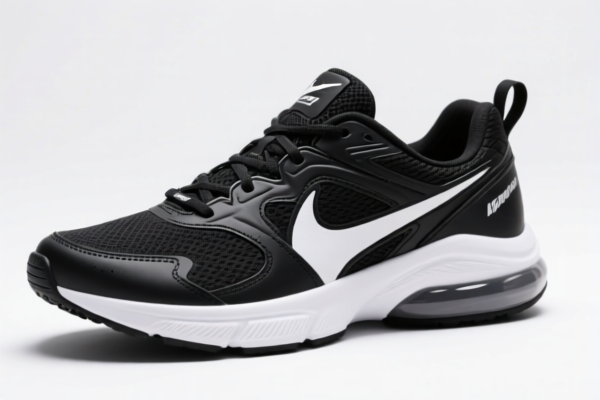
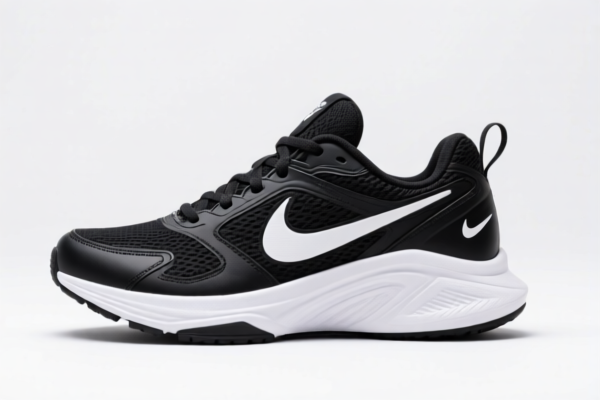


AI分析
👞👟👠 Shoes (Footwear)
🌐 HS Code Reference & Customs Clearance Guide | 2026 Latest Tariff Breakdown | Professional Entry Strategy
📌 I. Product Definition & Classification: Do You Really Know "Shoes"?
Shoes are one of the most dynamic and frequently misclassified product categories in international trade. They cover a vast range of materials, functions, and designs—from leather dress boots to rubber-soled sneakers. In global customs systems, they are primarily divided by:
- Upper Material: Leather, textile, rubber, plastic, or composite.
- Sole Material: Rubber, plastic, leather, textile, or composite.
- Function & Construction: Sports shoes, fashion boots, work boots, sandals, etc.
⚠️ Critical Classification Point:
- Leather Upper + Leather/Textile Sole → Usually 6403.xx
- Rubber/Plastic Sole + Any Upper → Often 6402.xx or 6404.xx
- Specialized Sports Shoes → 6402.91.90 or 6402.91.40 (depending on exact construction)
📦 II. HS Code Classification Details (Based on Provided Data)
| HS Code | Product Description | Material Composition | Key Feature |
|---|---|---|---|
6403.51.60.15 |
Boots, covering the ankle, material likely leather or rubber | Upper: Leather Sole: Leather/Rubber |
Ankle-high leather boots |
6402.91.40.67 |
Boots, material likely rubber or plastic, categorized as "other footwear" | Upper: Rubber/Plastic Sole: Rubber/Plastic |
Rubber/Plastic boots |
6403.51.90.15 |
Boots, upper likely leather, other category | Upper: Leather Sole: Other |
Leather boots (non-standard) |
6404.20.60.80 |
Footwear, sole made of leather or composite fur/leather, upper is textile | Upper: Textile Sole: Leather/Composite |
Textile uppers with leather soles |
6402.91.90.05 |
Sports shoes, outsole and upper likely made of rubber or plastic | Upper: Rubber/Plastic Sole: Rubber/Plastic |
Rubber/Plastic sports shoes |
🔍 Important Reminder:
- Leather content is a primary differentiator for 6403 codes. - Textile uppers with leather soles fall under 6404, often attracting higher tariffs. - Rubber/Plastic construction (especially for sports) falls under 6402, but specific sub-classifications depend on exact material mix.
💰 III. 2026 Latest Tariff Rate Breakdown (Including Surtax & Policy Add-ons)
✅ Target Market: United States (US)
✅ Origin: China (CN)
✅ Effective Date: 2025 November 10 onwards (including subsequent imports)
🎯 1. 6403.51.60.15 —— Leather Ankle Boots
| Item | Content |
|---|---|
| Base Tariff | 8.5% (ad valorem) |
| Section 301 Surtax | +0.0% |
| "122 Clause" Tariff | +10.0% |
| Total Tariff | 18.5% |
| Tax Calculation | CIF Value × 18.5% |
| De Minimis Exemption | ❌ No (Deny) |
| Legal Path | Base:6403.51.60.15 → 122 Clause:10% |
📌 Explanation:
- The 18.5% rate is driven by the combination of base duty (8.5%) and the "122 Clause" surcharge (10%). - Leather boots from China are subject to this specific "122" surcharge, which is a policy-based addition often tied to specific trade investigations or strategic sectors.
🎯 2. 6402.91.40.67 —— Rubber/Plastic Boots
| Item | Content |
|---|---|
| Base Tariff | 6.0% (ad valorem) |
| Section 301 Surtax | +0.0% |
| "122 Clause" Tariff | +10.0% |
| Total Tariff | 16.0% |
| Tax Calculation | CIF Value × 16.0% |
| De Minimis Exemption | ❌ No (Deny) |
| Legal Path | Base:6402.91.40.67 → 122 Clause:10% |
📌 Note:
- Even though the base rate is lower (6.0%), the "122 Clause" 10% applies universally to this category, pushing the total to 16.0%. - This applies to all rubber or plastic footwear not specifically classified elsewhere.
🎯 3. 6403.51.90.15 —— Other Leather Boots
| Item | Content |
|---|---|
| Base Tariff | 10.0% (ad valorem) |
| Section 301 Surtax | +0.0% |
| "122 Clause" Tariff | +10.0% |
| Total Tariff | 20.0% |
| Tax Calculation | CIF Value × 20.0% |
| De Minimis Exemption | ❌ No (Deny) |
| Legal Path | Base:6403.51.90.15 → 122 Clause:10% |
📌 Warning:
- This category has the highest base tariff (10.0%) among leather boots, plus the standard 10% surcharge. - Total 20% makes these boots particularly expensive to import.
🎯 4. 6404.20.60.80 —— Textile Upper with Leather/Composite Sole
| Item | Content |
|---|---|
| Base Tariff | 37.5% (ad valorem) |
| Section 301 Surtax | +7.5% |
| "122 Clause" Tariff | +10.0% |
| Total Tariff | 55.0% |
| Tax Calculation | CIF Value × 55.0% |
| De Minimis Exemption | ❌ No (Deny) |
| Legal Path | Base:6404.20.60.80 → 301:7.5% → 122 Clause:10% |
📌 Critical Alert:
- This is the most heavily taxed category! - The 55.0% total tariff is due to a high base rate (37.5%), additional 301 surcharge (7.5%), and the 122 Clause (10%). - Textile uppers with leather soles are treated as a high-risk/high-cost combination under US trade policy.
🎯 5. 6402.91.90.05 —— Rubber/Plastic Sports Shoes
| Item | Content |
|---|---|
| Base Tariff | 20.0% (ad valorem) |
| Section 301 Surtax | +0.0% |
| "122 Clause" Tariff | +10.0% |
| Total Tariff | 30.0% |
| Tax Calculation | CIF Value × 30.0% |
| De Minimis Exemption | ❌ No (Deny) |
| Legal Path | Base:6402.91.90.05 → 122 Clause:10% |
📌 Note:
- Sports shoes made of rubber/plastic have a high base tariff (20.0%). - Combined with the 10% surcharge, the total reaches 30.0%, making them significantly more expensive than standard footwear.
🛠️ IV. Customs Clearance Practical Advice (Pitfall Avoidance Guide)
✅ 1. Preparation Checklist (Must-Have)
| Document | Required | Purpose |
|---|---|---|
| ✅ Product Specifications | ✔️ | Must specify exact upper/sole materials (Leather? Rubber? Textile?) |
| ✅ Material Composition Report | ✔️ | Critical for distinguishing between 6402, 6403, and 6404 |
| ✅ Product Photos (Clear) | ✔️ | Show sole texture, upper material, and construction details |
| ✅ Third-Party Testing Certs | ✔️ | ISO, ASTM, or specific material safety reports |
| ✅ Commercial Invoice | ✔️ | Must clearly state "Footwear" with HS Code and material breakdown |
| ✅ Packing List | ✔️ | Separate counts by style/material to avoid mixed classification |
✅ 2. Declaration Strategy (Golden Rules)
🔥 "Material First, Construction Second, Name Third!"
| Scenario | Correct Declaration | Wrong Declaration |
|---|---|---|
| Leather Boot | 6403.51.60.15 (Leather Upper) |
Misclassifying as 6402 (Rubber) → 16% (Risk of audit) |
| Textile Shoe + Leather Sole | 6404.20.60.80 |
Declaring as 6404 textile only → 55% vs. 18% (Huge savings lost) |
| Rubber Sports Shoe | 6402.91.90.05 |
Declaring as 6402.91.40 (Boots) → 16% vs. 30% (Underpaid) |
| Mixed Material Shoe | Provide detailed breakdown | Generic "Shoe" declaration → Delay + Penalty |
✅ 3. Special Handling Cases
| Situation | Action Advice |
|---|---|
| Leather vs. Synthetic Leather | Provide material test report. Synthetic may fall under 6404, Leather under 6403. |
| Sole Composition | If sole is composite (e.g., leather + rubber), declare the dominant material. |
| Sports Shoes | If they have special technology (e.g., carbon fiber plate), still declare as 6402.91.90 unless explicitly excluded. |
| High-Value Luxury Boots | Ensure description matches "Leather Upper" strictly to avoid "Other" category penalties. |
🌍 V. Global Market Comparison (2026 Tariff Overview)
| Country/Region | Recommended HS Code | Tariff Rate | Certification | Notes |
|---|---|---|---|---|
| 🇺🇸 USA | 6403.51.60.15 (Leather) |
18.5% - 55.0% | N/A | Highest due to 122 Clause & 301 |
| 🇪🇺 EU | 6403.51.60 (Leather) |
~10% | CE + REACH | Lower base, no 122 Clause |
| 🇨🇦 Canada | 6403.51.60 (Leather) |
~12% | N/A | Moderate |
| 🇦🇺 Australia | 6403.51.60 (Leather) |
~15% | N/A | Standard |
| 🇯🇵 Japan | 6403.51.60 (Leather) |
~10% | N/A | Competitive |
📌 Conclusion:
- The USA has the most complex and highest tariff structure for footwear, especially for Textile+Leather combinations. - China-origin footwear faces significant 122 Clause and 301 surcharges. - Diversification to Vietnam, Thailand, or Mexico can significantly reduce costs (exempt from 122 Clause).
📌 VI. Common Mistakes & Pitfalls (Lessons Learned)
❌ Mistake 1: Declaring Textile + Leather Sole shoes as Textile Only
👉 Result: Tariff jumps from 55% (Correct) to potentially lower rates, leading to underpayment and severe penalties.
❌ Mistake 2: Mixing Leather Boots and Rubber Boots in one shipment without clear separation
👉 Result: Customs may reject the entire shipment or apply the highest rate (55%) to all items.
❌ Mistake 3: Failing to specify Sole Material on the invoice
👉 Result: Customs cannot classify → Delay and Additional Inspection Fees.
❌ Mistake 4: Using generic terms like "Shoes" without HS Code
👉 Result: Automatic rejection or misclassification → Refund/Re-export risk.
✅ Best Practice:
"Men's Leather Ankle Boots, Sole: Rubber, Upper: Full Grain Leather, Size 10, Style XYZ, Made in China"
🎯 VII. Conclusion: Precision is Profit!
🎯 Remember the Mnemonic:
🔹 "Leather Upper = 6403, Rubber/Plastic = 6402, Textile+Leather = 6404 (Expensive!)"
🔹 "122 Clause +301 = High Cost, Precision Declaration = Savings!"
📌 Pro Tip:
If your shoes are manufactured in Vietnam, Mexico, or Thailand, you can avoid the 10% 122 Clause surcharge, potentially saving 10%~15% on total landed cost.
🚀 Next Step:
1. Verify Material Composition with suppliers.
2. Apply for HS Code Pre-Ruling from US CBP.
3. Prepare Detailed Material Reports before shipment.
✨ Professional Customs Clearance Starts with Accurate Classification!
💼 Every dollar saved is a dollar earned!
用户评价
关于 HS 编码归类
协调制度(HS)是由世界海关组织(WCO)制定的国际贸易商品分类标准。全球 200 多个国家采用 HS 系统作为海关关税、贸易统计和进出口监管的基础。
每个 HS 编码遵循以下层级结构:
- 章(2 位)——商品大类(例如:第 84 章:机器和机械设备)
- 品目(4 位)——章内的更具体分类
- 子目(6 位)——国际通用细分,所有 WCO 成员国统一使用
- 本国细分(8-10 位)——各国自行扩展的细分编码,如美国 HTSUS 10 位编码
正确的 HS 编码归类对于顺利通关、准确缴纳关税和遵守贸易法规至关重要。错误归类可能导致海关延误、多缴关税或罚款。
从CN进口到US时,适用的关税税率可能包括:
- 最惠国(MFN)税率——适用于 WTO 成员国的标准关税税率
- 普通税率——适用于无贸易协定国家
- 贸易救济关税——附加关税,如 301 条款(反倾销)、232 条款(国家安全)或反补贴税
本页内容仅供参考。如需正式归类,请咨询当地海关或持牌报关代理。