Shoes
CN → US| HS Code | Tariff Rate | Origin | Destination | Doc |
|---|---|---|---|---|
| 6403516015 | 18.5% | CN | US | Official Doc |
| 6402914067 | 16.0% | CN | US | Official Doc |
| 6403519015 | 20.0% | CN | US | Official Doc |
| 6404206080 | 55.0% | CN | US | Official Doc |
| 6402919005 | 30.0% | CN | US | Official Doc |
Product Images
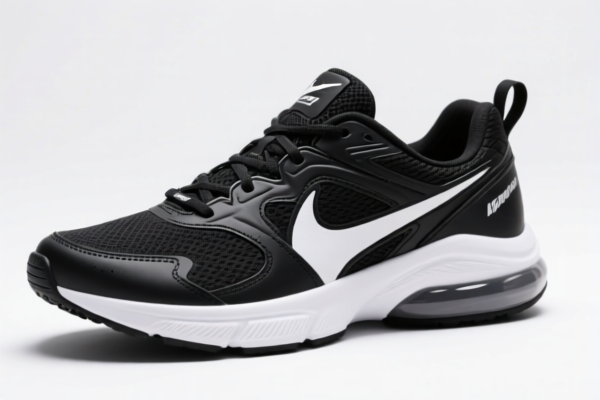
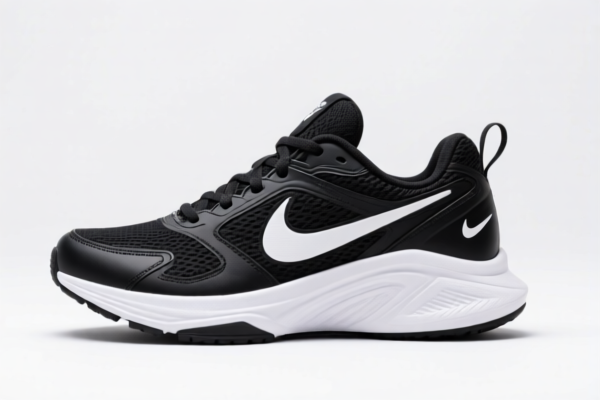


AI Analysis
👞👟👠 Shoes (Footwear)
🌐 HS Code Reference & Customs Clearance Guide | 2026 Latest Tariff Breakdown | Professional Entry Strategy
📌 I. Product Definition & Classification: Do You Really Know "Shoes"?
Shoes are one of the most dynamic and frequently misclassified product categories in international trade. They cover a vast range of materials, functions, and designs—from leather dress boots to rubber-soled sneakers. In global customs systems, they are primarily divided by:
- Upper Material: Leather, textile, rubber, plastic, or composite.
- Sole Material: Rubber, plastic, leather, textile, or composite.
- Function & Construction: Sports shoes, fashion boots, work boots, sandals, etc.
⚠️ Critical Classification Point:
- Leather Upper + Leather/Textile Sole → Usually 6403.xx
- Rubber/Plastic Sole + Any Upper → Often 6402.xx or 6404.xx
- Specialized Sports Shoes → 6402.91.90 or 6402.91.40 (depending on exact construction)
📦 II. HS Code Classification Details (Based on Provided Data)
| HS Code | Product Description | Material Composition | Key Feature |
|---|---|---|---|
6403.51.60.15 |
Boots, covering the ankle, material likely leather or rubber | Upper: Leather Sole: Leather/Rubber |
Ankle-high leather boots |
6402.91.40.67 |
Boots, material likely rubber or plastic, categorized as "other footwear" | Upper: Rubber/Plastic Sole: Rubber/Plastic |
Rubber/Plastic boots |
6403.51.90.15 |
Boots, upper likely leather, other category | Upper: Leather Sole: Other |
Leather boots (non-standard) |
6404.20.60.80 |
Footwear, sole made of leather or composite fur/leather, upper is textile | Upper: Textile Sole: Leather/Composite |
Textile uppers with leather soles |
6402.91.90.05 |
Sports shoes, outsole and upper likely made of rubber or plastic | Upper: Rubber/Plastic Sole: Rubber/Plastic |
Rubber/Plastic sports shoes |
🔍 Important Reminder:
- Leather content is a primary differentiator for 6403 codes. - Textile uppers with leather soles fall under 6404, often attracting higher tariffs. - Rubber/Plastic construction (especially for sports) falls under 6402, but specific sub-classifications depend on exact material mix.
💰 III. 2026 Latest Tariff Rate Breakdown (Including Surtax & Policy Add-ons)
✅ Target Market: United States (US)
✅ Origin: China (CN)
✅ Effective Date: 2025 November 10 onwards (including subsequent imports)
🎯 1. 6403.51.60.15 —— Leather Ankle Boots
| Item | Content |
|---|---|
| Base Tariff | 8.5% (ad valorem) |
| Section 301 Surtax | +0.0% |
| "122 Clause" Tariff | +10.0% |
| Total Tariff | 18.5% |
| Tax Calculation | CIF Value × 18.5% |
| De Minimis Exemption | ❌ No (Deny) |
| Legal Path | Base:6403.51.60.15 → 122 Clause:10% |
📌 Explanation:
- The 18.5% rate is driven by the combination of base duty (8.5%) and the "122 Clause" surcharge (10%). - Leather boots from China are subject to this specific "122" surcharge, which is a policy-based addition often tied to specific trade investigations or strategic sectors.
🎯 2. 6402.91.40.67 —— Rubber/Plastic Boots
| Item | Content |
|---|---|
| Base Tariff | 6.0% (ad valorem) |
| Section 301 Surtax | +0.0% |
| "122 Clause" Tariff | +10.0% |
| Total Tariff | 16.0% |
| Tax Calculation | CIF Value × 16.0% |
| De Minimis Exemption | ❌ No (Deny) |
| Legal Path | Base:6402.91.40.67 → 122 Clause:10% |
📌 Note:
- Even though the base rate is lower (6.0%), the "122 Clause" 10% applies universally to this category, pushing the total to 16.0%. - This applies to all rubber or plastic footwear not specifically classified elsewhere.
🎯 3. 6403.51.90.15 —— Other Leather Boots
| Item | Content |
|---|---|
| Base Tariff | 10.0% (ad valorem) |
| Section 301 Surtax | +0.0% |
| "122 Clause" Tariff | +10.0% |
| Total Tariff | 20.0% |
| Tax Calculation | CIF Value × 20.0% |
| De Minimis Exemption | ❌ No (Deny) |
| Legal Path | Base:6403.51.90.15 → 122 Clause:10% |
📌 Warning:
- This category has the highest base tariff (10.0%) among leather boots, plus the standard 10% surcharge. - Total 20% makes these boots particularly expensive to import.
🎯 4. 6404.20.60.80 —— Textile Upper with Leather/Composite Sole
| Item | Content |
|---|---|
| Base Tariff | 37.5% (ad valorem) |
| Section 301 Surtax | +7.5% |
| "122 Clause" Tariff | +10.0% |
| Total Tariff | 55.0% |
| Tax Calculation | CIF Value × 55.0% |
| De Minimis Exemption | ❌ No (Deny) |
| Legal Path | Base:6404.20.60.80 → 301:7.5% → 122 Clause:10% |
📌 Critical Alert:
- This is the most heavily taxed category! - The 55.0% total tariff is due to a high base rate (37.5%), additional 301 surcharge (7.5%), and the 122 Clause (10%). - Textile uppers with leather soles are treated as a high-risk/high-cost combination under US trade policy.
🎯 5. 6402.91.90.05 —— Rubber/Plastic Sports Shoes
| Item | Content |
|---|---|
| Base Tariff | 20.0% (ad valorem) |
| Section 301 Surtax | +0.0% |
| "122 Clause" Tariff | +10.0% |
| Total Tariff | 30.0% |
| Tax Calculation | CIF Value × 30.0% |
| De Minimis Exemption | ❌ No (Deny) |
| Legal Path | Base:6402.91.90.05 → 122 Clause:10% |
📌 Note:
- Sports shoes made of rubber/plastic have a high base tariff (20.0%). - Combined with the 10% surcharge, the total reaches 30.0%, making them significantly more expensive than standard footwear.
🛠️ IV. Customs Clearance Practical Advice (Pitfall Avoidance Guide)
✅ 1. Preparation Checklist (Must-Have)
| Document | Required | Purpose |
|---|---|---|
| ✅ Product Specifications | ✔️ | Must specify exact upper/sole materials (Leather? Rubber? Textile?) |
| ✅ Material Composition Report | ✔️ | Critical for distinguishing between 6402, 6403, and 6404 |
| ✅ Product Photos (Clear) | ✔️ | Show sole texture, upper material, and construction details |
| ✅ Third-Party Testing Certs | ✔️ | ISO, ASTM, or specific material safety reports |
| ✅ Commercial Invoice | ✔️ | Must clearly state "Footwear" with HS Code and material breakdown |
| ✅ Packing List | ✔️ | Separate counts by style/material to avoid mixed classification |
✅ 2. Declaration Strategy (Golden Rules)
🔥 "Material First, Construction Second, Name Third!"
| Scenario | Correct Declaration | Wrong Declaration |
|---|---|---|
| Leather Boot | 6403.51.60.15 (Leather Upper) |
Misclassifying as 6402 (Rubber) → 16% (Risk of audit) |
| Textile Shoe + Leather Sole | 6404.20.60.80 |
Declaring as 6404 textile only → 55% vs. 18% (Huge savings lost) |
| Rubber Sports Shoe | 6402.91.90.05 |
Declaring as 6402.91.40 (Boots) → 16% vs. 30% (Underpaid) |
| Mixed Material Shoe | Provide detailed breakdown | Generic "Shoe" declaration → Delay + Penalty |
✅ 3. Special Handling Cases
| Situation | Action Advice |
|---|---|
| Leather vs. Synthetic Leather | Provide material test report. Synthetic may fall under 6404, Leather under 6403. |
| Sole Composition | If sole is composite (e.g., leather + rubber), declare the dominant material. |
| Sports Shoes | If they have special technology (e.g., carbon fiber plate), still declare as 6402.91.90 unless explicitly excluded. |
| High-Value Luxury Boots | Ensure description matches "Leather Upper" strictly to avoid "Other" category penalties. |
🌍 V. Global Market Comparison (2026 Tariff Overview)
| Country/Region | Recommended HS Code | Tariff Rate | Certification | Notes |
|---|---|---|---|---|
| 🇺🇸 USA | 6403.51.60.15 (Leather) |
18.5% - 55.0% | N/A | Highest due to 122 Clause & 301 |
| 🇪🇺 EU | 6403.51.60 (Leather) |
~10% | CE + REACH | Lower base, no 122 Clause |
| 🇨🇦 Canada | 6403.51.60 (Leather) |
~12% | N/A | Moderate |
| 🇦🇺 Australia | 6403.51.60 (Leather) |
~15% | N/A | Standard |
| 🇯🇵 Japan | 6403.51.60 (Leather) |
~10% | N/A | Competitive |
📌 Conclusion:
- The USA has the most complex and highest tariff structure for footwear, especially for Textile+Leather combinations. - China-origin footwear faces significant 122 Clause and 301 surcharges. - Diversification to Vietnam, Thailand, or Mexico can significantly reduce costs (exempt from 122 Clause).
📌 VI. Common Mistakes & Pitfalls (Lessons Learned)
❌ Mistake 1: Declaring Textile + Leather Sole shoes as Textile Only
👉 Result: Tariff jumps from 55% (Correct) to potentially lower rates, leading to underpayment and severe penalties.
❌ Mistake 2: Mixing Leather Boots and Rubber Boots in one shipment without clear separation
👉 Result: Customs may reject the entire shipment or apply the highest rate (55%) to all items.
❌ Mistake 3: Failing to specify Sole Material on the invoice
👉 Result: Customs cannot classify → Delay and Additional Inspection Fees.
❌ Mistake 4: Using generic terms like "Shoes" without HS Code
👉 Result: Automatic rejection or misclassification → Refund/Re-export risk.
✅ Best Practice:
"Men's Leather Ankle Boots, Sole: Rubber, Upper: Full Grain Leather, Size 10, Style XYZ, Made in China"
🎯 VII. Conclusion: Precision is Profit!
🎯 Remember the Mnemonic:
🔹 "Leather Upper = 6403, Rubber/Plastic = 6402, Textile+Leather = 6404 (Expensive!)"
🔹 "122 Clause +301 = High Cost, Precision Declaration = Savings!"
📌 Pro Tip:
If your shoes are manufactured in Vietnam, Mexico, or Thailand, you can avoid the 10% 122 Clause surcharge, potentially saving 10%~15% on total landed cost.
🚀 Next Step:
1. Verify Material Composition with suppliers.
2. Apply for HS Code Pre-Ruling from US CBP.
3. Prepare Detailed Material Reports before shipment.
✨ Professional Customs Clearance Starts with Accurate Classification!
💼 Every dollar saved is a dollar earned!
Customer Reviews
About HS Code Classification
The Harmonized System (HS) is an internationally standardized nomenclature developed by the World Customs Organization (WCO) to classify traded products. Over 200 countries use the HS system as the basis for customs tariffs, trade statistics, and import/export regulations.
Each HS code follows a hierarchical structure:
- Chapter (2 digits) — Broad category of goods (e.g., Chapter 84: Machinery and Mechanical Appliances)
- Heading (4 digits) — More specific grouping within the chapter
- Subheading (6 digits) — Internationally standardized breakdown, used by all WCO member countries
- National subdivisions (8-10 digits) — Country-specific extensions for further classification, such as US HTSUS 10-digit codes
Correct HS code classification is essential for smooth customs clearance, accurate duty payment, and compliance with trade regulations. Misclassification can lead to customs delays, overpayment of duties, or penalties.
When importing from CN to US, the applicable tariff rates may include:
- Most-Favored-Nation (MFN) rate — The standard duty rate applied to WTO members
- General rate — Applied to countries without trade agreements
- Trade remedy duties — Additional tariffs such as Section 301 (anti-dumping), Section 232 (national security), or countervailing duties
The information provided on this page is for reference purposes only. For official classification, please consult with your local customs authority or a licensed customs broker.