Short sleeved shirt
CN → US| HS编码 | 关税税率 | 原产国 | 目的国 | 文档 |
|---|---|---|---|---|
| 6109100004 | 34.0% | CN | US | 官方文档 |
| 6205202026 | 37.2% | CN | US | 官方文档 |
| 6109100012 | 34.0% | CN | US | 官方文档 |
| 6104230036 | 0.0% | CN | US | 官方文档 |
| 6205202031 | 37.2% | CN | US | 官方文档 |
商品图片

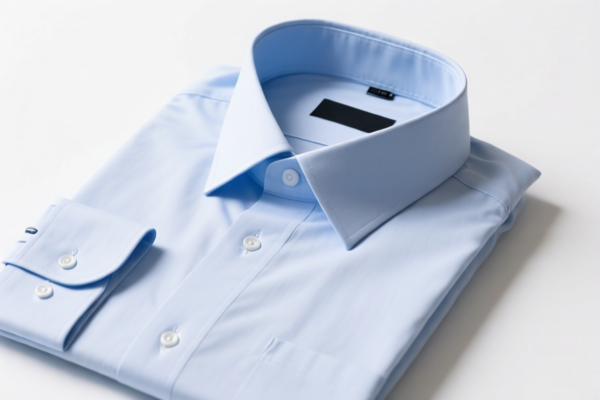

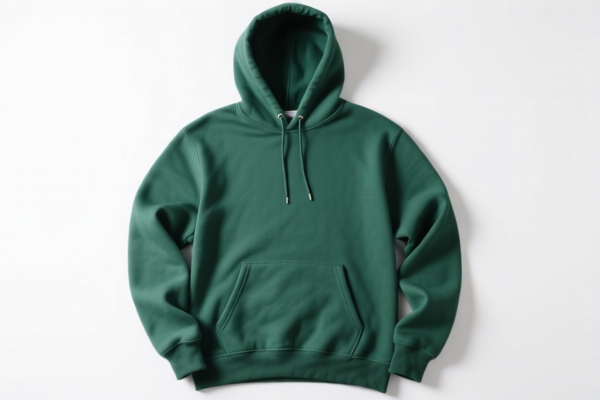
AI分析
👔 Short-Sleeved Shirts: The Ultimate HS Code & Tariff Guide (2026)
🌐 Global Trade Compliance & Tariff Decoded | 2026 Update | Smart Clearance Strategy
📌 Part 1: What is a "Short-Sleeved Shirt"? The Hidden Complexity
In international trade, "Short-Sleeved Shirt" is a broad term that can lead to drastically different HS Codes depending on Material, Knitting Method, and Gender. A simple misclassification can result in a 40% price increase due to the US "Section 301" and "Section 122" tariffs on Chinese goods.
⚠️ Critical Distinction:
- Knitted/Tee-style (e.g., Cotton T-shirts, Polo shirts) → Chapter 61 (Knitted)
- Woven/Shirt-style (e.g., Button-down, Oxford cloth) → Chapter 62 (Woven)
- Material Matters: Cotton vs. Synthetic fibers determines the specific sub-code!
📦 Part 2: HS Code Classification Matrix (2026 Data)
Based on the provided dataset, here is the breakdown of Short-Sleeved Shirts by classification logic.
| HS Code | Product Description & Summary | Material/Type | Key Classification Logic |
|---|---|---|---|
| 6109.10.00.04 | Knitted T-shirts / Short-sleeved tops | Cotton or Synthetic | Knitted fabric, casual style, short sleeves. (Often T-shirts or Polo shirts). |
| 6109.10.00.12 | Knitted Short-Sleeved Shirts | Cotton or Polyester | Knitted fabric, T-shirt style. Often confused with woven shirts but classified under Chapter 61. |
| 6205.20.20.26 | Men's Cotton Shirts | Cotton | Woven fabric, short sleeves, Men's formal or casual shirt. (Chapter 62). |
| 6205.20.20.31 | Other Formal Cotton/Hybrid Shirts | Cotton or Blends | Woven fabric, "Other" formal or semi-formal shirts, short sleeves. (Chapter 62). |
| 6104.23.00.36 | Synthetic Fiber Shirts | Synthetic Fiber | Knitted fabric, short sleeves, Synthetic (Man-made) material. |
🔍 Key Insight:
- 61xx codes = Knitted (Soft, stretchy, T-shirt like).
- 62xx codes = Woven (Stiffer, structured, Button-down like).
- 2026 Reality: US tariffs are aggressively applied to both knitted and woven Chinese apparel.
💰 Part 3: 2026 Tariff Rate Deep Dive (USA / China Origin)
Context:
✅ Target Market: United States (US)
✅ Origin: China (CN)
✅ Applicable Schemes: Section 301 (Trade War), Section 122 (New Tariffs)
🚨 The "Total Tax" Formula
All items in the dataset share a common structure:
Total Tax = Base Duty + Section 301 (Added) + Section 122 (Added)
🎯 Scenario A: Knitted Shirts (Cotton & Synthetic)
Applies to: 6109.10.00.04, 6109.10.00.12, 6104.23.00.36
| Component | Rate | Source |
|---|---|---|
| Base Duty | 16.5% | Standard MFN (Most Favored Nation) rate |
| Section 301 | +7.5% | "Added Tariff" (Section 301) |
| Section 122 | +10.0% | "122 Section Tariff" (New Add-on) |
| 💥 TOTAL TAX | 34.0% | High Barrier |
📌 Explanation:
Knitted cotton and synthetic short-sleeved shirts face a 34% total tax burden.
- 6104.23.00.36 (Synthetic) has a complex base duty description (The rate applicable to each garment in the ensemble if separately...) but effectively lands at 34% total when combined with the 7.5% and 10% add-ons.
🎯 Scenario B: Woven Men's Cotton Shirts
Applies to: 6205.20.20.26, 6205.20.20.31
| Component | Rate | Source |
|---|---|---|
| Base Duty | 19.7% | Higher base rate for woven men's shirts |
| Section 301 | +7.5% | "Added Tariff" (Section 301) |
| Section 122 | +10.0% | "122 Section Tariff" (New Add-on) |
| 💥 TOTAL TAX | 37.2% | Highest Barrier |
📌 Explanation:
Woven men's cotton shirts (often formal or business casual) are taxed at 37.2%.
- The base duty is higher (19.7%) because woven shirts are traditionally considered more "premium" or structured than knitted T-shirts.
🛠️ Part 4: Clearance & Logistics Strategy (Action Plan)
✅ 1. Material Verification (The "Knit" vs. "Woven" Test)
Before shipping, do not guess the HS Code. - Stretch Test: If the fabric stretches easily and feels like a jersey, it's likely 61xx (Knitted). - Stiffness Test: If the fabric holds its shape and requires buttons/zippers to open, it's likely 62xx (Woven). - Rule: Misclassifying a woven shirt as a knitted shirt to save 3.2% tax (34% vs 37.2%) is fraudulent and risks severe penalties.
✅ 2. Documentation Checklist for US Entry
| Document | Requirement | Why it Matters |
|---|---|---|
| Composition Label | Must state % Cotton vs. % Polyester | Determines if it's 6109 (Knitted) or 6205 (Woven). |
| Country of Origin | "Made in China" triggers Section 122 (10%) | Essential for calculating the Total 34% or 37.2%. |
| Bill of Lading | Must match the HS Code exactly | Customs will reject if the description doesn't match the Code. |
| Commercial Invoice | Must list "Short-Sleeved Shirt" + Material | Avoids generic terms like "Clothing" which cause delays. |
✅ 3. Strategic Cost Optimization Tips
- Avoid "Ensemble" Packaging: Do not ship a shirt with pants as a "Set" if the code
6104.23.00.36suggests a complex "ensemble" calculation. Ship separately if possible to simplify valuation. - Pre-Clearance: Given the 34% - 37.2% rates, budget accurately. There is no "de minimis" exemption for these high-volume apparel items from China.
- Labeling Compliance: Ensure the "Made in China" label is clearly visible. If omitted, Customs may apply the highest possible duty rate for the country of unknown origin.
🌍 Part 5: Global Comparison (2026 Outlook)
| Region | Typical Base Rate | Section 301/122 | Effective Total |
|---|---|---|---|
| 🇺🇸 USA | 16.5% - 19.7% | +17.5% (7.5% + 10%) | 34.0% - 37.2% |
| 🇨🇦 Canada | Varies (Often 0-5%) | No Section 301 | ~5-10% (Much cheaper!) |
| 🇪🇺 EU | 12% - 16% | No Section 301 | ~20-25% (No extra 10%) |
| 🇯🇵 Japan | 10% - 15% | No Section 301 | ~15-20% |
📌 Strategic Advice:
The US market is the most expensive for Chinese short-sleeved shirts due to the Section 122 (10%) surcharge. Consider diversifying supply chains to Vietnam or Bangladesh to bypass these specific US tariffs.
🚨 Part 6: Common Pitfalls & Red Flags
❌ Pitfall 1: "T-Shirt" vs. "Shirt" Confusion
Mistake: Calling a woven button-down a "T-Shirt" to get the lower 61xx code.
Consequence: Seizure + 100% Penalty. Woven shirts must go to 62xx.
❌ Pitfall 2: Ignoring the "122 Section"
Mistake: Only calculating the base 16.5% + 7.5%.
Consequence: You are missing 10% of the tax. Total cost is 34% (or 37.2%), not 24%.
❌ Pitfall 3: Blending Materials
Mistake: "Cotton/Poly Blend" without specifying percentages.
Consequence: Customs may force the code with the highest duty (usually the synthetic component if it's >50%, or the worst-case scenario).
🎯 Conclusion: The Bottom Line for Short-Sleeved Shirts
For 2026 US Imports from China:
- Knitted (Cotton/Poly): 34.0% Total Tax (6109.10.00.04 / 6109.10.00.12).
- Woven (Men's Cotton): 37.2% Total Tax (6205.20.20.26 / 6205.20.20.31).
- Synthetic Knitted: 34.0% Total Tax (6104.23.00.36).
🚀 Final Tip:
"Know your fabric, know your code."
The difference between 34% and 37.2% is small, but the difference between Knitted and Woven is massive. Always provide photos of the fabric texture to your customs broker to ensure the correct classification.
✨ Pro Tip: If you can prove the goods are NOT of Chinese origin (e.g., Made in Vietnam), you can avoid the 7.5% (301) and 10% (122) taxes entirely, dropping the rate to the Base Duty only (often 0-12% depending on the country). Check your supply chain!
用户评价
关于 HS 编码归类
协调制度(HS)是由世界海关组织(WCO)制定的国际贸易商品分类标准。全球 200 多个国家采用 HS 系统作为海关关税、贸易统计和进出口监管的基础。
每个 HS 编码遵循以下层级结构:
- 章(2 位)——商品大类(例如:第 84 章:机器和机械设备)
- 品目(4 位)——章内的更具体分类
- 子目(6 位)——国际通用细分,所有 WCO 成员国统一使用
- 本国细分(8-10 位)——各国自行扩展的细分编码,如美国 HTSUS 10 位编码
正确的 HS 编码归类对于顺利通关、准确缴纳关税和遵守贸易法规至关重要。错误归类可能导致海关延误、多缴关税或罚款。
从CN进口到US时,适用的关税税率可能包括:
- 最惠国(MFN)税率——适用于 WTO 成员国的标准关税税率
- 普通税率——适用于无贸易协定国家
- 贸易救济关税——附加关税,如 301 条款(反倾销)、232 条款(国家安全)或反补贴税
本页内容仅供参考。如需正式归类,请咨询当地海关或持牌报关代理。