Short sleeved shirt
CN → US| HS Code | Tariff Rate | Origin | Destination | Doc |
|---|---|---|---|---|
| 6109100004 | 34.0% | CN | US | Official Doc |
| 6205202026 | 37.2% | CN | US | Official Doc |
| 6109100012 | 34.0% | CN | US | Official Doc |
| 6104230036 | 0.0% | CN | US | Official Doc |
| 6205202031 | 37.2% | CN | US | Official Doc |
Product Images

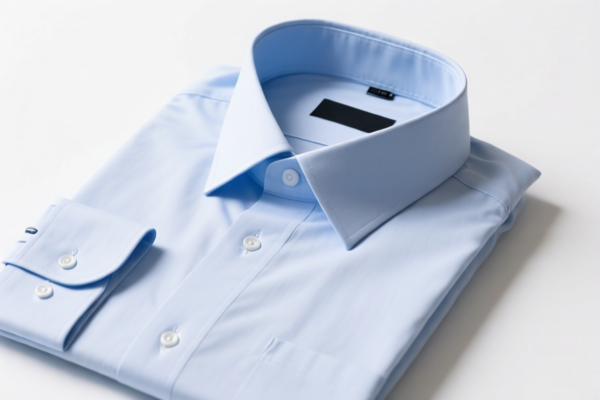

AI Analysis
👔 Short-Sleeved Shirts: The Ultimate HS Code & Tariff Guide (2026)
🌐 Global Trade Compliance & Tariff Decoded | 2026 Update | Smart Clearance Strategy
📌 Part 1: What is a "Short-Sleeved Shirt"? The Hidden Complexity
In international trade, "Short-Sleeved Shirt" is a broad term that can lead to drastically different HS Codes depending on Material, Knitting Method, and Gender. A simple misclassification can result in a 40% price increase due to the US "Section 301" and "Section 122" tariffs on Chinese goods.
⚠️ Critical Distinction:
- Knitted/Tee-style (e.g., Cotton T-shirts, Polo shirts) → Chapter 61 (Knitted)
- Woven/Shirt-style (e.g., Button-down, Oxford cloth) → Chapter 62 (Woven)
- Material Matters: Cotton vs. Synthetic fibers determines the specific sub-code!
📦 Part 2: HS Code Classification Matrix (2026 Data)
Based on the provided dataset, here is the breakdown of Short-Sleeved Shirts by classification logic.
| HS Code | Product Description & Summary | Material/Type | Key Classification Logic |
|---|---|---|---|
| 6109.10.00.04 | Knitted T-shirts / Short-sleeved tops | Cotton or Synthetic | Knitted fabric, casual style, short sleeves. (Often T-shirts or Polo shirts). |
| 6109.10.00.12 | Knitted Short-Sleeved Shirts | Cotton or Polyester | Knitted fabric, T-shirt style. Often confused with woven shirts but classified under Chapter 61. |
| 6205.20.20.26 | Men's Cotton Shirts | Cotton | Woven fabric, short sleeves, Men's formal or casual shirt. (Chapter 62). |
| 6205.20.20.31 | Other Formal Cotton/Hybrid Shirts | Cotton or Blends | Woven fabric, "Other" formal or semi-formal shirts, short sleeves. (Chapter 62). |
| 6104.23.00.36 | Synthetic Fiber Shirts | Synthetic Fiber | Knitted fabric, short sleeves, Synthetic (Man-made) material. |
🔍 Key Insight:
- 61xx codes = Knitted (Soft, stretchy, T-shirt like).
- 62xx codes = Woven (Stiffer, structured, Button-down like).
- 2026 Reality: US tariffs are aggressively applied to both knitted and woven Chinese apparel.
💰 Part 3: 2026 Tariff Rate Deep Dive (USA / China Origin)
Context:
✅ Target Market: United States (US)
✅ Origin: China (CN)
✅ Applicable Schemes: Section 301 (Trade War), Section 122 (New Tariffs)
🚨 The "Total Tax" Formula
All items in the dataset share a common structure:
Total Tax = Base Duty + Section 301 (Added) + Section 122 (Added)
🎯 Scenario A: Knitted Shirts (Cotton & Synthetic)
Applies to: 6109.10.00.04, 6109.10.00.12, 6104.23.00.36
| Component | Rate | Source |
|---|---|---|
| Base Duty | 16.5% | Standard MFN (Most Favored Nation) rate |
| Section 301 | +7.5% | "Added Tariff" (Section 301) |
| Section 122 | +10.0% | "122 Section Tariff" (New Add-on) |
| 💥 TOTAL TAX | 34.0% | High Barrier |
📌 Explanation:
Knitted cotton and synthetic short-sleeved shirts face a 34% total tax burden.
- 6104.23.00.36 (Synthetic) has a complex base duty description (The rate applicable to each garment in the ensemble if separately...) but effectively lands at 34% total when combined with the 7.5% and 10% add-ons.
🎯 Scenario B: Woven Men's Cotton Shirts
Applies to: 6205.20.20.26, 6205.20.20.31
| Component | Rate | Source |
|---|---|---|
| Base Duty | 19.7% | Higher base rate for woven men's shirts |
| Section 301 | +7.5% | "Added Tariff" (Section 301) |
| Section 122 | +10.0% | "122 Section Tariff" (New Add-on) |
| 💥 TOTAL TAX | 37.2% | Highest Barrier |
📌 Explanation:
Woven men's cotton shirts (often formal or business casual) are taxed at 37.2%.
- The base duty is higher (19.7%) because woven shirts are traditionally considered more "premium" or structured than knitted T-shirts.
🛠️ Part 4: Clearance & Logistics Strategy (Action Plan)
✅ 1. Material Verification (The "Knit" vs. "Woven" Test)
Before shipping, do not guess the HS Code. - Stretch Test: If the fabric stretches easily and feels like a jersey, it's likely 61xx (Knitted). - Stiffness Test: If the fabric holds its shape and requires buttons/zippers to open, it's likely 62xx (Woven). - Rule: Misclassifying a woven shirt as a knitted shirt to save 3.2% tax (34% vs 37.2%) is fraudulent and risks severe penalties.
✅ 2. Documentation Checklist for US Entry
| Document | Requirement | Why it Matters |
|---|---|---|
| Composition Label | Must state % Cotton vs. % Polyester | Determines if it's 6109 (Knitted) or 6205 (Woven). |
| Country of Origin | "Made in China" triggers Section 122 (10%) | Essential for calculating the Total 34% or 37.2%. |
| Bill of Lading | Must match the HS Code exactly | Customs will reject if the description doesn't match the Code. |
| Commercial Invoice | Must list "Short-Sleeved Shirt" + Material | Avoids generic terms like "Clothing" which cause delays. |
✅ 3. Strategic Cost Optimization Tips
- Avoid "Ensemble" Packaging: Do not ship a shirt with pants as a "Set" if the code
6104.23.00.36suggests a complex "ensemble" calculation. Ship separately if possible to simplify valuation. - Pre-Clearance: Given the 34% - 37.2% rates, budget accurately. There is no "de minimis" exemption for these high-volume apparel items from China.
- Labeling Compliance: Ensure the "Made in China" label is clearly visible. If omitted, Customs may apply the highest possible duty rate for the country of unknown origin.
🌍 Part 5: Global Comparison (2026 Outlook)
| Region | Typical Base Rate | Section 301/122 | Effective Total |
|---|---|---|---|
| 🇺🇸 USA | 16.5% - 19.7% | +17.5% (7.5% + 10%) | 34.0% - 37.2% |
| 🇨🇦 Canada | Varies (Often 0-5%) | No Section 301 | ~5-10% (Much cheaper!) |
| 🇪🇺 EU | 12% - 16% | No Section 301 | ~20-25% (No extra 10%) |
| 🇯🇵 Japan | 10% - 15% | No Section 301 | ~15-20% |
📌 Strategic Advice:
The US market is the most expensive for Chinese short-sleeved shirts due to the Section 122 (10%) surcharge. Consider diversifying supply chains to Vietnam or Bangladesh to bypass these specific US tariffs.
🚨 Part 6: Common Pitfalls & Red Flags
❌ Pitfall 1: "T-Shirt" vs. "Shirt" Confusion
Mistake: Calling a woven button-down a "T-Shirt" to get the lower 61xx code.
Consequence: Seizure + 100% Penalty. Woven shirts must go to 62xx.
❌ Pitfall 2: Ignoring the "122 Section"
Mistake: Only calculating the base 16.5% + 7.5%.
Consequence: You are missing 10% of the tax. Total cost is 34% (or 37.2%), not 24%.
❌ Pitfall 3: Blending Materials
Mistake: "Cotton/Poly Blend" without specifying percentages.
Consequence: Customs may force the code with the highest duty (usually the synthetic component if it's >50%, or the worst-case scenario).
🎯 Conclusion: The Bottom Line for Short-Sleeved Shirts
For 2026 US Imports from China:
- Knitted (Cotton/Poly): 34.0% Total Tax (6109.10.00.04 / 6109.10.00.12).
- Woven (Men's Cotton): 37.2% Total Tax (6205.20.20.26 / 6205.20.20.31).
- Synthetic Knitted: 34.0% Total Tax (6104.23.00.36).
🚀 Final Tip:
"Know your fabric, know your code."
The difference between 34% and 37.2% is small, but the difference between Knitted and Woven is massive. Always provide photos of the fabric texture to your customs broker to ensure the correct classification.
✨ Pro Tip: If you can prove the goods are NOT of Chinese origin (e.g., Made in Vietnam), you can avoid the 7.5% (301) and 10% (122) taxes entirely, dropping the rate to the Base Duty only (often 0-12% depending on the country). Check your supply chain!
Customer Reviews
About HS Code Classification
The Harmonized System (HS) is an internationally standardized nomenclature developed by the World Customs Organization (WCO) to classify traded products. Over 200 countries use the HS system as the basis for customs tariffs, trade statistics, and import/export regulations.
Each HS code follows a hierarchical structure:
- Chapter (2 digits) — Broad category of goods (e.g., Chapter 84: Machinery and Mechanical Appliances)
- Heading (4 digits) — More specific grouping within the chapter
- Subheading (6 digits) — Internationally standardized breakdown, used by all WCO member countries
- National subdivisions (8-10 digits) — Country-specific extensions for further classification, such as US HTSUS 10-digit codes
Correct HS code classification is essential for smooth customs clearance, accurate duty payment, and compliance with trade regulations. Misclassification can lead to customs delays, overpayment of duties, or penalties.
When importing from CN to US, the applicable tariff rates may include:
- Most-Favored-Nation (MFN) rate — The standard duty rate applied to WTO members
- General rate — Applied to countries without trade agreements
- Trade remedy duties — Additional tariffs such as Section 301 (anti-dumping), Section 232 (national security), or countervailing duties
The information provided on this page is for reference purposes only. For official classification, please consult with your local customs authority or a licensed customs broker.