Shoulder Massager
CN → US| HS编码 | 关税税率 | 原产国 | 目的国 | 文档 |
|---|---|---|---|---|
| 9019102020 | 10.0% | CN | US | 官方文档 |
| 8543708500 | 35.0% | CN | US | 官方文档 |
| 8543709860 | 37.6% | CN | US | 官方文档 |
| 8509805095 | 14.2% | CN | US | 官方文档 |
| 8509805080 | 14.2% | CN | US | 官方文档 |
商品图片
AI分析
🧘 Shoulder Massager: Ultimate HS Code & Tariff Guide (2026 Edition)
🌐 HS Code Classification & Clearance Strategy | 2026 Customs Tariff Breakdown | Professional Export Compliance
📌 Product Overview: What is a "Shoulder Massager"?
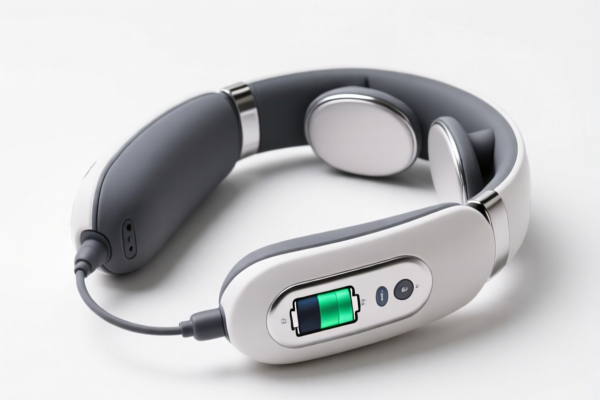
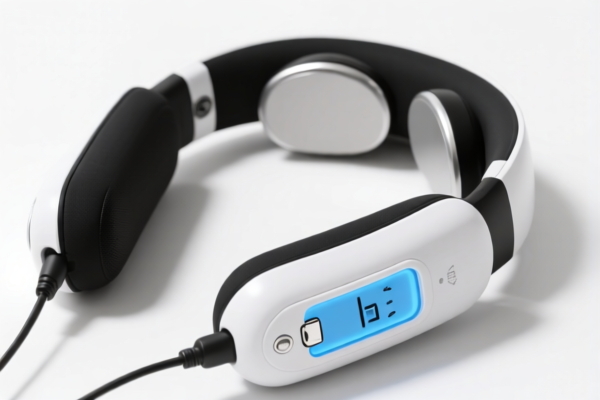
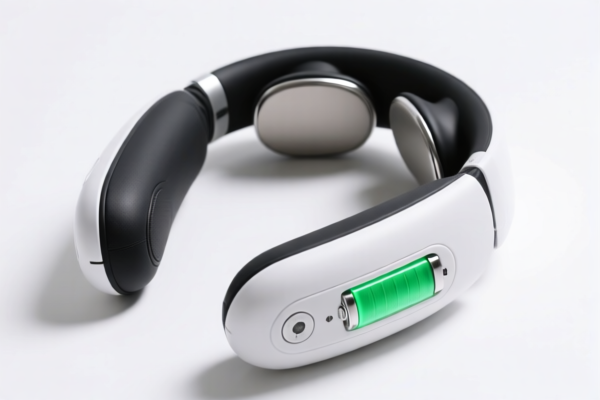
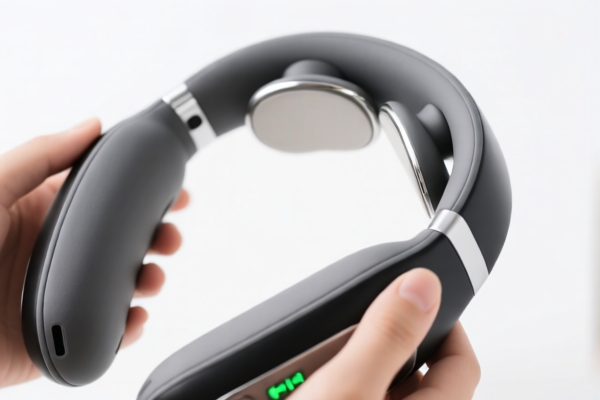
A Shoulder Massager is a portable electronic device designed to relieve muscle tension and fatigue in the neck and shoulder region through electrical stimulation (TENS/EMS) or mechanical vibration/kneading.
In international trade, its classification is critical because it straddles multiple categories:
- Medical Devices (if intended for therapeutic stimulation of nerves/muscles);
- Appliances (if marketed as a general wellness/relaxation tool);
- Mechanical Devices (if primarily motor-driven without complex electronics).
⚠️ Key Determinant: The presence of electronic control circuits and the intended medical vs. wellness purpose dictate the HS Code and, consequently, the tariff burden.
📦 Section 1: HS Code Classification & Tax Analysis (2026 Data)
Based on the provided dataset, here are the 5 most relevant classifications for Shoulder Massagers.
🔹 Option 1: The Medical/Therapeutic Route
HS Code: 9019.10.20.20
Description: Devices for massage (specifically matching the form of electric/handheld massagers).
Logic: Classified under "Mechanical Appliances for Therapy" or "Medical Devices." Matches the form but excludes specific medical equipment if not intended for disease treatment.
📉 Tax Structure:
- Base Duty: 0.0%
- Additional Tariff: 0.0%
- Section 122 Tariff: 10.0%
- 💰 Total Tariff: 10.0%
Verdict: Lowest Cost Option if the device is clearly defined as a therapeutic/medical massage instrument.
🔹 Option 2: The Electrical Stimulation Route (High Risk)
HS Code: 8543.70.85.00
Description: Electrical nerve stimulation devices or electro-therapeutic apparatus.
Logic: If the massager uses EMS/TENS technology (electrical pulses to stimulate muscles), it falls under "Electrical Machines and Apparatus."
📉 Tax Structure:
- Base Duty: 0.0%
- Section 301 (Additional) Tariff: 25.0%
- Section 122 Tariff: 10.0%
- 💰 Total Tariff: 35.0%
Verdict: High tariff due to the "electrical stimulation" classification being flagged under Section 301.
🔹 Option 3: The General "Other" Machine Route (Highest Risk)
HS Code: 8543.70.98.60
Description: Other electrical machines and apparatus having individual functions (General Catch-all).
Logic: Used if the device is a standalone electronic unit that doesn't fit specific sub-categories. The dataset infers it as an electronic appliance.
📉 Tax Structure:
- Base Duty: 2.6%
- Section 301 (Additional) Tariff: 25.0%
- Section 122 Tariff: 10.0%
- 💰 Total Tariff: 37.6%
Verdict: Most Expensive Option. Avoid this unless no other classification fits.
🔹 Option 4: The Home Appliance Route (Motor-Driven)
HS Code: 8509.80.50.95
Description: Other household appliances with electric motors.
Logic: If the device is primarily mechanical/vibrating (motor-driven) and marketed as a general home wellness appliance (not medical). It must not be an excluded item (like toothbrushes or humidifiers).
📉 Tax Structure:
- Base Duty: 4.2%
- Section 301 Tariff: 0.0%
- Section 122 Tariff: 10.0%
- 💰 Total Tariff: 14.2%
Verdict: Excellent Middle Ground. Low additional tax if the "motor-driven appliance" logic holds.
🔹 Option 5: The "Other Appliance" Variation
HS Code: 8509.80.50.80
Description: Household appliances with self-contained electric motors (similar to above, broader "other" category).
Logic: Similar to Option 4; relies on the "household appliance" definition where massage is a secondary function of the motor mechanism.
📉 Tax Structure:
- Base Duty: 4.2%
- Section 301 Tariff: 0.0%
- Section 122 Tariff: 10.0%
- 💰 Total Tariff: 14.2%
Verdict: Same as Option 4. Valid alternative if
95is rejected by customs.
💰 Section 2: Detailed Tariff Breakdown & Legal Basis
| HS Code | Total Tariff | Base Duty | Section 301 (Additional) | Section 122 (China Specific) | Primary Legal Logic |
|---|---|---|---|---|---|
| 9019.10.20.20 | 10.0% | 0.0% | 0.0% | 10% | Therapeutic/Medical Device |
| 8509.80.50.95 | 14.2% | 4.2% | 0.0% | 10% | Home Appliance (Motor) |
| 8509.80.50.80 | 14.2% | 4.2% | 0.0% | 10% | Home Appliance (Motor) |
| 8543.70.85.00 | 35.0% | 0.0% | 25% | 10% | Electrical Nerve Stimulator |
| 8543.70.98.60 | 37.6% | 2.6% | 25% | 10% | Other Electrical Machines |
🔍 Critical Insight:
The Section 122 Tariff (10%) applies to ALL Chinese-origin shoulder massagers.
The Section 301 Tariff (25%) is the ONLY variable that changes the total cost drastically.
Strategy: Avoid classifications under 8543 (Electrical Machines) if possible to escape the 25% penalty.
🛠️ Section 3: Strategic Clearance Recommendations
✅ 1. Select the Lowest Tariff HS Code (Priority: 9019.10.20.20 or 8509)
- Recommendation: Attempt to classify under
9019.10.20.20(10%) or8509.80.50.95(14.2%). - Why? These avoid the 25% Section 301 penalty.
- Risk: You must prove the device is either a "Medical Therapeutic Device" or a "Motor-Driven Home Appliance." If Customs deems it an "Electrical Nerve Stimulator" (
8543), the 25% penalty kicks in.
✅ 2. Product Documentation is King
To justify the lower tax rate, prepare the following mandatory documents:
| Document | Purpose |
|:---|:---|
| Product Technical Manual | Explicitly state: "Mechanical Motor-driven" or "Therapeutic Massage" to avoid "Electrical Stimulation" labels. |
| Circuit Diagrams | If the circuit is simple (motor control) vs. complex (neural stimulation), it changes the HS Code. |
| Marketing Materials | Ensure ads don't claim "cures sciatica" (medical) or "TENS therapy" (electrical stim). Use "Relaxation" or "Kneading" instead. |
| User Manual | Highlight motor function over electrical pulse function. |
✅ 3. The "Section 122" Trap
- Note: The 10% "Section 122 Tariff" is unavoidable for Chinese goods.
- Action: Factor this 10% into your Cost of Goods Sold (COGS) immediately. Do not optimize for 0% base duty if the 10% still applies.
✅ 4. Avoid the "Medical Device" Overclaim
- If you claim it is a medical device to get into
9019, you may face stricter FDA/CE regulations. - If you claim it is a home appliance (
8509), you avoid medical licensing but must ensure the marketing doesn't sound "electrical stimulatory." - Sweet Spot:
8509(14.2%) is often the safest balance between low tax and low regulatory burden.
🚀 Section 4: Quick-Start Clearance Checklist
- Determine Technology: Is it Motor/Vibration (Go for
8509) or Pulse/Stimulation (Risk8543)? - Select HS Code:
- Lowest Tax:
9019.10.20.20(10%) - Safest Balance:
8509.80.50.95(14.2%) - Avoid:
8543.70.85.00(35%) &8543.70.98.60(37.6%)
- Lowest Tax:
- Prepare Evidence: Provide a technical drawing showing the motor mechanism.
- Labeling: Mark the product as "Home Massage Device" rather than "Electrical Therapy Device."
- Verify Origin: Ensure the Certificate of Origin (CO) clearly states China, as the 10% Section 122 tariff applies only to CN-origin goods.
🎯 Final Conclusion
Shoulder Massagers are a tariff minefield.
- Best Case: Classify as a Motor-Driven Appliance (8509) for 14.2%.
- Worst Case: Classify as an Electrical Stimulator (8543) for 35%–37.6%.
- Golden Rule: Do not let the product look like a medical device in its documentation if you want to avoid the 25% Section 301 tax. Keep the description mechanical, household, and non-medical.
💡 Pro Tip: If your product has both motor and electrical stimulation, emphasize the motor/kneading aspect in the technical specs to push customs toward
8509.
📢 Next Step: Contact your broker with the Technical Manual and ask for a Pre-Ruling on 8509.80.50.95 vs. 9019.10.20.20 before shipping.
用户评价
关于 HS 编码归类
协调制度(HS)是由世界海关组织(WCO)制定的国际贸易商品分类标准。全球 200 多个国家采用 HS 系统作为海关关税、贸易统计和进出口监管的基础。
每个 HS 编码遵循以下层级结构:
- 章(2 位)——商品大类(例如:第 84 章:机器和机械设备)
- 品目(4 位)——章内的更具体分类
- 子目(6 位)——国际通用细分,所有 WCO 成员国统一使用
- 本国细分(8-10 位)——各国自行扩展的细分编码,如美国 HTSUS 10 位编码
正确的 HS 编码归类对于顺利通关、准确缴纳关税和遵守贸易法规至关重要。错误归类可能导致海关延误、多缴关税或罚款。
从CN进口到US时,适用的关税税率可能包括:
- 最惠国(MFN)税率——适用于 WTO 成员国的标准关税税率
- 普通税率——适用于无贸易协定国家
- 贸易救济关税——附加关税,如 301 条款(反倾销)、232 条款(国家安全)或反补贴税
本页内容仅供参考。如需正式归类,请咨询当地海关或持牌报关代理。