Shoulder Massager
CN → US| HS Code | Tariff Rate | Origin | Destination | Doc |
|---|---|---|---|---|
| 9019102020 | 10.0% | CN | US | Official Doc |
| 8543708500 | 35.0% | CN | US | Official Doc |
| 8543709860 | 37.6% | CN | US | Official Doc |
| 8509805095 | 14.2% | CN | US | Official Doc |
| 8509805080 | 14.2% | CN | US | Official Doc |
Product Images
AI Analysis
🧘 Shoulder Massager: Ultimate HS Code & Tariff Guide (2026 Edition)
🌐 HS Code Classification & Clearance Strategy | 2026 Customs Tariff Breakdown | Professional Export Compliance
📌 Product Overview: What is a "Shoulder Massager"?
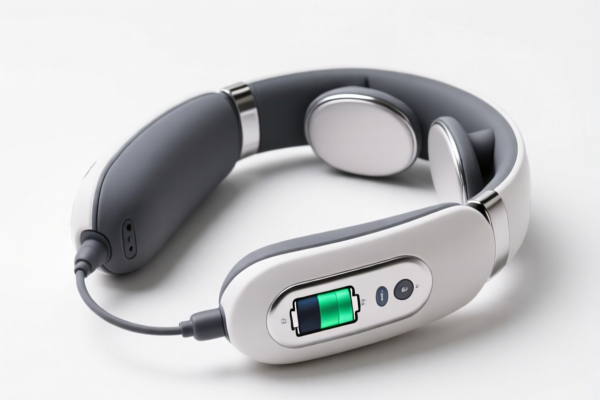
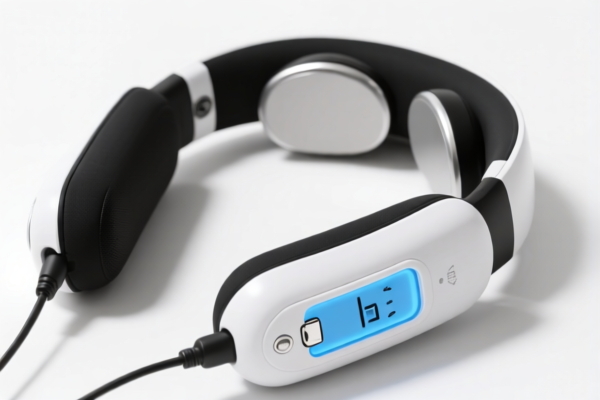
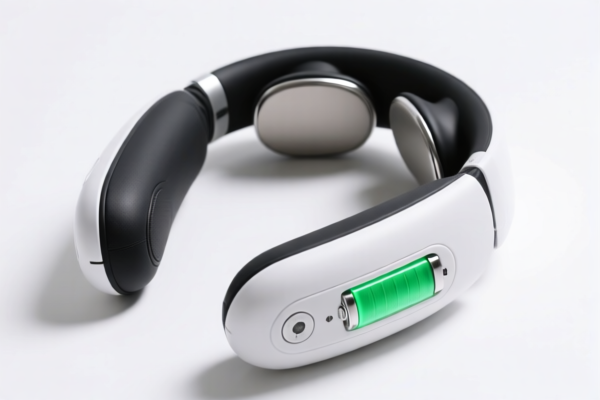
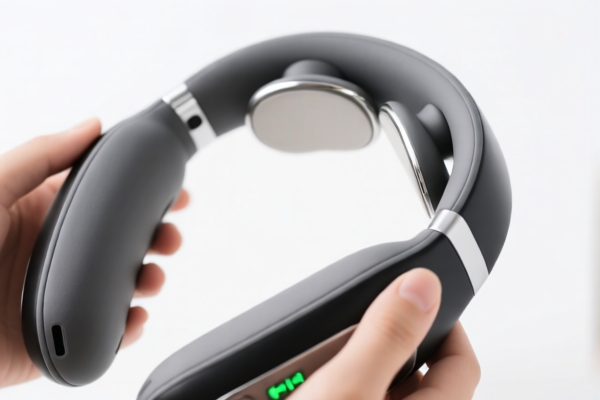
A Shoulder Massager is a portable electronic device designed to relieve muscle tension and fatigue in the neck and shoulder region through electrical stimulation (TENS/EMS) or mechanical vibration/kneading.
In international trade, its classification is critical because it straddles multiple categories:
- Medical Devices (if intended for therapeutic stimulation of nerves/muscles);
- Appliances (if marketed as a general wellness/relaxation tool);
- Mechanical Devices (if primarily motor-driven without complex electronics).
⚠️ Key Determinant: The presence of electronic control circuits and the intended medical vs. wellness purpose dictate the HS Code and, consequently, the tariff burden.
📦 Section 1: HS Code Classification & Tax Analysis (2026 Data)
Based on the provided dataset, here are the 5 most relevant classifications for Shoulder Massagers.
🔹 Option 1: The Medical/Therapeutic Route
HS Code: 9019.10.20.20
Description: Devices for massage (specifically matching the form of electric/handheld massagers).
Logic: Classified under "Mechanical Appliances for Therapy" or "Medical Devices." Matches the form but excludes specific medical equipment if not intended for disease treatment.
📉 Tax Structure:
- Base Duty: 0.0%
- Additional Tariff: 0.0%
- Section 122 Tariff: 10.0%
- 💰 Total Tariff: 10.0%
Verdict: Lowest Cost Option if the device is clearly defined as a therapeutic/medical massage instrument.
🔹 Option 2: The Electrical Stimulation Route (High Risk)
HS Code: 8543.70.85.00
Description: Electrical nerve stimulation devices or electro-therapeutic apparatus.
Logic: If the massager uses EMS/TENS technology (electrical pulses to stimulate muscles), it falls under "Electrical Machines and Apparatus."
📉 Tax Structure:
- Base Duty: 0.0%
- Section 301 (Additional) Tariff: 25.0%
- Section 122 Tariff: 10.0%
- 💰 Total Tariff: 35.0%
Verdict: High tariff due to the "electrical stimulation" classification being flagged under Section 301.
🔹 Option 3: The General "Other" Machine Route (Highest Risk)
HS Code: 8543.70.98.60
Description: Other electrical machines and apparatus having individual functions (General Catch-all).
Logic: Used if the device is a standalone electronic unit that doesn't fit specific sub-categories. The dataset infers it as an electronic appliance.
📉 Tax Structure:
- Base Duty: 2.6%
- Section 301 (Additional) Tariff: 25.0%
- Section 122 Tariff: 10.0%
- 💰 Total Tariff: 37.6%
Verdict: Most Expensive Option. Avoid this unless no other classification fits.
🔹 Option 4: The Home Appliance Route (Motor-Driven)
HS Code: 8509.80.50.95
Description: Other household appliances with electric motors.
Logic: If the device is primarily mechanical/vibrating (motor-driven) and marketed as a general home wellness appliance (not medical). It must not be an excluded item (like toothbrushes or humidifiers).
📉 Tax Structure:
- Base Duty: 4.2%
- Section 301 Tariff: 0.0%
- Section 122 Tariff: 10.0%
- 💰 Total Tariff: 14.2%
Verdict: Excellent Middle Ground. Low additional tax if the "motor-driven appliance" logic holds.
🔹 Option 5: The "Other Appliance" Variation
HS Code: 8509.80.50.80
Description: Household appliances with self-contained electric motors (similar to above, broader "other" category).
Logic: Similar to Option 4; relies on the "household appliance" definition where massage is a secondary function of the motor mechanism.
📉 Tax Structure:
- Base Duty: 4.2%
- Section 301 Tariff: 0.0%
- Section 122 Tariff: 10.0%
- 💰 Total Tariff: 14.2%
Verdict: Same as Option 4. Valid alternative if
95is rejected by customs.
💰 Section 2: Detailed Tariff Breakdown & Legal Basis
| HS Code | Total Tariff | Base Duty | Section 301 (Additional) | Section 122 (China Specific) | Primary Legal Logic |
|---|---|---|---|---|---|
| 9019.10.20.20 | 10.0% | 0.0% | 0.0% | 10% | Therapeutic/Medical Device |
| 8509.80.50.95 | 14.2% | 4.2% | 0.0% | 10% | Home Appliance (Motor) |
| 8509.80.50.80 | 14.2% | 4.2% | 0.0% | 10% | Home Appliance (Motor) |
| 8543.70.85.00 | 35.0% | 0.0% | 25% | 10% | Electrical Nerve Stimulator |
| 8543.70.98.60 | 37.6% | 2.6% | 25% | 10% | Other Electrical Machines |
🔍 Critical Insight:
The Section 122 Tariff (10%) applies to ALL Chinese-origin shoulder massagers.
The Section 301 Tariff (25%) is the ONLY variable that changes the total cost drastically.
Strategy: Avoid classifications under 8543 (Electrical Machines) if possible to escape the 25% penalty.
🛠️ Section 3: Strategic Clearance Recommendations
✅ 1. Select the Lowest Tariff HS Code (Priority: 9019.10.20.20 or 8509)
- Recommendation: Attempt to classify under
9019.10.20.20(10%) or8509.80.50.95(14.2%). - Why? These avoid the 25% Section 301 penalty.
- Risk: You must prove the device is either a "Medical Therapeutic Device" or a "Motor-Driven Home Appliance." If Customs deems it an "Electrical Nerve Stimulator" (
8543), the 25% penalty kicks in.
✅ 2. Product Documentation is King
To justify the lower tax rate, prepare the following mandatory documents:
| Document | Purpose |
|:---|:---|
| Product Technical Manual | Explicitly state: "Mechanical Motor-driven" or "Therapeutic Massage" to avoid "Electrical Stimulation" labels. |
| Circuit Diagrams | If the circuit is simple (motor control) vs. complex (neural stimulation), it changes the HS Code. |
| Marketing Materials | Ensure ads don't claim "cures sciatica" (medical) or "TENS therapy" (electrical stim). Use "Relaxation" or "Kneading" instead. |
| User Manual | Highlight motor function over electrical pulse function. |
✅ 3. The "Section 122" Trap
- Note: The 10% "Section 122 Tariff" is unavoidable for Chinese goods.
- Action: Factor this 10% into your Cost of Goods Sold (COGS) immediately. Do not optimize for 0% base duty if the 10% still applies.
✅ 4. Avoid the "Medical Device" Overclaim
- If you claim it is a medical device to get into
9019, you may face stricter FDA/CE regulations. - If you claim it is a home appliance (
8509), you avoid medical licensing but must ensure the marketing doesn't sound "electrical stimulatory." - Sweet Spot:
8509(14.2%) is often the safest balance between low tax and low regulatory burden.
🚀 Section 4: Quick-Start Clearance Checklist
- Determine Technology: Is it Motor/Vibration (Go for
8509) or Pulse/Stimulation (Risk8543)? - Select HS Code:
- Lowest Tax:
9019.10.20.20(10%) - Safest Balance:
8509.80.50.95(14.2%) - Avoid:
8543.70.85.00(35%) &8543.70.98.60(37.6%)
- Lowest Tax:
- Prepare Evidence: Provide a technical drawing showing the motor mechanism.
- Labeling: Mark the product as "Home Massage Device" rather than "Electrical Therapy Device."
- Verify Origin: Ensure the Certificate of Origin (CO) clearly states China, as the 10% Section 122 tariff applies only to CN-origin goods.
🎯 Final Conclusion
Shoulder Massagers are a tariff minefield.
- Best Case: Classify as a Motor-Driven Appliance (8509) for 14.2%.
- Worst Case: Classify as an Electrical Stimulator (8543) for 35%–37.6%.
- Golden Rule: Do not let the product look like a medical device in its documentation if you want to avoid the 25% Section 301 tax. Keep the description mechanical, household, and non-medical.
💡 Pro Tip: If your product has both motor and electrical stimulation, emphasize the motor/kneading aspect in the technical specs to push customs toward
8509.
📢 Next Step: Contact your broker with the Technical Manual and ask for a Pre-Ruling on 8509.80.50.95 vs. 9019.10.20.20 before shipping.
Customer Reviews
About HS Code Classification
The Harmonized System (HS) is an internationally standardized nomenclature developed by the World Customs Organization (WCO) to classify traded products. Over 200 countries use the HS system as the basis for customs tariffs, trade statistics, and import/export regulations.
Each HS code follows a hierarchical structure:
- Chapter (2 digits) — Broad category of goods (e.g., Chapter 84: Machinery and Mechanical Appliances)
- Heading (4 digits) — More specific grouping within the chapter
- Subheading (6 digits) — Internationally standardized breakdown, used by all WCO member countries
- National subdivisions (8-10 digits) — Country-specific extensions for further classification, such as US HTSUS 10-digit codes
Correct HS code classification is essential for smooth customs clearance, accurate duty payment, and compliance with trade regulations. Misclassification can lead to customs delays, overpayment of duties, or penalties.
When importing from CN to US, the applicable tariff rates may include:
- Most-Favored-Nation (MFN) rate — The standard duty rate applied to WTO members
- General rate — Applied to countries without trade agreements
- Trade remedy duties — Additional tariffs such as Section 301 (anti-dumping), Section 232 (national security), or countervailing duties
The information provided on this page is for reference purposes only. For official classification, please consult with your local customs authority or a licensed customs broker.