Silicone Baking Tray
CN → US| HS编码 | 关税税率 | 原产国 | 目的国 | 文档 |
|---|---|---|---|---|
| 3923900080 | 38.0% | CN | US | 官方文档 |
| 3923290000 | 38.0% | CN | US | 官方文档 |
| 3924104000 | 13.4% | CN | US | 官方文档 |
| 3924905650 | 20.9% | CN | US | 官方文档 |
| 8215994060 | 15.0% | CN | US | 官方文档 |
商品图片
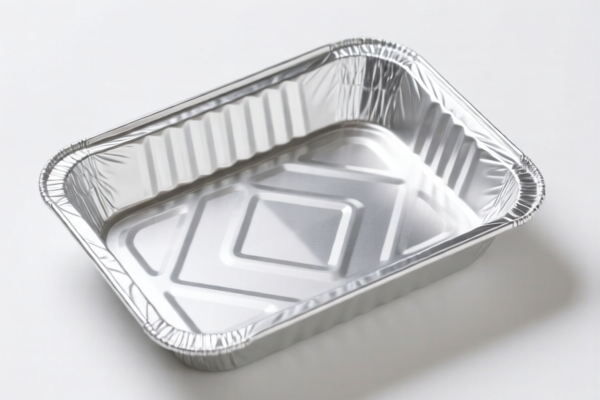
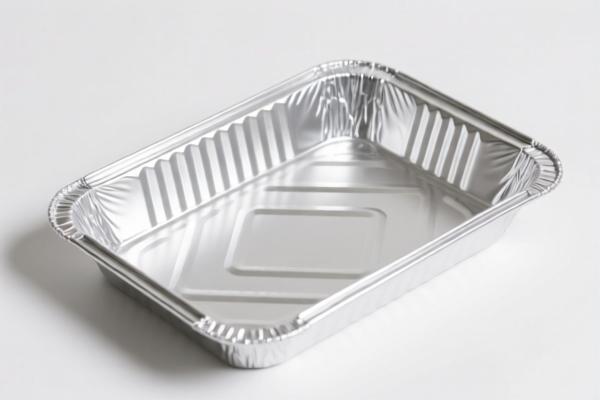
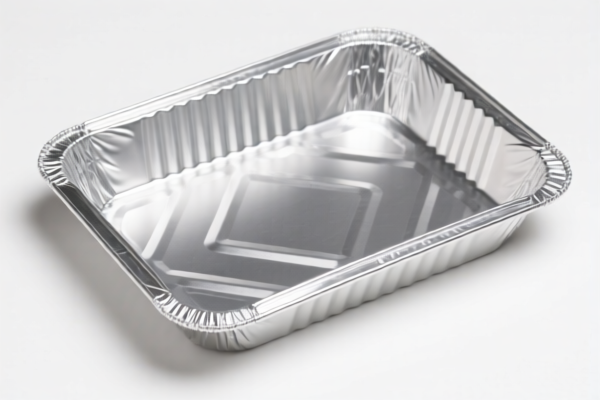
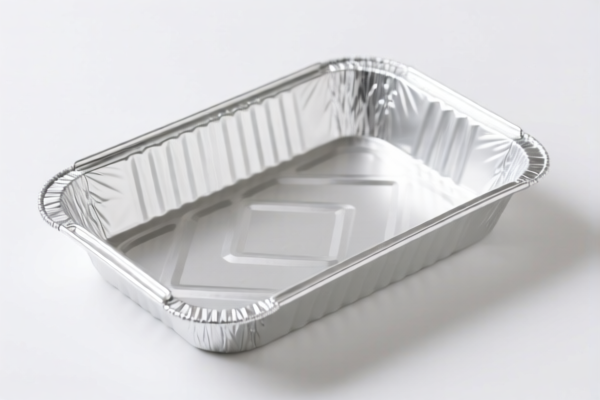
AI分析
🧁 Silicone Baking Tray (The Ultimate Kitchen Tool)
🌐 HS Code Reference & Customs Clearance Guide | 2026 Latest Tariff Analysis | Professional Entry Strategy
📌 I. Product Definition & Classification: Do You Really Know Your "Silicone Baking Tray"?
Silicone baking trays (often including mats, scrapers, and pads) are versatile kitchen tools made from food-grade platinum silicone. In international trade, the classification depends heavily on usage intent and physical structure:
- Baking Mats/Pads: Flexible sheets used to line baking trays for non-stick baking. Often classified under "Plastic Articles for Packaging" or "Other Plastic Articles."
- Tableware/Kitchen Utensils: Tools like scrapers, spatulas, or specific tray forms used for handling food. Classified under "Plastic Tableware and Kitchenware."
- Misclassification Risks: Often mistakenly declared as generic plastics without considering specific trade remedy duties (Section 301/122).
⚠️ Key Distinction Point:
- If the item is a mat/pad used primarily for lining/conveying food in ovens → It leans towards 3923 (Packaging/Other Plastic Articles).
- If the item is a scraper/spatula used for handling food directly → It leans towards 3924 (Tableware/Kitchenware).
- If the item is explicitly a tray but made of plastic/silicone, it may fall under 8215 (if metal-handled) or 3924 (if purely plastic/silicone tableware).
📦 II. HS Code Classification Details (Based on Provided Data)
| HS Code | Product Description | Applicable Scenario | Total Tax Rate |
|---|---|---|---|
3924.10.40.00 |
Silicone Baking Scrapers | Plastic tableware & kitchenware | 13.4% |
3924.90.56.50 |
Silicone Baking Scrapers | Plastic tableware & kitchenware (Section 301 applied) | 20.9% |
8215.99.40.60 |
Silicone Scrapers (Kitchen Utensils) | Kitchen utensils (possibly with metal parts or specific classification) | 15.0% |
3923.90.00.80 |
Silicone Baking Mats | Other plastic packaging/articles | 38.0% |
3923.29.00.00 |
Silicone Baking Mats | Plastic sacks, bags, and pads (packaging purpose) | 38.0% |
🔍 Critical Note:
- Scrapers/Spatulas are generally lower duty (13.4%–20.9%) than Mats/Trays (38.0%).
- Choosing the wrong HS code (e.g., declaring a scraper as a "mat") can lead to severe penalties or underpayment of duties.
💰 III. 2026 Latest Tariff Rate Breakdown (Including Surtaxes & Policy Additions)
✅ Applicable Country: United States (US)
✅ Origin: China (CN)
✅ Effective Time: Current tariffs apply (Section 301 + Section 122)
🎯 1. 3924.10.40.00 – Silicone Baking Scrapers (Lowest Duty Scenario)
| Item | Content |
|---|---|
| Base Tariff | 3.4% (Most Favored Nation Rate) |
| Section 301 Surcharge | 0.0% (Specific exemption or lower tier for this subheading) |
| Section 122 Tariff | 10% (Trade remedy duty for specific Chinese plastic articles) |
| Total Effective Rate | 13.4% |
| Tax Calculation | CIF Value × 13.4% |
| De Minimis Eligibility | ❌ No (Likely excluded due to Section 122/301) |
📌 Explanation:
- This is the most favorable classification for silicone tools.
- Section 122 (10%) is a significant add-on, but the absence of Section 301 (7.5%) makes this option viable.
- Legal Path:HTS:3924.10.40.00→Section 122: 10%→Base: 3.4%.
🎯 2. 3924.90.56.50 – Silicone Baking Scrapers (Higher Duty Scenario)
| Item | Content |
|---|---|
| Base Tariff | 3.4% |
| Section 301 Surcharge | 7.5% (Section 301 List 4B or similar) |
| Section 122 Tariff | 10% |
| Total Effective Rate | 20.9% |
| Tax Calculation | CIF Value × 20.9% |
| De Minimis Eligibility | ❌ No |
📌 Explanation:
- The 7.5% Section 301 duty significantly increases costs.
- Ensure your product description matches "Other plastic tableware" precisely.
🎯 3. 8215.99.40.60 – Silicone Scrapers (Kitchen Utensils)
| Item | Content |
|---|---|
| Base Tariff | 5.0% |
| Section 301 Surcharge | 0.0% |
| Section 122 Tariff | 10% |
| Total Effective Rate | 15.0% |
| Tax Calculation | CIF Value × 15.0% |
| De Minimis Eligibility | ❌ No |
📌 Explanation:
- Higher base duty (5.0%) but no Section 301.
- Suitable if the scraper has metal components or is classified as a "utensil" rather than pure plastic tableware.
🎯 4. 3923.90.00.80 & 3923.29.00.00 – Silicone Baking Mats/Trays
| Item | Content |
|---|---|
| Base Tariff | 3.0% |
| Section 301 Surcharge | 25.0% (High Section 301 rate for plastics/packaging) |
| Section 122 Tariff | 10% |
| Total Effective Rate | 38.0% |
| Tax Calculation | CIF Value × 38.0% |
| De Minimis Eligibility | ❌ No |
📌 Explanation:
- Extremely High Duty: 38% is prohibitive for low-margin items.
- Section 301 (25%) is the main driver here.
- Warning: Do NOT declare a "Baking Mat" under3924(Tableware) to avoid this duty. Customs may reject it if the product is clearly a mat.
🛠️ IV. Customs Clearance Practical Advice (Avoid Pitfalls)
✅ 1. Required Documentation Checklist
| Document | Mandatory? | Description |
|---|---|---|
| ✅ Product Spec Sheet | ✔️ | Material composition (100% Food Grade Silicone), dimensions, usage. |
| ✅ Photos | ✔️ | Clear images showing product use (e.g., scraping dough vs. lining a tray). |
| ✅ Commercial Invoice | ✔️ | Must clearly state "Silicone Baking [Mat/Scraper/Tray]". Avoid vague terms like "Plastic Parts." |
| ✅ Material Certificate | ✔️ | Proof of food-grade silicone (LFGB or FDA compliance) to support kitchenware classification. |
| ✅ Origin Certificate | ✔️ | To determine applicable Section 301/122 rates. |
✅ 2. Declaration Tips (Critical Keywords)
🔥 "Be Specific: Mat vs. Scraper vs. Utensil"
| Product Type | Recommended HS Code | Declaration Example | Risk if Misdeclared |
|---|---|---|---|
| Baking Mat | 3923.90.00.80 or 3923.29.00.00 |
"Silicone Baking Mat, Non-Stick" | If declared as 3924, risk of rejection + 24.6% underpayment penalty. |
| Scraper/Spatula | 3924.10.40.00 |
"Silicone Baking Scraper, Kitchen Tool" | If declared as 3923, risk of 24.6% overpayment (unnecessary cost). |
| Tray/Form | 8215.99.40.60 or 3924.10.40.00 |
"Silicone Baking Tray, Plastic Utensil" | Ambiguous term "Tray" may trigger audit. Use "Utensil" or "Mat" based on function. |
✅ 3. Special Scenarios & Optimization
| Scenario | Advice |
|---|---|
| OEM/Private Label | Provide branding details to support "Kitchenware" classification. |
| Mixed Packages | If a set includes a mat AND a scraper, declare separately. Do not bundle to avoid highest duty rate for the set. |
| Section 122 Exemption | Check if your product qualifies for any exemptions under Section 122 (currently 10%). Most plastic kitchenware is subject to it. |
| Section 301 Optimization | For mats, 38% duty is high. Consider if the product can be re-engineered to fit 3924 (e.g., as a "baking pad" rather than "packaging") if structurally possible, but ensure accuracy. |
🌍 V. Global Market Comparison (2026)
| Country | Recommended HS Code | Total Duty (China Origin) | Key Requirements |
|---|---|---|---|
| 🇺🇸 USA | 3924.10.40.00 (Scraper) |
13.4% | Section 122 (10%) + Base (3.4%) |
| 🇺🇸 USA | 3923.90.00.80 (Mat) |
38.0% | Section 301 (25%) + Sec 122 (10%) + Base (3.0%) |
| 🇪🇺 EU | 3924.10.00 |
~6-10% | No Section 301/122. Lower risk. |
| 🇨🇳 China | 3924.10.00 |
~9-12% | Standard MFN rate. |
📌 Conclusion:
- USA is the most complex market due to Section 301 and 122.
- Silicone Scrapers (13.4%) are much more cost-effective to export to the US than Silicone Mats (38.0%).
- If you sell both, ensure strict separation in invoicing and packing.
📌 VI. Common Mistakes & Pitfalls (Blood Lessons)
❌ Mistake 1: Calling a "Baking Mat" a "Silicone Trivet" to avoid Section 301.
👉 Consequence: Customs will inspect, find it’s a mat, and charge 38% + penalties.
❌ Mistake 2: Declaring a "Scraper" as "Plastic Parts" under 3926.90.
👉 Consequence: Higher audit risk, potential misclassification penalty, and loss of duty optimization.
❌ Mistake 3: Ignoring Section 122 (10%).
👉 Consequence: Even if Section 301 is 0%, you still owe 10%. Always factor this into pricing.
✅ Correct Approach:
"Silicone Baking Scraper, Food Grade, Platinum Cured, Model XYZ, FDA Compliant."
🎯 VII. Conclusion: Precise Classification Saves Money
🎯 Remember the Mantra:
🔹 "Scraper = 3924 (13-21%), Mat = 3923 (38%). Know the difference!"
🔹 "Section 122 is 10% across the board. Section 301 is the killer for mats."
📌 Pro Tip:
If your volume is high, consider applying for an Exclusion from Section 301 (if available) or reclassifying products to non-packing uses where legally defensible.
Always consult a licensed customs broker for Advance Rulings before shipping large batches.
📣 Action Required:
📞 Contact your customs broker today.
📄 Provide product photos and material certs.
🚀 Optimize your HS code to save up to 24.6% in duties!
✨ Professional Clearance Starts with Accurate Classification!
💼 Every percent counts in cross-border e-commerce!
用户评价
关于 HS 编码归类
协调制度(HS)是由世界海关组织(WCO)制定的国际贸易商品分类标准。全球 200 多个国家采用 HS 系统作为海关关税、贸易统计和进出口监管的基础。
每个 HS 编码遵循以下层级结构:
- 章(2 位)——商品大类(例如:第 84 章:机器和机械设备)
- 品目(4 位)——章内的更具体分类
- 子目(6 位)——国际通用细分,所有 WCO 成员国统一使用
- 本国细分(8-10 位)——各国自行扩展的细分编码,如美国 HTSUS 10 位编码
正确的 HS 编码归类对于顺利通关、准确缴纳关税和遵守贸易法规至关重要。错误归类可能导致海关延误、多缴关税或罚款。
从CN进口到US时,适用的关税税率可能包括:
- 最惠国(MFN)税率——适用于 WTO 成员国的标准关税税率
- 普通税率——适用于无贸易协定国家
- 贸易救济关税——附加关税,如 301 条款(反倾销)、232 条款(国家安全)或反补贴税
本页内容仅供参考。如需正式归类,请咨询当地海关或持牌报关代理。