Silicone Baking Tray
CN → US| HS Code | Tariff Rate | Origin | Destination | Doc |
|---|---|---|---|---|
| 3923900080 | 38.0% | CN | US | Official Doc |
| 3923290000 | 38.0% | CN | US | Official Doc |
| 3924104000 | 13.4% | CN | US | Official Doc |
| 3924905650 | 20.9% | CN | US | Official Doc |
| 8215994060 | 15.0% | CN | US | Official Doc |
Product Images
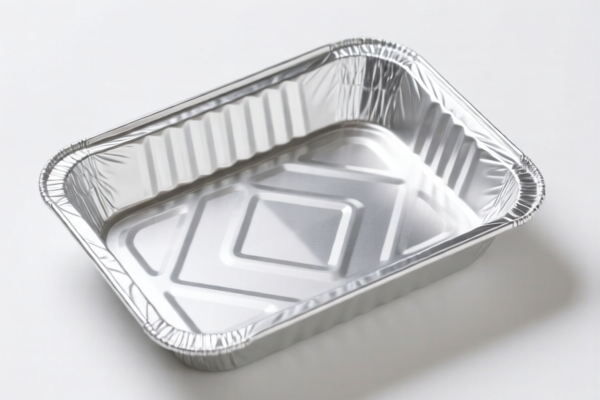
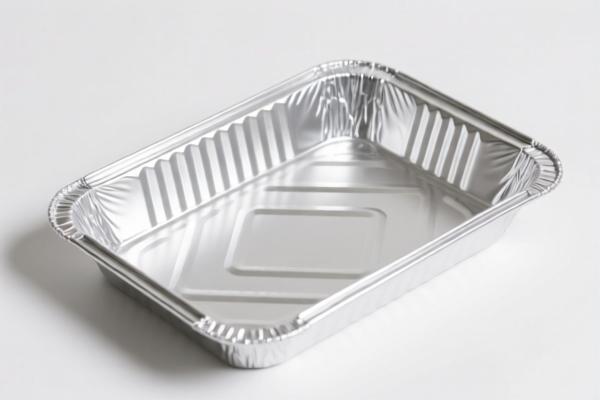
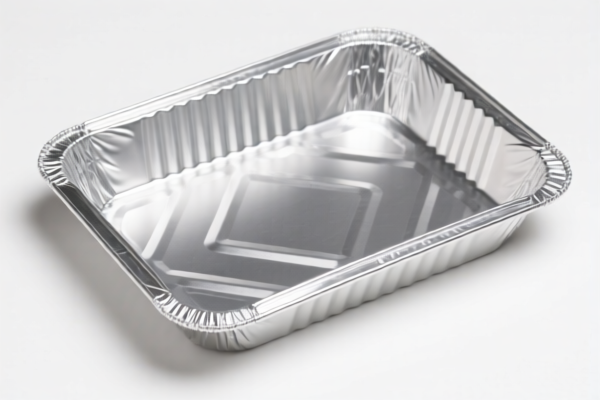
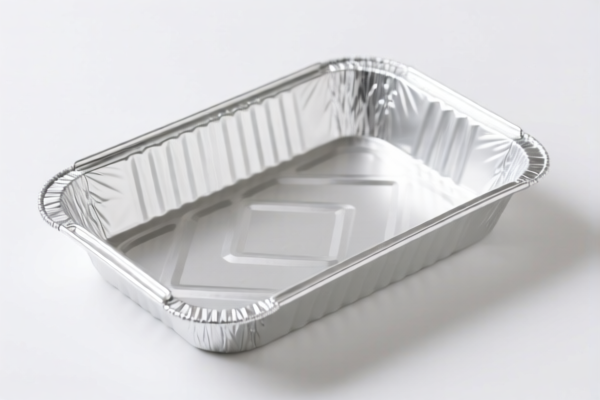
AI Analysis
🧁 Silicone Baking Tray (The Ultimate Kitchen Tool)
🌐 HS Code Reference & Customs Clearance Guide | 2026 Latest Tariff Analysis | Professional Entry Strategy
📌 I. Product Definition & Classification: Do You Really Know Your "Silicone Baking Tray"?
Silicone baking trays (often including mats, scrapers, and pads) are versatile kitchen tools made from food-grade platinum silicone. In international trade, the classification depends heavily on usage intent and physical structure:
- Baking Mats/Pads: Flexible sheets used to line baking trays for non-stick baking. Often classified under "Plastic Articles for Packaging" or "Other Plastic Articles."
- Tableware/Kitchen Utensils: Tools like scrapers, spatulas, or specific tray forms used for handling food. Classified under "Plastic Tableware and Kitchenware."
- Misclassification Risks: Often mistakenly declared as generic plastics without considering specific trade remedy duties (Section 301/122).
⚠️ Key Distinction Point:
- If the item is a mat/pad used primarily for lining/conveying food in ovens → It leans towards 3923 (Packaging/Other Plastic Articles).
- If the item is a scraper/spatula used for handling food directly → It leans towards 3924 (Tableware/Kitchenware).
- If the item is explicitly a tray but made of plastic/silicone, it may fall under 8215 (if metal-handled) or 3924 (if purely plastic/silicone tableware).
📦 II. HS Code Classification Details (Based on Provided Data)
| HS Code | Product Description | Applicable Scenario | Total Tax Rate |
|---|---|---|---|
3924.10.40.00 |
Silicone Baking Scrapers | Plastic tableware & kitchenware | 13.4% |
3924.90.56.50 |
Silicone Baking Scrapers | Plastic tableware & kitchenware (Section 301 applied) | 20.9% |
8215.99.40.60 |
Silicone Scrapers (Kitchen Utensils) | Kitchen utensils (possibly with metal parts or specific classification) | 15.0% |
3923.90.00.80 |
Silicone Baking Mats | Other plastic packaging/articles | 38.0% |
3923.29.00.00 |
Silicone Baking Mats | Plastic sacks, bags, and pads (packaging purpose) | 38.0% |
🔍 Critical Note:
- Scrapers/Spatulas are generally lower duty (13.4%–20.9%) than Mats/Trays (38.0%).
- Choosing the wrong HS code (e.g., declaring a scraper as a "mat") can lead to severe penalties or underpayment of duties.
💰 III. 2026 Latest Tariff Rate Breakdown (Including Surtaxes & Policy Additions)
✅ Applicable Country: United States (US)
✅ Origin: China (CN)
✅ Effective Time: Current tariffs apply (Section 301 + Section 122)
🎯 1. 3924.10.40.00 – Silicone Baking Scrapers (Lowest Duty Scenario)
| Item | Content |
|---|---|
| Base Tariff | 3.4% (Most Favored Nation Rate) |
| Section 301 Surcharge | 0.0% (Specific exemption or lower tier for this subheading) |
| Section 122 Tariff | 10% (Trade remedy duty for specific Chinese plastic articles) |
| Total Effective Rate | 13.4% |
| Tax Calculation | CIF Value × 13.4% |
| De Minimis Eligibility | ❌ No (Likely excluded due to Section 122/301) |
📌 Explanation:
- This is the most favorable classification for silicone tools.
- Section 122 (10%) is a significant add-on, but the absence of Section 301 (7.5%) makes this option viable.
- Legal Path:HTS:3924.10.40.00→Section 122: 10%→Base: 3.4%.
🎯 2. 3924.90.56.50 – Silicone Baking Scrapers (Higher Duty Scenario)
| Item | Content |
|---|---|
| Base Tariff | 3.4% |
| Section 301 Surcharge | 7.5% (Section 301 List 4B or similar) |
| Section 122 Tariff | 10% |
| Total Effective Rate | 20.9% |
| Tax Calculation | CIF Value × 20.9% |
| De Minimis Eligibility | ❌ No |
📌 Explanation:
- The 7.5% Section 301 duty significantly increases costs.
- Ensure your product description matches "Other plastic tableware" precisely.
🎯 3. 8215.99.40.60 – Silicone Scrapers (Kitchen Utensils)
| Item | Content |
|---|---|
| Base Tariff | 5.0% |
| Section 301 Surcharge | 0.0% |
| Section 122 Tariff | 10% |
| Total Effective Rate | 15.0% |
| Tax Calculation | CIF Value × 15.0% |
| De Minimis Eligibility | ❌ No |
📌 Explanation:
- Higher base duty (5.0%) but no Section 301.
- Suitable if the scraper has metal components or is classified as a "utensil" rather than pure plastic tableware.
🎯 4. 3923.90.00.80 & 3923.29.00.00 – Silicone Baking Mats/Trays
| Item | Content |
|---|---|
| Base Tariff | 3.0% |
| Section 301 Surcharge | 25.0% (High Section 301 rate for plastics/packaging) |
| Section 122 Tariff | 10% |
| Total Effective Rate | 38.0% |
| Tax Calculation | CIF Value × 38.0% |
| De Minimis Eligibility | ❌ No |
📌 Explanation:
- Extremely High Duty: 38% is prohibitive for low-margin items.
- Section 301 (25%) is the main driver here.
- Warning: Do NOT declare a "Baking Mat" under3924(Tableware) to avoid this duty. Customs may reject it if the product is clearly a mat.
🛠️ IV. Customs Clearance Practical Advice (Avoid Pitfalls)
✅ 1. Required Documentation Checklist
| Document | Mandatory? | Description |
|---|---|---|
| ✅ Product Spec Sheet | ✔️ | Material composition (100% Food Grade Silicone), dimensions, usage. |
| ✅ Photos | ✔️ | Clear images showing product use (e.g., scraping dough vs. lining a tray). |
| ✅ Commercial Invoice | ✔️ | Must clearly state "Silicone Baking [Mat/Scraper/Tray]". Avoid vague terms like "Plastic Parts." |
| ✅ Material Certificate | ✔️ | Proof of food-grade silicone (LFGB or FDA compliance) to support kitchenware classification. |
| ✅ Origin Certificate | ✔️ | To determine applicable Section 301/122 rates. |
✅ 2. Declaration Tips (Critical Keywords)
🔥 "Be Specific: Mat vs. Scraper vs. Utensil"
| Product Type | Recommended HS Code | Declaration Example | Risk if Misdeclared |
|---|---|---|---|
| Baking Mat | 3923.90.00.80 or 3923.29.00.00 |
"Silicone Baking Mat, Non-Stick" | If declared as 3924, risk of rejection + 24.6% underpayment penalty. |
| Scraper/Spatula | 3924.10.40.00 |
"Silicone Baking Scraper, Kitchen Tool" | If declared as 3923, risk of 24.6% overpayment (unnecessary cost). |
| Tray/Form | 8215.99.40.60 or 3924.10.40.00 |
"Silicone Baking Tray, Plastic Utensil" | Ambiguous term "Tray" may trigger audit. Use "Utensil" or "Mat" based on function. |
✅ 3. Special Scenarios & Optimization
| Scenario | Advice |
|---|---|
| OEM/Private Label | Provide branding details to support "Kitchenware" classification. |
| Mixed Packages | If a set includes a mat AND a scraper, declare separately. Do not bundle to avoid highest duty rate for the set. |
| Section 122 Exemption | Check if your product qualifies for any exemptions under Section 122 (currently 10%). Most plastic kitchenware is subject to it. |
| Section 301 Optimization | For mats, 38% duty is high. Consider if the product can be re-engineered to fit 3924 (e.g., as a "baking pad" rather than "packaging") if structurally possible, but ensure accuracy. |
🌍 V. Global Market Comparison (2026)
| Country | Recommended HS Code | Total Duty (China Origin) | Key Requirements |
|---|---|---|---|
| 🇺🇸 USA | 3924.10.40.00 (Scraper) |
13.4% | Section 122 (10%) + Base (3.4%) |
| 🇺🇸 USA | 3923.90.00.80 (Mat) |
38.0% | Section 301 (25%) + Sec 122 (10%) + Base (3.0%) |
| 🇪🇺 EU | 3924.10.00 |
~6-10% | No Section 301/122. Lower risk. |
| 🇨🇳 China | 3924.10.00 |
~9-12% | Standard MFN rate. |
📌 Conclusion:
- USA is the most complex market due to Section 301 and 122.
- Silicone Scrapers (13.4%) are much more cost-effective to export to the US than Silicone Mats (38.0%).
- If you sell both, ensure strict separation in invoicing and packing.
📌 VI. Common Mistakes & Pitfalls (Blood Lessons)
❌ Mistake 1: Calling a "Baking Mat" a "Silicone Trivet" to avoid Section 301.
👉 Consequence: Customs will inspect, find it’s a mat, and charge 38% + penalties.
❌ Mistake 2: Declaring a "Scraper" as "Plastic Parts" under 3926.90.
👉 Consequence: Higher audit risk, potential misclassification penalty, and loss of duty optimization.
❌ Mistake 3: Ignoring Section 122 (10%).
👉 Consequence: Even if Section 301 is 0%, you still owe 10%. Always factor this into pricing.
✅ Correct Approach:
"Silicone Baking Scraper, Food Grade, Platinum Cured, Model XYZ, FDA Compliant."
🎯 VII. Conclusion: Precise Classification Saves Money
🎯 Remember the Mantra:
🔹 "Scraper = 3924 (13-21%), Mat = 3923 (38%). Know the difference!"
🔹 "Section 122 is 10% across the board. Section 301 is the killer for mats."
📌 Pro Tip:
If your volume is high, consider applying for an Exclusion from Section 301 (if available) or reclassifying products to non-packing uses where legally defensible.
Always consult a licensed customs broker for Advance Rulings before shipping large batches.
📣 Action Required:
📞 Contact your customs broker today.
📄 Provide product photos and material certs.
🚀 Optimize your HS code to save up to 24.6% in duties!
✨ Professional Clearance Starts with Accurate Classification!
💼 Every percent counts in cross-border e-commerce!
Customer Reviews
About HS Code Classification
The Harmonized System (HS) is an internationally standardized nomenclature developed by the World Customs Organization (WCO) to classify traded products. Over 200 countries use the HS system as the basis for customs tariffs, trade statistics, and import/export regulations.
Each HS code follows a hierarchical structure:
- Chapter (2 digits) — Broad category of goods (e.g., Chapter 84: Machinery and Mechanical Appliances)
- Heading (4 digits) — More specific grouping within the chapter
- Subheading (6 digits) — Internationally standardized breakdown, used by all WCO member countries
- National subdivisions (8-10 digits) — Country-specific extensions for further classification, such as US HTSUS 10-digit codes
Correct HS code classification is essential for smooth customs clearance, accurate duty payment, and compliance with trade regulations. Misclassification can lead to customs delays, overpayment of duties, or penalties.
When importing from CN to US, the applicable tariff rates may include:
- Most-Favored-Nation (MFN) rate — The standard duty rate applied to WTO members
- General rate — Applied to countries without trade agreements
- Trade remedy duties — Additional tariffs such as Section 301 (anti-dumping), Section 232 (national security), or countervailing duties
The information provided on this page is for reference purposes only. For official classification, please consult with your local customs authority or a licensed customs broker.