Silk Fabric Handbag (Breathable)
CN → US| HS编码 | 关税税率 | 原产国 | 目的国 | 文档 |
|---|---|---|---|---|
| 6307909891 | 24.5% | CN | US | 官方文档 |
| 5007906090 | 38.9% | CN | US | 官方文档 |
| 4202227000 | 42.0% | CN | US | 官方文档 |
| 4202224010 | 42.4% | CN | US | 官方文档 |
| 4202224020 | 42.4% | CN | US | 官方文档 |
商品图片
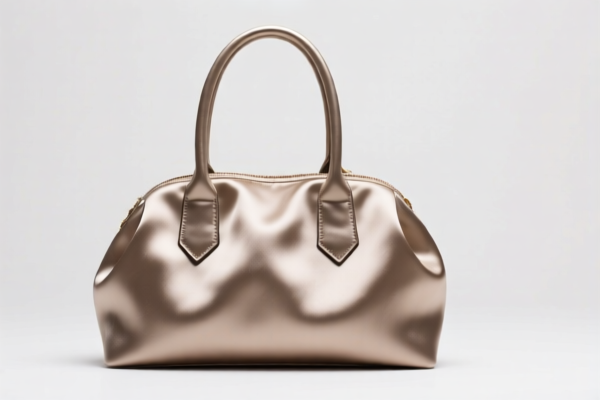
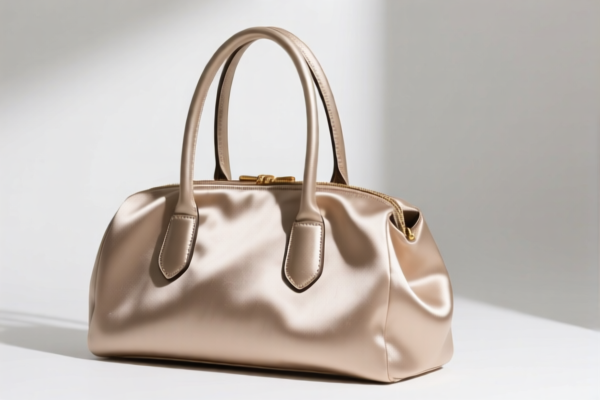
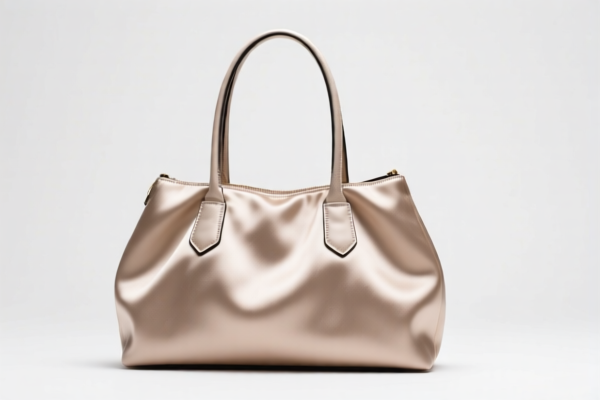
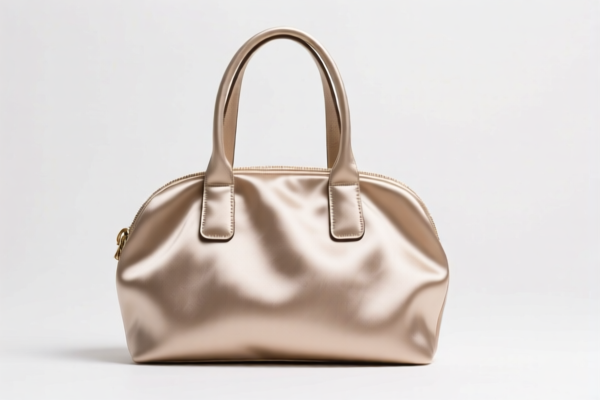
AI分析
👜 Silk Fabric Handbag (Breathable)
🌐 HS Code Reference & Customs Clearance Guide | 2026 Latest Tariff Analysis | Professional Clearance Strategy
📌 I. Product Definition & Classification: Do You Really Understand "Silk Handbags"?
A silk fabric handbag is a finished accessory made primarily from silk textiles. In international trade, classification hinges on two key factors:
1. Material Composition: Is it predominantly silk (>85%) or mixed?
2. Form Factor: Is it a "bag" (finished good) or raw "fabric"?
⚠️ Critical Distinction:
- If classified as Finished Bag: Falls under Chapter 42 (Articles of Leather; related articles).
- If classified as Textile/Fabric: Falls under Chapter 50 (Silk) or Chapter 63 (Other made-up textile articles).
- Misclassification Risk: Declaring a finished bag as raw fabric often leads to higher duties due to additional "Section XX" tariffs on textile goods from China.
📦 II. HS Code Classification Matrix (2026 Latest Tariff Authority对照)
Based on the provided data, here are the four potential HS Codes and the logical reasoning for each classification:
| HS Code | Classification Logic & Summary | Key Attribute Match |
|---|---|---|
6307.90.98.91 |
Other Made-up Articles: Classified as a "finished product" under general made-up textile articles. Material: Silk. Form: Handbag. Fits the logic of "other finished goods." | ✅ Silk Material ✅ Handbag Form ✅ Finished Good Logic |
5007.90.60.90 |
Silk Woven Fabric: Matches material (silk) and form (woven fabric). Core material attribute aligns with silk fabric, no material conflict. Note: This implies declaring it as raw material/fabric rather than a finished bag. | ✅ Silk Fabric ✅ No Material Conflict ❌ Not a Finished Bag |
4202.22.70.00 |
Satchels/Purses with >85% Silk: Form matches handbag requirements. Material inferred to be >85% silk, fitting the "textile material" subset of Chapter 42. | ✅ Handbag Form ✅ >85% Silk Inference ✅ Chapter 42 Logic |
4202.22.40.10 |
Textile Bags with Silk: Product form is a handbag. Material is silk. Fully meets requirements for textile materials including silk content. | ✅ Handbag Shape ✅ Silk Material ✅ Complete Textile Compliance |
🔍 重点提醒 (Key Reminder):
-4202.22.xxxxCodes are generally preferred for finished silk handbags as they accurately reflect the "Bag" function.
-5007.90.60.90is risky for finished bags unless the importer intends to declare it as raw fabric (which may trigger inspection for misdeclaration).
-6307.90.98.91is a broader category for "other made-up articles," which may have lower or higher tariffs depending on specific trade policies.
💰 III. 2026 Latest Tariff Rate Breakdown (Including Surcharges & Policy Add-ons)
✅ Applicable Country: United States (US)
✅ Origin: China (CN)
✅ Effective Time: Current Trade Policies (2026)
🎯 1. 6307.90.98.91 —— Other Made-up Articles (Silk Handbag as General Finished Good)
| Item | Content |
|---|---|
| Base Tariff | 7.0% |
| Section 301 Surcharge | 7.5% |
| Section 122 Tariff | 10% |
| Total Rate | 24.5% |
| Tax Calculation | CIF Value × 24.5% |
| De Minimis Eligibility | ❌ No (Subject to scrutiny due to textile origin) |
| Legal Basis Path | USITC:6307.90.98.91 → Section 301: 7.5% → IEEPA/122: 10% |
📌 Explanation:
- This classification treats the handbag as a general "made-up textile article."
- The 24.5% total rate is relatively lower than the Chapter 42 options, making it potentially cost-effective if the customs broker agrees with this "other article" classification.
- Caution: Must ensure the product is not seen as a simple "silk fabric" to avoid retroactive reclassification.
🎯 2. 5007.90.60.90 —— Silk Woven Fabric (High Risk for Handbags)
| Item | Content |
|---|---|
| Base Tariff | 3.9% |
| Section 301 Surcharge | 25.0% |
| Section 122 Tariff | 10% |
| Total Rate | 38.9% |
| Tax Calculation | CIF Value × 38.9% |
| De Minimis Eligibility | ❌ No |
| Legal Basis Path | USITC:5007.90.60.90 → Section 301: 25.0% → IEEPA/122: 10% |
📌 Warning:
- Although the base rate is low (3.9%), the 25% Section 301 tariff significantly increases the total cost.
- High Risk of Audit: Declaring a finished handbag as "woven fabric" (5007) is a common red flag for US Customs. If audited, you may face penalties for misclassification.
- Only use this if the product is truly raw silk cloth, not a sewn bag.
🎯 3. 4202.22.70.00 —— Satchels/Purses with >85% Silk
| Item | Content |
|---|---|
| Base Tariff | 7.0% |
| Section 301 Surcharge | 25.0% |
| Section 122 Tariff | 10% |
| Total Rate | 42.0% |
| Tax Calculation | CIF Value × 42.0% |
| De Minimis Eligibility | ❌ No |
| Legal Basis Path | USITC:4202.22.70.00 → Section 301: 25.0% → IEEPA/122: 10% |
📌 Analysis:
- This is a standard Chapter 42 classification for bags made predominantly of silk.
- The 25% Section 301 tariff is the dominant cost driver here.
- Suitable if the handbag is clearly identified as a "bag" with >85% silk content.
🎯 4. 4202.22.40.10 —— Textile Bags with Silk
| Item | Content |
|---|---|
| Base Tariff | 7.4% |
| Section 301 Surcharge | 25.0% |
| Section 122 Tariff | 10% |
| Total Rate | 42.4% |
| Tax Calculation | CIF Value × 42.4% |
| De Minimis Eligibility | ❌ No |
| Legal Basis Path | USITC:4202.22.40.10 → Section 301: 25.0% → IEEPA/122: 10% |
📌 Note:
- Very similar to4202.22.70.00but with a slightly higher base rate (7.4% vs 7.0%).
- Fully compliant with "textile material including silk" requirements.
- Use if the product description explicitly mentions "cotton/silk mix" or "textile bag" in its official documentation.
🛠️ IV. Customs Clearance Practical Advice (Real-World Pitfall Guide)
✅ 1. Required Documentation Checklist (Non-negotiable)
| Document | Required? | Description |
|---|---|---|
| ✅ Product Specification Sheet | ✔️ | Must detail material composition (e.g., "100% Silk," "85% Silk/15% Lining"). |
| ✅ High-Resolution Photos | ✔️ | Show the bag from all angles, including lining, handles, and brand labels. |
| ✅ Commercial Invoice | ✔️ | Must clearly state "Silk Handbag" or "Textile Bag." Avoid vague terms like "Accessory." |
| ✅ Packing List | ✔️ | Detail quantity, weight, and dimensions. |
| ✅ Original vs. Copy | ✔️ | Ensure invoice matches the physical product exactly. |
✅ 2. Declaration Strategy (Key Mantras)
🔥 "Material Truth, Form Clear, Code Precise!"
| Scenario | Correct Declaration | Wrong Practice |
|---|---|---|
| 100% Silk Handbag | 4202.22.70.00 or 4202.22.40.10 |
Declare as 5007 (Fabric) → High Audit Risk |
| Silk-Lined Cotton Bag | 4202.22.40.10 (if textile) or 6204/6203 (if apparel-related) |
Declare as 4202 → Misclassification |
| Raw Silk Fabric for DIY | 5007.90.60.90 |
Declare as "Handbag" → Delayed Clearance |
| Mixed Material Bag | Check Silk Content % | Guessing → Wrong Duty Rate |
✅ 3. Special Handling Tips
| Situation | Recommendation |
|---|---|
| Low-Value Shipments (<$800) | ❌ Not Eligible for De Minimis for China-origin silk/textiles due to Section 301/122. Must file formal entry. |
| Brand Name Present | Provide IP Authorization Letter to avoid "Counterfeit" flags. |
| "Breathable" Feature | Ensure this is a marketing term, not a functional claim requiring special testing (e.g., medical grade). |
| Lining Material | If lining is polyester, ensure the outer material (silk) dictates the classification. |
🌍 V. Global Market Comparison (2026 Latest)
| Country/Region | Recommended HS Code | Approx. Total Duty | Certification/Remarks |
|---|---|---|---|
| 🇺🇸 USA | 4202.22.70.00 / 6307.90.98.91 |
24.5% - 42.4% | Strict on Section 301. Verify silk content. |
| 🇨🇳 China | 4202.22 |
~5-10% | Standard import duties. No Section 301. |
| 🇪🇺 EU | 4202.22 |
~0-4.5% | Low duties, but high VAT (19-27%). |
| 🇬🇧 UK | 4202.22 |
~4.5% | Post-Brexit rules apply. |
| 🇦🇺 Australia | 4202.22 |
~5% | GST (10%) applies on top. |
📌 Conclusion:
- USA is the most expensive market for silk handbags from China due to Section 301 (25%) and Section 122 (10%) tariffs.
-6307.90.98.91offers the lowest total duty (24.5%) but carries a higher risk of classification challenge.
-4202.22.xxxxis the safest, most accurate classification for finished bags but incurs the highest tax (42.0-42.4%).
📌 VI. Common Errors & Pitfall Guide (Lessons Learned)
❌ Error 1: Declaring a finished silk handbag as Raw Silk Fabric (5007)
👉 Consequence: Customs may reject the declaration, impose fines, or apply the higher fabric tariff (38.9%) plus penalties.
❌ Error 2: Ignoring Silk Content Percentage
👉 Consequence: If the bag is 50% silk/50% cotton, it may not qualify for the ">85% silk" subheading under 4202.22.70.00, leading to incorrect duty assessment.
❌ Error 3: Using Vague Terms like "Fashion Accessory"
👉 Consequence: Customs may classify it under a higher-tariff general article code or demand additional documentation, causing delays.
✅ Correct Approach:
"Silk Handbag, 100% Silk Exterior, Polyester Lining, Model XYZ, Made in China. HS Code: 4202.22.70.00."
🎯 VII. Conclusion: Professional Classification Saves Money!
🎯 Remember the Mantra:
🔹 "Finished Bag = Chapter 42 (Safe but High Tax)"
🔹 "Generic Article = Chapter 63 (Lower Tax but Risky)"
🔹 "Raw Fabric = Chapter 50 (Only for Cloth, Not Bags!)"
📌 Pro Tip:
If your shipment value is significant, consider applying for a Binding Tariff Ruling (BTR) from US Customs and Border Protection (CBP) to lock in the HS Code and duty rate before shipping. This prevents surprise audits and penalties.
📣 Immediate Action:
📞 Consult with a licensed Customs Broker + Provide Product Photos + Verify Silk % Content
🚀 Ensure Smooth Clearance, Avoid Penalties, Maximize Profit Margins!
✨ Precision in Classification, Power in Trade!
💼 Your Duty Cost is Predictable, Your Clearance is Efficient!
用户评价
关于 HS 编码归类
协调制度(HS)是由世界海关组织(WCO)制定的国际贸易商品分类标准。全球 200 多个国家采用 HS 系统作为海关关税、贸易统计和进出口监管的基础。
每个 HS 编码遵循以下层级结构:
- 章(2 位)——商品大类(例如:第 84 章:机器和机械设备)
- 品目(4 位)——章内的更具体分类
- 子目(6 位)——国际通用细分,所有 WCO 成员国统一使用
- 本国细分(8-10 位)——各国自行扩展的细分编码,如美国 HTSUS 10 位编码
正确的 HS 编码归类对于顺利通关、准确缴纳关税和遵守贸易法规至关重要。错误归类可能导致海关延误、多缴关税或罚款。
从CN进口到US时,适用的关税税率可能包括:
- 最惠国(MFN)税率——适用于 WTO 成员国的标准关税税率
- 普通税率——适用于无贸易协定国家
- 贸易救济关税——附加关税,如 301 条款(反倾销)、232 条款(国家安全)或反补贴税
本页内容仅供参考。如需正式归类,请咨询当地海关或持牌报关代理。