Silk Fabric Handbag (Breathable)
CN → US| HS Code | Tariff Rate | Origin | Destination | Doc |
|---|---|---|---|---|
| 6307909891 | 24.5% | CN | US | Official Doc |
| 5007906090 | 38.9% | CN | US | Official Doc |
| 4202227000 | 42.0% | CN | US | Official Doc |
| 4202224010 | 42.4% | CN | US | Official Doc |
| 4202224020 | 42.4% | CN | US | Official Doc |
Product Images
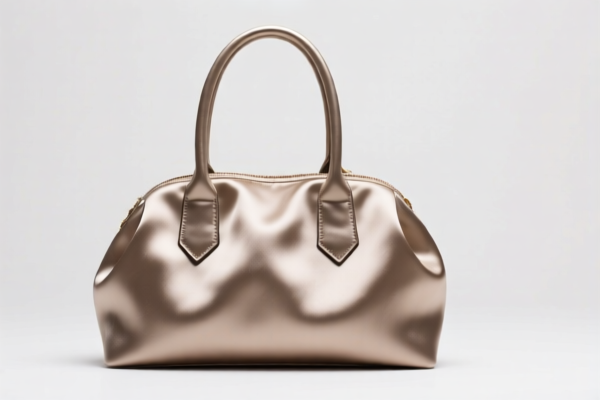
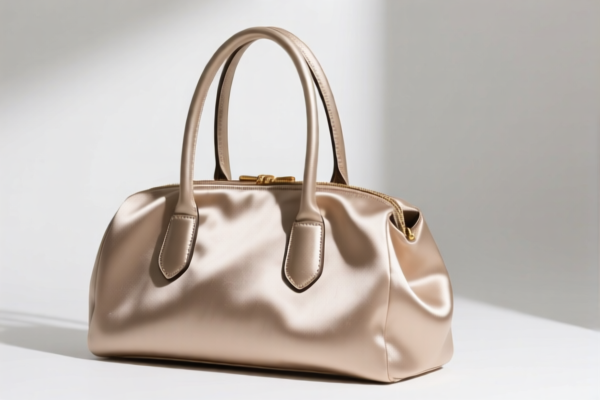
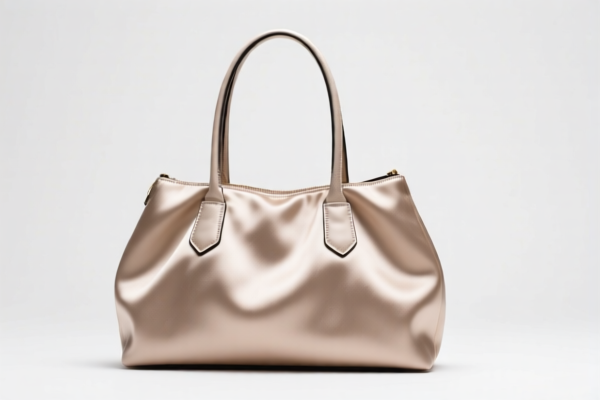
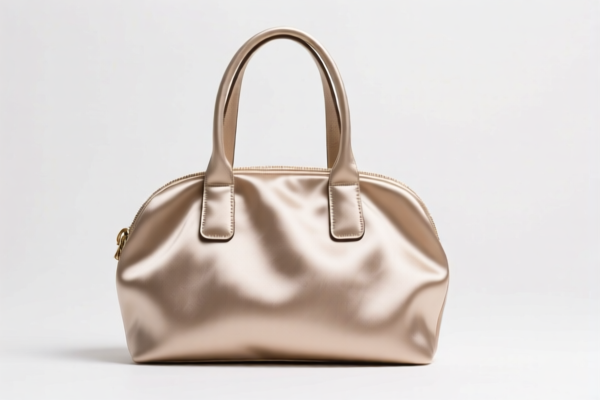
AI Analysis
👜 Silk Fabric Handbag (Breathable)
🌐 HS Code Reference & Customs Clearance Guide | 2026 Latest Tariff Analysis | Professional Clearance Strategy
📌 I. Product Definition & Classification: Do You Really Understand "Silk Handbags"?
A silk fabric handbag is a finished accessory made primarily from silk textiles. In international trade, classification hinges on two key factors:
1. Material Composition: Is it predominantly silk (>85%) or mixed?
2. Form Factor: Is it a "bag" (finished good) or raw "fabric"?
⚠️ Critical Distinction:
- If classified as Finished Bag: Falls under Chapter 42 (Articles of Leather; related articles).
- If classified as Textile/Fabric: Falls under Chapter 50 (Silk) or Chapter 63 (Other made-up textile articles).
- Misclassification Risk: Declaring a finished bag as raw fabric often leads to higher duties due to additional "Section XX" tariffs on textile goods from China.
📦 II. HS Code Classification Matrix (2026 Latest Tariff Authority对照)
Based on the provided data, here are the four potential HS Codes and the logical reasoning for each classification:
| HS Code | Classification Logic & Summary | Key Attribute Match |
|---|---|---|
6307.90.98.91 |
Other Made-up Articles: Classified as a "finished product" under general made-up textile articles. Material: Silk. Form: Handbag. Fits the logic of "other finished goods." | ✅ Silk Material ✅ Handbag Form ✅ Finished Good Logic |
5007.90.60.90 |
Silk Woven Fabric: Matches material (silk) and form (woven fabric). Core material attribute aligns with silk fabric, no material conflict. Note: This implies declaring it as raw material/fabric rather than a finished bag. | ✅ Silk Fabric ✅ No Material Conflict ❌ Not a Finished Bag |
4202.22.70.00 |
Satchels/Purses with >85% Silk: Form matches handbag requirements. Material inferred to be >85% silk, fitting the "textile material" subset of Chapter 42. | ✅ Handbag Form ✅ >85% Silk Inference ✅ Chapter 42 Logic |
4202.22.40.10 |
Textile Bags with Silk: Product form is a handbag. Material is silk. Fully meets requirements for textile materials including silk content. | ✅ Handbag Shape ✅ Silk Material ✅ Complete Textile Compliance |
🔍 重点提醒 (Key Reminder):
-4202.22.xxxxCodes are generally preferred for finished silk handbags as they accurately reflect the "Bag" function.
-5007.90.60.90is risky for finished bags unless the importer intends to declare it as raw fabric (which may trigger inspection for misdeclaration).
-6307.90.98.91is a broader category for "other made-up articles," which may have lower or higher tariffs depending on specific trade policies.
💰 III. 2026 Latest Tariff Rate Breakdown (Including Surcharges & Policy Add-ons)
✅ Applicable Country: United States (US)
✅ Origin: China (CN)
✅ Effective Time: Current Trade Policies (2026)
🎯 1. 6307.90.98.91 —— Other Made-up Articles (Silk Handbag as General Finished Good)
| Item | Content |
|---|---|
| Base Tariff | 7.0% |
| Section 301 Surcharge | 7.5% |
| Section 122 Tariff | 10% |
| Total Rate | 24.5% |
| Tax Calculation | CIF Value × 24.5% |
| De Minimis Eligibility | ❌ No (Subject to scrutiny due to textile origin) |
| Legal Basis Path | USITC:6307.90.98.91 → Section 301: 7.5% → IEEPA/122: 10% |
📌 Explanation:
- This classification treats the handbag as a general "made-up textile article."
- The 24.5% total rate is relatively lower than the Chapter 42 options, making it potentially cost-effective if the customs broker agrees with this "other article" classification.
- Caution: Must ensure the product is not seen as a simple "silk fabric" to avoid retroactive reclassification.
🎯 2. 5007.90.60.90 —— Silk Woven Fabric (High Risk for Handbags)
| Item | Content |
|---|---|
| Base Tariff | 3.9% |
| Section 301 Surcharge | 25.0% |
| Section 122 Tariff | 10% |
| Total Rate | 38.9% |
| Tax Calculation | CIF Value × 38.9% |
| De Minimis Eligibility | ❌ No |
| Legal Basis Path | USITC:5007.90.60.90 → Section 301: 25.0% → IEEPA/122: 10% |
📌 Warning:
- Although the base rate is low (3.9%), the 25% Section 301 tariff significantly increases the total cost.
- High Risk of Audit: Declaring a finished handbag as "woven fabric" (5007) is a common red flag for US Customs. If audited, you may face penalties for misclassification.
- Only use this if the product is truly raw silk cloth, not a sewn bag.
🎯 3. 4202.22.70.00 —— Satchels/Purses with >85% Silk
| Item | Content |
|---|---|
| Base Tariff | 7.0% |
| Section 301 Surcharge | 25.0% |
| Section 122 Tariff | 10% |
| Total Rate | 42.0% |
| Tax Calculation | CIF Value × 42.0% |
| De Minimis Eligibility | ❌ No |
| Legal Basis Path | USITC:4202.22.70.00 → Section 301: 25.0% → IEEPA/122: 10% |
📌 Analysis:
- This is a standard Chapter 42 classification for bags made predominantly of silk.
- The 25% Section 301 tariff is the dominant cost driver here.
- Suitable if the handbag is clearly identified as a "bag" with >85% silk content.
🎯 4. 4202.22.40.10 —— Textile Bags with Silk
| Item | Content |
|---|---|
| Base Tariff | 7.4% |
| Section 301 Surcharge | 25.0% |
| Section 122 Tariff | 10% |
| Total Rate | 42.4% |
| Tax Calculation | CIF Value × 42.4% |
| De Minimis Eligibility | ❌ No |
| Legal Basis Path | USITC:4202.22.40.10 → Section 301: 25.0% → IEEPA/122: 10% |
📌 Note:
- Very similar to4202.22.70.00but with a slightly higher base rate (7.4% vs 7.0%).
- Fully compliant with "textile material including silk" requirements.
- Use if the product description explicitly mentions "cotton/silk mix" or "textile bag" in its official documentation.
🛠️ IV. Customs Clearance Practical Advice (Real-World Pitfall Guide)
✅ 1. Required Documentation Checklist (Non-negotiable)
| Document | Required? | Description |
|---|---|---|
| ✅ Product Specification Sheet | ✔️ | Must detail material composition (e.g., "100% Silk," "85% Silk/15% Lining"). |
| ✅ High-Resolution Photos | ✔️ | Show the bag from all angles, including lining, handles, and brand labels. |
| ✅ Commercial Invoice | ✔️ | Must clearly state "Silk Handbag" or "Textile Bag." Avoid vague terms like "Accessory." |
| ✅ Packing List | ✔️ | Detail quantity, weight, and dimensions. |
| ✅ Original vs. Copy | ✔️ | Ensure invoice matches the physical product exactly. |
✅ 2. Declaration Strategy (Key Mantras)
🔥 "Material Truth, Form Clear, Code Precise!"
| Scenario | Correct Declaration | Wrong Practice |
|---|---|---|
| 100% Silk Handbag | 4202.22.70.00 or 4202.22.40.10 |
Declare as 5007 (Fabric) → High Audit Risk |
| Silk-Lined Cotton Bag | 4202.22.40.10 (if textile) or 6204/6203 (if apparel-related) |
Declare as 4202 → Misclassification |
| Raw Silk Fabric for DIY | 5007.90.60.90 |
Declare as "Handbag" → Delayed Clearance |
| Mixed Material Bag | Check Silk Content % | Guessing → Wrong Duty Rate |
✅ 3. Special Handling Tips
| Situation | Recommendation |
|---|---|
| Low-Value Shipments (<$800) | ❌ Not Eligible for De Minimis for China-origin silk/textiles due to Section 301/122. Must file formal entry. |
| Brand Name Present | Provide IP Authorization Letter to avoid "Counterfeit" flags. |
| "Breathable" Feature | Ensure this is a marketing term, not a functional claim requiring special testing (e.g., medical grade). |
| Lining Material | If lining is polyester, ensure the outer material (silk) dictates the classification. |
🌍 V. Global Market Comparison (2026 Latest)
| Country/Region | Recommended HS Code | Approx. Total Duty | Certification/Remarks |
|---|---|---|---|
| 🇺🇸 USA | 4202.22.70.00 / 6307.90.98.91 |
24.5% - 42.4% | Strict on Section 301. Verify silk content. |
| 🇨🇳 China | 4202.22 |
~5-10% | Standard import duties. No Section 301. |
| 🇪🇺 EU | 4202.22 |
~0-4.5% | Low duties, but high VAT (19-27%). |
| 🇬🇧 UK | 4202.22 |
~4.5% | Post-Brexit rules apply. |
| 🇦🇺 Australia | 4202.22 |
~5% | GST (10%) applies on top. |
📌 Conclusion:
- USA is the most expensive market for silk handbags from China due to Section 301 (25%) and Section 122 (10%) tariffs.
-6307.90.98.91offers the lowest total duty (24.5%) but carries a higher risk of classification challenge.
-4202.22.xxxxis the safest, most accurate classification for finished bags but incurs the highest tax (42.0-42.4%).
📌 VI. Common Errors & Pitfall Guide (Lessons Learned)
❌ Error 1: Declaring a finished silk handbag as Raw Silk Fabric (5007)
👉 Consequence: Customs may reject the declaration, impose fines, or apply the higher fabric tariff (38.9%) plus penalties.
❌ Error 2: Ignoring Silk Content Percentage
👉 Consequence: If the bag is 50% silk/50% cotton, it may not qualify for the ">85% silk" subheading under 4202.22.70.00, leading to incorrect duty assessment.
❌ Error 3: Using Vague Terms like "Fashion Accessory"
👉 Consequence: Customs may classify it under a higher-tariff general article code or demand additional documentation, causing delays.
✅ Correct Approach:
"Silk Handbag, 100% Silk Exterior, Polyester Lining, Model XYZ, Made in China. HS Code: 4202.22.70.00."
🎯 VII. Conclusion: Professional Classification Saves Money!
🎯 Remember the Mantra:
🔹 "Finished Bag = Chapter 42 (Safe but High Tax)"
🔹 "Generic Article = Chapter 63 (Lower Tax but Risky)"
🔹 "Raw Fabric = Chapter 50 (Only for Cloth, Not Bags!)"
📌 Pro Tip:
If your shipment value is significant, consider applying for a Binding Tariff Ruling (BTR) from US Customs and Border Protection (CBP) to lock in the HS Code and duty rate before shipping. This prevents surprise audits and penalties.
📣 Immediate Action:
📞 Consult with a licensed Customs Broker + Provide Product Photos + Verify Silk % Content
🚀 Ensure Smooth Clearance, Avoid Penalties, Maximize Profit Margins!
✨ Precision in Classification, Power in Trade!
💼 Your Duty Cost is Predictable, Your Clearance is Efficient!
Customer Reviews
About HS Code Classification
The Harmonized System (HS) is an internationally standardized nomenclature developed by the World Customs Organization (WCO) to classify traded products. Over 200 countries use the HS system as the basis for customs tariffs, trade statistics, and import/export regulations.
Each HS code follows a hierarchical structure:
- Chapter (2 digits) — Broad category of goods (e.g., Chapter 84: Machinery and Mechanical Appliances)
- Heading (4 digits) — More specific grouping within the chapter
- Subheading (6 digits) — Internationally standardized breakdown, used by all WCO member countries
- National subdivisions (8-10 digits) — Country-specific extensions for further classification, such as US HTSUS 10-digit codes
Correct HS code classification is essential for smooth customs clearance, accurate duty payment, and compliance with trade regulations. Misclassification can lead to customs delays, overpayment of duties, or penalties.
When importing from CN to US, the applicable tariff rates may include:
- Most-Favored-Nation (MFN) rate — The standard duty rate applied to WTO members
- General rate — Applied to countries without trade agreements
- Trade remedy duties — Additional tariffs such as Section 301 (anti-dumping), Section 232 (national security), or countervailing duties
The information provided on this page is for reference purposes only. For official classification, please consult with your local customs authority or a licensed customs broker.