Silver Refillable Can
CN → US| HS编码 | 关税税率 | 原产国 | 目的国 | 文档 |
|---|---|---|---|---|
| 3923300010 | 38.0% | CN | US | 官方文档 |
| 7310290020 | 85.0% | CN | US | 官方文档 |
| 7310290055 | 85.0% | CN | US | 官方文档 |
| 3923300090 | 38.0% | CN | US | 官方文档 |
商品图片
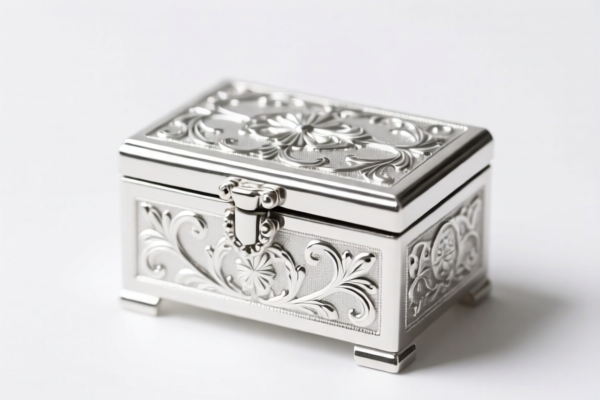
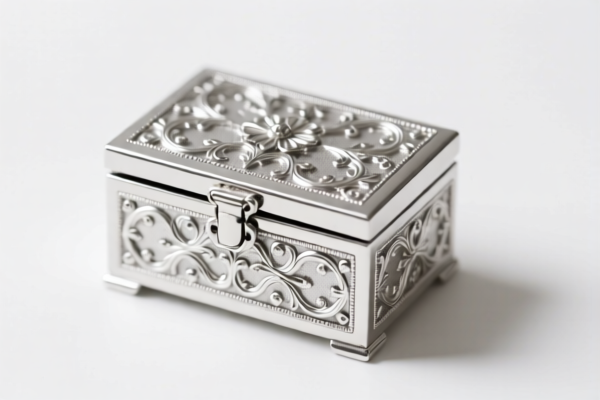
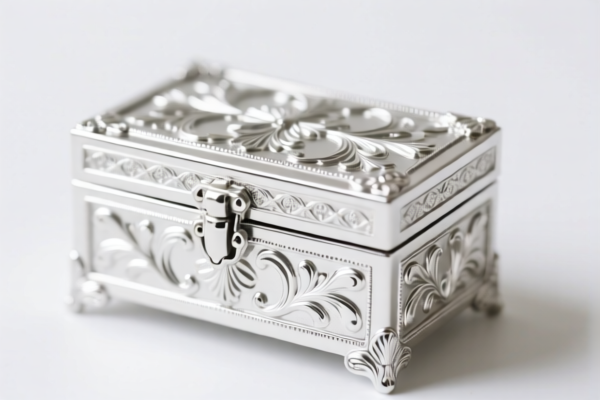
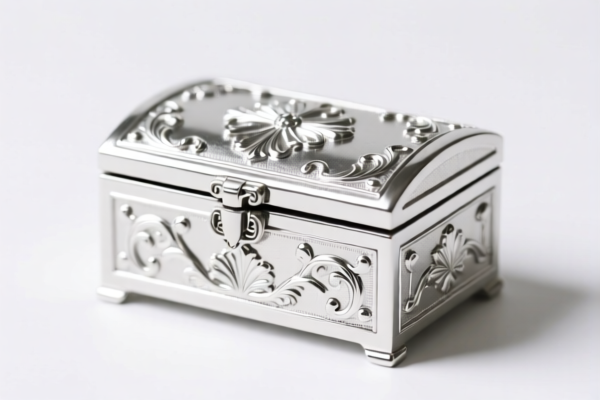
AI分析
🥫 Silver Refillable Can: HS Code Classification & Customs Clearance Guide (2026)
🌐 HS Code Reference & Customs Clearance Guide | 2026 Latest Tariff Analysis | Professional Clearance Strategy
📌 I. Product Definition & Classification: What Exactly Is a "Silver Refillable Can"?
A "Silver Refillable Can" typically refers to a container used for storing and transporting goods (such as beverages, chemicals, or industrial materials) that is designed to be refilled multiple times. The term "Silver" usually implies a metallic appearance, often achieved through stainless steel, aluminum, or plastic with a metallic coating. The key characteristics are: 1. Refillable: Designed for repeated use. 2. Silver Appearance: Likely made of metal (stainless steel/aluminum) or coated plastic. 3. Container: Used for storage or transport.
⚠️ Key Distinction:
- If made of plastic with a metallic coating, it falls under Chapter 39 (Plastics).
- If made of steel or aluminum, it falls under Chapter 73 (Iron/Steel) or Chapter 76 (Aluminum).
- The refillable feature is critical for classification, as it may exclude single-use packaging.
📦 II. HS Code Classification Details (2026 Latest Tariff Authorities)
| HS Code | Product Description | Applicable Scenario | Material Inference |
|---|---|---|---|
3923.30.00.10 |
Plastic articles for the conveyance or packaging of goods, specifically refillable containers | Plastic containers with metallic coating, designed for reuse | ✅ Plastic with metallic finish |
3923.30.00.90 |
Other plastic articles for conveyance/packaging (not specified) | Plastic containers, silver appearance may indicate coating | ✅ Plastic, general category |
7310.29.00.20 |
Iron or steel containers, other than pressurized, refillable | Stainless steel or steel cans, silver/metallic look | ✅ Steel/Stainless Steel |
7310.29.00.55 |
Iron or steel containers, refillable, specific sub-category | Matches refillable attribute, stainless steel, can shape | ✅ Steel/Stainless Steel |
🔍 Key Reminders:
- Plastic vs. Metal: The "silver" appearance is ambiguous. If it is plastic with a metallic coating, use 3923. If it is actual metal, use 7310.
- Refillable Feature: Both plastic and metal categories have specific sub-codes for refillable containers.
- Misclassification Risk: Declaring a metal can as plastic (or vice versa) can lead to significant tariff differences and customs penalties.
💰 III. 2026 Latest Tariff Rates Breakdown (Including Additional Taxes & Policies)
✅ Applicable Country: United States (US)
✅ Origin: China (CN)
✅ Effective Date: Ongoing (subject to current trade policies)
🎯 1. 3923.30.00.10 & 3923.30.00.90 — Plastic Refillable Containers
| Item | Detail |
|---|---|
| Base Tariff | 3.0% (ad valorem) |
| Section 301 Additional Tariff | +25% |
| Section 122 Tariff | +10% (Specific to certain Chinese imports) |
| Total Tariff Rate | 38.0% |
| Tax Calculation | CIF Value × 38% |
| De Minimis Exemption | ❌ Not Eligible |
| Legal Basis | USITC:3923.30.00.10/90 → Section 301: 25% → Section 122: 10% |
📌 Explanation:
- Plastic containers are subject to Section 301 (25%) and Section 122 (10%) additional tariffs.
- Base rate is low (3%), but the total burden is high (38%).
- This applies if the can is plastic-based, even with a metallic finish.
🎯 2. 7310.29.00.20 & 7310.29.00.55 — Steel/Refillable Metal Containers
| Item | Detail |
|---|---|
| Base Tariff | 0.0% |
| Section 301 Additional Tariff | +25% |
| Section 122 Tariff | +10% |
| Steel, Aluminum, Copper Additional Tariff | +50% (Specific to steel/aluminum products) |
| Total Tariff Rate | 85.0% |
| Tax Calculation | CIF Value × 85% |
| De Minimis Exemption | ❌ Not Eligible |
| Legal Basis | USITC:7310.29.00.20/55 → Section 301: 25% → Section 122: 10% → Steel/Aluminum Surcharge: 50% |
📌 Explanation:
- Steel containers face a massive 85% total tariff due to the 50% additional surcharge on steel products.
- This is the highest-risk category for importers from China.
- Critical: If the can is made of stainless steel, it is subject to this 85% rate.
🛠️ IV. Customs Clearance Practical Advice (Combat Pitfalls)
✅ 1. Required Documentation Checklist (Must-Have)
| Document | Required | Description |
|---|---|---|
| ✅ Product Specification Sheet | ✔️ | Must clearly state material (plastic vs. steel) and refillable design |
| ✅ Material Certificate | ✔️ | Proof of material composition (e.g., 304 Stainless Steel, PP Plastic) |
| ✅ Product Photos (with Label) | ✔️ | Clear image showing "Silver" appearance and any material markings |
| ✅ Commercial Invoice | ✔️ | Specify "Refillable Container" and correct material |
| ✅ Packing List | ✔️ | Detail quantity and packaging type |
| ✅ Origin Certificate (CO) | ✔️ | Required for tariff determination |
✅ 2. Declaration Tips (Key Mnemonic)
🔥 "Material First, Refillable Second, Avoid Steel Penalty!"
| Scenario | Correct HS Code | Incorrect Action |
|---|---|---|
| Plastic can with metallic coating | 3923.30.00.10 (38%) |
Declare as steel → 85% penalty |
| Stainless steel refillable can | 7310.29.00.55 (85%) |
Declare as plastic → Audit risk & back taxes |
| Aluminum can | Similar to steel → High tariff | Not in provided data, but generally high |
📌 Strategy:
- If the can is plastic, ensure the invoice explicitly states "Polypropylene" or "Plastic with metallic finish".
- If it is steel, prepare for 85% duty. Consider sourcing from non-China origins if possible to mitigate tariffs.
✅ 3. Special Cases Handling
| Situation | Handling Advice |
|---|---|
| Mixed Materials | If the can is plastic body + metal cap, declare as plastic (3923) if plastic is the main component. Provide proof. |
| OEM Custom Can | Provide design drawings to prove refillable nature and material. |
| Chemical Storage | If used for hazardous materials, additional safety certifications (e.g., UN certification) may be required. |
| High-Value Claims | Disputing the 50% steel surcharge requires strong material evidence and potentially legal counsel. |
🌍 V. Global Customs Clearance Comparison (2026)
| Country/Region | Recommended HS Code | Tariff Rate (China Origin) | Certification Requirements | Notes |
|---|---|---|---|---|
| 🇺🇸 USA | 3923.30.00.10 (Plastic) |
38% | None specific | Steel: 85% |
| 🇪🇺 EU | 3923.30.00 (Plastic) |
~6.5% | None specific | Steel: ~2.5% + VAT |
| 🇨🇳 China | 3923.30.00 (Plastic) |
6.5% | None | Import duty varies |
| 🇯🇵 Japan | 3923.30.00 (Plastic) |
3.2% | None | Steel: 3.2% |
| 🇦🇺 Australia | 3923.30.00 (Plastic) |
5% | None | Steel: 5% |
📌 Conclusion:
- USA has the highest tariffs for both plastic (38%) and steel (85%) refillable cans from China.
- Plastic cans are significantly cheaper to import into the US than steel cans.
- Recommendation: If design allows, use plastic with metallic coating to reduce tariff burden from 85% to 38%.
📌 VI. Common Errors & Pitfalls (Lessons Learned)
❌ Error 1: Declaring a stainless steel can as plastic to avoid the 50% steel surcharge
👉 Consequence: Customs audit, back taxes of 47% (85%-38%), and potential fines.
❌ Error 2: Not specifying "Refillable" in the description
👉 Consequence: May be classified as single-use packaging, leading to incorrect HS codes and penalties.
❌ Error 3: Assuming "Silver" means Aluminum
👉 Consequence: Aluminum may also face high tariffs. Verify material composition.
❌ Error 4: Ignoring Section 122 tariffs
👉 Consequence: Underestimating total cost by 10%.
✅ Correct Approach:
"Refillable Plastic Container, Metallic Finish, PP Material, for Beverage Use, Model XYZ"
If Metal:
"Refillable Stainless Steel Can, 304 Grade, for Industrial Use, Model XYZ"
🎯 VII. Conclusion: Precision in Classification Saves Money!
🎯 Remember:
🔹 "Plastic 38%, Steel 85%: Choose Material Wisely!"
🔹 "Refillable is Key: Declare Clearly to Avoid Misclassification!"📌 Tip:
- If you can switch from steel to metallic-coated plastic, you save 47% in tariffs.
- Always get material certification to support your HS code declaration.
- Consider pre-ruling with US Customs (CBP) if the material is ambiguous.
📣 Immediate Action:
📞 Consult a licensed customs broker + Provide material specs + Apply for CBP Pre-Ruling
🚀 Optimize your supply chain, reduce tariffs, and ensure smooth clearance!
✨ Professional clearance starts with accurate classification!
💼 Every percentage point in duty affects your bottom line!
用户评价
关于 HS 编码归类
协调制度(HS)是由世界海关组织(WCO)制定的国际贸易商品分类标准。全球 200 多个国家采用 HS 系统作为海关关税、贸易统计和进出口监管的基础。
每个 HS 编码遵循以下层级结构:
- 章(2 位)——商品大类(例如:第 84 章:机器和机械设备)
- 品目(4 位)——章内的更具体分类
- 子目(6 位)——国际通用细分,所有 WCO 成员国统一使用
- 本国细分(8-10 位)——各国自行扩展的细分编码,如美国 HTSUS 10 位编码
正确的 HS 编码归类对于顺利通关、准确缴纳关税和遵守贸易法规至关重要。错误归类可能导致海关延误、多缴关税或罚款。
从CN进口到US时,适用的关税税率可能包括:
- 最惠国(MFN)税率——适用于 WTO 成员国的标准关税税率
- 普通税率——适用于无贸易协定国家
- 贸易救济关税——附加关税,如 301 条款(反倾销)、232 条款(国家安全)或反补贴税
本页内容仅供参考。如需正式归类,请咨询当地海关或持牌报关代理。