Silver Refillable Can
CN → US| HS Code | Tariff Rate | Origin | Destination | Doc |
|---|---|---|---|---|
| 3923300010 | 38.0% | CN | US | Official Doc |
| 7310290020 | 85.0% | CN | US | Official Doc |
| 7310290055 | 85.0% | CN | US | Official Doc |
| 3923300090 | 38.0% | CN | US | Official Doc |
Product Images
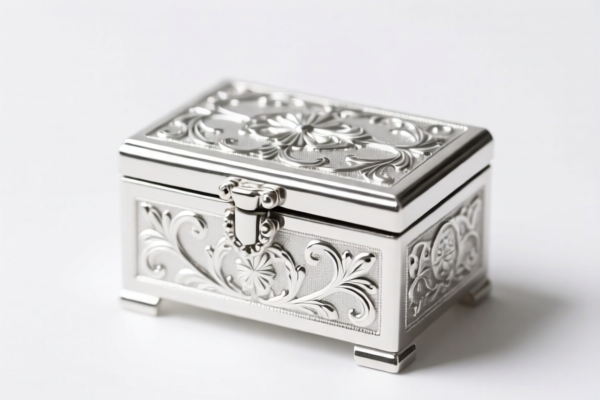
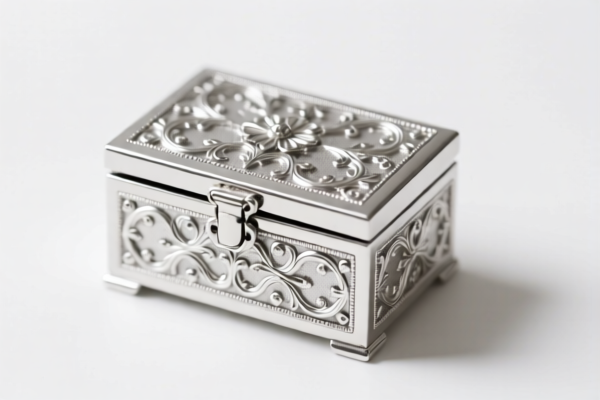
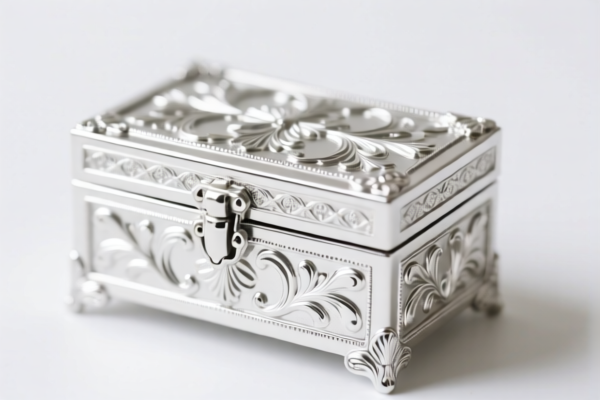
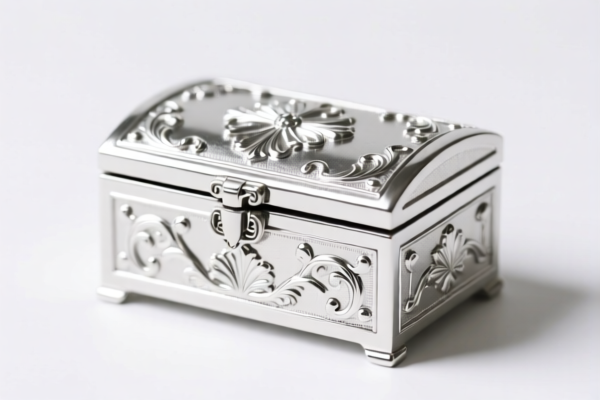
AI Analysis
🥫 Silver Refillable Can: HS Code Classification & Customs Clearance Guide (2026)
🌐 HS Code Reference & Customs Clearance Guide | 2026 Latest Tariff Analysis | Professional Clearance Strategy
📌 I. Product Definition & Classification: What Exactly Is a "Silver Refillable Can"?
A "Silver Refillable Can" typically refers to a container used for storing and transporting goods (such as beverages, chemicals, or industrial materials) that is designed to be refilled multiple times. The term "Silver" usually implies a metallic appearance, often achieved through stainless steel, aluminum, or plastic with a metallic coating. The key characteristics are: 1. Refillable: Designed for repeated use. 2. Silver Appearance: Likely made of metal (stainless steel/aluminum) or coated plastic. 3. Container: Used for storage or transport.
⚠️ Key Distinction:
- If made of plastic with a metallic coating, it falls under Chapter 39 (Plastics).
- If made of steel or aluminum, it falls under Chapter 73 (Iron/Steel) or Chapter 76 (Aluminum).
- The refillable feature is critical for classification, as it may exclude single-use packaging.
📦 II. HS Code Classification Details (2026 Latest Tariff Authorities)
| HS Code | Product Description | Applicable Scenario | Material Inference |
|---|---|---|---|
3923.30.00.10 |
Plastic articles for the conveyance or packaging of goods, specifically refillable containers | Plastic containers with metallic coating, designed for reuse | ✅ Plastic with metallic finish |
3923.30.00.90 |
Other plastic articles for conveyance/packaging (not specified) | Plastic containers, silver appearance may indicate coating | ✅ Plastic, general category |
7310.29.00.20 |
Iron or steel containers, other than pressurized, refillable | Stainless steel or steel cans, silver/metallic look | ✅ Steel/Stainless Steel |
7310.29.00.55 |
Iron or steel containers, refillable, specific sub-category | Matches refillable attribute, stainless steel, can shape | ✅ Steel/Stainless Steel |
🔍 Key Reminders:
- Plastic vs. Metal: The "silver" appearance is ambiguous. If it is plastic with a metallic coating, use 3923. If it is actual metal, use 7310.
- Refillable Feature: Both plastic and metal categories have specific sub-codes for refillable containers.
- Misclassification Risk: Declaring a metal can as plastic (or vice versa) can lead to significant tariff differences and customs penalties.
💰 III. 2026 Latest Tariff Rates Breakdown (Including Additional Taxes & Policies)
✅ Applicable Country: United States (US)
✅ Origin: China (CN)
✅ Effective Date: Ongoing (subject to current trade policies)
🎯 1. 3923.30.00.10 & 3923.30.00.90 — Plastic Refillable Containers
| Item | Detail |
|---|---|
| Base Tariff | 3.0% (ad valorem) |
| Section 301 Additional Tariff | +25% |
| Section 122 Tariff | +10% (Specific to certain Chinese imports) |
| Total Tariff Rate | 38.0% |
| Tax Calculation | CIF Value × 38% |
| De Minimis Exemption | ❌ Not Eligible |
| Legal Basis | USITC:3923.30.00.10/90 → Section 301: 25% → Section 122: 10% |
📌 Explanation:
- Plastic containers are subject to Section 301 (25%) and Section 122 (10%) additional tariffs.
- Base rate is low (3%), but the total burden is high (38%).
- This applies if the can is plastic-based, even with a metallic finish.
🎯 2. 7310.29.00.20 & 7310.29.00.55 — Steel/Refillable Metal Containers
| Item | Detail |
|---|---|
| Base Tariff | 0.0% |
| Section 301 Additional Tariff | +25% |
| Section 122 Tariff | +10% |
| Steel, Aluminum, Copper Additional Tariff | +50% (Specific to steel/aluminum products) |
| Total Tariff Rate | 85.0% |
| Tax Calculation | CIF Value × 85% |
| De Minimis Exemption | ❌ Not Eligible |
| Legal Basis | USITC:7310.29.00.20/55 → Section 301: 25% → Section 122: 10% → Steel/Aluminum Surcharge: 50% |
📌 Explanation:
- Steel containers face a massive 85% total tariff due to the 50% additional surcharge on steel products.
- This is the highest-risk category for importers from China.
- Critical: If the can is made of stainless steel, it is subject to this 85% rate.
🛠️ IV. Customs Clearance Practical Advice (Combat Pitfalls)
✅ 1. Required Documentation Checklist (Must-Have)
| Document | Required | Description |
|---|---|---|
| ✅ Product Specification Sheet | ✔️ | Must clearly state material (plastic vs. steel) and refillable design |
| ✅ Material Certificate | ✔️ | Proof of material composition (e.g., 304 Stainless Steel, PP Plastic) |
| ✅ Product Photos (with Label) | ✔️ | Clear image showing "Silver" appearance and any material markings |
| ✅ Commercial Invoice | ✔️ | Specify "Refillable Container" and correct material |
| ✅ Packing List | ✔️ | Detail quantity and packaging type |
| ✅ Origin Certificate (CO) | ✔️ | Required for tariff determination |
✅ 2. Declaration Tips (Key Mnemonic)
🔥 "Material First, Refillable Second, Avoid Steel Penalty!"
| Scenario | Correct HS Code | Incorrect Action |
|---|---|---|
| Plastic can with metallic coating | 3923.30.00.10 (38%) |
Declare as steel → 85% penalty |
| Stainless steel refillable can | 7310.29.00.55 (85%) |
Declare as plastic → Audit risk & back taxes |
| Aluminum can | Similar to steel → High tariff | Not in provided data, but generally high |
📌 Strategy:
- If the can is plastic, ensure the invoice explicitly states "Polypropylene" or "Plastic with metallic finish".
- If it is steel, prepare for 85% duty. Consider sourcing from non-China origins if possible to mitigate tariffs.
✅ 3. Special Cases Handling
| Situation | Handling Advice |
|---|---|
| Mixed Materials | If the can is plastic body + metal cap, declare as plastic (3923) if plastic is the main component. Provide proof. |
| OEM Custom Can | Provide design drawings to prove refillable nature and material. |
| Chemical Storage | If used for hazardous materials, additional safety certifications (e.g., UN certification) may be required. |
| High-Value Claims | Disputing the 50% steel surcharge requires strong material evidence and potentially legal counsel. |
🌍 V. Global Customs Clearance Comparison (2026)
| Country/Region | Recommended HS Code | Tariff Rate (China Origin) | Certification Requirements | Notes |
|---|---|---|---|---|
| 🇺🇸 USA | 3923.30.00.10 (Plastic) |
38% | None specific | Steel: 85% |
| 🇪🇺 EU | 3923.30.00 (Plastic) |
~6.5% | None specific | Steel: ~2.5% + VAT |
| 🇨🇳 China | 3923.30.00 (Plastic) |
6.5% | None | Import duty varies |
| 🇯🇵 Japan | 3923.30.00 (Plastic) |
3.2% | None | Steel: 3.2% |
| 🇦🇺 Australia | 3923.30.00 (Plastic) |
5% | None | Steel: 5% |
📌 Conclusion:
- USA has the highest tariffs for both plastic (38%) and steel (85%) refillable cans from China.
- Plastic cans are significantly cheaper to import into the US than steel cans.
- Recommendation: If design allows, use plastic with metallic coating to reduce tariff burden from 85% to 38%.
📌 VI. Common Errors & Pitfalls (Lessons Learned)
❌ Error 1: Declaring a stainless steel can as plastic to avoid the 50% steel surcharge
👉 Consequence: Customs audit, back taxes of 47% (85%-38%), and potential fines.
❌ Error 2: Not specifying "Refillable" in the description
👉 Consequence: May be classified as single-use packaging, leading to incorrect HS codes and penalties.
❌ Error 3: Assuming "Silver" means Aluminum
👉 Consequence: Aluminum may also face high tariffs. Verify material composition.
❌ Error 4: Ignoring Section 122 tariffs
👉 Consequence: Underestimating total cost by 10%.
✅ Correct Approach:
"Refillable Plastic Container, Metallic Finish, PP Material, for Beverage Use, Model XYZ"
If Metal:
"Refillable Stainless Steel Can, 304 Grade, for Industrial Use, Model XYZ"
🎯 VII. Conclusion: Precision in Classification Saves Money!
🎯 Remember:
🔹 "Plastic 38%, Steel 85%: Choose Material Wisely!"
🔹 "Refillable is Key: Declare Clearly to Avoid Misclassification!"📌 Tip:
- If you can switch from steel to metallic-coated plastic, you save 47% in tariffs.
- Always get material certification to support your HS code declaration.
- Consider pre-ruling with US Customs (CBP) if the material is ambiguous.
📣 Immediate Action:
📞 Consult a licensed customs broker + Provide material specs + Apply for CBP Pre-Ruling
🚀 Optimize your supply chain, reduce tariffs, and ensure smooth clearance!
✨ Professional clearance starts with accurate classification!
💼 Every percentage point in duty affects your bottom line!
Customer Reviews
About HS Code Classification
The Harmonized System (HS) is an internationally standardized nomenclature developed by the World Customs Organization (WCO) to classify traded products. Over 200 countries use the HS system as the basis for customs tariffs, trade statistics, and import/export regulations.
Each HS code follows a hierarchical structure:
- Chapter (2 digits) — Broad category of goods (e.g., Chapter 84: Machinery and Mechanical Appliances)
- Heading (4 digits) — More specific grouping within the chapter
- Subheading (6 digits) — Internationally standardized breakdown, used by all WCO member countries
- National subdivisions (8-10 digits) — Country-specific extensions for further classification, such as US HTSUS 10-digit codes
Correct HS code classification is essential for smooth customs clearance, accurate duty payment, and compliance with trade regulations. Misclassification can lead to customs delays, overpayment of duties, or penalties.
When importing from CN to US, the applicable tariff rates may include:
- Most-Favored-Nation (MFN) rate — The standard duty rate applied to WTO members
- General rate — Applied to countries without trade agreements
- Trade remedy duties — Additional tariffs such as Section 301 (anti-dumping), Section 232 (national security), or countervailing duties
The information provided on this page is for reference purposes only. For official classification, please consult with your local customs authority or a licensed customs broker.