Small Milk Bottle
CN → US| HS编码 | 关税税率 | 原产国 | 目的国 | 文档 |
|---|---|---|---|---|
| 7013993000 | 26.5% | CN | US | 官方文档 |
| 3923300010 | 38.0% | CN | US | 官方文档 |
| 3923300090 | 38.0% | CN | US | 官方文档 |
| 3924104000 | 13.4% | CN | US | 官方文档 |
| 3924900500 | 20.6% | CN | US | 官方文档 |
| 7013492090 | 40.0% | CN | US | 官方文档 |
商品图片
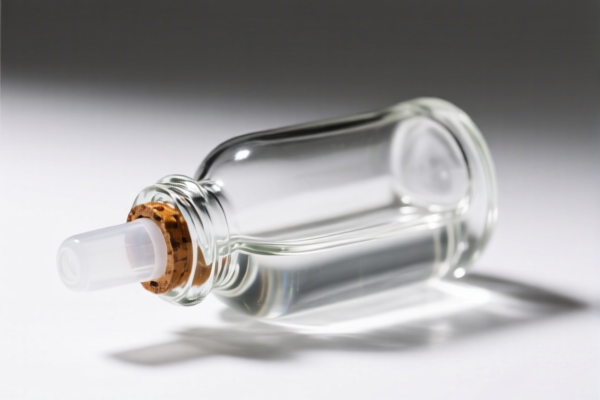
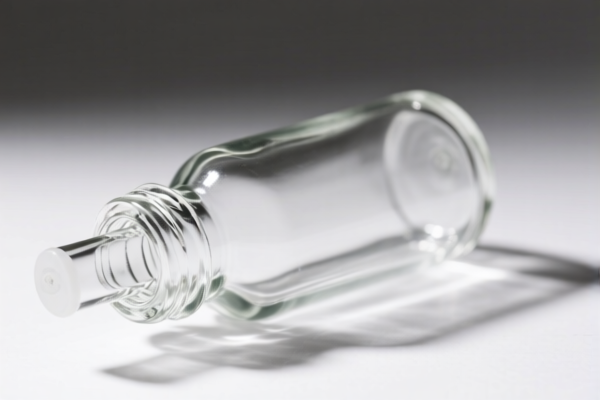
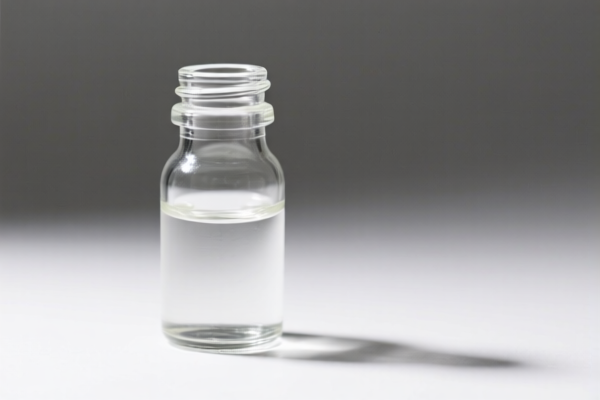
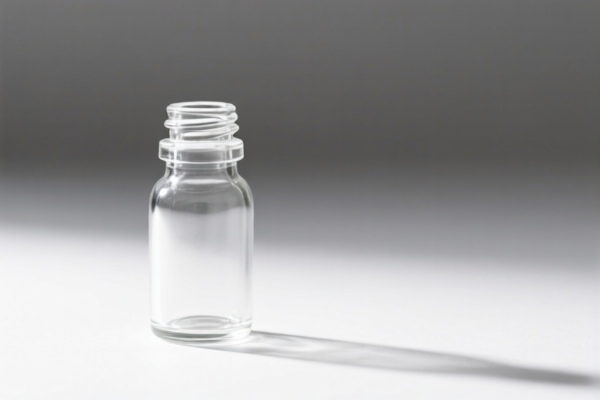
AI分析
🍼 Small Milk Bottle (Baby Feeding Bottles)
🌐 HS Code Reference & Clearance Guide | 2026 Latest Tariff Analysis | Professional Clearance Strategy
📌 1. Product Definition & Classification: What Exactly Is a "Small Milk Bottle"?
In international trade, a "Small Milk Bottle" is generally classified based on its material and intended use. It is primarily a consumer good for infant feeding or household dining. The key distinction lies in the raw material used, which drastically changes the HS Code and the applicable tax rate.
⚠️ Critical Distinction:
- Glass Material: Generally attracts lower additional tariffs (7.5%).
- Plastic Material: Attracts significantly higher additional tariffs (up to 25%), depending on the specific plastic subtype.
- Usage: Must be clearly declared as "for infant feeding" or "baby products" to match the correct subheading.
📦 2. HS Code Classification Details (2026 Latest Tariff Authority Comparison)
Based on the provided data, here are the applicable HS Codes for Small Milk Bottles, categorized by material and specific product type:
| HS Code | Product Description | Applicable Scenario | Material |
|---|---|---|---|
7013.99.30.00 |
Glass feeding bottles, used for feeding or tableware | Standard glass baby bottles, reusable glass bottles | ✅ Glass |
3923.30.00.10 |
Plastic bottle-like products, used for packaging or feeding | Generic plastic feeding bottles, standard plastic containers | ✅ Plastic |
3923.30.00.90 |
Large plastic bottles, jugs & similar articles, used for milk bottles | Larger capacity plastic bottles or generic plastic jug forms | ✅ Plastic |
3924.10.40.00 |
Plastic baby tableware or household articles | Dedicated baby plastic bottles, insulated feeding cups | ✅ Plastic (Baby Specific) |
3924.90.05.00 |
Plastic baby feeding articles, such as teats or bottles | Specific baby feeding accessories, specialized plastic bottles | ✅ Plastic (Baby Specific) |
🔍 Key Reminder:
- Glass Bottles fall under Chapter 70.
- Plastic Bottles are split between Chapter 39 (Packaging/General) and Chapter 39 (Baby Articles/Tableware).
- Misclassification Risk: Declaring a plastic bottle as "glass" or vice versa will lead to severe penalties. Declaring a general plastic bottle as a "baby article" when it is not specifically designed for infants may also cause issues.
💰 3. 2026 Latest Tariff Rate Breakdown (Including Surcharges & Policy Add-ons)
✅ Applicable Country: United States (US)
✅ Origin: China (CN) (Implied by the 122-section and Section 301 taxes mentioned in data)
✅ Effective Time: Current (Includes subsequent imports)
🎯 1. 7013.99.30.00 —— Glass Material Milk Bottle
| Item | Content |
|---|---|
| Basic Tariff | 9.0% |
| Section 301 Surcharge | 7.5% |
| Section 122 Tariff | 10.0% |
| Total Tax Rate | 26.5% |
| Tax Calculation | CIF Value × 26.5% |
| De Minimis Eligibility | ❌ No (High tax rate usually disqualifies from minimal exemption schemes) |
| Legal Basis Path | Basic: 9.0% → Sec 301: 7.5% → Sec 122: 10% |
📌 Explanation:
- Glass bottles have the lowest total tax burden among the options.
- The Section 301 surcharge is moderate (7.5%) compared to plastics.
- Ideal for brands focusing on premium, durable, and safer glass packaging.
🎯 2. 3923.30.00.10 —— Plastic Bottle-Like Products (Packaging/Feeding)
| Item | Content |
|---|---|
| Basic Tariff | 3.0% |
| Section 301 Surcharge | 25.0% |
| Section 122 Tariff | 10.0% |
| Total Tax Rate | 38.0% |
| Tax Calculation | CIF Value × 38.0% |
| De Minimis Eligibility | ❌ No |
| Legal Basis Path | Basic: 3.0% → Sec 301: 25.0% → Sec 122: 10% |
📌 Note:
- This code is for general plastic bottles or those used for packaging.
- The 25% Section 301 surcharge is the highest among the plastic categories.
- Use this only if the bottle is not specifically designed as a "baby article" but is used for feeding.
🎯 3. 3923.30.00.90 —— Large Plastic Bottles/Jugs (Used for Milk Bottles)
| Item | Content |
|---|---|
| Basic Tariff | 3.0% |
| Section 301 Surcharge | 25.0% |
| Section 122 Tariff | 10.0% |
| Total Tax Rate | 38.0% |
| Tax Calculation | CIF Value × 38.0% |
| De Minimis Eligibility | ❌ No |
| Legal Basis Path | Basic: 3.0% → Sec 301: 25.0% → Sec 122: 10% |
📌 Attention:
- Similar to3923.30.00.10, this incurs the maximum plastic surcharge.
- Typically applies to larger containers or generic plastic jug forms. Avoid this for standard small baby bottles unless they fit this specific geometric description.
🎯 4. 3924.10.40.00 —— Plastic Baby Tableware or Household Articles
| Item | Content |
|---|---|
| Basic Tariff | 3.4% |
| Section 301 Surcharge | 0.0% |
| Section 122 Tariff | 10.0% |
| Total Tax Rate | 13.4% |
| Tax Calculation | CIF Value × 13.4% |
| De Minimis Eligibility | ❌ No (But lowest overall tax) |
| Legal Basis Path | Basic: 3.4% → Sec 301: 0.0% → Sec 122: 10% |
📌 Advantage:
- Zero Section 301 Surcharge! This is the most cost-effective plastic option.
- Applicable only if the product is clearly classified as baby tableware or household articles for babies.
- Must provide evidence that the product is specifically designed for infants (e.g., shape, branding, marketing materials).
🎯 5. 3924.90.05.00 —— Plastic Baby Feeding Articles (Teats or Bottles)
| Item | Content |
|---|---|
| Basic Tariff | 3.1% |
| Section 301 Surcharge | 7.5% |
| Section 122 Tariff | 10.0% |
| Total Tax Rate | 20.6% |
| Tax Calculation | CIF Value × 20.6% |
| De Minimis Eligibility | ❌ No |
| Legal Basis Path | Basic: 3.1% → Sec 301: 7.5% → Sec 122: 10% |
📌 Middle Ground:
- Slightly higher than3924.10.40.00but significantly lower than3923codes.
- Specifically targets baby feeding articles like teats or specialized bottles.
- Good for products that are clearly "baby-specific" but may not fit the "tableware" definition of3924.10.40.00.
🛠️ 4. Clearance Practical Advice (Battle-Tested Pitfall Avoidance)
✅ 1. Documentation Checklist (Non-negotiable)
| Document | Required | Description |
|---|---|---|
| ✅ Product Specification Sheet | ✔️ | Must state material (Glass/Plastic type), volume, age suitability. |
| ✅ Product Photos | ✔️ | Clear images showing bottle, nipple, cap, and any "Baby" branding. |
| ✅ Commercial Invoice | ✔️ | Must explicitly state "Plastic Baby Bottle" or "Glass Feeding Bottle" — DO NOT just say "Container". |
| ✅ Certificate of Origin (CO) | ✔️ | To verify Chinese origin and apply correct tariffs. |
| ✅ Bill of Lading (B/L) | ✔️ | Match invoice details exactly. |
✅ 2. Declaration Tips (Key Mantra)
🔥 "Material First, Use Specific, Tax Saves Half!"
| Scenario | Correct Declaration | Wrong Approach |
|---|---|---|
| Standard Plastic Baby Bottle | 3924.10.40.00 (If qualifies as tableware) or 3924.90.05.00 |
3923.30.00.10 → 38% Tax (Save $0) |
| Glass Baby Bottle | 7013.99.30.00 |
3923.30.00.10 → Misclassification Risk |
| Generic Plastic Bottle (Non-Baby) | 3923.30.00.10 |
3924.10.40.00 → Audited & Penalized if no baby proof |
| Baby Bottle + Accessories Set | Whole Set under main item (3924.10.40.00) |
Split Declaration → Higher Total Tax |
📌 Crucial Point:
- If your plastic bottle is clearly marketed for babies, strive for3924.10.40.00(13.4%) or3924.90.05.00(20.6%).
- If you declare it as a general plastic bottle (3923...), you pay 38%.
- Savings: Up to 24.6% difference between Plastic Baby vs. Plastic General.
✅ 3. Special Case Handling
| Situation | Handling Advice |
|---|---|
| OEM Custom Bottles | Provide OEM contract and design files to prove "baby-specific" design. |
| Mixed Materials | If bottle is plastic but cap is rubber/silicone, still classify under the primary material (Plastic). |
| Sets (Bottle + Nipple + Brush) | Declare as a Set. The classification follows the main component (usually the bottle). |
| Samples for Review | Clearly mark as "Sample, Not for Sale" if using de minimis, but note that high tax rates may still apply. |
🌍 5. Global Main Market Clearance Comparison (2026 Latest)
| Country/Region | Recommended HS Code | Total Tax (China Origin) | Certification Requirements | Notes |
|---|---|---|---|---|
| 🇺🇸 USA | 7013.99.30.00 (Glass) |
26.5% | FDA, Prop 65 | Most Cost-Effective Plastic: 3924.10.40.00 (13.4%) |
| 🇪🇺 EU | 7013.99.30.00 |
~5-10% | CE, LFGB | No Section 301/122 taxes. Much simpler. |
| 🇨🇳 China | 7013.99.30.00 |
~9-15% | CCC (if applicable) | Lower export taxes, different import dynamics. |
📌 Conclusion for USA Market:
- Glass is consistent at 26.5%.
- Plastic varies wildly: 38% (Generic) vs. 13.4% (Baby Tableware).
- Strategy: Ensure your plastic bottles are documented and marketed explicitly as Baby Tableware/Feeding Articles to access the 13.4% rate.
📌 6. Common Errors & Pitfall Guide (Lessons Learned)
❌ Error 1: Declaring a Plastic Baby Bottle as 3923.30.00.10 (General Plastic Bottle)
👉 Consequence: Pay 38% instead of 13.4%. Loss: 24.6% profit margin.
❌ Error 2: Not providing "Baby Use" evidence for 3924.10.40.00
👉 Consequence: Customs reclassifies to 3923... → Back taxes + Penalties.
❌ Error 3: Mixing Glass and Plastic in one HS Code
👉 Consequence: Classification error → Shipment Delay/Inspection.
❌ Error 4: Vague Description: "Plastic Bottle"
👉 Consequence: Customs officer uses highest default rate. Always specify "Baby Feeding Bottle".
✅ Correct Declaration Example:
"Plastic Baby Feeding Bottle, 250ml, BPA-Free, Designed for Infants 0-6 Months, Model: BabySafe-250"
🎯 7. Conclusion: Professional Declaration, Save Money, Smooth Clearance!
🎯 Remember the Mantra:
🔹 "Glass 26.5%, Plastic Baby 13.4%, Plastic General 38%. Pick Wisely!"
🔹 "Specific Use Saves 25%! Generic Use Pays Full Price!"
📌 Pro Tip:
- If you are importing Plastic Bottles, ensure your Product Labeling and Marketing Materials explicitly mention "Baby," "Infant," or "Feeding." This supports the 3924.10.40.00 classification.
- For Glass Bottles, the 26.5% rate is fixed. Focus on volume and durability marketing.
📣 Immediate Action:
📞 Consult Customs Broker + Provide Product Photos + Confirm Material & Usage
🚀 Optimize Your HS Code, Maximize Your Profit!
✨ Professional Clearance Starts with Accurate Classification!
💼 Every Percent of Tax Saved is Pure Profit!
用户评价
关于 HS 编码归类
协调制度(HS)是由世界海关组织(WCO)制定的国际贸易商品分类标准。全球 200 多个国家采用 HS 系统作为海关关税、贸易统计和进出口监管的基础。
每个 HS 编码遵循以下层级结构:
- 章(2 位)——商品大类(例如:第 84 章:机器和机械设备)
- 品目(4 位)——章内的更具体分类
- 子目(6 位)——国际通用细分,所有 WCO 成员国统一使用
- 本国细分(8-10 位)——各国自行扩展的细分编码,如美国 HTSUS 10 位编码
正确的 HS 编码归类对于顺利通关、准确缴纳关税和遵守贸易法规至关重要。错误归类可能导致海关延误、多缴关税或罚款。
从CN进口到US时,适用的关税税率可能包括:
- 最惠国(MFN)税率——适用于 WTO 成员国的标准关税税率
- 普通税率——适用于无贸易协定国家
- 贸易救济关税——附加关税,如 301 条款(反倾销)、232 条款(国家安全)或反补贴税
本页内容仅供参考。如需正式归类,请咨询当地海关或持牌报关代理。