Small Milk Bottle
CN → US| HS Code | Tariff Rate | Origin | Destination | Doc |
|---|---|---|---|---|
| 7013993000 | 26.5% | CN | US | Official Doc |
| 3923300010 | 38.0% | CN | US | Official Doc |
| 3923300090 | 38.0% | CN | US | Official Doc |
| 3924104000 | 13.4% | CN | US | Official Doc |
| 3924900500 | 20.6% | CN | US | Official Doc |
| 7013492090 | 40.0% | CN | US | Official Doc |
Product Images
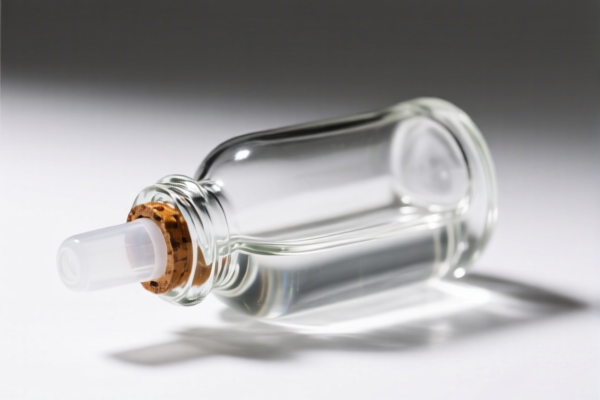
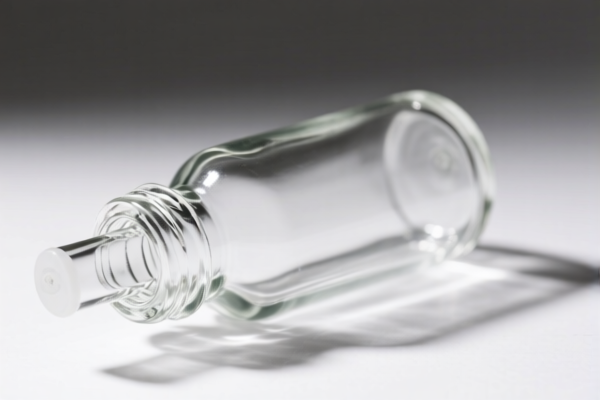
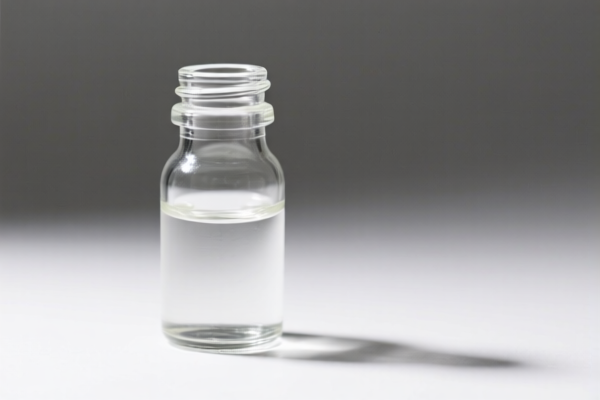
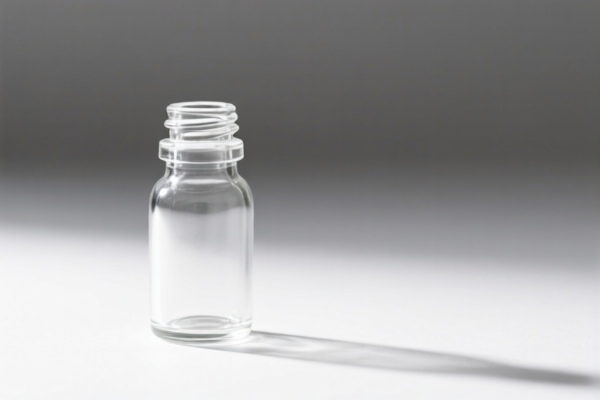
AI Analysis
🍼 Small Milk Bottle (Baby Feeding Bottles)
🌐 HS Code Reference & Clearance Guide | 2026 Latest Tariff Analysis | Professional Clearance Strategy
📌 1. Product Definition & Classification: What Exactly Is a "Small Milk Bottle"?
In international trade, a "Small Milk Bottle" is generally classified based on its material and intended use. It is primarily a consumer good for infant feeding or household dining. The key distinction lies in the raw material used, which drastically changes the HS Code and the applicable tax rate.
⚠️ Critical Distinction:
- Glass Material: Generally attracts lower additional tariffs (7.5%).
- Plastic Material: Attracts significantly higher additional tariffs (up to 25%), depending on the specific plastic subtype.
- Usage: Must be clearly declared as "for infant feeding" or "baby products" to match the correct subheading.
📦 2. HS Code Classification Details (2026 Latest Tariff Authority Comparison)
Based on the provided data, here are the applicable HS Codes for Small Milk Bottles, categorized by material and specific product type:
| HS Code | Product Description | Applicable Scenario | Material |
|---|---|---|---|
7013.99.30.00 |
Glass feeding bottles, used for feeding or tableware | Standard glass baby bottles, reusable glass bottles | ✅ Glass |
3923.30.00.10 |
Plastic bottle-like products, used for packaging or feeding | Generic plastic feeding bottles, standard plastic containers | ✅ Plastic |
3923.30.00.90 |
Large plastic bottles, jugs & similar articles, used for milk bottles | Larger capacity plastic bottles or generic plastic jug forms | ✅ Plastic |
3924.10.40.00 |
Plastic baby tableware or household articles | Dedicated baby plastic bottles, insulated feeding cups | ✅ Plastic (Baby Specific) |
3924.90.05.00 |
Plastic baby feeding articles, such as teats or bottles | Specific baby feeding accessories, specialized plastic bottles | ✅ Plastic (Baby Specific) |
🔍 Key Reminder:
- Glass Bottles fall under Chapter 70.
- Plastic Bottles are split between Chapter 39 (Packaging/General) and Chapter 39 (Baby Articles/Tableware).
- Misclassification Risk: Declaring a plastic bottle as "glass" or vice versa will lead to severe penalties. Declaring a general plastic bottle as a "baby article" when it is not specifically designed for infants may also cause issues.
💰 3. 2026 Latest Tariff Rate Breakdown (Including Surcharges & Policy Add-ons)
✅ Applicable Country: United States (US)
✅ Origin: China (CN) (Implied by the 122-section and Section 301 taxes mentioned in data)
✅ Effective Time: Current (Includes subsequent imports)
🎯 1. 7013.99.30.00 —— Glass Material Milk Bottle
| Item | Content |
|---|---|
| Basic Tariff | 9.0% |
| Section 301 Surcharge | 7.5% |
| Section 122 Tariff | 10.0% |
| Total Tax Rate | 26.5% |
| Tax Calculation | CIF Value × 26.5% |
| De Minimis Eligibility | ❌ No (High tax rate usually disqualifies from minimal exemption schemes) |
| Legal Basis Path | Basic: 9.0% → Sec 301: 7.5% → Sec 122: 10% |
📌 Explanation:
- Glass bottles have the lowest total tax burden among the options.
- The Section 301 surcharge is moderate (7.5%) compared to plastics.
- Ideal for brands focusing on premium, durable, and safer glass packaging.
🎯 2. 3923.30.00.10 —— Plastic Bottle-Like Products (Packaging/Feeding)
| Item | Content |
|---|---|
| Basic Tariff | 3.0% |
| Section 301 Surcharge | 25.0% |
| Section 122 Tariff | 10.0% |
| Total Tax Rate | 38.0% |
| Tax Calculation | CIF Value × 38.0% |
| De Minimis Eligibility | ❌ No |
| Legal Basis Path | Basic: 3.0% → Sec 301: 25.0% → Sec 122: 10% |
📌 Note:
- This code is for general plastic bottles or those used for packaging.
- The 25% Section 301 surcharge is the highest among the plastic categories.
- Use this only if the bottle is not specifically designed as a "baby article" but is used for feeding.
🎯 3. 3923.30.00.90 —— Large Plastic Bottles/Jugs (Used for Milk Bottles)
| Item | Content |
|---|---|
| Basic Tariff | 3.0% |
| Section 301 Surcharge | 25.0% |
| Section 122 Tariff | 10.0% |
| Total Tax Rate | 38.0% |
| Tax Calculation | CIF Value × 38.0% |
| De Minimis Eligibility | ❌ No |
| Legal Basis Path | Basic: 3.0% → Sec 301: 25.0% → Sec 122: 10% |
📌 Attention:
- Similar to3923.30.00.10, this incurs the maximum plastic surcharge.
- Typically applies to larger containers or generic plastic jug forms. Avoid this for standard small baby bottles unless they fit this specific geometric description.
🎯 4. 3924.10.40.00 —— Plastic Baby Tableware or Household Articles
| Item | Content |
|---|---|
| Basic Tariff | 3.4% |
| Section 301 Surcharge | 0.0% |
| Section 122 Tariff | 10.0% |
| Total Tax Rate | 13.4% |
| Tax Calculation | CIF Value × 13.4% |
| De Minimis Eligibility | ❌ No (But lowest overall tax) |
| Legal Basis Path | Basic: 3.4% → Sec 301: 0.0% → Sec 122: 10% |
📌 Advantage:
- Zero Section 301 Surcharge! This is the most cost-effective plastic option.
- Applicable only if the product is clearly classified as baby tableware or household articles for babies.
- Must provide evidence that the product is specifically designed for infants (e.g., shape, branding, marketing materials).
🎯 5. 3924.90.05.00 —— Plastic Baby Feeding Articles (Teats or Bottles)
| Item | Content |
|---|---|
| Basic Tariff | 3.1% |
| Section 301 Surcharge | 7.5% |
| Section 122 Tariff | 10.0% |
| Total Tax Rate | 20.6% |
| Tax Calculation | CIF Value × 20.6% |
| De Minimis Eligibility | ❌ No |
| Legal Basis Path | Basic: 3.1% → Sec 301: 7.5% → Sec 122: 10% |
📌 Middle Ground:
- Slightly higher than3924.10.40.00but significantly lower than3923codes.
- Specifically targets baby feeding articles like teats or specialized bottles.
- Good for products that are clearly "baby-specific" but may not fit the "tableware" definition of3924.10.40.00.
🛠️ 4. Clearance Practical Advice (Battle-Tested Pitfall Avoidance)
✅ 1. Documentation Checklist (Non-negotiable)
| Document | Required | Description |
|---|---|---|
| ✅ Product Specification Sheet | ✔️ | Must state material (Glass/Plastic type), volume, age suitability. |
| ✅ Product Photos | ✔️ | Clear images showing bottle, nipple, cap, and any "Baby" branding. |
| ✅ Commercial Invoice | ✔️ | Must explicitly state "Plastic Baby Bottle" or "Glass Feeding Bottle" — DO NOT just say "Container". |
| ✅ Certificate of Origin (CO) | ✔️ | To verify Chinese origin and apply correct tariffs. |
| ✅ Bill of Lading (B/L) | ✔️ | Match invoice details exactly. |
✅ 2. Declaration Tips (Key Mantra)
🔥 "Material First, Use Specific, Tax Saves Half!"
| Scenario | Correct Declaration | Wrong Approach |
|---|---|---|
| Standard Plastic Baby Bottle | 3924.10.40.00 (If qualifies as tableware) or 3924.90.05.00 |
3923.30.00.10 → 38% Tax (Save $0) |
| Glass Baby Bottle | 7013.99.30.00 |
3923.30.00.10 → Misclassification Risk |
| Generic Plastic Bottle (Non-Baby) | 3923.30.00.10 |
3924.10.40.00 → Audited & Penalized if no baby proof |
| Baby Bottle + Accessories Set | Whole Set under main item (3924.10.40.00) |
Split Declaration → Higher Total Tax |
📌 Crucial Point:
- If your plastic bottle is clearly marketed for babies, strive for3924.10.40.00(13.4%) or3924.90.05.00(20.6%).
- If you declare it as a general plastic bottle (3923...), you pay 38%.
- Savings: Up to 24.6% difference between Plastic Baby vs. Plastic General.
✅ 3. Special Case Handling
| Situation | Handling Advice |
|---|---|
| OEM Custom Bottles | Provide OEM contract and design files to prove "baby-specific" design. |
| Mixed Materials | If bottle is plastic but cap is rubber/silicone, still classify under the primary material (Plastic). |
| Sets (Bottle + Nipple + Brush) | Declare as a Set. The classification follows the main component (usually the bottle). |
| Samples for Review | Clearly mark as "Sample, Not for Sale" if using de minimis, but note that high tax rates may still apply. |
🌍 5. Global Main Market Clearance Comparison (2026 Latest)
| Country/Region | Recommended HS Code | Total Tax (China Origin) | Certification Requirements | Notes |
|---|---|---|---|---|
| 🇺🇸 USA | 7013.99.30.00 (Glass) |
26.5% | FDA, Prop 65 | Most Cost-Effective Plastic: 3924.10.40.00 (13.4%) |
| 🇪🇺 EU | 7013.99.30.00 |
~5-10% | CE, LFGB | No Section 301/122 taxes. Much simpler. |
| 🇨🇳 China | 7013.99.30.00 |
~9-15% | CCC (if applicable) | Lower export taxes, different import dynamics. |
📌 Conclusion for USA Market:
- Glass is consistent at 26.5%.
- Plastic varies wildly: 38% (Generic) vs. 13.4% (Baby Tableware).
- Strategy: Ensure your plastic bottles are documented and marketed explicitly as Baby Tableware/Feeding Articles to access the 13.4% rate.
📌 6. Common Errors & Pitfall Guide (Lessons Learned)
❌ Error 1: Declaring a Plastic Baby Bottle as 3923.30.00.10 (General Plastic Bottle)
👉 Consequence: Pay 38% instead of 13.4%. Loss: 24.6% profit margin.
❌ Error 2: Not providing "Baby Use" evidence for 3924.10.40.00
👉 Consequence: Customs reclassifies to 3923... → Back taxes + Penalties.
❌ Error 3: Mixing Glass and Plastic in one HS Code
👉 Consequence: Classification error → Shipment Delay/Inspection.
❌ Error 4: Vague Description: "Plastic Bottle"
👉 Consequence: Customs officer uses highest default rate. Always specify "Baby Feeding Bottle".
✅ Correct Declaration Example:
"Plastic Baby Feeding Bottle, 250ml, BPA-Free, Designed for Infants 0-6 Months, Model: BabySafe-250"
🎯 7. Conclusion: Professional Declaration, Save Money, Smooth Clearance!
🎯 Remember the Mantra:
🔹 "Glass 26.5%, Plastic Baby 13.4%, Plastic General 38%. Pick Wisely!"
🔹 "Specific Use Saves 25%! Generic Use Pays Full Price!"
📌 Pro Tip:
- If you are importing Plastic Bottles, ensure your Product Labeling and Marketing Materials explicitly mention "Baby," "Infant," or "Feeding." This supports the 3924.10.40.00 classification.
- For Glass Bottles, the 26.5% rate is fixed. Focus on volume and durability marketing.
📣 Immediate Action:
📞 Consult Customs Broker + Provide Product Photos + Confirm Material & Usage
🚀 Optimize Your HS Code, Maximize Your Profit!
✨ Professional Clearance Starts with Accurate Classification!
💼 Every Percent of Tax Saved is Pure Profit!
Customer Reviews
About HS Code Classification
The Harmonized System (HS) is an internationally standardized nomenclature developed by the World Customs Organization (WCO) to classify traded products. Over 200 countries use the HS system as the basis for customs tariffs, trade statistics, and import/export regulations.
Each HS code follows a hierarchical structure:
- Chapter (2 digits) — Broad category of goods (e.g., Chapter 84: Machinery and Mechanical Appliances)
- Heading (4 digits) — More specific grouping within the chapter
- Subheading (6 digits) — Internationally standardized breakdown, used by all WCO member countries
- National subdivisions (8-10 digits) — Country-specific extensions for further classification, such as US HTSUS 10-digit codes
Correct HS code classification is essential for smooth customs clearance, accurate duty payment, and compliance with trade regulations. Misclassification can lead to customs delays, overpayment of duties, or penalties.
When importing from CN to US, the applicable tariff rates may include:
- Most-Favored-Nation (MFN) rate — The standard duty rate applied to WTO members
- General rate — Applied to countries without trade agreements
- Trade remedy duties — Additional tariffs such as Section 301 (anti-dumping), Section 232 (national security), or countervailing duties
The information provided on this page is for reference purposes only. For official classification, please consult with your local customs authority or a licensed customs broker.