Small Shopping Bag
CN → US| HS编码 | 关税税率 | 原产国 | 目的国 | 文档 |
|---|---|---|---|---|
| 3923210080 | 38.0% | CN | US | 官方文档 |
| 3923210085 | 38.0% | CN | US | 官方文档 |
| 4819400040 | 35.0% | CN | US | 官方文档 |
| 4202923131 | 52.6% | CN | US | 官方文档 |
| 3923290000 | 38.0% | CN | US | 官方文档 |
商品图片
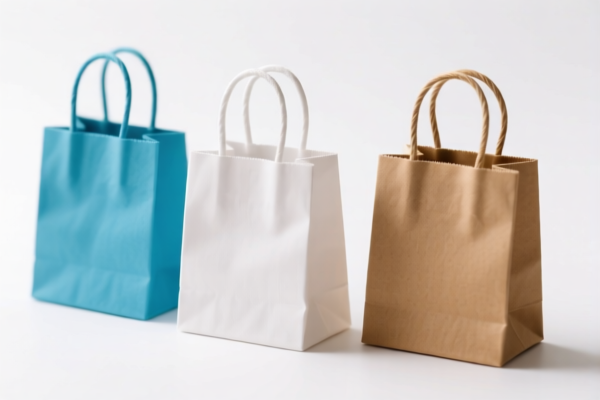
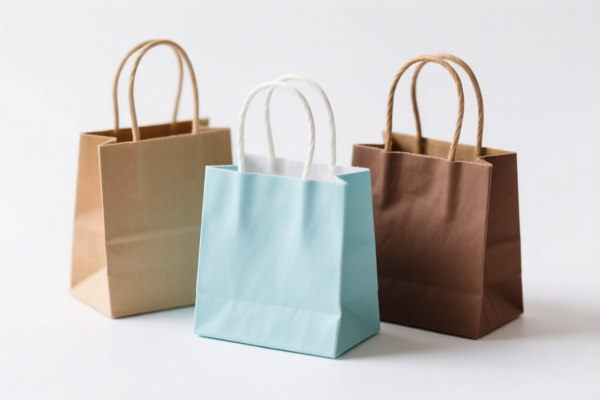
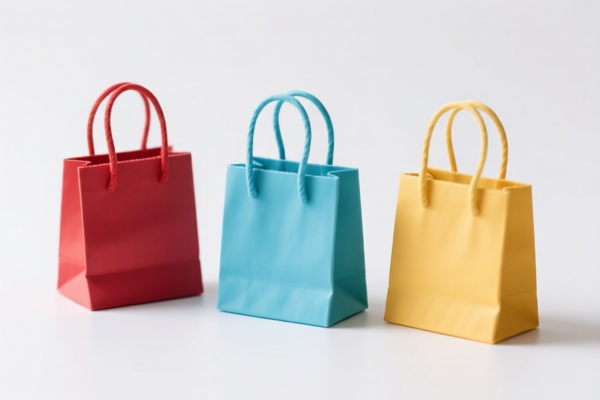
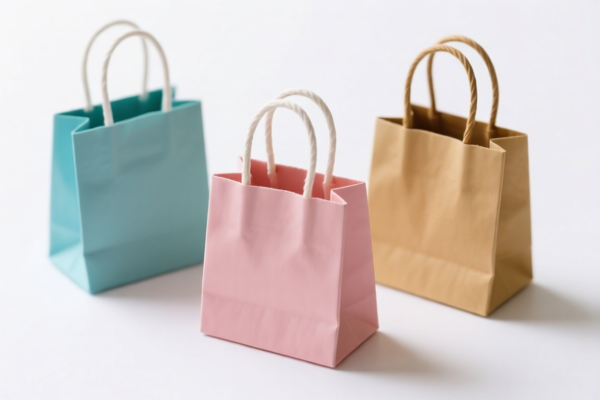
AI分析
🛍️ Small Shopping Bag (Shopping Bags)
🌐 HS Code Reference & Customs Clearance Guide | 2026 Latest Tariff Analysis | Professional Clearance Strategy
📌 I. Product Definition & Classification: What exactly is a "Small Shopping Bag"?
In international trade, a "Small Shopping Bag" is a generic term that covers various packaging and carrying items. Its HS Code classification depends heavily on two key factors: Material and Form/Purpose.
1. Plastic Shopping Bags (Polyethylene):
Typically used for retail, grocery, or promotional purposes. These are rigid or flexible containers made from polymers.
2. Paper Shopping Bags:
Commonly used for retail, gift-giving, or eco-friendly branding. Made from paper or paperboard.
3. Textile/Non-Woven Bags:
Often used for travel, storage, or reusable shopping. Made from fabrics or non-woven materials.
⚠️ Key Distinction Point:
- If it is Plastic: Likely falls under Chapter 39 (Plastics and Articles Thereof).
- If it is Paper: Likely falls under Chapter 48 (Paper and Paperboard).
- If it is Textile/Other: Likely falls under Chapter 42 (Articles of Leather; Saddle Harness; or Other Articles).
📦 II. HS Code Classification Details (2026 Latest Tariff Authority Comparison)
Based on the provided data, here are the four potential HS Codes for "Small Shopping Bag" depending on material and specific form:
| HS Code | Product Description | Matching Logic (Summary from Data) | Estimated Total Tax |
|---|---|---|---|
3923.21.00.80 |
Plastic Sacks and Bags | Material: Polyethylene (Plastic). Form: Bag. Use: Shopping Bag. Inferred material matches "Other" category logic. |
38.0% |
3923.21.00.85 |
Plastic Sacks and Bags (Retail Shopping Bags) | Form: Retail Shopping Bag. Material: Polyethylene (PE) inferred from common sense; no conflict with description. Specifically targets small retail bags. |
38.0% |
4819.40.00.40 |
Paper Sacks and Bags | Material: Paper or Paperboard (inferred). Form: Bag/Package. Use: Shopping Bag. Matches "Other sacks and bags" logic; no material conflict. |
35.0% |
4202.92.31.31 |
Textile/Other Travel & Sport Bags | Material: Textile (inferred for storage bags). Form: Bag/Pouch. Use: Storage/Shopping. No obvious material conflict with "Other travel/sport bags". |
52.6% |
3923.29.00.00 |
Other Plastic Containers & Pouches | Form: Pouch/Sack. Use: Packaging. Material: Plastic (inferred). Falls under "Other" categories for plastic packaging; no material conflict. |
38.0% |
🔍 Critical Reminder:
- Plastic Bags (3923.21/3923.29) are the most common for single-use shopping bags.
- Paper Bags (4819.40) are increasingly popular for eco-conscious brands.
- Textile Bags (4202.92) usually imply reusable, higher-value bags (e.g., canvas, non-woven) rather than simple disposable shopping bags. Misclassifying a plastic bag as textile can lead to severe penalties.
💰 III. 2026 Latest Tariff Rate Breakdown (Including Surcharges & Policy Add-ons)
✅ Applicable Country: United States (US)
✅ Origin: China (CN)
✅ Effective Date: 2025/2026 (Current Trade Environment)
The tax structure for Chinese-origin shopping bags includes Base Tariff + Section 301 Tariff + Section 122 Tariff.
🎯 1. Plastic Shopping Bags (3923.21.00.80 / 3923.21.00.85 / 3923.29.00.00)
| Item | Details |
|---|---|
| Base Tariff | 3.0% (Ad Valorem) |
| Section 301 Surcharge | +25.0% (USITC Footnote regarding Chinese imports) |
| Section 122 Surcharge | +10.0% (Specific tariff on certain goods from China) |
| Total Tax Rate | 38.0% |
| Tax Calculation | CIF Value × 38% |
| De Minimis Exemption | ❌ Not Eligible (Denied for these HS codes under current rules) |
| Legal Basis Path | Base: 3923.21/29 → Section 301: +25% → Section 122: +10% |
📌 Explanation:
- 3.0% is the standard Most Favored Nation (MFN) rate for plastic packaging.
- 25% is the standard Section 301 tariff on Chinese plastic articles.
- 10% is an additional punitive tariff (Section 122) often applied to specific consumer goods.
- Total 38% is a high barrier. Profit margins must account for this.
🎯 2. Paper Shopping Bags (4819.40.00.40)
| Item | Details |
|---|---|
| Base Tariff | 0.0% (Often duty-free for basic paper bags) |
| Section 301 Surcharge | +25.0% |
| Section 122 Surcharge | +10.0% |
| Total Tax Rate | 35.0% |
| Tax Calculation | CIF Value × 35% |
| De Minimis Exemption | ❌ Not Eligible |
| Legal Basis Path | Base: 4819.40 → Section 301: +25% → Section 122: +10% |
📌 Note:
- Even though the base rate is 0%, the 35% total is still very high due to the surcharges.
- Paper bags are slightly cheaper than plastic bags by 3% in total tax.
🎯 3. Textile/Other Bags (4202.92.31.31)
| Item | Details |
|---|---|
| Base Tariff | 17.6% |
| Section 301 Surcharge | +25.0% |
| Section 122 Surcharge | +10.0% |
| Total Tax Rate | 52.6% |
| Tax Calculation | CIF Value × 52.6% |
| De Minimis Exemption | ❌ Not Eligible |
| Legal Basis Path | Base: 4202.92 → Section 301: +25% → Section 122: +10% |
📌 Warning:
- This is the most expensive category.
- Only use this code if the bag is explicitly made of textile material (e.g., canvas, polyester) and used for travel/sports/storage, not simple shopping.
- Do not misclassify a plastic shopping bag as a textile bag to avoid "wrong declaration" penalties.
🛠️ IV. Customs Clearance Practical Advice (Real-World Pitfall Guide)
✅ 1. Required Documentation Checklist (Mandatory)
| Document | Must Provide | Explanation |
|---|---|---|
| ✅ Product Specifications | ✔️ | Material composition (e.g., 100% PE, 100% Paper), thickness, handle type. |
| ✅ Photos of Product | ✔️ | Clear images showing the bag, handles, and any branding. Crucial for material verification. |
| ✅ Commercial Invoice | ✔️ | Must clearly state "Shopping Bag" and specify material (e.g., "Polyethylene Shopping Bag"). |
| ✅ Packing List | ✔️ | Details quantity, weight, and dimensions. |
| ✅ Material Declaration | ✔️ | Explicitly state if plastic, paper, or textile. |
| ✅ FCC/CE Certs (if applicable) | ⚠️ | Rarely needed for bags, but required if the bag contains electronic components (e.g., LED lights). |
✅ 2. Declaration Tips (Critical Mnemonics)
🔥 "Material First, Form Second, Name Precise, Tax Drop!"
| Scenario | Correct Declaration | Wrong Declaration | Consequence |
|---|---|---|---|
| Plastic Retail Bag | 3923.21.00.80 - "Polyethylene Shopping Bag" |
4202.92 - "Fabric Bag" |
❌ Penalty: Wrong HS Code, 38% vs 52.6% + fines |
| Paper Gift Bag | 4819.40.00.40 - "Paper Shopping Bag" |
3923.21 - "Plastic Bag" |
❌ Risk: Seizure for misrepresentation |
| Reusable Canvas Bag | 4202.92.31.31 - "Textile Travel Bag" |
3923.21 - "Plastic Bag" |
❌ Error: Material mismatch |
| Plastic Pouch/Packaging | 3923.29.00.00 - "Plastic Pouch" |
3923.21 - "Shopping Bag" |
⚠️ Minor Risk: Slight classification difference, but same tax |
✅ 3. Special Circumstances Handling
| Situation | Handling Advice |
|---|---|
| OEM/Custom Printed Bags | Provide print files and brand authorization. Ensure the description matches the printed content (e.g., "Branded Retail Bag"). |
| Mixed Material Bags | If a bag has plastic handles but paper body, declare based on principal material. Usually, if >50% paper by weight/value, 4819.40 may apply, but consult a customs broker. |
| Eco-Friendly Claims | Avoid vague terms like "Biodegradable" without certification. If it's PLA (polylactic acid), it may still fall under 3923.21 (Plastics). |
| Small Quantity Samples | Still subject to 38-52% tax. De Minimis ($800) is NOT exempted for these goods from China. |
🌍 V. Global Market Comparison (2026 Latest)
| Country/Region | Recommended HS Code | Total Tariff (China Origin) | Certification Requirements | Notes |
|---|---|---|---|---|
| 🇺🇸 USA | 3923.21.00.80 (Plastic) |
38.0% | None | High tax due to Section 301 + 122 |
| 🇺🇸 USA | 4819.40.00.40 (Paper) |
35.0% | None | Slightly cheaper than plastic |
| 🇪🇺 EU | 3923.21 (Plastic) |
0% - 2.5% | EPR (Extended Producer Responsibility) | No Section 301. VAT applies separately. |
| 🇨🇳 China | 3923.21 (Plastic) |
3.0% | None | Export duty may apply. |
| 🇬🇧 UK | 3923.21 (Plastic) |
0% - 2.5% | UKCA Mark (if relevant) | Similar to EU post-Brexit. |
📌 Conclusion:
- USA is the most expensive market for Chinese shopping bags due to 38-52% total taxes.
- EU/UK has much lower tariffs (0-2.5%) but strict environmental regulations (EPR, plastic bans).
- Diversification Strategy: Consider sourcing from Vietnam or Mexico for US market to avoid Section 301 tariffs (though origin rules are strict).
📌 VI. Common Errors & Pitfall Guide (Lessons Learned)
❌ Error 1: Declaring plastic bags as "Textile Bags" to avoid high taxes
👉 Consequence: Customs audit reveals plastic material → Back taxes + 25% penalty.
❌ Error 2: Using vague names like "Bag" or "Package"
👉 Consequence: Customs assigns arbitrary HS Code → Delay + 52.6% tax (highest bracket).
❌ Error 3: Ignoring Section 122 Tariff
👉 Consequence: Underestimating total landed cost by 10% → Profit margin collapse.
❌ Error 4: Assuming De Minimis ($800) applies
👉 Consequence: Full tax on all shipments from China, even small samples.
✅ Correct Approach:
"Plastic Shopping Bag, HDPE, 15 Micron, Handle Type: Die-Cut, For Retail Use, HS Code: 3923.21.00.80"
🎯 VII. Conclusion: Professional Declaration, Save Costs!
🎯 Remember the Mnemonic:
🔹 "Plastic 38%, Paper 35%, Textile 52%!"
🔹 "Material determines Code, Code determines Tax, Tax determines Profit!"
📌 Pro Tip:
- If you are shipping Paper Bags, consider 4819.40.00.40 as it saves 3% compared to plastic.
- For Plastic Bags, 3923.21.00.85 is often preferred for "Retail Shopping Bags" due to its specific description, reducing audit risk.
- Pre-Ruling: Request an Advance Ruling from CBP if your bag has mixed materials or unique features.
📣 Immediate Action:
📞 Contact a licensed customs broker + Provide product photos + Verify material composition
🚀 Ensure your Commercial Invoice matches the HS Code exactly to avoid delays!
✨ Professional clearance starts with accurate classification!
💼 Your every cent of profit is worth precise calculation!
用户评价
关于 HS 编码归类
协调制度(HS)是由世界海关组织(WCO)制定的国际贸易商品分类标准。全球 200 多个国家采用 HS 系统作为海关关税、贸易统计和进出口监管的基础。
每个 HS 编码遵循以下层级结构:
- 章(2 位)——商品大类(例如:第 84 章:机器和机械设备)
- 品目(4 位)——章内的更具体分类
- 子目(6 位)——国际通用细分,所有 WCO 成员国统一使用
- 本国细分(8-10 位)——各国自行扩展的细分编码,如美国 HTSUS 10 位编码
正确的 HS 编码归类对于顺利通关、准确缴纳关税和遵守贸易法规至关重要。错误归类可能导致海关延误、多缴关税或罚款。
从CN进口到US时,适用的关税税率可能包括:
- 最惠国(MFN)税率——适用于 WTO 成员国的标准关税税率
- 普通税率——适用于无贸易协定国家
- 贸易救济关税——附加关税,如 301 条款(反倾销)、232 条款(国家安全)或反补贴税
本页内容仅供参考。如需正式归类,请咨询当地海关或持牌报关代理。