Small Shopping Bags
CN → US| HS编码 | 关税税率 | 原产国 | 目的国 | 文档 |
|---|---|---|---|---|
| 4819400040 | 35.0% | CN | US | 官方文档 |
| 4819400020 | 35.0% | CN | US | 官方文档 |
| 3923210080 | 38.0% | CN | US | 官方文档 |
| 3923210085 | 38.0% | CN | US | 官方文档 |
| 4202929336 | 52.6% | CN | US | 官方文档 |
| 4202929100 | 52.6% | CN | US | 官方文档 |
商品图片
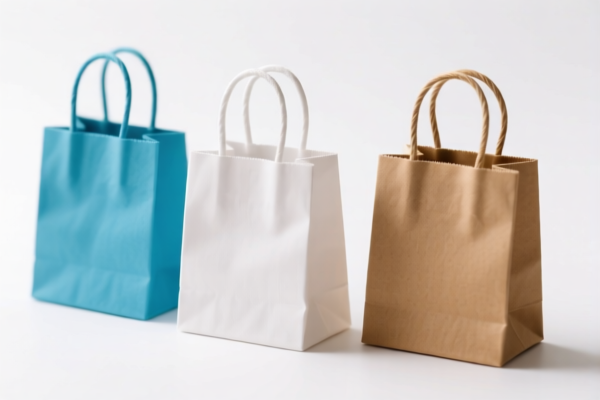
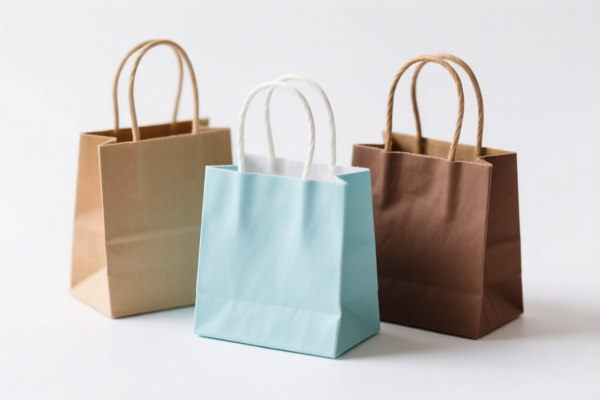
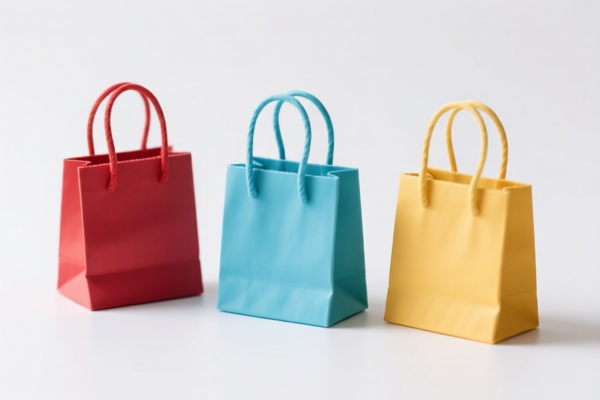
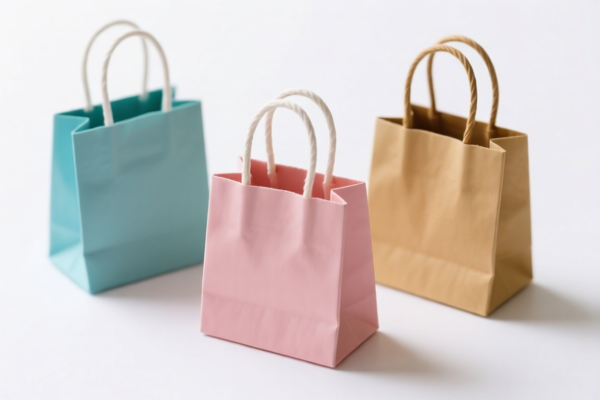
AI分析
🛍️ Small Shopping Bags (Gift Bags, Pouches & Sack-Type Containers)
🌐 HS Code Reference & Customs Clearance Guide | 2026 Latest Tariff Analysis | Professional Entry Strategy
📌 I. Product Definition & Classification: Do You Really Know What "Small Bag" Means?
"Small Shopping Bags" is a broad commercial term that lacks precision in international trade. In customs classification, the fate of your goods depends entirely on material composition and structural form.
A generic "small bag" can fall into completely different chapters depending on whether it is made of plastic, textile, or cotton fabric. Misclassification leads to severe duties, audits, and cargo delays.
⚠️ Critical Distinction Points:
- Plastic Material → Look at Chapter 39 (Plastics and Articles Thereof).
- Textile Material → Look at Chapter 42 (Articles of Leather; Saddle harness; Bags).
- Cotton/Fabric Material → Look at Chapter 63 (Other Made-Up Textile Articles).
📦 II. HS Code Classification Details (2026 Latest Tariff Authority Comparison)
Based on the specific characteristics of small bags, here are the four possible classifications derived from the provided data:
| HS Code | Product Description | Application Scenario | Material/Feature |
|---|---|---|---|
3923.21.00.80 |
Small plastic bags (sack-type containers) | Plastic shopping bags, vacuum bags, simple polyethylene sacks | ✅ Polymer (Plastic) |
4202.92.31.31 |
Bags of textile materials | Fashionable pouches, cosmetic bags, structured handbags made of fabric | ✅ Textile Material (Bag-like form) |
6307.90.98.91 |
Cotton-made small items/pouches | General cotton pouches, miscellaneous textile items not specified elsewhere | ✅ Cotton (Other finished textile items) |
6307.90.89.40 |
Cotton small item bags | Specific cotton pouches fitting cotton product characteristics | ✅ Cotton (Cotton fabric features) |
🔍 Key Reminder:
- Plastic bags (3923.21) are classified under "Sack-type containers." If it has a zipper or complex structure, it might still fall here if it's primarily a plastic sack. - Textile bags (4202.92) are treated as "articles of leather/textile." If it looks like a handbag or purse (has handles, structure), it goes here, not in general textile chapters. - Cotton items (6307.90) are "other made-up textile articles." Simple cotton pouches or small items without the structure of a bag often fall here.
💰 III. 2026 Latest Tariff Rate Details (Including Additional Duties & Policy Surcharges)
✅ Applicable Country: United States (US)
✅ Origin: China (CN)
✅ Effective Time: 2025/2026 (Current Trade War Era)
🎯 1. 3923.21.00.80 —— Plastic Small Bags (Sack-Type)
| Item | Content |
|---|---|
| Base Tariff | 3.0% |
| Section 301 (Additional Tariff) | +25.0% |
| IEEPA Section 122 Tariff | +10.0% |
| Total Tax Rate | 38.0% |
| Tax Calculation | CIF Value × 38.0% |
| De Minimis Exemption | ❌ Not Applicable (High tariffs block de minimis for certain Chinese plastics) |
| Legal Basis Path | USITC:3923.21.00.80 → Section 301: Footnote 9903.88.01 → IEEPA:9903.01.25 |
📌 Explanation:
- Plastic packaging often faces the standard 301 tariff (25%) due to its industrial nature. - The IEEPA 10% surcharge applies to specific Chinese-origin goods under recent executive orders. - Total 38% is significant for low-margin plastic goods.
🎯 2. 4202.92.31.31 —— Textile Material Bags (Bag-like Form)
| Item | Content |
|---|---|
| Base Tariff | 17.6% |
| Section 301 (Additional Tariff) | +25.0% |
| IEEPA Section 122 Tariff | +10.0% |
| Total Tax Rate | 52.6% |
| Tax Calculation | CIF Value × 52.6% |
| De Minimis Exemption | ❌ Not Applicable |
| Legal Basis Path | USITC:4202.92.31.31 → Section 301: Footnote 9903.88.01 → IEEPA:9903.01.25 |
📌 Explanation:
- This is the highest tax bracket among the options. - Goods classified under Chapter 42 (Leather/Textile Articles) are often viewed as consumer goods with higher value-add. - The base tariff is already 17.6%, plus 25% + 10% = 52.6%. This is extremely costly.
🎯 3. 6307.90.98.91 —— Cotton Small Items (Other Category)
| Item | Content |
|---|---|
| Base Tariff | 7.0% |
| Section 301 (Additional Tariff) | +7.5% |
| IEEPA Section 122 Tariff | +10.0% |
| Total Tax Rate | 24.5% |
| Tax Calculation | CIF Value × 24.5% |
| De Minimis Exemption | ❌ Not Applicable (Check specific value thresholds) |
| Legal Basis Path | USITC:6307.90.98.91 → Section 301: Footnote 9903.88.01 → IEEPA:9903.01.25 |
📌 Explanation:
- Moderate tax rate. - Lower Section 301 rate (7.5%) compared to plastics or leather/textile bags.
🎯 4. 6307.90.89.40 —— Cotton Small Item Bags (Cotton Characteristics)
| Item | Content |
|---|---|
| Base Tariff | 7.0% |
| Section 301 (Additional Tariff) | 0.0% |
| IEEPA Section 122 Tariff | +10.0% |
| Total Tax Rate | 17.0% |
| Tax Calculation | CIF Value × 17.0% |
| De Minimis Exemption | ⚠️ Potential Advantage (Lower total rate may improve de minimis eligibility checks) |
| Legal Basis Path | USITC:6307.90.89.40 → Section 301: Exempt/Sub-rate → IEEPA:9903.01.25 |
📌 Explanation:
- This is the most tax-efficient classification for cotton-based small bags. - Zero Section 301 Tariff is a huge advantage. - Only 7% base + 10% IEEPA = 17.0% Total.
🛠️ IV. Customs Clearance Practical Advice (Combat Pitfalls Guide)
✅ 1. Preparation Checklist (Missing any = Delay)
| Document | Required? | Description |
|---|---|---|
| ✅ Product Specification | ✔️ | Must specify material (e.g., "100% Cotton," "HDPE Plastic," "Polyester"). |
| ✅ Photos (Clear & Detailed) | ✔️ | Show closure type (zipper, drawstring, open top), handles, and lining. |
| ✅ Commercial Invoice | ✔️ | Describe accurately: e.g., "Cotton Pouch for Cosmetics," NOT just "Bag." |
| ✅ Material Certificate | ✔️ | Crucial for distinguishing between Chapter 42 (Textile Bag) and 6307 (Other Textile Item). |
| ✅ HS Code Pre-ruling | ✔️ | Strongly recommended for mixed-material items. |
✅ 2. Declaration Strategy (Key Mnemonic)
🔥 "Material Dictates Class, Form Dictates Duty! Low Tax via Cotton!"
| Scenario | Correct HS Code | Wrong Code | Consequence |
|---|---|---|---|
| Plastic Shopping Bag | 3923.21.00.80 |
6307.90... |
38% vs 17-24%. Huge overpayment. |
| Fabric Handbag/Pouch | 4202.92.31.31 |
6307.90... |
52.6% vs 17-24%. CATASTROPHIC cost increase. |
| Simple Cotton Pouch | 6307.90.89.40 |
4202.92... |
17% vs 52.6%. Optimal Choice. |
| Mixed Material Bag | Consult Customs | Guessing | Risk of 89.5% penalty rates if deemed misdeclared. |
✅ 3. Special Cases Handling
| Case | Handling Advice |
|---|---|
| Cotton Bags with Plastic Zippers | If cotton is the main component (by weight/value), argue for 6307.90.89.40 (17%) to avoid 4202 (52.6%). |
| Non-Woven Bags | Often classified under 4202 or 6307 depending on structure. Beware of 52.6% trap! Verify with customs broker. |
| Gift Bags with Handles | If it has a rigid handle and structured body, Customs may view it as a "Bag" (4202), triggering 52.6%. |
| Bulk Plastic Bags (Rolls) | Ensure description matches "Sack-type" (3923) to avoid misclassification as "Other plastic articles." |
🌍 V. Global Market Clearance Comparison (2026 Latest)
| Country/Region | Recommended HS Code | Tariff Rate | Certification | Remarks |
|---|---|---|---|---|
| 🇺🇸 USA | 6307.90.89.40 (Cotton) |
17.0% | No special cert | Lowest Tax Option |
| 🇺🇸 USA | 4202.92.31.31 (Textile) |
52.6% | No special cert | Avoid if possible |
| 🇪🇺 EU | 4202.92... or 6307... |
~2% - 5% | CE (if applicable) | No Section 301/IEEPA |
| 🇨🇳 China | Same HS Codes | 5% - 17.6% | N/A | No Additional Tariffs |
📌 Conclusion:
- The US market is the most punitive for small bags due to Section 301 and IEEPA tariffs. - Cotton-based small items (6307.90.89.40) are the only viable low-cost option for US importers. - Textile/Leather-style bags (4202) are prohibitively expensive (52.6%) for US entry.
📌 VI. Common Errors & Pitfalls Guide (Lessons from Blood & Tears)
❌ Error 1: Calling a Cotton Pouch a "Fashion Bag"
👉 Consequence: Customs may reclassify as 4202.92.31.31 → Tax jumps from 17% to 52.6%.
👉 Fix: Use terms like "Cotton Pouch," "Small Item Bag," or "Storage Sack."
❌ Error 2: Using "Plastic Bag" for a Zippered Plastic Case
👉 Consequence: May be classified as "Other Plastic Articles" (3923.50 or similar) with different rates.
👉 Fix: Specify "Sack-type container with zipper" if it fits 3923.21.
❌ Error 3: Ignoring the IEEPA 10% Surcharge
👉 Consequence: Underestimating landed cost. All listed codes have a 10% IEEPA surcharge.
👉 Fix: Always add 10% to your tax calculation for Chinese-origin goods.
❌ Error 4: Mixed Material Misclassification
👉 Consequence: If a bag is 60% cotton + 40% polyester, it may still be 6307, but if it has leather handles, it becomes 4202.
👉 Fix: Analyze principal material and structural characteristics.
✅ Correct Declaration Example:
"Cotton Small Item Bags, Drawstring Closure, 100% Cotton Fabric, For Storage of Accessories, No Rigid Handles, HS 6307.90.89.40"
🎯 VII. Conclusion: Professional Declaration Saves Money!
🎯 Remember the Mantra:
🔹 "Cotton Pouch = 17%, Textile Bag = 52.6%! Don't call it a Bag if it's a Pouch!"
🔹 "Plastic = 38%, Tax is Fixed!"
🔹 "IEEPA 10% is Always There for China Origin!"
📌 Pro Tip:
If your product is Cotton-based, insist on 6307.90.89.40 (17%).
If it is Plastic, accept 3923.21.00.80 (38%).
Avoid 4202.92.31.31 (52.6%) at all costs unless the product is explicitly a fashion accessory/handbag.
🚀 Action Plan:
1. Identify Material (Cotton vs. Plastic vs. Textile).
2. Identify Form (Pouch/Sack vs. Structured Bag).
3. Apply the Lowest Tax HS Code from the valid options.
4. Calculate 10% IEEPA on top.
✨ Smart Customs Classification = Higher Profit Margins!
💼 Don't Let a Misnamed "Bag" Cost You 35% in Extra Taxes!
用户评价
关于 HS 编码归类
协调制度(HS)是由世界海关组织(WCO)制定的国际贸易商品分类标准。全球 200 多个国家采用 HS 系统作为海关关税、贸易统计和进出口监管的基础。
每个 HS 编码遵循以下层级结构:
- 章(2 位)——商品大类(例如:第 84 章:机器和机械设备)
- 品目(4 位)——章内的更具体分类
- 子目(6 位)——国际通用细分,所有 WCO 成员国统一使用
- 本国细分(8-10 位)——各国自行扩展的细分编码,如美国 HTSUS 10 位编码
正确的 HS 编码归类对于顺利通关、准确缴纳关税和遵守贸易法规至关重要。错误归类可能导致海关延误、多缴关税或罚款。
从CN进口到US时,适用的关税税率可能包括:
- 最惠国(MFN)税率——适用于 WTO 成员国的标准关税税率
- 普通税率——适用于无贸易协定国家
- 贸易救济关税——附加关税,如 301 条款(反倾销)、232 条款(国家安全)或反补贴税
本页内容仅供参考。如需正式归类,请咨询当地海关或持牌报关代理。