Small Shopping Bags
CN → US| HS Code | Tariff Rate | Origin | Destination | Doc |
|---|---|---|---|---|
| 4819400040 | 35.0% | CN | US | Official Doc |
| 4819400020 | 35.0% | CN | US | Official Doc |
| 3923210080 | 38.0% | CN | US | Official Doc |
| 3923210085 | 38.0% | CN | US | Official Doc |
| 4202929336 | 52.6% | CN | US | Official Doc |
| 4202929100 | 52.6% | CN | US | Official Doc |
Product Images
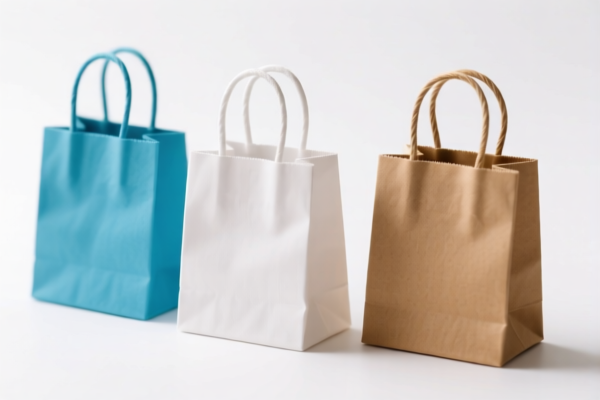
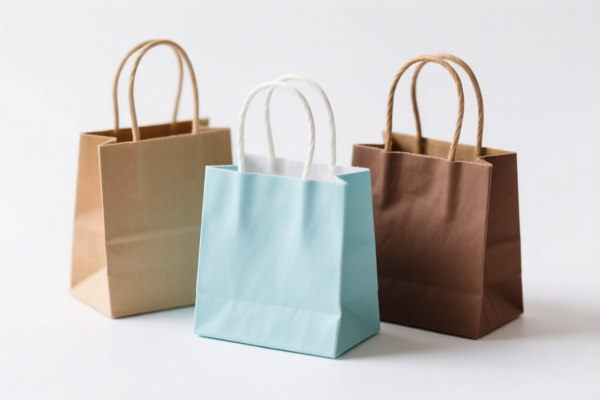
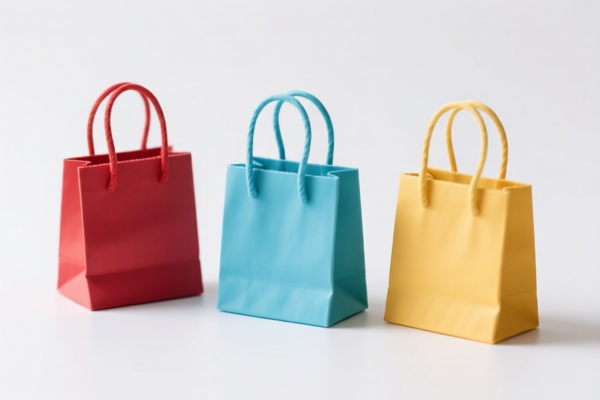
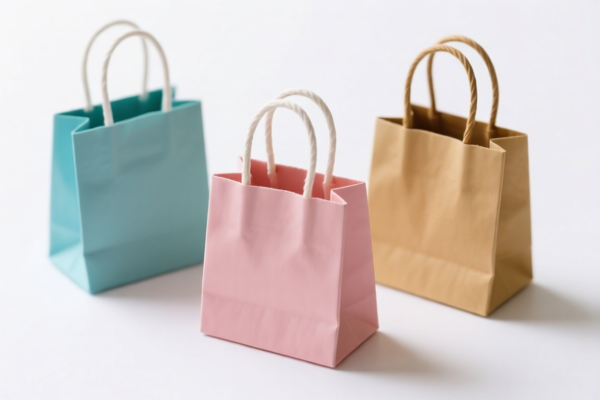
AI Analysis
🛍️ Small Shopping Bags (Gift Bags, Pouches & Sack-Type Containers)
🌐 HS Code Reference & Customs Clearance Guide | 2026 Latest Tariff Analysis | Professional Entry Strategy
📌 I. Product Definition & Classification: Do You Really Know What "Small Bag" Means?
"Small Shopping Bags" is a broad commercial term that lacks precision in international trade. In customs classification, the fate of your goods depends entirely on material composition and structural form.
A generic "small bag" can fall into completely different chapters depending on whether it is made of plastic, textile, or cotton fabric. Misclassification leads to severe duties, audits, and cargo delays.
⚠️ Critical Distinction Points:
- Plastic Material → Look at Chapter 39 (Plastics and Articles Thereof).
- Textile Material → Look at Chapter 42 (Articles of Leather; Saddle harness; Bags).
- Cotton/Fabric Material → Look at Chapter 63 (Other Made-Up Textile Articles).
📦 II. HS Code Classification Details (2026 Latest Tariff Authority Comparison)
Based on the specific characteristics of small bags, here are the four possible classifications derived from the provided data:
| HS Code | Product Description | Application Scenario | Material/Feature |
|---|---|---|---|
3923.21.00.80 |
Small plastic bags (sack-type containers) | Plastic shopping bags, vacuum bags, simple polyethylene sacks | ✅ Polymer (Plastic) |
4202.92.31.31 |
Bags of textile materials | Fashionable pouches, cosmetic bags, structured handbags made of fabric | ✅ Textile Material (Bag-like form) |
6307.90.98.91 |
Cotton-made small items/pouches | General cotton pouches, miscellaneous textile items not specified elsewhere | ✅ Cotton (Other finished textile items) |
6307.90.89.40 |
Cotton small item bags | Specific cotton pouches fitting cotton product characteristics | ✅ Cotton (Cotton fabric features) |
🔍 Key Reminder:
- Plastic bags (3923.21) are classified under "Sack-type containers." If it has a zipper or complex structure, it might still fall here if it's primarily a plastic sack. - Textile bags (4202.92) are treated as "articles of leather/textile." If it looks like a handbag or purse (has handles, structure), it goes here, not in general textile chapters. - Cotton items (6307.90) are "other made-up textile articles." Simple cotton pouches or small items without the structure of a bag often fall here.
💰 III. 2026 Latest Tariff Rate Details (Including Additional Duties & Policy Surcharges)
✅ Applicable Country: United States (US)
✅ Origin: China (CN)
✅ Effective Time: 2025/2026 (Current Trade War Era)
🎯 1. 3923.21.00.80 —— Plastic Small Bags (Sack-Type)
| Item | Content |
|---|---|
| Base Tariff | 3.0% |
| Section 301 (Additional Tariff) | +25.0% |
| IEEPA Section 122 Tariff | +10.0% |
| Total Tax Rate | 38.0% |
| Tax Calculation | CIF Value × 38.0% |
| De Minimis Exemption | ❌ Not Applicable (High tariffs block de minimis for certain Chinese plastics) |
| Legal Basis Path | USITC:3923.21.00.80 → Section 301: Footnote 9903.88.01 → IEEPA:9903.01.25 |
📌 Explanation:
- Plastic packaging often faces the standard 301 tariff (25%) due to its industrial nature. - The IEEPA 10% surcharge applies to specific Chinese-origin goods under recent executive orders. - Total 38% is significant for low-margin plastic goods.
🎯 2. 4202.92.31.31 —— Textile Material Bags (Bag-like Form)
| Item | Content |
|---|---|
| Base Tariff | 17.6% |
| Section 301 (Additional Tariff) | +25.0% |
| IEEPA Section 122 Tariff | +10.0% |
| Total Tax Rate | 52.6% |
| Tax Calculation | CIF Value × 52.6% |
| De Minimis Exemption | ❌ Not Applicable |
| Legal Basis Path | USITC:4202.92.31.31 → Section 301: Footnote 9903.88.01 → IEEPA:9903.01.25 |
📌 Explanation:
- This is the highest tax bracket among the options. - Goods classified under Chapter 42 (Leather/Textile Articles) are often viewed as consumer goods with higher value-add. - The base tariff is already 17.6%, plus 25% + 10% = 52.6%. This is extremely costly.
🎯 3. 6307.90.98.91 —— Cotton Small Items (Other Category)
| Item | Content |
|---|---|
| Base Tariff | 7.0% |
| Section 301 (Additional Tariff) | +7.5% |
| IEEPA Section 122 Tariff | +10.0% |
| Total Tax Rate | 24.5% |
| Tax Calculation | CIF Value × 24.5% |
| De Minimis Exemption | ❌ Not Applicable (Check specific value thresholds) |
| Legal Basis Path | USITC:6307.90.98.91 → Section 301: Footnote 9903.88.01 → IEEPA:9903.01.25 |
📌 Explanation:
- Moderate tax rate. - Lower Section 301 rate (7.5%) compared to plastics or leather/textile bags.
🎯 4. 6307.90.89.40 —— Cotton Small Item Bags (Cotton Characteristics)
| Item | Content |
|---|---|
| Base Tariff | 7.0% |
| Section 301 (Additional Tariff) | 0.0% |
| IEEPA Section 122 Tariff | +10.0% |
| Total Tax Rate | 17.0% |
| Tax Calculation | CIF Value × 17.0% |
| De Minimis Exemption | ⚠️ Potential Advantage (Lower total rate may improve de minimis eligibility checks) |
| Legal Basis Path | USITC:6307.90.89.40 → Section 301: Exempt/Sub-rate → IEEPA:9903.01.25 |
📌 Explanation:
- This is the most tax-efficient classification for cotton-based small bags. - Zero Section 301 Tariff is a huge advantage. - Only 7% base + 10% IEEPA = 17.0% Total.
🛠️ IV. Customs Clearance Practical Advice (Combat Pitfalls Guide)
✅ 1. Preparation Checklist (Missing any = Delay)
| Document | Required? | Description |
|---|---|---|
| ✅ Product Specification | ✔️ | Must specify material (e.g., "100% Cotton," "HDPE Plastic," "Polyester"). |
| ✅ Photos (Clear & Detailed) | ✔️ | Show closure type (zipper, drawstring, open top), handles, and lining. |
| ✅ Commercial Invoice | ✔️ | Describe accurately: e.g., "Cotton Pouch for Cosmetics," NOT just "Bag." |
| ✅ Material Certificate | ✔️ | Crucial for distinguishing between Chapter 42 (Textile Bag) and 6307 (Other Textile Item). |
| ✅ HS Code Pre-ruling | ✔️ | Strongly recommended for mixed-material items. |
✅ 2. Declaration Strategy (Key Mnemonic)
🔥 "Material Dictates Class, Form Dictates Duty! Low Tax via Cotton!"
| Scenario | Correct HS Code | Wrong Code | Consequence |
|---|---|---|---|
| Plastic Shopping Bag | 3923.21.00.80 |
6307.90... |
38% vs 17-24%. Huge overpayment. |
| Fabric Handbag/Pouch | 4202.92.31.31 |
6307.90... |
52.6% vs 17-24%. CATASTROPHIC cost increase. |
| Simple Cotton Pouch | 6307.90.89.40 |
4202.92... |
17% vs 52.6%. Optimal Choice. |
| Mixed Material Bag | Consult Customs | Guessing | Risk of 89.5% penalty rates if deemed misdeclared. |
✅ 3. Special Cases Handling
| Case | Handling Advice |
|---|---|
| Cotton Bags with Plastic Zippers | If cotton is the main component (by weight/value), argue for 6307.90.89.40 (17%) to avoid 4202 (52.6%). |
| Non-Woven Bags | Often classified under 4202 or 6307 depending on structure. Beware of 52.6% trap! Verify with customs broker. |
| Gift Bags with Handles | If it has a rigid handle and structured body, Customs may view it as a "Bag" (4202), triggering 52.6%. |
| Bulk Plastic Bags (Rolls) | Ensure description matches "Sack-type" (3923) to avoid misclassification as "Other plastic articles." |
🌍 V. Global Market Clearance Comparison (2026 Latest)
| Country/Region | Recommended HS Code | Tariff Rate | Certification | Remarks |
|---|---|---|---|---|
| 🇺🇸 USA | 6307.90.89.40 (Cotton) |
17.0% | No special cert | Lowest Tax Option |
| 🇺🇸 USA | 4202.92.31.31 (Textile) |
52.6% | No special cert | Avoid if possible |
| 🇪🇺 EU | 4202.92... or 6307... |
~2% - 5% | CE (if applicable) | No Section 301/IEEPA |
| 🇨🇳 China | Same HS Codes | 5% - 17.6% | N/A | No Additional Tariffs |
📌 Conclusion:
- The US market is the most punitive for small bags due to Section 301 and IEEPA tariffs. - Cotton-based small items (6307.90.89.40) are the only viable low-cost option for US importers. - Textile/Leather-style bags (4202) are prohibitively expensive (52.6%) for US entry.
📌 VI. Common Errors & Pitfalls Guide (Lessons from Blood & Tears)
❌ Error 1: Calling a Cotton Pouch a "Fashion Bag"
👉 Consequence: Customs may reclassify as 4202.92.31.31 → Tax jumps from 17% to 52.6%.
👉 Fix: Use terms like "Cotton Pouch," "Small Item Bag," or "Storage Sack."
❌ Error 2: Using "Plastic Bag" for a Zippered Plastic Case
👉 Consequence: May be classified as "Other Plastic Articles" (3923.50 or similar) with different rates.
👉 Fix: Specify "Sack-type container with zipper" if it fits 3923.21.
❌ Error 3: Ignoring the IEEPA 10% Surcharge
👉 Consequence: Underestimating landed cost. All listed codes have a 10% IEEPA surcharge.
👉 Fix: Always add 10% to your tax calculation for Chinese-origin goods.
❌ Error 4: Mixed Material Misclassification
👉 Consequence: If a bag is 60% cotton + 40% polyester, it may still be 6307, but if it has leather handles, it becomes 4202.
👉 Fix: Analyze principal material and structural characteristics.
✅ Correct Declaration Example:
"Cotton Small Item Bags, Drawstring Closure, 100% Cotton Fabric, For Storage of Accessories, No Rigid Handles, HS 6307.90.89.40"
🎯 VII. Conclusion: Professional Declaration Saves Money!
🎯 Remember the Mantra:
🔹 "Cotton Pouch = 17%, Textile Bag = 52.6%! Don't call it a Bag if it's a Pouch!"
🔹 "Plastic = 38%, Tax is Fixed!"
🔹 "IEEPA 10% is Always There for China Origin!"
📌 Pro Tip:
If your product is Cotton-based, insist on 6307.90.89.40 (17%).
If it is Plastic, accept 3923.21.00.80 (38%).
Avoid 4202.92.31.31 (52.6%) at all costs unless the product is explicitly a fashion accessory/handbag.
🚀 Action Plan:
1. Identify Material (Cotton vs. Plastic vs. Textile).
2. Identify Form (Pouch/Sack vs. Structured Bag).
3. Apply the Lowest Tax HS Code from the valid options.
4. Calculate 10% IEEPA on top.
✨ Smart Customs Classification = Higher Profit Margins!
💼 Don't Let a Misnamed "Bag" Cost You 35% in Extra Taxes!
Customer Reviews
About HS Code Classification
The Harmonized System (HS) is an internationally standardized nomenclature developed by the World Customs Organization (WCO) to classify traded products. Over 200 countries use the HS system as the basis for customs tariffs, trade statistics, and import/export regulations.
Each HS code follows a hierarchical structure:
- Chapter (2 digits) — Broad category of goods (e.g., Chapter 84: Machinery and Mechanical Appliances)
- Heading (4 digits) — More specific grouping within the chapter
- Subheading (6 digits) — Internationally standardized breakdown, used by all WCO member countries
- National subdivisions (8-10 digits) — Country-specific extensions for further classification, such as US HTSUS 10-digit codes
Correct HS code classification is essential for smooth customs clearance, accurate duty payment, and compliance with trade regulations. Misclassification can lead to customs delays, overpayment of duties, or penalties.
When importing from CN to US, the applicable tariff rates may include:
- Most-Favored-Nation (MFN) rate — The standard duty rate applied to WTO members
- General rate — Applied to countries without trade agreements
- Trade remedy duties — Additional tariffs such as Section 301 (anti-dumping), Section 232 (national security), or countervailing duties
The information provided on this page is for reference purposes only. For official classification, please consult with your local customs authority or a licensed customs broker.