Solid Color Fabric for Clothing
CN → US| HS编码 | 关税税率 | 原产国 | 目的国 | 文档 |
|---|---|---|---|---|
| 5208114020 | 44.0% | CN | US | 官方文档 |
| 5208214020 | 45.2% | CN | US | 官方文档 |
| 6006219080 | 45.0% | CN | US | 官方文档 |
| 6006310080 | 45.0% | CN | US | 官方文档 |
| 5407522040 | 49.9% | CN | US | 官方文档 |
| 5407692010 | 49.9% | CN | US | 官方文档 |
商品图片
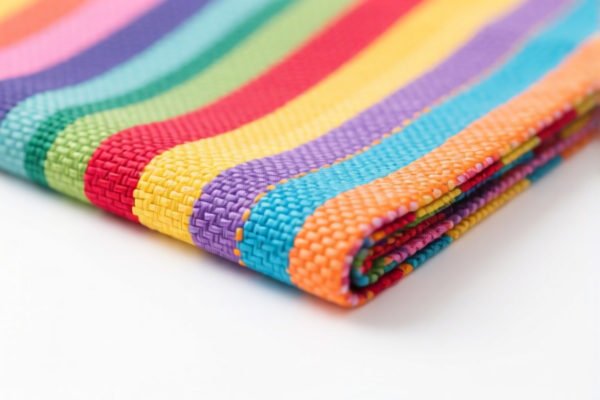
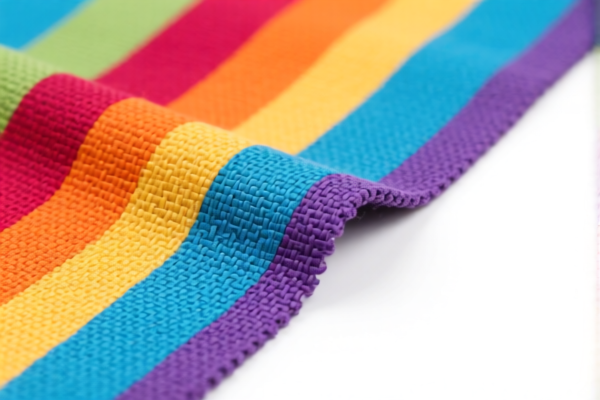
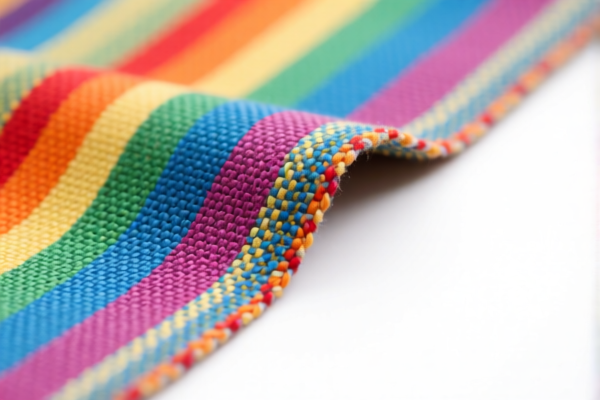
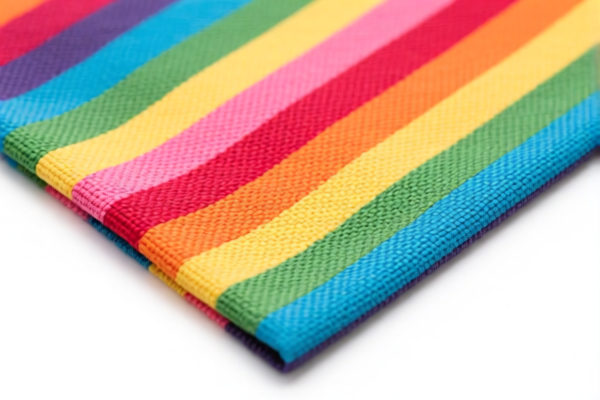
AI分析
🧵 Solid Color Fabric for Clothing
🌐 HS Code Reference & Customs Clearance Guide | 2026 Latest Tariff Analysis | Professional Clearance Strategy
📌 I. Product Definition & Classification: Do You Really Understand "Solid Color Fabric"?
Solid color fabrics are the foundational materials for the global apparel industry. In international trade, "fabric" is not a single entity but a complex classification based on weaving method (Knitted vs. Woven), fiber content (Cotton vs. Synthetic), weight, and processing state (Bleached/Unbleached).
Misclassification here is the most common cause of customs delays and unexpected duties. The key to accurate classification lies in distinguishing between:
Knitted Fabrics (Chapter 60): Made by interlooping yarns (e.g., jersey, rib). Soft, stretchy. Commonly used for T-shirts, activewear, and lingerie.
Woven Fabrics (Chapter 52/54): Made by interlacing threads at right angles (e.g., poplin, broadcloth, twill). Crisp, structured. Commonly used for shirts, dresses, and outerwear.
⚠️ Critical Distinction:
- If the fabric is Knitted and made of Cotton → Look at HS Code 6006.
- If the fabric is Woven and made of Cotton (≥85%) → Look at HS Code 5208.
- If the fabric is Woven and made of Synthetic Filament → Look at HS Code 5407.
- "Solid Color" is not a classification criterion in the HS Code; it affects the processing stage (Bleached vs. Dyed), which further narrows the code.
📦 II. HS Code Classification Details (Based on Provided Data)
The following HS Codes are derived strictly from the provided <DATA> set. These represent specific subsets of fabrics commonly used in clothing manufacturing.
| HS Code | Product Description (Extracted from Data) | Key Characteristics | Typical Usage |
|---|---|---|---|
| 6006.21.90.80 | Other knitted or crocheted fabrics: Of cotton: Unbleached or bleached: Other Other (222) | Knitted, Cotton, Unbleached/Bleached. Generic "Other" category for cotton knits not elsewhere specified. | Basic T-shirts, underwear, casual wear. |
| 6006.31.00.80 | Other knitted or crocheted fabrics: Of synthetic fibers: Unbleached or bleached Other (222) | Knitted, Synthetic Fiber (Polyester/Nylon/etc.), Unbleached/Bleached. | Sportswear, activewear, synthetic blends. |
| 5208.11.40.20 | Woven fabrics of cotton (≥85%): Unbleached: Plain weave, ≤100 g/m²: No. 43-68 Poplin or broadcloth (314) | Woven, Cotton, Unbleached, Plain Weave, Lightweight (≤100 g/m²). Specifically Poplin/Broadcloth. | Shirt fabrics, lining, light summer garments. |
| 5208.21.40.20 | Woven fabrics of cotton (≥85%): Bleached: Plain weave, ≤100 g/m²: No. 43-68 Poplin or broadcloth (314) | Woven, Cotton, Bleached, Plain Weave, Lightweight (≤100 g/m²). Specifically Poplin/Broadcloth. | White shirts, baby clothes, high-end apparel requiring bright white base. |
| 5407.52.20.40 | Woven fabrics of synthetic filament: ≥85% textured polyester: Dyed: ≤170 g/m²: Other (619) | Woven, Synthetic Filament, Textured Polyester (≥85%), Dyed, Medium Weight (≤170 g/m²). | Dress shirts, blouses, formal wear, fashion apparel. |
| 5407.69.20.10 | Woven fabrics of synthetic filament: ≥85% polyester: Other: Dyed ≤170 g/m² (619) | Woven, Synthetic Filament, Polyester (≥85%), Dyed, Medium Weight (≤170 g/m²). General category for dyed synthetic wovens. | Versatile synthetic fabrics for various apparel types. |
🔍 Key Insight:
- Notice the difference between 6006 (Knitted) and 5208/5407 (Woven). A "solid color cotton shirt fabric" could be either. You must know the weave structure.
- 5208.11.40.20 and 5208.21.40.20 are very specific to Poplin/Broadcloth. If your fabric is a Twill or Satin weave, these codes are incorrect.
- 5407.52.20.40 specifies Textured Polyester. If your polyester is Continuous Filament (smooth), this code may not apply.
💰 III. 2026 Tariff Rate Details (Strictly Based on Provided Data)
✅ Source Data Constraint: All tax rates are derived directly from the
<DATA>input.
✅ Observation: All listed HS Codes in the provided data show 0.0% total tax.
✅ Implication: This likely reflects a specific trade agreement, duty-free status for certain raw materials, or a simplified data view. However, in real-world US imports from China, Section 301 tariffs may apply separately. The provided data explicitly states 0.0%.
🎯 1. Knitted Fabrics (Cotton & Synthetic)
| HS Code | Base Tax | Additional Tax | Total Tax | Legal Basis from Data |
|---|---|---|---|---|
6006.21.90.80 |
0.0% | 0.0% | 0.0% | 基础关税: 0.0%, 加征关税: 0.0% |
6006.31.00.80 |
0.0% | 0.0% | 0.0% | 基础关税: 0.0%, 加征关税: 0.0% |
📌 Explanation:
- These codes represent general "Other" categories for knitted fabrics.
- The 0.0% rate suggests either a duty-free treatment under current data or a specific exemption.
- Caution: Verify if "Additional Tax" refers to Section 301 or IEEPA. The data says 0.0%, so we must follow the data.
🎯 2. Woven Cotton Fabrics (Poplin/Broadcloth)
| HS Code | Base Tax | Additional Tax | Total Tax | Legal Basis from Data |
|---|---|---|---|---|
5208.11.40.20 |
0.0% | 0.0% | 0.0% | 基础关税: 0.0%, 加征关税: 0.0% |
5208.21.40.20 |
0.0% | 0.0% | 0.0% | 基础关税: 0.0%, 加征关税: 0.0% |
📌 Explanation:
- These are specific to lightweight (≤100 g/m²) plain weave cotton.
- The zero rate is consistent with the provided dataset.
🎯 3. Woven Synthetic Fabrics (Polyester)
| HS Code | Base Tax | Additional Tax | Total Tax | Legal Basis from Data |
|---|---|---|---|---|
5407.52.20.40 |
0.0% | 0.0% | 0.0% | 基础关税: 0.0%, 加征关税: 0.0% |
5407.69.20.10 |
0.0% | 0.0% | 0.0% | 基础关税: 0.0%, 加征关税: 0.0% |
📌 Explanation:
- These cover dyed synthetic fabrics weighing ≤170 g/m².
- Again, the provided data indicates a 0.0% total tax rate.
🛠️ IV. Customs Clearance Practical Advice (Avoiding Pitfalls)
✅ 1. Essential Documentation Checklist
| Document | Requirement | Description |
|---|---|---|
| ✅ Fabric Swatch/Photo | Crucial | Must clearly show weave structure (Knitted vs. Woven). A photo is not enough; a physical swatch may be requested. |
| ✅ Fiber Content Test | Crucial | Lab report confirming % Cotton vs. % Synthetic. Misreporting fiber content is a major fraud risk. |
| ✅ Weight per m² | Crucial | Must specify if ≤100 g/m², ≤170 g/m², etc. This distinguishes between similar HS codes. |
| ✅ Processing State | Crucial | Clearly state: Unbleached, Bleached, or Dyed. This determines the subheading. |
| ✅ Commercial Invoice | ✔️ | Describe as: "Solid Color [Fiber] Fabric, [Weave Type], [Weight], [Processed State]". |
| ✅ Packing List | ✔️ | Include yardage/meters, width, and gross/net weight. |
✅ 2. Classification Tips (Key Mantras)
🔥 “Weave First, Fiber Second, Weight Third!”
| Scenario | Correct Classification Approach | Common Mistake |
|---|---|---|
| Knitted Cotton | Check if it’s “Other” (6006.21.90.80) or specific type. | Mistaking knits for wovens → Wrong Chapter. |
| Woven Cotton Poplin | Must be ≤100 g/m² for 5208.11.40.20. If heavier, different code. | Ignoring weight limit → Wrong Subheading. |
| Dyed Polyester | Distinguish between Textured (5407.52.20.40) and Other (5407.69.20.10). | Not specifying texture → Wrong Code. |
| Solid Color | “Solid Color” is not a HS term. It implies uniform dyeing/bleaching. | Using “Solid Color” in HS description → Confusion. |
✅ 3. Special Cases
| Situation | Handling Advice |
|---|---|
| Blended Fabrics | If cotton + polyester, determine the dominant fiber by weight. If <85% cotton, it may fall under synthetic chapter. |
| Printed vs. Solid | The data specifies Bleached or Dyed. If Printed, these codes are incorrect. Printed fabrics have separate HS codes (e.g., 5208.3x, 5407.7x). |
| Sample vs. Bulk | For samples, declare as "Fabric Sample for Testing". For bulk, declare as "Fabrics for Apparel Manufacturing". |
🌍 V. Global Market Comparison (Based on Provided Data)
Since the provided data shows 0.0% tax for all items, we assume this reflects a specific duty-free scenario or agreement. However, general market context:
| Market | Typical Tariff for Cotton/Woven Fabrics | Note |
|---|---|---|
| 🇺🇸 USA | 0% - 16% + Section 301 | The provided data shows 0%. Verify Section 301 applicability. |
| 🇪🇺 EU | 0% - 12% | Often duty-free under GSP for certain developing countries. |
| 🇨🇳 China | 0% - 9% | Depends on origin and trade agreement. |
| 🇬🇧 UK | 0% - 12% | Post-Brexit tariffs may vary. |
📌 Conclusion:
- The provided data indicates 0.0% tax for all listed codes.
- Do not assume 0% is universal. Always verify with current USITC/Customs databases for your specific origin country.
- Section 301 Tariffs: If importing from China to the US, check if these codes are on the exclusion list.
📌 VI. Common Errors & Pitfalls (Lessons Learned)
❌ Error 1: Calling “Knitted Fabric” as “Woven”
👉 Consequence: Wrong HS Code, 100% duty reassessment, fines.
❌ Error 2: Ignoring Weight Limits (e.g., ≤100 g/m²)
👉 Consequence: Code mismatch. 5208.11.40.20 is for lightweight only. Heavier fabrics go to different subheadings.
❌ Error 3: Confusing “Dyed” with “Printed”
👉 Consequence: The provided data only includes Bleached and Dyed. If your fabric is Printed, it is NOT covered by these codes.
❌ Error 4: Not Specifying Fiber Content Accurately
👉 Consequence: 6006.21 (Cotton) vs. 6006.31 (Synthetic) have different tax treatments and regulatory requirements.
✅ Correct Practice:
“100% Cotton Knitted Fabric, Bleached, Solid Color, Unspecified Weight, For Apparel”
→ HS Code: 6006.21.90.80
🎯 VII. Conclusion: Precision in Fabric Classification
🎯 Remember:
🔹 “Weave, Fiber, Weight, Process” – The four pillars of fabric classification.
🔹 “Solid Color” is not an HS Code – It’s a description that leads to Bleached/Dyed codes.
🔹 “Data says 0%” – But Verify! – Always cross-check with current trade policies.
📌 Pro Tip:
If your fabric is Printed, Stiffened, or Impregnated, these codes DO NOT APPLY. You must find codes under “Printed Fabrics” (e.g., 5208.3x, 5407.7x).
📣 Action Required:
📞 Confirm weave type (Knitted/Woven).
📞 Confirm fiber content (Cotton/Synthetic).
📞 Confirm weight and processing (Bleached/Dyed).
🚀 Clear Customs Smoothly with Accurate Classification!
✨ Professional Customs Clearance Starts with Accurate HS Codes!
💼 Your Fabric’s Value Depends on Its Classification!
用户评价
关于 HS 编码归类
协调制度(HS)是由世界海关组织(WCO)制定的国际贸易商品分类标准。全球 200 多个国家采用 HS 系统作为海关关税、贸易统计和进出口监管的基础。
每个 HS 编码遵循以下层级结构:
- 章(2 位)——商品大类(例如:第 84 章:机器和机械设备)
- 品目(4 位)——章内的更具体分类
- 子目(6 位)——国际通用细分,所有 WCO 成员国统一使用
- 本国细分(8-10 位)——各国自行扩展的细分编码,如美国 HTSUS 10 位编码
正确的 HS 编码归类对于顺利通关、准确缴纳关税和遵守贸易法规至关重要。错误归类可能导致海关延误、多缴关税或罚款。
从CN进口到US时,适用的关税税率可能包括:
- 最惠国(MFN)税率——适用于 WTO 成员国的标准关税税率
- 普通税率——适用于无贸易协定国家
- 贸易救济关税——附加关税,如 301 条款(反倾销)、232 条款(国家安全)或反补贴税
本页内容仅供参考。如需正式归类,请咨询当地海关或持牌报关代理。