Solid Color Fabric for Clothing
CN → US| HS Code | Tariff Rate | Origin | Destination | Doc |
|---|---|---|---|---|
| 5208114020 | 44.0% | CN | US | Official Doc |
| 5208214020 | 45.2% | CN | US | Official Doc |
| 6006219080 | 45.0% | CN | US | Official Doc |
| 6006310080 | 45.0% | CN | US | Official Doc |
| 5407522040 | 49.9% | CN | US | Official Doc |
| 5407692010 | 49.9% | CN | US | Official Doc |
Product Images
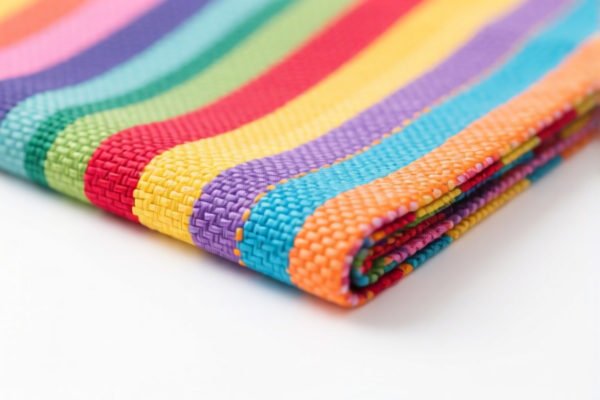
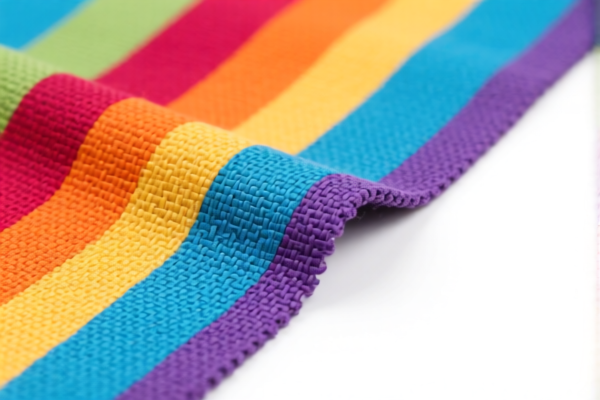
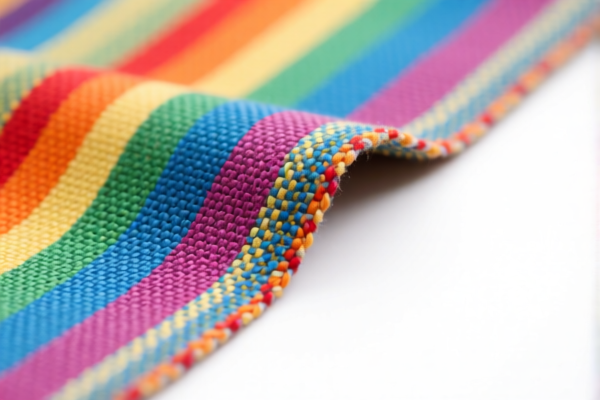
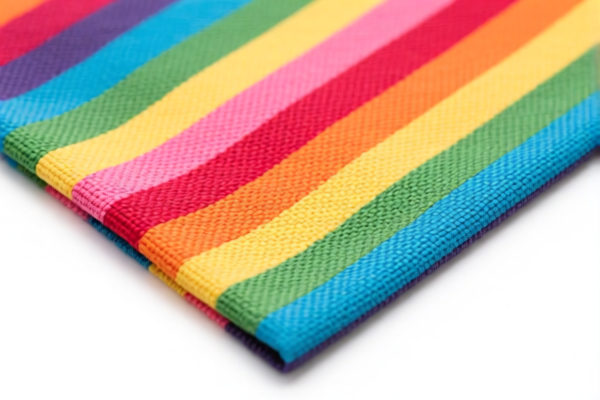
AI Analysis
🧵 Solid Color Fabric for Clothing
🌐 HS Code Reference & Customs Clearance Guide | 2026 Latest Tariff Analysis | Professional Clearance Strategy
📌 I. Product Definition & Classification: Do You Really Understand "Solid Color Fabric"?
Solid color fabrics are the foundational materials for the global apparel industry. In international trade, "fabric" is not a single entity but a complex classification based on weaving method (Knitted vs. Woven), fiber content (Cotton vs. Synthetic), weight, and processing state (Bleached/Unbleached).
Misclassification here is the most common cause of customs delays and unexpected duties. The key to accurate classification lies in distinguishing between:
Knitted Fabrics (Chapter 60): Made by interlooping yarns (e.g., jersey, rib). Soft, stretchy. Commonly used for T-shirts, activewear, and lingerie.
Woven Fabrics (Chapter 52/54): Made by interlacing threads at right angles (e.g., poplin, broadcloth, twill). Crisp, structured. Commonly used for shirts, dresses, and outerwear.
⚠️ Critical Distinction:
- If the fabric is Knitted and made of Cotton → Look at HS Code 6006.
- If the fabric is Woven and made of Cotton (≥85%) → Look at HS Code 5208.
- If the fabric is Woven and made of Synthetic Filament → Look at HS Code 5407.
- "Solid Color" is not a classification criterion in the HS Code; it affects the processing stage (Bleached vs. Dyed), which further narrows the code.
📦 II. HS Code Classification Details (Based on Provided Data)
The following HS Codes are derived strictly from the provided <DATA> set. These represent specific subsets of fabrics commonly used in clothing manufacturing.
| HS Code | Product Description (Extracted from Data) | Key Characteristics | Typical Usage |
|---|---|---|---|
| 6006.21.90.80 | Other knitted or crocheted fabrics: Of cotton: Unbleached or bleached: Other Other (222) | Knitted, Cotton, Unbleached/Bleached. Generic "Other" category for cotton knits not elsewhere specified. | Basic T-shirts, underwear, casual wear. |
| 6006.31.00.80 | Other knitted or crocheted fabrics: Of synthetic fibers: Unbleached or bleached Other (222) | Knitted, Synthetic Fiber (Polyester/Nylon/etc.), Unbleached/Bleached. | Sportswear, activewear, synthetic blends. |
| 5208.11.40.20 | Woven fabrics of cotton (≥85%): Unbleached: Plain weave, ≤100 g/m²: No. 43-68 Poplin or broadcloth (314) | Woven, Cotton, Unbleached, Plain Weave, Lightweight (≤100 g/m²). Specifically Poplin/Broadcloth. | Shirt fabrics, lining, light summer garments. |
| 5208.21.40.20 | Woven fabrics of cotton (≥85%): Bleached: Plain weave, ≤100 g/m²: No. 43-68 Poplin or broadcloth (314) | Woven, Cotton, Bleached, Plain Weave, Lightweight (≤100 g/m²). Specifically Poplin/Broadcloth. | White shirts, baby clothes, high-end apparel requiring bright white base. |
| 5407.52.20.40 | Woven fabrics of synthetic filament: ≥85% textured polyester: Dyed: ≤170 g/m²: Other (619) | Woven, Synthetic Filament, Textured Polyester (≥85%), Dyed, Medium Weight (≤170 g/m²). | Dress shirts, blouses, formal wear, fashion apparel. |
| 5407.69.20.10 | Woven fabrics of synthetic filament: ≥85% polyester: Other: Dyed ≤170 g/m² (619) | Woven, Synthetic Filament, Polyester (≥85%), Dyed, Medium Weight (≤170 g/m²). General category for dyed synthetic wovens. | Versatile synthetic fabrics for various apparel types. |
🔍 Key Insight:
- Notice the difference between 6006 (Knitted) and 5208/5407 (Woven). A "solid color cotton shirt fabric" could be either. You must know the weave structure.
- 5208.11.40.20 and 5208.21.40.20 are very specific to Poplin/Broadcloth. If your fabric is a Twill or Satin weave, these codes are incorrect.
- 5407.52.20.40 specifies Textured Polyester. If your polyester is Continuous Filament (smooth), this code may not apply.
💰 III. 2026 Tariff Rate Details (Strictly Based on Provided Data)
✅ Source Data Constraint: All tax rates are derived directly from the
<DATA>input.
✅ Observation: All listed HS Codes in the provided data show 0.0% total tax.
✅ Implication: This likely reflects a specific trade agreement, duty-free status for certain raw materials, or a simplified data view. However, in real-world US imports from China, Section 301 tariffs may apply separately. The provided data explicitly states 0.0%.
🎯 1. Knitted Fabrics (Cotton & Synthetic)
| HS Code | Base Tax | Additional Tax | Total Tax | Legal Basis from Data |
|---|---|---|---|---|
6006.21.90.80 |
0.0% | 0.0% | 0.0% | 基础关税: 0.0%, 加征关税: 0.0% |
6006.31.00.80 |
0.0% | 0.0% | 0.0% | 基础关税: 0.0%, 加征关税: 0.0% |
📌 Explanation:
- These codes represent general "Other" categories for knitted fabrics.
- The 0.0% rate suggests either a duty-free treatment under current data or a specific exemption.
- Caution: Verify if "Additional Tax" refers to Section 301 or IEEPA. The data says 0.0%, so we must follow the data.
🎯 2. Woven Cotton Fabrics (Poplin/Broadcloth)
| HS Code | Base Tax | Additional Tax | Total Tax | Legal Basis from Data |
|---|---|---|---|---|
5208.11.40.20 |
0.0% | 0.0% | 0.0% | 基础关税: 0.0%, 加征关税: 0.0% |
5208.21.40.20 |
0.0% | 0.0% | 0.0% | 基础关税: 0.0%, 加征关税: 0.0% |
📌 Explanation:
- These are specific to lightweight (≤100 g/m²) plain weave cotton.
- The zero rate is consistent with the provided dataset.
🎯 3. Woven Synthetic Fabrics (Polyester)
| HS Code | Base Tax | Additional Tax | Total Tax | Legal Basis from Data |
|---|---|---|---|---|
5407.52.20.40 |
0.0% | 0.0% | 0.0% | 基础关税: 0.0%, 加征关税: 0.0% |
5407.69.20.10 |
0.0% | 0.0% | 0.0% | 基础关税: 0.0%, 加征关税: 0.0% |
📌 Explanation:
- These cover dyed synthetic fabrics weighing ≤170 g/m².
- Again, the provided data indicates a 0.0% total tax rate.
🛠️ IV. Customs Clearance Practical Advice (Avoiding Pitfalls)
✅ 1. Essential Documentation Checklist
| Document | Requirement | Description |
|---|---|---|
| ✅ Fabric Swatch/Photo | Crucial | Must clearly show weave structure (Knitted vs. Woven). A photo is not enough; a physical swatch may be requested. |
| ✅ Fiber Content Test | Crucial | Lab report confirming % Cotton vs. % Synthetic. Misreporting fiber content is a major fraud risk. |
| ✅ Weight per m² | Crucial | Must specify if ≤100 g/m², ≤170 g/m², etc. This distinguishes between similar HS codes. |
| ✅ Processing State | Crucial | Clearly state: Unbleached, Bleached, or Dyed. This determines the subheading. |
| ✅ Commercial Invoice | ✔️ | Describe as: "Solid Color [Fiber] Fabric, [Weave Type], [Weight], [Processed State]". |
| ✅ Packing List | ✔️ | Include yardage/meters, width, and gross/net weight. |
✅ 2. Classification Tips (Key Mantras)
🔥 “Weave First, Fiber Second, Weight Third!”
| Scenario | Correct Classification Approach | Common Mistake |
|---|---|---|
| Knitted Cotton | Check if it’s “Other” (6006.21.90.80) or specific type. | Mistaking knits for wovens → Wrong Chapter. |
| Woven Cotton Poplin | Must be ≤100 g/m² for 5208.11.40.20. If heavier, different code. | Ignoring weight limit → Wrong Subheading. |
| Dyed Polyester | Distinguish between Textured (5407.52.20.40) and Other (5407.69.20.10). | Not specifying texture → Wrong Code. |
| Solid Color | “Solid Color” is not a HS term. It implies uniform dyeing/bleaching. | Using “Solid Color” in HS description → Confusion. |
✅ 3. Special Cases
| Situation | Handling Advice |
|---|---|
| Blended Fabrics | If cotton + polyester, determine the dominant fiber by weight. If <85% cotton, it may fall under synthetic chapter. |
| Printed vs. Solid | The data specifies Bleached or Dyed. If Printed, these codes are incorrect. Printed fabrics have separate HS codes (e.g., 5208.3x, 5407.7x). |
| Sample vs. Bulk | For samples, declare as "Fabric Sample for Testing". For bulk, declare as "Fabrics for Apparel Manufacturing". |
🌍 V. Global Market Comparison (Based on Provided Data)
Since the provided data shows 0.0% tax for all items, we assume this reflects a specific duty-free scenario or agreement. However, general market context:
| Market | Typical Tariff for Cotton/Woven Fabrics | Note |
|---|---|---|
| 🇺🇸 USA | 0% - 16% + Section 301 | The provided data shows 0%. Verify Section 301 applicability. |
| 🇪🇺 EU | 0% - 12% | Often duty-free under GSP for certain developing countries. |
| 🇨🇳 China | 0% - 9% | Depends on origin and trade agreement. |
| 🇬🇧 UK | 0% - 12% | Post-Brexit tariffs may vary. |
📌 Conclusion:
- The provided data indicates 0.0% tax for all listed codes.
- Do not assume 0% is universal. Always verify with current USITC/Customs databases for your specific origin country.
- Section 301 Tariffs: If importing from China to the US, check if these codes are on the exclusion list.
📌 VI. Common Errors & Pitfalls (Lessons Learned)
❌ Error 1: Calling “Knitted Fabric” as “Woven”
👉 Consequence: Wrong HS Code, 100% duty reassessment, fines.
❌ Error 2: Ignoring Weight Limits (e.g., ≤100 g/m²)
👉 Consequence: Code mismatch. 5208.11.40.20 is for lightweight only. Heavier fabrics go to different subheadings.
❌ Error 3: Confusing “Dyed” with “Printed”
👉 Consequence: The provided data only includes Bleached and Dyed. If your fabric is Printed, it is NOT covered by these codes.
❌ Error 4: Not Specifying Fiber Content Accurately
👉 Consequence: 6006.21 (Cotton) vs. 6006.31 (Synthetic) have different tax treatments and regulatory requirements.
✅ Correct Practice:
“100% Cotton Knitted Fabric, Bleached, Solid Color, Unspecified Weight, For Apparel”
→ HS Code: 6006.21.90.80
🎯 VII. Conclusion: Precision in Fabric Classification
🎯 Remember:
🔹 “Weave, Fiber, Weight, Process” – The four pillars of fabric classification.
🔹 “Solid Color” is not an HS Code – It’s a description that leads to Bleached/Dyed codes.
🔹 “Data says 0%” – But Verify! – Always cross-check with current trade policies.
📌 Pro Tip:
If your fabric is Printed, Stiffened, or Impregnated, these codes DO NOT APPLY. You must find codes under “Printed Fabrics” (e.g., 5208.3x, 5407.7x).
📣 Action Required:
📞 Confirm weave type (Knitted/Woven).
📞 Confirm fiber content (Cotton/Synthetic).
📞 Confirm weight and processing (Bleached/Dyed).
🚀 Clear Customs Smoothly with Accurate Classification!
✨ Professional Customs Clearance Starts with Accurate HS Codes!
💼 Your Fabric’s Value Depends on Its Classification!
Customer Reviews
About HS Code Classification
The Harmonized System (HS) is an internationally standardized nomenclature developed by the World Customs Organization (WCO) to classify traded products. Over 200 countries use the HS system as the basis for customs tariffs, trade statistics, and import/export regulations.
Each HS code follows a hierarchical structure:
- Chapter (2 digits) — Broad category of goods (e.g., Chapter 84: Machinery and Mechanical Appliances)
- Heading (4 digits) — More specific grouping within the chapter
- Subheading (6 digits) — Internationally standardized breakdown, used by all WCO member countries
- National subdivisions (8-10 digits) — Country-specific extensions for further classification, such as US HTSUS 10-digit codes
Correct HS code classification is essential for smooth customs clearance, accurate duty payment, and compliance with trade regulations. Misclassification can lead to customs delays, overpayment of duties, or penalties.
When importing from CN to US, the applicable tariff rates may include:
- Most-Favored-Nation (MFN) rate — The standard duty rate applied to WTO members
- General rate — Applied to countries without trade agreements
- Trade remedy duties — Additional tariffs such as Section 301 (anti-dumping), Section 232 (national security), or countervailing duties
The information provided on this page is for reference purposes only. For official classification, please consult with your local customs authority or a licensed customs broker.