Soup Pot
CN → US| HS编码 | 关税税率 | 原产国 | 目的国 | 文档 |
|---|---|---|---|---|
| 6912004810 | 19.8% | CN | US | 官方文档 |
| 3924102000 | 24.0% | CN | US | 官方文档 |
| 6912003910 | 14.5% | CN | US | 官方文档 |
| 3924104000 | 13.4% | CN | US | 官方文档 |
| 6911103510 | 43.5% | CN | US | 官方文档 |
商品图片
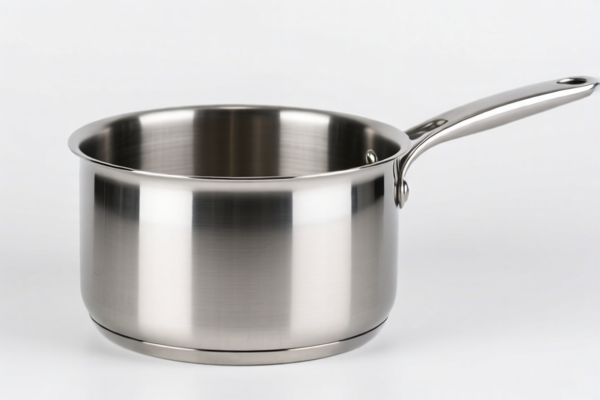
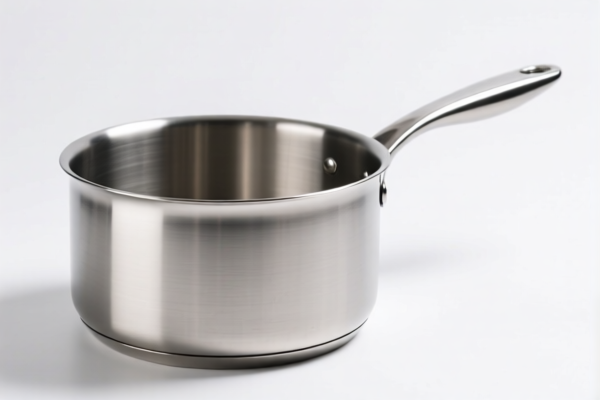
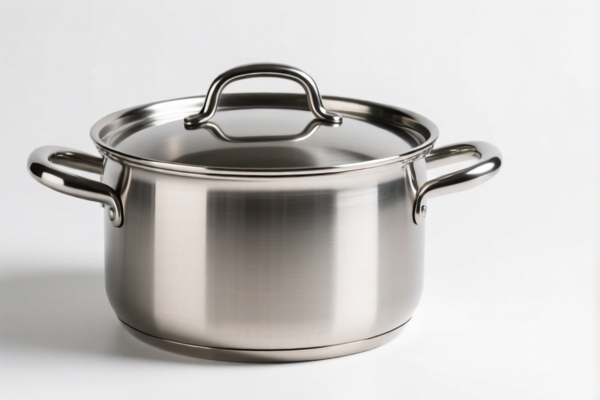
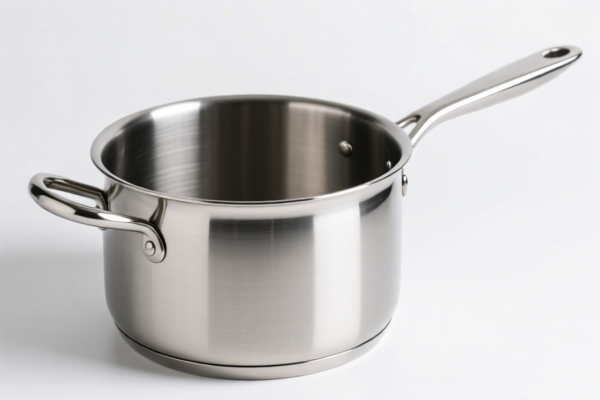
AI分析
🍲 Soup Pot (Soup Cookware/Pot)
🌐 HS Code Reference & Customs Clearance Guide | 2026 Latest Tariff Analysis | Professional Clearance Strategy
📌 I. Product Definition & Classification: Do You Really Understand “Soup Pots”?
The term "Soup Pot" is a generic descriptor in daily life, but in international trade, it strictly determines the HS Code based on Material, Function, and Specific Shape. It is not merely a "container"; it is categorized under Kitchen/Cooking Ware.
In the provided data, three distinct material classifications are identified for "Soup Pots": 1. Ceramic/Porcelain Tableware: Hard, brittle, heat-resistant, used for serving or cooking soup. 2. Plastic Tableware: Lightweight, often used for serving or cold storage, sometimes heat-resistant plastic. 3. Non-Porcelain Ceramic: A broader category of ceramic ware that does not meet the strict definition of "Porcelain" (e.g., earthenware or stoneware).
⚠️ Critical Distinction Point:
- If the pot is made of Plastic (e.g., PP, Melamine) → It falls under Chapter 39.
- If the pot is made of Porcelain (white, translucent, high-fired) → It falls under 6911.10.
- If the pot is made of Ceramic (opaque, earthenware, or general ceramic) → It falls under 6912.00.
- Misclassification Risk: Declaring a ceramic pot as plastic (or vice versa) to avoid tariffs is a major customs violation. The material must be physically verified.
📦 II. HS Code Classification Details (2026 Latest Tariff Authority Comparison)
Based on the provided data, here are the specific HS Codes for Soup Pots, ranked by tax efficiency:
| HS Code | Product Description | Material Inference | Use Case | Total Tax Rate |
|---|---|---|---|---|
3924.10.40.00 |
Tableware, Hygiene or Toilet Articles, of Plastics | Plastic | General plastic soup bowls/pots | 13.4% |
6912.00.39.10 |
Tableware, Kitchenware & Other Household Articles, of Ceramic | Non-Porcelain Ceramic | Earthenware/Stoneware soup pots | 14.5% |
6912.00.48.10 |
Tableware, Kitchenware & Other Household Articles, of Ceramic | Ceramic | General ceramic cookware | 19.8% |
3924.10.20.00 |
Tableware, Hygiene or Toilet Articles, of Plastics | Plastic | Specific plastic soup bowls | 24.0% |
6911.10.35.10 |
Porcelain Tableware & Kitchenware, Not Decorated | Porcelain | Fine porcelain soup bowls (highly specific) | 43.5% |
🔍 Key Insight:
- Plastic (3924.10.40.00) offers the lowest tariff at 13.4%, provided it is genuinely plastic.
- Porcelain (6911.10.35.10) carries the highest burden at 43.5% due to stricter classification and higher base duties.
- General Ceramic (6912.00.48.10) sits in the middle at 19.8%.
💰 III. 2026 Latest Tariff Rate Breakdown (Including Additional Duties & Policy Surcharges)
✅ Applicable Country: United States (US)
✅ Origin: China (CN)
✅ Effective Time: Includes subsequent imports under current trade policies (Section 301 & 122 provisions)
🎯 1. 3924.10.40.00 – Plastic Tableware (Most Cost-Effective)
| Item | Detail |
|---|---|
| Base Tariff | 3.4% (ad valorem) |
| Section 301 Additional Tariff | 0.0% (Exempt/No specific Section 301 surcharge for this specific subheading in the provided data) |
| Section 122 Tariff | +10.0% (Specific surcharge for certain plastics/chemicals) |
| Total Effective Rate | 13.4% |
| Tax Calculation | CIF Value × 13.4% |
| De Minimis Eligibility | ❌ No (Plastic tableware from China is generally subject to full duties; Note: Verify latest 501(c)(1) exemptions, but data implies full tax) |
| Legal Basis Path | USITC:3924.10.40.00 → FOOTNOTE:122 |
📌 Explanation:
- This is the most favorable option if the product is genuinely plastic.
- The 10% Section 122 tariff is a specific U.S. duty often applied to certain chemical/plastic products from China.
- Crucial: Ensure the product is not "porcelain-coated plastic" or mislabeled, as customs will reclassify it if physical evidence suggests otherwise.
🎯 2. 6912.00.39.10 – Non-Porcelain Ceramic Tableware
| Item | Detail |
|---|---|
| Base Tariff | 4.5% (ad valorem) |
| Section 301 Additional Tariff | 0.0% |
| Section 122 Tariff | +10.0% |
| Total Effective Rate | 14.5% |
| Tax Calculation | CIF Value × 14.5% |
| De Minimis Eligibility | ❌ No |
| Legal Basis Path | USITC:6912.00.39.10 → FOOTNOTE:122 |
📌 Explanation:
- Suitable for earthenware, stoneware, or unglazed ceramic soup pots.
- Slightly higher than plastic but significantly lower than porcelain.
- Verification Point: Must prove the item is not porcelain (i.e., it is opaque, less vitreous, and lower firing temperature).
🎯 3. 6912.00.48.10 – General Ceramic Cookware
| Item | Detail |
|---|---|
| Base Tariff | 9.8% (ad valorem) |
| Section 301 Additional Tariff | 0.0% |
| Section 122 Tariff | +10.0% |
| Total Effective Rate | 19.8% |
| Tax Calculation | CIF Value × 19.8% |
| De Minimis Eligibility | ❌ No |
| Legal Basis Path | USITC:6912.00.48.10 → FOOTNOTE:122 |
📌 Explanation:
- Applies to general ceramic pots that are not specifically classified as porcelain or other specific ceramic subheadings.
- Higher base duty (9.8%) reflects the value-added nature of ceramic cookware.
🎯 4. 3924.10.20.00 – Specific Plastic Tableware (Higher Tax)
| Item | Detail |
|---|---|
| Base Tariff | 6.5% (ad valorem) |
| Section 301 Additional Tariff | +7.5% |
| Section 122 Tariff | +10.0% |
| Total Effective Rate | 24.0% |
| Tax Calculation | CIF Value × 24.0% |
| De Minimis Eligibility | ❌ No |
| Legal Basis Path | USITC:3924.10.20.00 → FOOTNOTE:122 |
📌 Explanation:
- This code attracts a Section 301 surcharge of 7.5% in addition to the 122 tariff.
- Likely applies to specific types of plastic tableware that are not covered under the exempted3924.10.40.00.
- Recommendation: Avoid this code if3924.10.40.00is applicable to your product form.
🎯 5. 6911.10.35.10 – Porcelain Tableware (Highest Tax)
| Item | Detail |
|---|---|
| Base Tariff | 26.0% (ad valorem) |
| Section 301 Additional Tariff | +7.5% |
| Section 122 Tariff | +10.0% |
| Total Effective Rate | 43.5% |
| Tax Calculation | CIF Value × 43.5% |
| De Minimis Eligibility | ❌ No |
| Legal Basis Path | USITC:6911.10.35.10 → FOOTNOTE:122 |
📌 Explanation:
- Porcelain is classified separately from other ceramics (Chapter 6911 vs. 6912).
- High Base Duty (26.0%) reflects the premium nature of porcelain.
- Section 301 Surcharge (7.5%) applies here.
- Warning: This is the most expensive classification. Only use if the item is undeniably fine porcelain. Misclassifying ceramic as porcelain to get a "higher value" declaration is illegal.
🛠️ IV. Customs Clearance Practical Advice (Battle-Tested Pitfall Guide)
✅ 1. Documentation Checklist (Mandatory)
| Document | Required | Description |
|---|---|---|
| ✅ Product Specification Sheet | ✔️ | Must explicitly state Material Composition (e.g., "100% PP Plastic" or "Kaolin Clay, Fired at 1200°C"). |
| ✅ Material Test Report | ✔️ | Third-party lab report confirming material (e.g., FTIR for plastic, thermal analysis for ceramic). |
| ✅ Product Photos | ✔️ | Clear images showing texture, translucency (for porcelain), and any markings. |
| ✅ Commercial Invoice | ✔️ | Use precise terminology: "Plastic Soup Bowl" or "Ceramic Soup Pot" – never generic "Container". |
| ✅ Packing List | ✔️ | Detail weight and dimensions accurately. |
| ✅ Certification | ✔️ | FDA (for food contact), Prop 65 (for California), LFGB (if applicable). |
✅ 2. Declaration Tips (Key Mnemonics)
🔥 "Material is King, Code is Law! Plastic Low, Porcelain High."
| Scenario | Correct Declaration | Wrong Approach | Consequence |
|---|---|---|---|
| Plastic Pot | 3924.10.40.00 |
Declare as Ceramic | 13.4% vs 14.5% (Small diff, but accuracy matters) |
| Plastic Pot | 3924.10.40.00 |
Declare as 3924.10.20.00 |
13.4% vs 24.0% → Pay 10.6% more! |
| Ceramic Pot | 6912.00.39.10 |
Declare as 6911.10.35.10 (Porcelain) |
14.5% vs 43.5% → Overpay 29%! |
| Porcelain Pot | 6911.10.35.10 |
Declare as Ceramic | 43.5% vs 19.8% → Underpay 23.7% → Penalties! |
📌 Critical Note:
- Porcelain vs. Ceramic: Customs officers will tap the product. If it rings like a bell and is translucent, it’s likely porcelain (6911). If it’s duller and opaque, it’s ceramic (6912).
- Plastic vs. Ceramic: Do not mix materials. A "ceramic-looking plastic" pot must be declared as plastic, but you must prove it’s plastic.
✅ 3. Special Circumstances Handling
| Situation | Recommendation |
|---|---|
| Set with Multiple Materials | If a pot has a plastic handle and ceramic body, the main material determines the code. If the body is ceramic, declare as ceramic. |
| Food Safety Compliance | Ensure all items have FDA compliance for food contact. Lack of documentation can lead to detention. |
| Section 301 Exemptions | Check if any specific plastic codes have exclusion lists. If not, the 122 tariff applies. |
| Origin Marking | Ensure "Made in China" is clearly marked on the product/packaging to avoid origin fraud claims. |
🌍 V. Global Market Comparison (2026 Latest)
| Market | Recommended HS Code | Est. Duty Rate (China Origin) | Key Certification | Notes |
|---|---|---|---|---|
| 🇺🇸 USA | 3924.10.40.00 |
13.4% (Plastic) | FDA, Prop 65 | Lowest tax if plastic. Avoid Porcelain (43.5%) |
| 🇪🇺 EU | 3924.10.90 |
6.5% (Plastic) | LFGB, REACH | No Section 122/301 surcharges |
| 🇨🇳 China | 3924.10.90 |
6.5% (Plastic) | GB Standards | Low duty, easy clearance |
| 🇬🇧 UK | 3924.10.90 |
6.5% (Plastic) | UKCA | Post-Brexit rules apply |
📌 Conclusion:
- USA is the most complex market due to Section 122 and potential Section 301 surcharges.
- Plastic (3924.10.40.00) is the strategic choice for US imports to minimize costs (13.4% vs 43.5% for porcelain).
- Verify material rigorously to avoid misclassification penalties.
📌 VI. Common Errors & Pitfall Guide (Lessons Learned)
❌ Error 1: Declaring a Porcelain pot as Ceramic to save tax.
👉 Result: Customs reclassifies to 6911.10.35.10 → Back taxes of 29% + penalties.
❌ Error 2: Declaring a Plastic pot as Ceramic.
👉 Result: Higher tax (14.5% vs 13.4%) and potential audit for material fraud.
❌ Error 3: Ignoring Section 122 Tariff.
👉 Result: Underpayment by 10% on all ceramic/plastic tableware → Seizure or Debt.
❌ Error 4: Using vague terms like "Kitchenware" in invoice.
👉 Result: Customs delays, requires additional documentation, possible demurrage fees.
✅ Correct Approach:
"Plastic Soup Pot, PP Material, FDA Compliant, Model XYZ, HS Code 3924.10.40.00"
🎯 VII. Conclusion: Precision in Classification Saves Money!
🎯 Remember the Mnemonic:
🔹 "Plastic First, Ceramic Second, Porcelain is Expensive!"
🔹 "Check the Material, Check the Code, Avoid the 43.5% Trap!"
📌 Pro Tip:
If you are importing Plastic Soup Pots, ensure they fall under 3924.10.40.00 (13.4%) and not 3924.10.20.00 (24.0%). The difference is 10.6% – a significant margin for low-margin goods.
If you are importing Ceramic, try to classify as Non-Porcelain Ceramic (6912.00.39.10 at 14.5%) rather than General Ceramic (19.8%) or Porcelain (43.5%).
📣 Immediate Action:
📞 Verify Material Composition with your supplier.
📄 Request Test Reports (FTIR/Thermal).
🚀 Use the Lowest Applicable HS Code to optimize clearance costs!
✨ Professional Clearance, Starts with Precise Classification!
💼 Your Cost Efficiency is in the Details!
用户评价
关于 HS 编码归类
协调制度(HS)是由世界海关组织(WCO)制定的国际贸易商品分类标准。全球 200 多个国家采用 HS 系统作为海关关税、贸易统计和进出口监管的基础。
每个 HS 编码遵循以下层级结构:
- 章(2 位)——商品大类(例如:第 84 章:机器和机械设备)
- 品目(4 位)——章内的更具体分类
- 子目(6 位)——国际通用细分,所有 WCO 成员国统一使用
- 本国细分(8-10 位)——各国自行扩展的细分编码,如美国 HTSUS 10 位编码
正确的 HS 编码归类对于顺利通关、准确缴纳关税和遵守贸易法规至关重要。错误归类可能导致海关延误、多缴关税或罚款。
从CN进口到US时,适用的关税税率可能包括:
- 最惠国(MFN)税率——适用于 WTO 成员国的标准关税税率
- 普通税率——适用于无贸易协定国家
- 贸易救济关税——附加关税,如 301 条款(反倾销)、232 条款(国家安全)或反补贴税
本页内容仅供参考。如需正式归类,请咨询当地海关或持牌报关代理。