Soup Pot
CN → US| HS Code | Tariff Rate | Origin | Destination | Doc |
|---|---|---|---|---|
| 6912004810 | 19.8% | CN | US | Official Doc |
| 3924102000 | 24.0% | CN | US | Official Doc |
| 6912003910 | 14.5% | CN | US | Official Doc |
| 3924104000 | 13.4% | CN | US | Official Doc |
| 6911103510 | 43.5% | CN | US | Official Doc |
Product Images
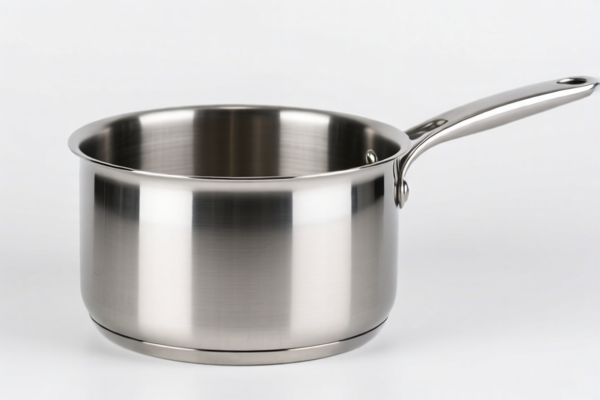
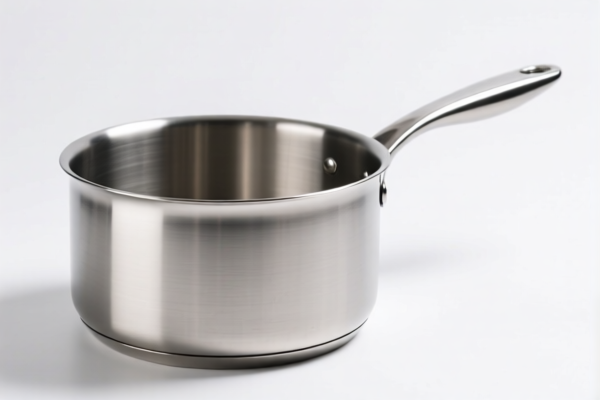
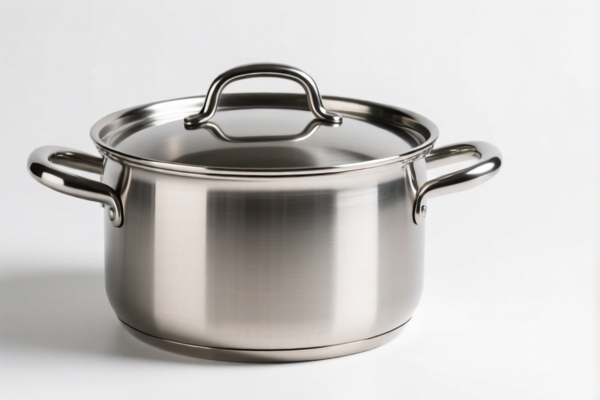
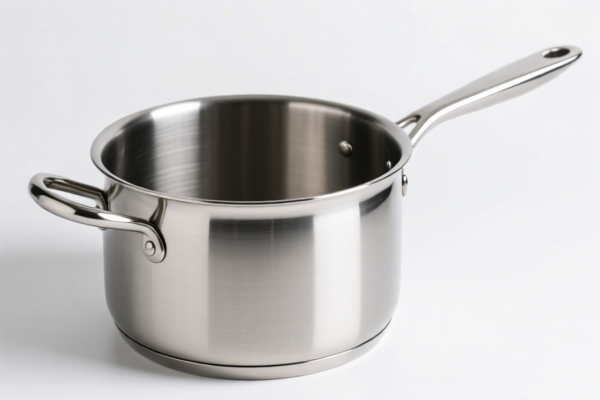
AI Analysis
🍲 Soup Pot (Soup Cookware/Pot)
🌐 HS Code Reference & Customs Clearance Guide | 2026 Latest Tariff Analysis | Professional Clearance Strategy
📌 I. Product Definition & Classification: Do You Really Understand “Soup Pots”?
The term "Soup Pot" is a generic descriptor in daily life, but in international trade, it strictly determines the HS Code based on Material, Function, and Specific Shape. It is not merely a "container"; it is categorized under Kitchen/Cooking Ware.
In the provided data, three distinct material classifications are identified for "Soup Pots": 1. Ceramic/Porcelain Tableware: Hard, brittle, heat-resistant, used for serving or cooking soup. 2. Plastic Tableware: Lightweight, often used for serving or cold storage, sometimes heat-resistant plastic. 3. Non-Porcelain Ceramic: A broader category of ceramic ware that does not meet the strict definition of "Porcelain" (e.g., earthenware or stoneware).
⚠️ Critical Distinction Point:
- If the pot is made of Plastic (e.g., PP, Melamine) → It falls under Chapter 39.
- If the pot is made of Porcelain (white, translucent, high-fired) → It falls under 6911.10.
- If the pot is made of Ceramic (opaque, earthenware, or general ceramic) → It falls under 6912.00.
- Misclassification Risk: Declaring a ceramic pot as plastic (or vice versa) to avoid tariffs is a major customs violation. The material must be physically verified.
📦 II. HS Code Classification Details (2026 Latest Tariff Authority Comparison)
Based on the provided data, here are the specific HS Codes for Soup Pots, ranked by tax efficiency:
| HS Code | Product Description | Material Inference | Use Case | Total Tax Rate |
|---|---|---|---|---|
3924.10.40.00 |
Tableware, Hygiene or Toilet Articles, of Plastics | Plastic | General plastic soup bowls/pots | 13.4% |
6912.00.39.10 |
Tableware, Kitchenware & Other Household Articles, of Ceramic | Non-Porcelain Ceramic | Earthenware/Stoneware soup pots | 14.5% |
6912.00.48.10 |
Tableware, Kitchenware & Other Household Articles, of Ceramic | Ceramic | General ceramic cookware | 19.8% |
3924.10.20.00 |
Tableware, Hygiene or Toilet Articles, of Plastics | Plastic | Specific plastic soup bowls | 24.0% |
6911.10.35.10 |
Porcelain Tableware & Kitchenware, Not Decorated | Porcelain | Fine porcelain soup bowls (highly specific) | 43.5% |
🔍 Key Insight:
- Plastic (3924.10.40.00) offers the lowest tariff at 13.4%, provided it is genuinely plastic.
- Porcelain (6911.10.35.10) carries the highest burden at 43.5% due to stricter classification and higher base duties.
- General Ceramic (6912.00.48.10) sits in the middle at 19.8%.
💰 III. 2026 Latest Tariff Rate Breakdown (Including Additional Duties & Policy Surcharges)
✅ Applicable Country: United States (US)
✅ Origin: China (CN)
✅ Effective Time: Includes subsequent imports under current trade policies (Section 301 & 122 provisions)
🎯 1. 3924.10.40.00 – Plastic Tableware (Most Cost-Effective)
| Item | Detail |
|---|---|
| Base Tariff | 3.4% (ad valorem) |
| Section 301 Additional Tariff | 0.0% (Exempt/No specific Section 301 surcharge for this specific subheading in the provided data) |
| Section 122 Tariff | +10.0% (Specific surcharge for certain plastics/chemicals) |
| Total Effective Rate | 13.4% |
| Tax Calculation | CIF Value × 13.4% |
| De Minimis Eligibility | ❌ No (Plastic tableware from China is generally subject to full duties; Note: Verify latest 501(c)(1) exemptions, but data implies full tax) |
| Legal Basis Path | USITC:3924.10.40.00 → FOOTNOTE:122 |
📌 Explanation:
- This is the most favorable option if the product is genuinely plastic.
- The 10% Section 122 tariff is a specific U.S. duty often applied to certain chemical/plastic products from China.
- Crucial: Ensure the product is not "porcelain-coated plastic" or mislabeled, as customs will reclassify it if physical evidence suggests otherwise.
🎯 2. 6912.00.39.10 – Non-Porcelain Ceramic Tableware
| Item | Detail |
|---|---|
| Base Tariff | 4.5% (ad valorem) |
| Section 301 Additional Tariff | 0.0% |
| Section 122 Tariff | +10.0% |
| Total Effective Rate | 14.5% |
| Tax Calculation | CIF Value × 14.5% |
| De Minimis Eligibility | ❌ No |
| Legal Basis Path | USITC:6912.00.39.10 → FOOTNOTE:122 |
📌 Explanation:
- Suitable for earthenware, stoneware, or unglazed ceramic soup pots.
- Slightly higher than plastic but significantly lower than porcelain.
- Verification Point: Must prove the item is not porcelain (i.e., it is opaque, less vitreous, and lower firing temperature).
🎯 3. 6912.00.48.10 – General Ceramic Cookware
| Item | Detail |
|---|---|
| Base Tariff | 9.8% (ad valorem) |
| Section 301 Additional Tariff | 0.0% |
| Section 122 Tariff | +10.0% |
| Total Effective Rate | 19.8% |
| Tax Calculation | CIF Value × 19.8% |
| De Minimis Eligibility | ❌ No |
| Legal Basis Path | USITC:6912.00.48.10 → FOOTNOTE:122 |
📌 Explanation:
- Applies to general ceramic pots that are not specifically classified as porcelain or other specific ceramic subheadings.
- Higher base duty (9.8%) reflects the value-added nature of ceramic cookware.
🎯 4. 3924.10.20.00 – Specific Plastic Tableware (Higher Tax)
| Item | Detail |
|---|---|
| Base Tariff | 6.5% (ad valorem) |
| Section 301 Additional Tariff | +7.5% |
| Section 122 Tariff | +10.0% |
| Total Effective Rate | 24.0% |
| Tax Calculation | CIF Value × 24.0% |
| De Minimis Eligibility | ❌ No |
| Legal Basis Path | USITC:3924.10.20.00 → FOOTNOTE:122 |
📌 Explanation:
- This code attracts a Section 301 surcharge of 7.5% in addition to the 122 tariff.
- Likely applies to specific types of plastic tableware that are not covered under the exempted3924.10.40.00.
- Recommendation: Avoid this code if3924.10.40.00is applicable to your product form.
🎯 5. 6911.10.35.10 – Porcelain Tableware (Highest Tax)
| Item | Detail |
|---|---|
| Base Tariff | 26.0% (ad valorem) |
| Section 301 Additional Tariff | +7.5% |
| Section 122 Tariff | +10.0% |
| Total Effective Rate | 43.5% |
| Tax Calculation | CIF Value × 43.5% |
| De Minimis Eligibility | ❌ No |
| Legal Basis Path | USITC:6911.10.35.10 → FOOTNOTE:122 |
📌 Explanation:
- Porcelain is classified separately from other ceramics (Chapter 6911 vs. 6912).
- High Base Duty (26.0%) reflects the premium nature of porcelain.
- Section 301 Surcharge (7.5%) applies here.
- Warning: This is the most expensive classification. Only use if the item is undeniably fine porcelain. Misclassifying ceramic as porcelain to get a "higher value" declaration is illegal.
🛠️ IV. Customs Clearance Practical Advice (Battle-Tested Pitfall Guide)
✅ 1. Documentation Checklist (Mandatory)
| Document | Required | Description |
|---|---|---|
| ✅ Product Specification Sheet | ✔️ | Must explicitly state Material Composition (e.g., "100% PP Plastic" or "Kaolin Clay, Fired at 1200°C"). |
| ✅ Material Test Report | ✔️ | Third-party lab report confirming material (e.g., FTIR for plastic, thermal analysis for ceramic). |
| ✅ Product Photos | ✔️ | Clear images showing texture, translucency (for porcelain), and any markings. |
| ✅ Commercial Invoice | ✔️ | Use precise terminology: "Plastic Soup Bowl" or "Ceramic Soup Pot" – never generic "Container". |
| ✅ Packing List | ✔️ | Detail weight and dimensions accurately. |
| ✅ Certification | ✔️ | FDA (for food contact), Prop 65 (for California), LFGB (if applicable). |
✅ 2. Declaration Tips (Key Mnemonics)
🔥 "Material is King, Code is Law! Plastic Low, Porcelain High."
| Scenario | Correct Declaration | Wrong Approach | Consequence |
|---|---|---|---|
| Plastic Pot | 3924.10.40.00 |
Declare as Ceramic | 13.4% vs 14.5% (Small diff, but accuracy matters) |
| Plastic Pot | 3924.10.40.00 |
Declare as 3924.10.20.00 |
13.4% vs 24.0% → Pay 10.6% more! |
| Ceramic Pot | 6912.00.39.10 |
Declare as 6911.10.35.10 (Porcelain) |
14.5% vs 43.5% → Overpay 29%! |
| Porcelain Pot | 6911.10.35.10 |
Declare as Ceramic | 43.5% vs 19.8% → Underpay 23.7% → Penalties! |
📌 Critical Note:
- Porcelain vs. Ceramic: Customs officers will tap the product. If it rings like a bell and is translucent, it’s likely porcelain (6911). If it’s duller and opaque, it’s ceramic (6912).
- Plastic vs. Ceramic: Do not mix materials. A "ceramic-looking plastic" pot must be declared as plastic, but you must prove it’s plastic.
✅ 3. Special Circumstances Handling
| Situation | Recommendation |
|---|---|
| Set with Multiple Materials | If a pot has a plastic handle and ceramic body, the main material determines the code. If the body is ceramic, declare as ceramic. |
| Food Safety Compliance | Ensure all items have FDA compliance for food contact. Lack of documentation can lead to detention. |
| Section 301 Exemptions | Check if any specific plastic codes have exclusion lists. If not, the 122 tariff applies. |
| Origin Marking | Ensure "Made in China" is clearly marked on the product/packaging to avoid origin fraud claims. |
🌍 V. Global Market Comparison (2026 Latest)
| Market | Recommended HS Code | Est. Duty Rate (China Origin) | Key Certification | Notes |
|---|---|---|---|---|
| 🇺🇸 USA | 3924.10.40.00 |
13.4% (Plastic) | FDA, Prop 65 | Lowest tax if plastic. Avoid Porcelain (43.5%) |
| 🇪🇺 EU | 3924.10.90 |
6.5% (Plastic) | LFGB, REACH | No Section 122/301 surcharges |
| 🇨🇳 China | 3924.10.90 |
6.5% (Plastic) | GB Standards | Low duty, easy clearance |
| 🇬🇧 UK | 3924.10.90 |
6.5% (Plastic) | UKCA | Post-Brexit rules apply |
📌 Conclusion:
- USA is the most complex market due to Section 122 and potential Section 301 surcharges.
- Plastic (3924.10.40.00) is the strategic choice for US imports to minimize costs (13.4% vs 43.5% for porcelain).
- Verify material rigorously to avoid misclassification penalties.
📌 VI. Common Errors & Pitfall Guide (Lessons Learned)
❌ Error 1: Declaring a Porcelain pot as Ceramic to save tax.
👉 Result: Customs reclassifies to 6911.10.35.10 → Back taxes of 29% + penalties.
❌ Error 2: Declaring a Plastic pot as Ceramic.
👉 Result: Higher tax (14.5% vs 13.4%) and potential audit for material fraud.
❌ Error 3: Ignoring Section 122 Tariff.
👉 Result: Underpayment by 10% on all ceramic/plastic tableware → Seizure or Debt.
❌ Error 4: Using vague terms like "Kitchenware" in invoice.
👉 Result: Customs delays, requires additional documentation, possible demurrage fees.
✅ Correct Approach:
"Plastic Soup Pot, PP Material, FDA Compliant, Model XYZ, HS Code 3924.10.40.00"
🎯 VII. Conclusion: Precision in Classification Saves Money!
🎯 Remember the Mnemonic:
🔹 "Plastic First, Ceramic Second, Porcelain is Expensive!"
🔹 "Check the Material, Check the Code, Avoid the 43.5% Trap!"
📌 Pro Tip:
If you are importing Plastic Soup Pots, ensure they fall under 3924.10.40.00 (13.4%) and not 3924.10.20.00 (24.0%). The difference is 10.6% – a significant margin for low-margin goods.
If you are importing Ceramic, try to classify as Non-Porcelain Ceramic (6912.00.39.10 at 14.5%) rather than General Ceramic (19.8%) or Porcelain (43.5%).
📣 Immediate Action:
📞 Verify Material Composition with your supplier.
📄 Request Test Reports (FTIR/Thermal).
🚀 Use the Lowest Applicable HS Code to optimize clearance costs!
✨ Professional Clearance, Starts with Precise Classification!
💼 Your Cost Efficiency is in the Details!
Customer Reviews
About HS Code Classification
The Harmonized System (HS) is an internationally standardized nomenclature developed by the World Customs Organization (WCO) to classify traded products. Over 200 countries use the HS system as the basis for customs tariffs, trade statistics, and import/export regulations.
Each HS code follows a hierarchical structure:
- Chapter (2 digits) — Broad category of goods (e.g., Chapter 84: Machinery and Mechanical Appliances)
- Heading (4 digits) — More specific grouping within the chapter
- Subheading (6 digits) — Internationally standardized breakdown, used by all WCO member countries
- National subdivisions (8-10 digits) — Country-specific extensions for further classification, such as US HTSUS 10-digit codes
Correct HS code classification is essential for smooth customs clearance, accurate duty payment, and compliance with trade regulations. Misclassification can lead to customs delays, overpayment of duties, or penalties.
When importing from CN to US, the applicable tariff rates may include:
- Most-Favored-Nation (MFN) rate — The standard duty rate applied to WTO members
- General rate — Applied to countries without trade agreements
- Trade remedy duties — Additional tariffs such as Section 301 (anti-dumping), Section 232 (national security), or countervailing duties
The information provided on this page is for reference purposes only. For official classification, please consult with your local customs authority or a licensed customs broker.