Spatula and Spoon Set
CN → US| HS编码 | 关税税率 | 原产国 | 目的国 | 文档 |
|---|---|---|---|---|
| 4419191000 | 15.3% | CN | US | 官方文档 |
| 8215200000 | 0.0% | CN | US | 官方文档 |
| 8215100000 | 0.0% | CN | US | 官方文档 |
| 3924102000 | 24.0% | CN | US | 官方文档 |
| 4419901100 | 15.3% | CN | US | 官方文档 |
商品图片
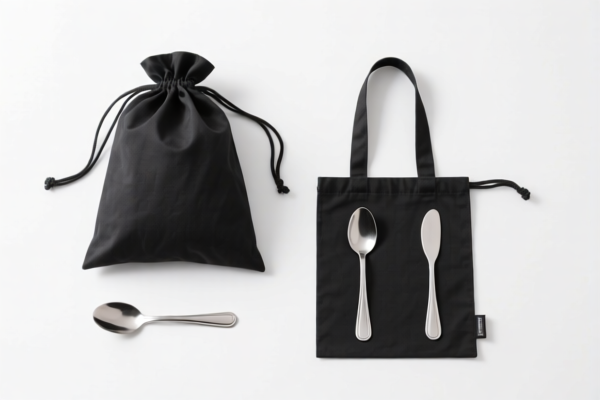
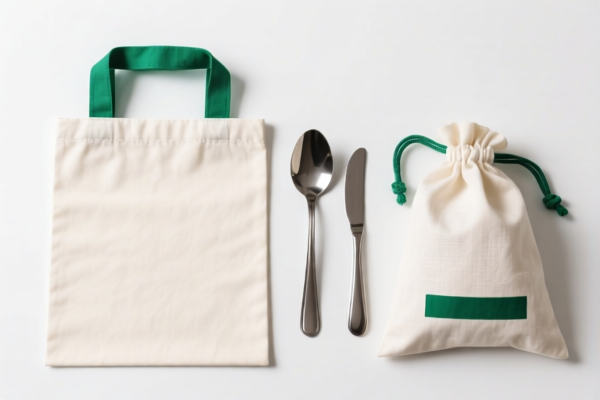
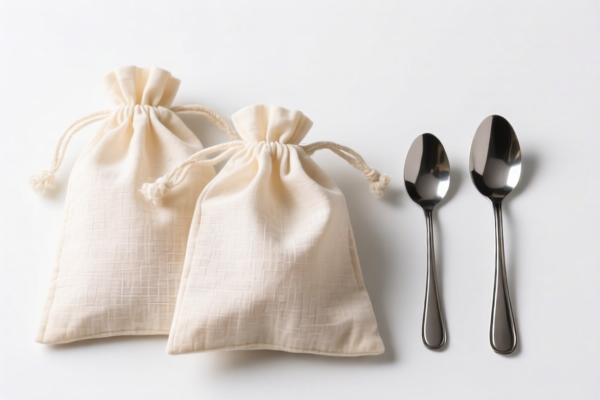
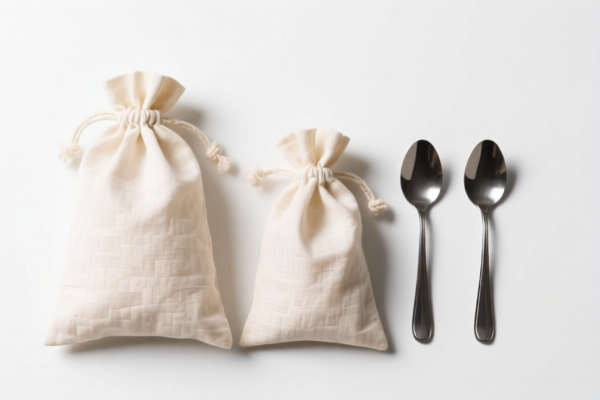
AI分析
🍽️ Spatula and Spoon Set (Kitchen Utensils)
🌐 HS Code Reference & Customs Clearance Guide | 2026 Latest Tariff Analysis | Professional Entry Strategy
📌 I. Product Definition & Classification: Do You Really Understand "Spatula and Spoon Sets"?
A "Spatula and Spoon Set" falls under the category of Tableware / Kitchen Utensils. In international trade, these items are strictly classified based on Material and Form (Set vs. Individual).
Key Distinction by Material: 1. Bamboo/Wood: Often grouped under Chapter 44 (Wood/Bamboo). Bamboo utensils are frequently classified separately from wood due to specific subheadings. 2. Metal (Stainless Steel/Alloy): Classified under Chapter 82 (Tools/Utensils of Base Metal). "Sets" of metal utensils have specific rules. 3. Plastic: Classified under Chapter 39 (Plastics). Plastic tableware is a broad category with specific "catch-all" subheadings for plates/spoons.
⚠️ Critical Classification Point:
- If the product is a set (packaged together for retail sale) and made of metal, it likely falls under 8215.20.00.00 or 8215.10.00.00.
- If made of bamboo, it is 4419.19.10.00.
- If made of wood (non-bamboo), it is 4419.90.11.00.
- If made of plastic, it is 3924.10.20.00 or 3924.10.40.00 depending on whether it's considered a general "other" plastic tableware or a specific "set" variant.
📦 II. HS Code Classification Matrix (2026 Latest Tariff Authority对照)
| HS Code | Product Description | Material | Form | Duty Logic |
|---|---|---|---|---|
4419.19.10.00 |
Tableware and kitchenware, of bamboo | ✅ Bamboo | Individual/Set | Bamboo is specifically listed under 4419.19. |
8215.20.00.00 |
Spoons, forks, and other kitchen/table utensils, set | ✅ Base Metal (Steel/Alloy) | Set | Metal utensils sold as a set. |
8215.10.00.00 |
Spoons, forks, and other kitchen/table utensils | ✅ Base Metal | Set (General) | General metal utensil set definition. |
3924.10.20.00 |
Tableware and kitchenware, of plastics | ✅ Plastic | Individual/General | Plastic tableware, "other" category. |
4419.90.11.00 |
Tableware and kitchenware, of wood | ✅ Wood (Non-Bamboo) | Individual/Other | Wood utensils, other than bamboo. |
3924.10.40.00 |
Tableware and kitchenware, of plastics | ✅ Plastic | Set/Other | Plastic tableware, specific other variant. |
🔍 Important Reminder:
- "Set" Definition: Customs considers items packaged together for retail sale as a "set." For metal items, this often changes the duty rate compared to individual pieces.
- Material Matters: A plastic spoon is vastly different from a stainless steel spoon in HS Code classification. Misdeclaring material (e.g., calling stainless steel "metal alloy" without specifying) can lead to audits.
💰 III. 2026 Latest Tariff Rate Breakdown (Detailed Tax Clauses)
✅ Applicable Country: United States (US)
✅ Origin: China (CN)
✅ Effective Date: 2025 onwards (Subject to current trade policies)
🎯 1. 4419.19.10.00 — Bamboo Tableware (Spoons, Spatulas, etc.)
| Item | Detail |
|---|---|
| Base Tariff | 5.3% |
| Section 301 Tariff (Add-on) | 0.0% |
| Section 122 Tariff (Retaliatory/Other) | 10.0% |
| Total Tax Rate | 15.3% |
| Tax Calculation | CIF Value × 15.3% |
| De Minimis Exemption | ❌ Not Eligible (De Minimis value is not applied to Section 122/301 applicable goods in most e-commerce contexts for higher-value sets, but specifically, this rate structure implies standard import duties apply). Note: While some low-value packages might be exempt from base duty, Section 122/301 complexities often require full declaration. |
📌 Explanation:
- Base 5.3%: Standard MFN rate for bamboo tableware.
- Section 122 (10%): This refers to specific US trade actions. Clarification: The provided data explicitly lists "122条款关税10%" (Section 122 Tariff 10%). This is a critical addition.
- Section 301 (0%): Interestingly, bamboo utensils often escape the heavy 25% Section 301 tariff, resulting in a lower total burden compared to metal/plastic alternatives.
🎯 2. 8215.20.00.00 — Metal Utensil Sets (Spoons, Forks, etc.)
| Item | Detail |
|---|---|
| Base Tariff | "The rate of duty applicable to that article in the set subject t" (Variable) |
| Section 301 Tariff (Add-on) | 25.0% |
| Section 122 Tariff | 10.0% |
| Total Tax Rate | Variable Base + 35.0% |
| Tax Calculation | (CIF Value × Base Rate) + (CIF Value × 35%) |
| De Minimis Exemption | ❌ Not Eligible |
📌 Explanation:
- Base Rate Variable: The "Subject t" rate depends on the specific metal composition and form. However, the Section 301 tariff is a flat 25%, and Section 122 is 10%.
- High Burden: This is one of the most heavily taxed categories due to the combination of 301 and 122 tariffs.
🎯 3. 8215.10.00.00 — Metal Utensils (General/Set)
| Item | Detail |
|---|---|
| Base Tariff | "The rate of duty applicable to that article in the set subject t" |
| Section 301 Tariff (Add-on) | 7.5% |
| Section 122 Tariff | 10.0% |
| Total Tax Rate | Variable Base + 17.5% |
| Tax Calculation | (CIF Value × Base Rate) + (CIF Value × 17.5%) |
| De Minimis Exemption | ❌ Not Eligible |
📌 Explanation:
- Lower Section 301 Rate: This code may reflect a different sub-category of metal utensils where the Section 301 add-on is only 7.5% (possibly due to specific trade agreements or exemptions within the base metal category).
- Total Additional Tax: 17.5% on top of the base rate.
🎯 4. 3924.10.20.00 — Plastic Tableware (Spoons, Spatulas)
| Item | Detail |
|---|---|
| Base Tariff | 6.5% |
| Section 301 Tariff (Add-on) | 7.5% |
| Section 122 Tariff | 10.0% |
| Total Tax Rate | 24.0% |
| Tax Calculation | CIF Value × 24.0% |
| De Minimis Exemption | ❌ Not Eligible |
📌 Explanation:
- Balanced Burden: Plastic tableware faces a moderate tariff burden. The 7.5% Section 301 rate is lower than the 25% seen in some metal categories.
- Total 24%: A significant cost that must be factored into pricing.
🎯 5. 4419.90.11.00 — Wooden Tableware (Non-Bamboo)
| Item | Detail |
|---|---|
| Base Tariff | 5.3% |
| Section 301 Tariff (Add-on) | 0.0% |
| Section 122 Tariff | 10.0% |
| Total Tax Rate | 15.3% |
| Tax Calculation | CIF Value × 15.3% |
| De Minimis Exemption | ❌ Not Eligible |
📌 Explanation:
- Similar to Bamboo: Wood utensils share the same favorable tariff structure as bamboo (5.3% base, 10% Section 122, 0% Section 301).
- Cost-Effective: One of the lowest total tariff options.
🎯 6. 3924.10.40.00 — Other Plastic Tableware
| Item | Detail |
|---|---|
| Base Tariff | 3.4% |
| Section 301 Tariff (Add-on) | 0.0% |
| Section 122 Tariff | 10.0% |
| Total Tax Rate | 13.4% |
| Tax Calculation | CIF Value × 13.4% |
| De Minimis Exemption | ❌ Not Eligible |
📌 Explanation:
- Lowest Total Tax: This code offers the lowest total tariff at 13.4%.
- Strategy: If the product can be classified under this "other" plastic category (e.g., specific design or non-standard shape that fits "other"), it saves significant costs compared to other plastic codes.
🛠️ IV. Customs Clearance Practical Advice (Avoid Pitfalls)
✅ 1. Preparation Checklist (Must-Haves)
| Document | Required | Note |
|---|---|---|
| ✅ Product Specifications | ✔️ | Material composition (100% Bamboo, 18/8 Steel, Food-Grade PP, etc.) |
| ✅ Product Photos | ✔️ | Clear images of the set, labels, and packaging. |
| ✅ Commercial Invoice | ✔️ | Must clearly state "Set" if applicable. List individual items if required. |
| ✅ Packing List | ✔️ | Show quantity per set and total sets. |
| ✅ Material Certificate | ✔️ | Especially for metal (stainless steel grade) to justify HS Code 8215 vs. others. |
| ✅ FDA Compliance Doc | ✔️ | Food-contact surface compliance (FDA 21 CFR) is mandatory for US import. |
✅ 2. Declaration Tips (Key Mnemonics)
🔥 "Material First, Set Second, Name Precise, Tax Avoids Disaster!"
| Scenario | Correct Declaration | Wrong Practice |
|---|---|---|
| Bamboo Set | 4419.19.10.00 Bamboo Tableware Set |
Declare as "Wooden" → Audit for material mismatch |
| Metal Set | 8215.20.00.00 Metal Utensil Set |
Declare as individual spoons → Misses "Set" duty rules |
| Plastic Set | 3924.10.20.00 or 3924.10.40.00 |
Vague "Kitchen Tools" → High scrutiny |
| Mixed Material | Split Declaration | Declare as one HS Code → Misclassification risk |
✅ 3. Special Cases
| Situation | Handling Advice |
|---|---|
| OEM/Private Label | Provide brand authorization or contract to prove origin. |
| Gift Sets (Non-Food) | If not for food contact, consider non-food HS codes (e.g., Chapter 96 for brushes/tools), but be careful: if it includes spoons, FDA rules may still apply. |
| Composite Materials | If a spoon has a bamboo handle and steel blade, classify based on the essential character (usually the metal blade dictates Chapter 82). |
🌍 V. Global Market Comparison (2026 Latest)
| Country/Region | Recommended HS Code | Tariff (China Origin) | Certification | Notes |
|---|---|---|---|---|
| 🇺🇸 USA | 4419.19.10.00 (Bamboo) |
15.3% | FDA + CPSIA | Lowest tariff option. |
| 🇺🇸 USA | 8215.20.00.00 (Metal) |
Var + 35% | FDA + LFGB | Highest tariff due to 301+122. |
| 🇨🇳 China | 4419.19.10.00 |
5.3% | CCC (if applicable) | No Section 122/301. |
| 🇪🇺 EU | 4419.10.00 |
0% | LFGB + CE | No Section 122/301 equivalent. |
| 🇬🇧 UK | 4419.10.00 |
0% | UKCA + LFGB | Post-Brexit tariffs generally favorable for wood/bamboo. |
📌 Conclusion:
- USA is the most challenging market due to Section 301 and 122 tariffs.
- Bamboo (4419.19.10.00) and Wood (4419.90.11.00) are the most cost-effective for the US market, with only 10% Section 122 tariff.
- Metal (8215) and certain Plastic (3924.10.20.00) items face higher duties.
📌 VI. Common Errors & Pitfalls (Lessons Learned)
❌ Error 1: Declaring "Kitchen Tools" without specifying material.
👉 Result: Customs may default to the highest applicable rate or detain for clarification.
❌ Error 2: Failing to declare "Set" for metal utensils.
👉 Result: If treated as individual pieces, the duty calculation may differ, potentially triggering audits for underpayment.
❌ Error 3: Ignoring Section 122 Tariff.
👉 Result: Unexpected 10% charge on all categories (except potentially some de minimis exceptions, but risky).
❌ Error 4: Misclassifying Bamboo as Wood.
👉 Result: While both have 15.3% total, bamboo has a specific code. Consistency is key for audit trails.
✅ Correct Approach:
"Bamboo Spatula and Spoon Set, Food-Grade, for Retail Sale, Model XYZ, FDA Compliant"
🎯 VII. Conclusion: Professional Declaration, Cost Control!
🎯 Remember the Mnemonic:
🔹 "Bamboo Wins, Metal Suffers, Plastic Varies, Material Defines!"
🔹 "15.3% for Bamboo/Wood, 13.4% for Plastic (Optimized), 35%+ for Metal!"
🔹 "Declare 'Set' for Metal, Declare Material for Wood/Plastic!"
📌 Pro Tip:
If you are exporting to the USA, consider shifting supply chain to Vietnam or Thailand for bamboo/wood utensils to potentially avoid Section 301/122 duties (verify origin rules). For metal, look for free trade agreement origins.
📣 Immediate Action:
📞 Consult a licensed customs broker + Provide material specs + Apply for Advance Ruling if possible.
🚀 Ensure your Spatula and Spoon Set clears customs smoothly, minimizing costs and delays!
✨ Professional Customs Clearance Starts with Accurate Classification!
💼 Your profit margin depends on precise duty calculation!
用户评价
关于 HS 编码归类
协调制度(HS)是由世界海关组织(WCO)制定的国际贸易商品分类标准。全球 200 多个国家采用 HS 系统作为海关关税、贸易统计和进出口监管的基础。
每个 HS 编码遵循以下层级结构:
- 章(2 位)——商品大类(例如:第 84 章:机器和机械设备)
- 品目(4 位)——章内的更具体分类
- 子目(6 位)——国际通用细分,所有 WCO 成员国统一使用
- 本国细分(8-10 位)——各国自行扩展的细分编码,如美国 HTSUS 10 位编码
正确的 HS 编码归类对于顺利通关、准确缴纳关税和遵守贸易法规至关重要。错误归类可能导致海关延误、多缴关税或罚款。
从CN进口到US时,适用的关税税率可能包括:
- 最惠国(MFN)税率——适用于 WTO 成员国的标准关税税率
- 普通税率——适用于无贸易协定国家
- 贸易救济关税——附加关税,如 301 条款(反倾销)、232 条款(国家安全)或反补贴税
本页内容仅供参考。如需正式归类,请咨询当地海关或持牌报关代理。