Spatula and Spoon Set
CN → US| HS Code | Tariff Rate | Origin | Destination | Doc |
|---|---|---|---|---|
| 4419191000 | 15.3% | CN | US | Official Doc |
| 8215200000 | 0.0% | CN | US | Official Doc |
| 8215100000 | 0.0% | CN | US | Official Doc |
| 3924102000 | 24.0% | CN | US | Official Doc |
| 4419901100 | 15.3% | CN | US | Official Doc |
Product Images
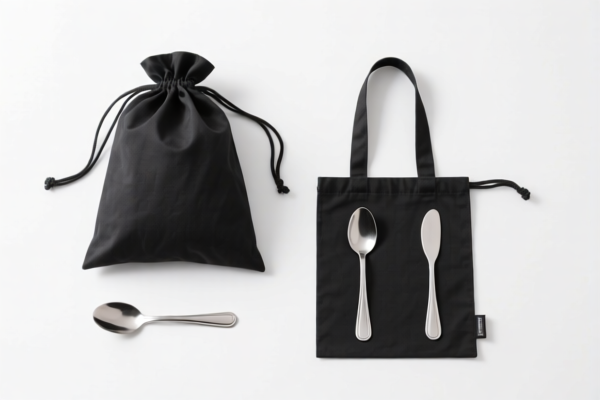
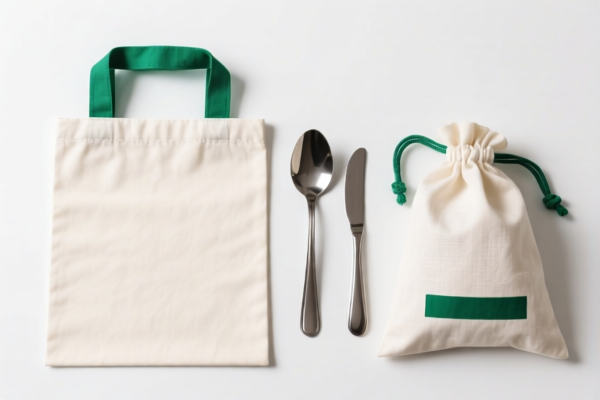
AI Analysis
🍽️ Spatula and Spoon Set (Kitchen Utensils)
🌐 HS Code Reference & Customs Clearance Guide | 2026 Latest Tariff Analysis | Professional Entry Strategy
📌 I. Product Definition & Classification: Do You Really Understand "Spatula and Spoon Sets"?
A "Spatula and Spoon Set" falls under the category of Tableware / Kitchen Utensils. In international trade, these items are strictly classified based on Material and Form (Set vs. Individual).
Key Distinction by Material: 1. Bamboo/Wood: Often grouped under Chapter 44 (Wood/Bamboo). Bamboo utensils are frequently classified separately from wood due to specific subheadings. 2. Metal (Stainless Steel/Alloy): Classified under Chapter 82 (Tools/Utensils of Base Metal). "Sets" of metal utensils have specific rules. 3. Plastic: Classified under Chapter 39 (Plastics). Plastic tableware is a broad category with specific "catch-all" subheadings for plates/spoons.
⚠️ Critical Classification Point:
- If the product is a set (packaged together for retail sale) and made of metal, it likely falls under 8215.20.00.00 or 8215.10.00.00.
- If made of bamboo, it is 4419.19.10.00.
- If made of wood (non-bamboo), it is 4419.90.11.00.
- If made of plastic, it is 3924.10.20.00 or 3924.10.40.00 depending on whether it's considered a general "other" plastic tableware or a specific "set" variant.
📦 II. HS Code Classification Matrix (2026 Latest Tariff Authority对照)
| HS Code | Product Description | Material | Form | Duty Logic |
|---|---|---|---|---|
4419.19.10.00 |
Tableware and kitchenware, of bamboo | ✅ Bamboo | Individual/Set | Bamboo is specifically listed under 4419.19. |
8215.20.00.00 |
Spoons, forks, and other kitchen/table utensils, set | ✅ Base Metal (Steel/Alloy) | Set | Metal utensils sold as a set. |
8215.10.00.00 |
Spoons, forks, and other kitchen/table utensils | ✅ Base Metal | Set (General) | General metal utensil set definition. |
3924.10.20.00 |
Tableware and kitchenware, of plastics | ✅ Plastic | Individual/General | Plastic tableware, "other" category. |
4419.90.11.00 |
Tableware and kitchenware, of wood | ✅ Wood (Non-Bamboo) | Individual/Other | Wood utensils, other than bamboo. |
3924.10.40.00 |
Tableware and kitchenware, of plastics | ✅ Plastic | Set/Other | Plastic tableware, specific other variant. |
🔍 Important Reminder:
- "Set" Definition: Customs considers items packaged together for retail sale as a "set." For metal items, this often changes the duty rate compared to individual pieces.
- Material Matters: A plastic spoon is vastly different from a stainless steel spoon in HS Code classification. Misdeclaring material (e.g., calling stainless steel "metal alloy" without specifying) can lead to audits.
💰 III. 2026 Latest Tariff Rate Breakdown (Detailed Tax Clauses)
✅ Applicable Country: United States (US)
✅ Origin: China (CN)
✅ Effective Date: 2025 onwards (Subject to current trade policies)
🎯 1. 4419.19.10.00 — Bamboo Tableware (Spoons, Spatulas, etc.)
| Item | Detail |
|---|---|
| Base Tariff | 5.3% |
| Section 301 Tariff (Add-on) | 0.0% |
| Section 122 Tariff (Retaliatory/Other) | 10.0% |
| Total Tax Rate | 15.3% |
| Tax Calculation | CIF Value × 15.3% |
| De Minimis Exemption | ❌ Not Eligible (De Minimis value is not applied to Section 122/301 applicable goods in most e-commerce contexts for higher-value sets, but specifically, this rate structure implies standard import duties apply). Note: While some low-value packages might be exempt from base duty, Section 122/301 complexities often require full declaration. |
📌 Explanation:
- Base 5.3%: Standard MFN rate for bamboo tableware.
- Section 122 (10%): This refers to specific US trade actions. Clarification: The provided data explicitly lists "122条款关税10%" (Section 122 Tariff 10%). This is a critical addition.
- Section 301 (0%): Interestingly, bamboo utensils often escape the heavy 25% Section 301 tariff, resulting in a lower total burden compared to metal/plastic alternatives.
🎯 2. 8215.20.00.00 — Metal Utensil Sets (Spoons, Forks, etc.)
| Item | Detail |
|---|---|
| Base Tariff | "The rate of duty applicable to that article in the set subject t" (Variable) |
| Section 301 Tariff (Add-on) | 25.0% |
| Section 122 Tariff | 10.0% |
| Total Tax Rate | Variable Base + 35.0% |
| Tax Calculation | (CIF Value × Base Rate) + (CIF Value × 35%) |
| De Minimis Exemption | ❌ Not Eligible |
📌 Explanation:
- Base Rate Variable: The "Subject t" rate depends on the specific metal composition and form. However, the Section 301 tariff is a flat 25%, and Section 122 is 10%.
- High Burden: This is one of the most heavily taxed categories due to the combination of 301 and 122 tariffs.
🎯 3. 8215.10.00.00 — Metal Utensils (General/Set)
| Item | Detail |
|---|---|
| Base Tariff | "The rate of duty applicable to that article in the set subject t" |
| Section 301 Tariff (Add-on) | 7.5% |
| Section 122 Tariff | 10.0% |
| Total Tax Rate | Variable Base + 17.5% |
| Tax Calculation | (CIF Value × Base Rate) + (CIF Value × 17.5%) |
| De Minimis Exemption | ❌ Not Eligible |
📌 Explanation:
- Lower Section 301 Rate: This code may reflect a different sub-category of metal utensils where the Section 301 add-on is only 7.5% (possibly due to specific trade agreements or exemptions within the base metal category).
- Total Additional Tax: 17.5% on top of the base rate.
🎯 4. 3924.10.20.00 — Plastic Tableware (Spoons, Spatulas)
| Item | Detail |
|---|---|
| Base Tariff | 6.5% |
| Section 301 Tariff (Add-on) | 7.5% |
| Section 122 Tariff | 10.0% |
| Total Tax Rate | 24.0% |
| Tax Calculation | CIF Value × 24.0% |
| De Minimis Exemption | ❌ Not Eligible |
📌 Explanation:
- Balanced Burden: Plastic tableware faces a moderate tariff burden. The 7.5% Section 301 rate is lower than the 25% seen in some metal categories.
- Total 24%: A significant cost that must be factored into pricing.
🎯 5. 4419.90.11.00 — Wooden Tableware (Non-Bamboo)
| Item | Detail |
|---|---|
| Base Tariff | 5.3% |
| Section 301 Tariff (Add-on) | 0.0% |
| Section 122 Tariff | 10.0% |
| Total Tax Rate | 15.3% |
| Tax Calculation | CIF Value × 15.3% |
| De Minimis Exemption | ❌ Not Eligible |
📌 Explanation:
- Similar to Bamboo: Wood utensils share the same favorable tariff structure as bamboo (5.3% base, 10% Section 122, 0% Section 301).
- Cost-Effective: One of the lowest total tariff options.
🎯 6. 3924.10.40.00 — Other Plastic Tableware
| Item | Detail |
|---|---|
| Base Tariff | 3.4% |
| Section 301 Tariff (Add-on) | 0.0% |
| Section 122 Tariff | 10.0% |
| Total Tax Rate | 13.4% |
| Tax Calculation | CIF Value × 13.4% |
| De Minimis Exemption | ❌ Not Eligible |
📌 Explanation:
- Lowest Total Tax: This code offers the lowest total tariff at 13.4%.
- Strategy: If the product can be classified under this "other" plastic category (e.g., specific design or non-standard shape that fits "other"), it saves significant costs compared to other plastic codes.
🛠️ IV. Customs Clearance Practical Advice (Avoid Pitfalls)
✅ 1. Preparation Checklist (Must-Haves)
| Document | Required | Note |
|---|---|---|
| ✅ Product Specifications | ✔️ | Material composition (100% Bamboo, 18/8 Steel, Food-Grade PP, etc.) |
| ✅ Product Photos | ✔️ | Clear images of the set, labels, and packaging. |
| ✅ Commercial Invoice | ✔️ | Must clearly state "Set" if applicable. List individual items if required. |
| ✅ Packing List | ✔️ | Show quantity per set and total sets. |
| ✅ Material Certificate | ✔️ | Especially for metal (stainless steel grade) to justify HS Code 8215 vs. others. |
| ✅ FDA Compliance Doc | ✔️ | Food-contact surface compliance (FDA 21 CFR) is mandatory for US import. |
✅ 2. Declaration Tips (Key Mnemonics)
🔥 "Material First, Set Second, Name Precise, Tax Avoids Disaster!"
| Scenario | Correct Declaration | Wrong Practice |
|---|---|---|
| Bamboo Set | 4419.19.10.00 Bamboo Tableware Set |
Declare as "Wooden" → Audit for material mismatch |
| Metal Set | 8215.20.00.00 Metal Utensil Set |
Declare as individual spoons → Misses "Set" duty rules |
| Plastic Set | 3924.10.20.00 or 3924.10.40.00 |
Vague "Kitchen Tools" → High scrutiny |
| Mixed Material | Split Declaration | Declare as one HS Code → Misclassification risk |
✅ 3. Special Cases
| Situation | Handling Advice |
|---|---|
| OEM/Private Label | Provide brand authorization or contract to prove origin. |
| Gift Sets (Non-Food) | If not for food contact, consider non-food HS codes (e.g., Chapter 96 for brushes/tools), but be careful: if it includes spoons, FDA rules may still apply. |
| Composite Materials | If a spoon has a bamboo handle and steel blade, classify based on the essential character (usually the metal blade dictates Chapter 82). |
🌍 V. Global Market Comparison (2026 Latest)
| Country/Region | Recommended HS Code | Tariff (China Origin) | Certification | Notes |
|---|---|---|---|---|
| 🇺🇸 USA | 4419.19.10.00 (Bamboo) |
15.3% | FDA + CPSIA | Lowest tariff option. |
| 🇺🇸 USA | 8215.20.00.00 (Metal) |
Var + 35% | FDA + LFGB | Highest tariff due to 301+122. |
| 🇨🇳 China | 4419.19.10.00 |
5.3% | CCC (if applicable) | No Section 122/301. |
| 🇪🇺 EU | 4419.10.00 |
0% | LFGB + CE | No Section 122/301 equivalent. |
| 🇬🇧 UK | 4419.10.00 |
0% | UKCA + LFGB | Post-Brexit tariffs generally favorable for wood/bamboo. |
📌 Conclusion:
- USA is the most challenging market due to Section 301 and 122 tariffs.
- Bamboo (4419.19.10.00) and Wood (4419.90.11.00) are the most cost-effective for the US market, with only 10% Section 122 tariff.
- Metal (8215) and certain Plastic (3924.10.20.00) items face higher duties.
📌 VI. Common Errors & Pitfalls (Lessons Learned)
❌ Error 1: Declaring "Kitchen Tools" without specifying material.
👉 Result: Customs may default to the highest applicable rate or detain for clarification.
❌ Error 2: Failing to declare "Set" for metal utensils.
👉 Result: If treated as individual pieces, the duty calculation may differ, potentially triggering audits for underpayment.
❌ Error 3: Ignoring Section 122 Tariff.
👉 Result: Unexpected 10% charge on all categories (except potentially some de minimis exceptions, but risky).
❌ Error 4: Misclassifying Bamboo as Wood.
👉 Result: While both have 15.3% total, bamboo has a specific code. Consistency is key for audit trails.
✅ Correct Approach:
"Bamboo Spatula and Spoon Set, Food-Grade, for Retail Sale, Model XYZ, FDA Compliant"
🎯 VII. Conclusion: Professional Declaration, Cost Control!
🎯 Remember the Mnemonic:
🔹 "Bamboo Wins, Metal Suffers, Plastic Varies, Material Defines!"
🔹 "15.3% for Bamboo/Wood, 13.4% for Plastic (Optimized), 35%+ for Metal!"
🔹 "Declare 'Set' for Metal, Declare Material for Wood/Plastic!"
📌 Pro Tip:
If you are exporting to the USA, consider shifting supply chain to Vietnam or Thailand for bamboo/wood utensils to potentially avoid Section 301/122 duties (verify origin rules). For metal, look for free trade agreement origins.
📣 Immediate Action:
📞 Consult a licensed customs broker + Provide material specs + Apply for Advance Ruling if possible.
🚀 Ensure your Spatula and Spoon Set clears customs smoothly, minimizing costs and delays!
✨ Professional Customs Clearance Starts with Accurate Classification!
💼 Your profit margin depends on precise duty calculation!
Customer Reviews
About HS Code Classification
The Harmonized System (HS) is an internationally standardized nomenclature developed by the World Customs Organization (WCO) to classify traded products. Over 200 countries use the HS system as the basis for customs tariffs, trade statistics, and import/export regulations.
Each HS code follows a hierarchical structure:
- Chapter (2 digits) — Broad category of goods (e.g., Chapter 84: Machinery and Mechanical Appliances)
- Heading (4 digits) — More specific grouping within the chapter
- Subheading (6 digits) — Internationally standardized breakdown, used by all WCO member countries
- National subdivisions (8-10 digits) — Country-specific extensions for further classification, such as US HTSUS 10-digit codes
Correct HS code classification is essential for smooth customs clearance, accurate duty payment, and compliance with trade regulations. Misclassification can lead to customs delays, overpayment of duties, or penalties.
When importing from CN to US, the applicable tariff rates may include:
- Most-Favored-Nation (MFN) rate — The standard duty rate applied to WTO members
- General rate — Applied to countries without trade agreements
- Trade remedy duties — Additional tariffs such as Section 301 (anti-dumping), Section 232 (national security), or countervailing duties
The information provided on this page is for reference purposes only. For official classification, please consult with your local customs authority or a licensed customs broker.