Special Additives for Fire Extinguishing Agents
CN → US| HS编码 | 关税税率 | 原产国 | 目的国 | 文档 |
|---|---|---|---|---|
| 3813001000 | 35.0% | CN | US | 官方文档 |
| 3813005000 | 38.7% | CN | US | 官方文档 |
| 4016935020 | 37.5% | CN | US | 官方文档 |
| 3926904590 | 38.5% | CN | US | 官方文档 |
| 8414909180 | 35.0% | CN | US | 官方文档 |
商品图片
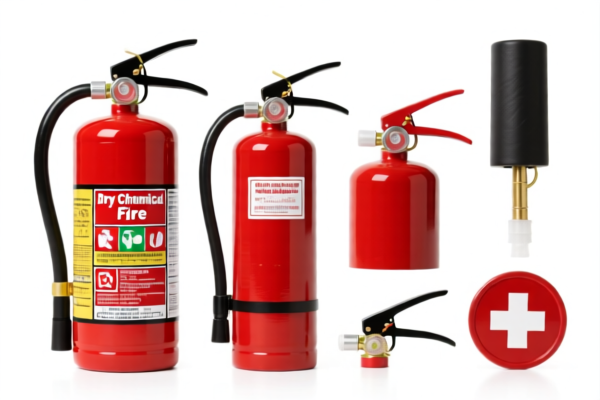
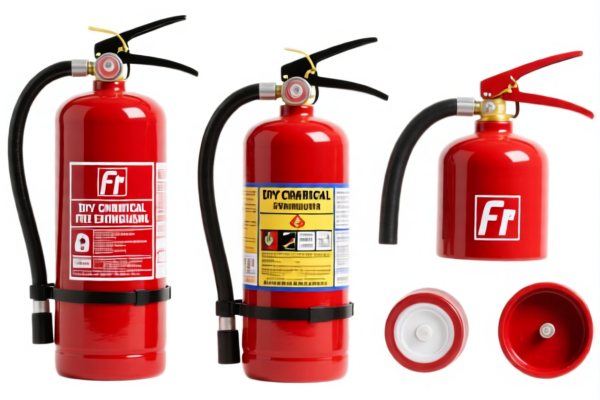
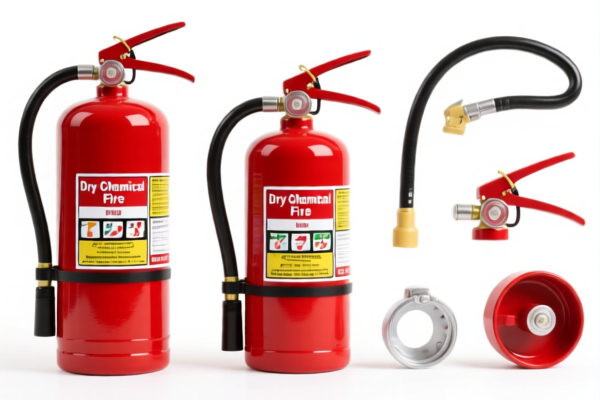
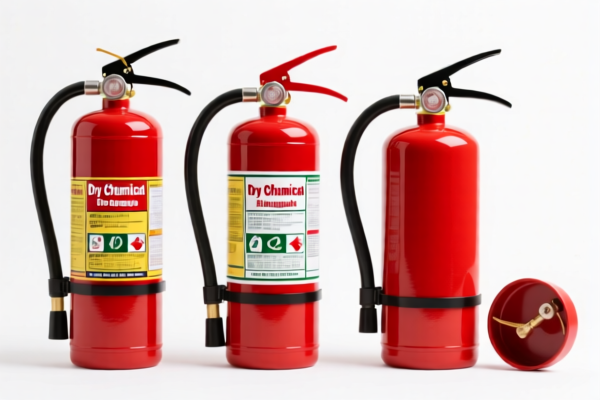
AI分析
🧯 Special Additives for Fire Extinguishing Agents (灭火剂添加剂)
🌐 HS Code Reference & Customs Clearance Guide | 2026 Latest Tariff Analysis | Professional-Level Entry Strategy
📌 I. Product Definition & Classification: What Exactly Are You Importing?
"Special Additives for Fire Extinguishing Agents" are chemical compounds or mixtures added to fire extinguishing agents (such as aqueous film-forming foams, dry powders, or clean agent systems) to enhance their performance, stability, corrosion resistance, or fire-suppression efficiency.
In international trade, these additives are strictly classified based on their chemical composition and functional role within the extinguishing system. Misclassification is a high-risk area because customs authorities closely scrutinize chemical imports due to safety and environmental regulations.
⚠️ Key Distinction Points:
- Pure Chemical Additives: If the product is primarily a chemical agent designed only to modify the properties of an extinguishing agent, it generally falls under Chapter 38 (Miscellaneous Chemical Products).
- Mechanical Sealing Components: If the "additive" refers to physical parts like seals, gaskets, or O-rings used in the extinguisher housing or piping (often confused due to translation errors or bundled shipments), these fall under Chapter 40 (Rubber) or Chapter 39/84 (Plastics/Machinery Parts).
- The "Purpose" Test: Customs will look at the primary use. If it's a liquid/powder chemical, it's likely 3813. If it's a physical seal, it's 4016 or 3926.
📦 II. HS Code Classification Details (2026 Latest Tariff Authority Cross-Reference)
Based on the specific nature of the import, here are the four most likely HS Codes. Note: The distinction between "Chemical Additive" and "Physical Seal" is critical.
| HS Code | Product Description | Applicable Scenario | Key Characteristics |
|---|---|---|---|
3813.00.10.00 |
Fire Extinguishing Agent Additives | Pure chemical additives (liquids/powders) used in extinguishing agents. | ✅ Chemical: Base tariff 0% + Section 301 + 122 |
3813.00.50.00 |
Other Fire Extinguishing Agents & Charges | Other chemical formulations for extinguishing, not specifically "additives" but part of the charge. | ✅ Chemical: Base tariff 3.7% + Section 301 + 122 |
4016.93.50.20 |
Other Rubber Articles: Seals for Extinguishers | Rubber seals/gaskets specifically for fire extinguishing equipment. | ✅ Rubber Part: Base tariff 2.5% + Section 301 + 122 |
3926.90.45.90 |
Other Plastic/Rubber Articles: Seals | Plastic or non-specific rubber seals/components for extinguishers. | ✅ Plastic Part: Base tariff 3.5% + Section 301 + 122 |
8414.90.91.80 |
Parts of Air Pumps/Compressors: Corrosion-Resistant | Specialized corrosion-resistant mechanical parts (if the additive is a mechanical component for the system). | ✅ Mechanical Part: Base tariff 0% + Section 301 + 122 |
🔍 Critical Reminder:
- If you are importing liquid/powder chemicals to mix into fire extinguishers, you MUST use3813.00.10.00or3813.00.50.00. Using a plastics code (3926) for a chemical will result in seizure and penalties.
- If you are importing O-rings, gaskets, or seals for the extinguisher body, use4016or3926. Do not use3813.
💰 III. 2026 Latest Tariff Rate Breakdown (Including Additional Taxes & Policy Surcharges)
✅ Applicable Country: United States (US)
✅ Origin: China (CN)
✅ Effective Date: November 10, 2025 (and subsequent imports)
🎯 1. 3813.00.10.00 —— Fire Extinguishing Agent Additives (Chemical)
| Item | Content |
|---|---|
| Base Tariff | 0.0% (ad valorem) |
| Section 301 Surcharge | +25.0% (From USITC Footnote 9903.88.01) |
| Section 122 / IEEPA Surcharge | +10.0% (For China/HK products, effective Nov 10, 2025) |
| Total Tariff Rate | 35.0% |
| Tax Calculation | CIF Value × 35% |
| De Minimis Eligibility | ❌ NO (deny_de_minimis) |
| Legal Basis Path | IEEPA:9903.01.25 → USITC:3813.00.10.00 → FOOTNOTE:9903.88.01 |
📌 Explanation:
- Base 0%: Standard MFN rate for chemical additives.
- 25% Section 301: Standard US-China trade war tariff.
- 10% IEEPA/Section 122: New surcharge for specific Chinese-origin chemicals/goods.
- Total 35%: High cost of entry. Ensure your CIF value is accurate.
🎯 2. 3813.00.50.00 —— Other Fire Extinguishing Agents & Charges
| Item | Content |
|---|---|
| Base Tariff | 3.7% |
| Section 301 Surcharge | +25.0% |
| Section 122 / IEEPA Surcharge | +10.0% |
| Total Tariff Rate | 38.7% |
| Tax Calculation | CIF Value × 38.7% |
| De Minimis Eligibility | ❌ NO |
| Legal Basis Path | IEEPA:9901.25 → USITC:3813.00.50.00 → FOOTNOTE:9903.88.01 |
📌 Note:
- If your product is classified here (e.g., as a "complete fire charge" rather than just an "additive"), the cost is 3.7% higher than code 1.
- Verify with the manufacturer if the product is a "raw additive" or a "pre-mixed agent."
🎯 3. 4016.93.50.20 —— Rubber Seals for Fire Extinguishers
| Item | Content |
|---|---|
| Base Tariff | 2.5% |
| Section 301 Surcharge | +25.0% |
| Section 122 / IEEPA Surcharge | +10.0% |
| Total Tariff Rate | 37.5% |
| Tax Calculation | CIF Value × 37.5% |
| De Minimis Eligibility | ❌ NO |
| Legal Basis Path | IEEPA:9903.01.24 → USITC:4016.93.50.20 |
📌 Note:
- If you are importing rubber O-rings for extinguishers, this is the correct code.
- Total 37.5%: Slightly cheaper than chemical additives but still very high.
🎯 4. 3926.90.45.90 —— Plastic/Rubber Seals (Other)
| Item | Content |
|---|---|
| Base Tariff | 3.5% |
| Section 301 Surcharge | +25.0% |
| Section 122 / IEEPA Surcharge | +10.0% |
| Total Tariff Rate | 38.5% |
| Tax Calculation | CIF Value × 38.5% |
| De Minimis Eligibility | ❌ NO |
| Legal Basis Path | IEEPA:9901.25 → USITC:3926.90.45.90 |
📌 Note:
- Use this if the seals are plastic or non-specific rubber.
- Total 38.5%: The most expensive among the "seal" options.
🎯 5. 8414.90.91.80 —— Corrosion-Resistant Mechanical Parts
| Item | Content |
|---|---|
| Base Tariff | 0.0% |
| Section 301 Surcharge | +25.0% |
| Section 122 / IEEPA Surcharge | +10.0% |
| Total Tariff Rate | 35.0% |
| Tax Calculation | CIF Value × 35.0% |
| De Minimis Eligibility | ❌ NO |
| Legal Basis Path | IEEPA:9903.01.24 → USITC:8414.90.91.80 |
📌 Note:
- Only applicable if the "additive" is a mechanical part (like a valve or pump component) made of corrosion-resistant material.
- Total 35%: Same as chemical additives but classified under machinery parts.
🛠️ IV. Customs Clearance Practical Advice (Real-World Pitfall Avoidance Guide)
✅ 1. Document Checklist (Non-Negotiable)
| Document | Required | Explanation |
|---|---|---|
| ✅ Product Specification Sheet | ✔️ | Must clearly state: "Chemical Additive" OR "Rubber Seal" – not ambiguous terms like "Part X". |
| ✅ Ingredient List (MSDS/SDS) | ✔️ | For chemical codes (3813), a Safety Data Sheet is mandatory. Must list all chemical components. |
| ✅ Product Photos (Label & Bulk) | ✔️ | Show packaging, labels, and the product itself. Seals must show material type (e.g., "NBR Rubber"). |
| ✅ Commercial Invoice | ✔️ | Description must match HS Code. Use exact terms: "Fire Extinguishing Agent Additive" or "Rubber Gasket for Fire Extinguisher". |
| ✅ Certificate of Origin (CO) | ✔️ | Essential for verifying China origin to apply/add correct tariffs. |
| ✅ Packing List | ✔️ | Must distinguish between chemicals and mechanical parts if shipped together. |
✅ 2. Declaration Tips (Key Mnemonic)
🔥 "Chemical is 38, Rubber is 40, Plastic is 39, Mechanical is 84! Wrong Code = Penalty!"
| Scenario | Correct Declaration | Error to Avoid |
|---|---|---|
| Liquid/Powder to mix with foam | 3813.00.10.00 |
Misreporting as 3926 (Plastic) → Seizure |
| Rubber O-rings for extinguisher body | 4016.93.50.20 |
Misreporting as 3813 (Chemical) → Delay/Inspection |
| Plastic seals/gaskets | 3926.90.45.90 |
Misreporting as 4016 (Rubber) → Higher Tax |
| Corrosion-resistant valve parts | 8414.90.91.80 |
Misreporting as general machinery → Incorrect Duty |
✅ 3. Special Handling
| Situation | Handling Advice |
|---|---|
| Mixed Shipment (Chemicals + Seals) | Separate Lines: Declare chemicals on one line (3813) and seals on another (4016). Do not bundle into one vague line item. |
| OEM Custom Additives | Provide the client’s order + chemical formula (if required) to prove it is an "additive" and not a standalone hazardous chemical. |
| Samples | Even for samples, if value > $800, declare correctly. If < $800, de minimis DOES NOT APPLY for China origin under current Section 301/122 rules. |
| Fire Extinguisher Systems | If importing complete extinguishers, they have different HS Codes (8424). Do not confuse "Additives" with "Complete Units". |
🌍 V. Global Market Clearance Comparison (2026 Latest)
| Country/Region | Recommended HS Code | Tariff (China Origin) | Certification Requirements | Notes |
|---|---|---|---|---|
| 🇺🇸 USA | 3813.00.10.00 |
35% (Chemical) | TSCA Compliance + SDS | 35% is high. Pre-clearance essential. |
| 🇨🇳 China | 3813.00.10.00 |
5-7% (Import Duty) | CCC (if applicable) | No Section 301. Lower cost. |
| 🇪🇺 EU | 3824.99 (General) |
4.5% (Standard) | REACH Registration | EU requires REACH registration for chemicals. |
| 🇦🇺 Australia | 3824.99 |
5% | AS/NZS Standards | No major surcharges, but strict safety checks. |
| 🇯🇵 Japan | 3824.99 |
4.0% | JIS Standards | No surcharges, but detailed technical docs needed. |
📌 Conclusion:
- USA is the highest cost market due to 25% + 10% surcharges.
- EU requires REACH compliance, which is a time-consuming and costly process for chemical additives.
- China origin goods face significantly higher barriers in the US compared to other regions.
📌 VI. Common Mistakes & Pitfall Guide (Blood & Tears Lessons)
❌ Mistake 1: Declaring "Chemical Additives" as "General Chemicals" under 3824
👉 Consequence: Wrong HS code. If misclassified, you might avoid the 25% Section 301, but Customs will catch it via chemical analysis. Penalty + Back Taxes + Fine.
❌ Mistake 2: Mixing "Rubber Seals" and "Chemical Additives" on one invoice line
👉 Consequence: Customs cannot determine the correct duty rate. Hold shipment for inspection, leading to storage fees and delays.
❌ Mistake 3: Omitting the "Section 122 / IEEPA 10%" surcharge in cost calculation
👉 Consequence: Underpayment of duties. CBP will demand payment + interest upon audit.
❌ Mistake 4: Using "Fire Extinguisher Parts" for Chemical Additives
👉 Consequence: Chemicals are not "parts." This is a clear misdeclaration. High risk of rejection.
✅ Correct Practice:
"Chemical Additive for Fire Extinguishing Agents, Liquid Form, Non-Hazardous, Contains [Specific Compound], Model XYZ, TSCA Compliant"
OR
"Rubber Gasket for Fire Extinguisher, NBR Material, USFM 120 Certified"
🎯 VII. Conclusion: Precise Classification Saves Money!
🎯 Remember the Mnemonic:
🔹 "Chemical is 38, Rubber is 40. Both have 25% + 10%. Total 35-38%. Don't Guess!"
🔹 "HS Code defines the tax. 3% difference changes your profit margin. One mistake costs 10x."
📌 Pro Tip:
If your additives are sourced from Vietnam, Mexico, or Malaysia, you may EXEMPT from Section 301 and 122 tariffs.
Action: Request Certificate of Origin from your supplier immediately.
Benefit: Tariff drops from 35% to 0-5%. Massive savings!
📣 Immediate Action Required:
📞 Contact Customs Broker + Provide SDS/Specs + Apply for Advance Ruling
🚀 Ensure Smooth Clearance, Avoid Delays, Protect Your Margins!
✨ Professional Clearance Starts with Accurate Classification!
💼 Your Every Dollar Is Worth Being Calculated Precisely!
用户评价
关于 HS 编码归类
协调制度(HS)是由世界海关组织(WCO)制定的国际贸易商品分类标准。全球 200 多个国家采用 HS 系统作为海关关税、贸易统计和进出口监管的基础。
每个 HS 编码遵循以下层级结构:
- 章(2 位)——商品大类(例如:第 84 章:机器和机械设备)
- 品目(4 位)——章内的更具体分类
- 子目(6 位)——国际通用细分,所有 WCO 成员国统一使用
- 本国细分(8-10 位)——各国自行扩展的细分编码,如美国 HTSUS 10 位编码
正确的 HS 编码归类对于顺利通关、准确缴纳关税和遵守贸易法规至关重要。错误归类可能导致海关延误、多缴关税或罚款。
从CN进口到US时,适用的关税税率可能包括:
- 最惠国(MFN)税率——适用于 WTO 成员国的标准关税税率
- 普通税率——适用于无贸易协定国家
- 贸易救济关税——附加关税,如 301 条款(反倾销)、232 条款(国家安全)或反补贴税
本页内容仅供参考。如需正式归类,请咨询当地海关或持牌报关代理。