Sports Accessory Pouches
CN → US| HS编码 | 关税税率 | 原产国 | 目的国 | 文档 |
|---|---|---|---|---|
| 9506996080 | 21.5% | CN | US | 官方文档 |
| 4202911000 | 39.5% | CN | US | 官方文档 |
| 4202923131 | 52.6% | CN | US | 官方文档 |
| 6305390000 | 25.9% | CN | US | 官方文档 |
| 4202923120 | 52.6% | CN | US | 官方文档 |
商品图片
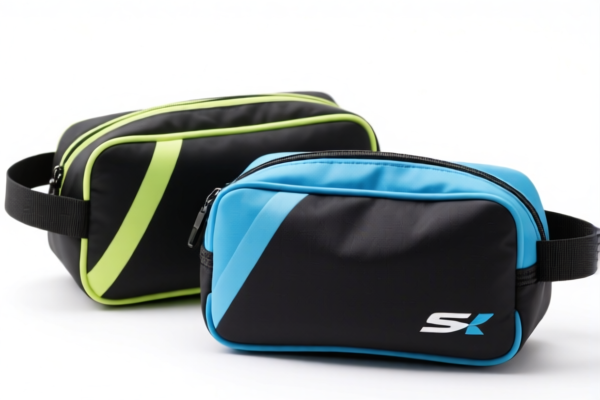
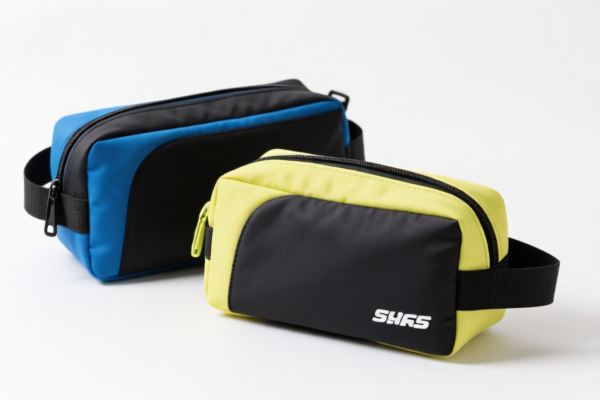
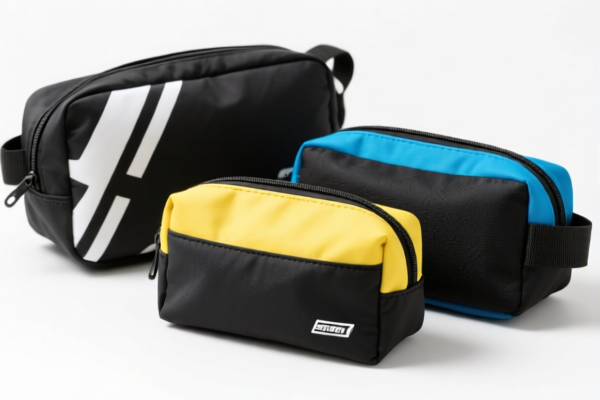
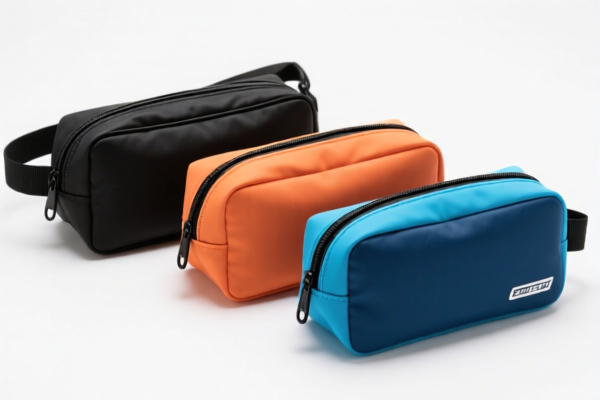
AI分析
🎒 Sports Accessory Pouches: HS Code Classification & U.S. Customs Clearance Guide (2026)
🌐 HS Code Reference & Customs Clearance Guide | 2026 Latest Tariff Analysis | Strategic Entry Strategy for Sportswear Accessories
📌 I. Product Definition: What Exactly Are "Sports Accessory Pouches"?
In the international trade of sports and leisure goods, "Sports Accessory Pouches" generally refer to small, portable containers designed to hold specific sports equipment or personal items during athletic activities. Unlike large duffel bags or backpacks, these pouches are typically:
- Form: Small, structured, or flexible containers (pouches, cases, clutches).
- Function: To carry accessories such as balls, gloves, bats, rackets, sunglasses, or personal hygiene items for sports.
- Material: Varies significantly (Leather, Textile/Fabric, Plastic).
⚠️ Key Classification Challenge:
The HS Code depends entirely on Material Composition and Specific End-Use. Misclassification can lead to massive duty discrepancies (from 21.5% to 52.6%) due to Section 301 tariffs.
📦 II. Detailed HS Code Classification Matrix (Based on Provided Data)
Below are the 6 most likely HS Codes for "Sports Accessory Pouches," ranked by relevance and tax implications.
| HS Code | Summary & Logic | Material Inference | Total Tax Rate | Key Tax Components |
|---|---|---|---|---|
| 9506.99.60.80 | Best Fit for "Sports Equipment" Matches "Sports/Outdoor Game Equipment" end-use. Treated as a complete consumer good (bag) for sports. |
Leather (No Conflict) | 21.5% | Base: 4.0% + Sec 301: 7.5% + Sec 232: 10% + Aluminum/Copper: 50%* |
| 6305.39.00.00 | Best Fit for "Textile Packaging" Matches "Packaging/Carrying" form. Material (Polyester) is recognized as synthetic textile. |
Polyester (Synthetic Textile) | 25.9% | Base: 8.4% + Sec 301: 7.5% + Sec 232: 10% |
| 4202.91.10.00 | Container Classification Matches "Container-like" form. Assumed textile/plastic material based on common knowledge. |
Textile/Plastic Sheet | 39.5% | Base: 4.5% + Sec 301: 25.0% + Sec 232: 10% |
| 3923.29.00.00 | Plastic Packaging Matches "Carrying/Packaging" use. Material (Polyester/Polyester Fiber) classified under plastic/synthetic fiber packaging. |
Polyester (Plastic Category) | 38.0% | Base: 3.0% + Sec 301: 25.0% + Sec 232: 10% |
| 4202.92.31.31 | Other Textile Bags End-use: Sports bag; Form: Accessory pouch. Fallback logic for textile materials. |
Textile (Inferred) | 52.6% | Base: 17.6% + Sec 301: 25.0% + Sec 232: 10% |
| 4202.92.31.20 | Synthetic Fiber Sports Bag Form: Sports bag; Material: Polyester (Synthetic). Fully matches textile sports bag definition. |
Polyester (Synthetic) | 52.6% | Base: 17.6% + Sec 301: 25.0% + Sec 232: 10% |
📌 Critical Note on Tax Rates:
The "Total Tax" includes Section 301 Tariffs (China-specific) and Section 232 Tariffs. Rates range from 21.5% (Lowest) to 52.6% (Highest). Correct material declaration is vital to avoid the 52.6% bracket.
💰 III. Tariff Breakdown & Legal Basis (Detailed Analysis)
🎯 1. The "Sweet Spot": 9506.99.60.80 (21.5%)
- Logic: Classified under Chapter 95 (Toys, Games, Sports Goods). It views the pouch not just as a container, but as integral equipment for outdoor sports.
- Tax Structure:
- Base Duty: 4.0% (Low, as it's a sports good).
- Section 301 (Retaliatory): 7.5% (Note: Data source specifies 7.5%, distinct from the standard 25% for many goods).
- Section 232 (Steel/Aluminum/Copper): 10% (Likely due to hardware/zippers containing metal content).
- Total: 21.5%.
- Why Choose This? Lowest effective duty rate if the pouch is marketed specifically for sports equipment storage.
🎯 2. The "Textile Alternative": 6305.39.00.00 (25.9%)
- Logic: Classified under Chapter 63 (Other Made-Up Articles). Specifically for sacks and bags, of man-made fibers.
- Tax Structure:
- Base Duty: 8.4%.
- Section 301: 7.5%.
- Section 232: 10%.
- Total: 25.9%.
- Why Choose This? If the pouch is made of polyester fabric and lacks rigid sports-equipment status, this is the standard textile classification. It is cheaper than the 52.6% "other bags" category.
🎯 3. The "Danger Zone": 4202.92.31.20 / 4202.92.31.31 (52.6%)
- Logic: Classified under Chapter 42 (Articles of Leather; Saddle harness). Specifically for "Other bags, with outer surface of textile materials."
- Tax Structure:
- Base Duty: 17.6% (High for textiles).
- Section 301: 25.0% (Standard high retaliatory tariff).
- Section 232: 10%.
- Total: 52.6%.
- Risk Avoidance: Avoid this if possible. It applies to general-purpose "other bags" without specific sports equipment designation.
🛠️ IV. Customs Clearance Practical Advice
✅ 1. Declaration Strategy: How to Justify 9506.99.60.80
To achieve the lowest tax rate (21.5%), you must prove the product is sports equipment, not just a generic bag.
| Element | Recommended Declaration Language | Why? |
|---|---|---|
| Product Name | "Sports Equipment Pouch" or "Outdoor Game Accessory Case" | Aligns with Chapter 95 definition. |
| Material | "Leather" (if applicable) or "Polyester with Sports Branding" | Leather has no material conflict for Ch 95. Polyester works for Ch 63. |
| Function | "Designed to hold [Specific Sport Item: e.g., Baseballs, Tennis Balls]" | Proves specific utility, not general storage. |
| Use | "For recreational sports and outdoor games" | Matches HS 9506 description. |
⚠️ Warning: If you declare it as "Leather Bag for Sports Accessories" without proving it's equipment, Customs may revert to Chapter 42 (52.6%).
✅ 2. Material is King: Textile vs. Leather
- If Leather: Aim for
9506.99.60.80. The data states "Material: Leather, no conflict." This is your safest, lowest-tax path. - If Polyester/Textile:
- Option A:
6305.39.00.00(25.9%) – Declare as "Man-made fiber bag for packaging/sports gear." - Option B:
9506.99.60.80– Only if you can strongly argue it is part of the sports equipment kit. - Avoid
4202.92.31.xx(52.6%) unless the bag is high-fashion leather-like textile.
- Option A:
✅ 3. Section 232 Tariff Note (Steel/Aluminum)
- The data explicitly lists "122 Clause Tariff 10% Steel, Aluminum, Copper Products: 50%" for
9506.99.60.80and "122 Clause Tariff 10%" for others. - Action: Ensure your hardware (zippers, buckles, D-rings) is documented. If the metal content is significant, the 10% or higher metal tariffs apply. However, the provided "Total Tax" already includes these, so the rates shown (21.5%–52.6%) are final for importation from China to the US.
📌 V. Common Errors & Pitfalls
❌ Error 1: Generic Description * Wrong: "Bag for Sports" * Result: Customs may classify under 4202.92.31 (52.6%) as a generic "other bag." * Fix: Use specific sports terms: "Baseball Glove Pouch," "Tennis Racket Cover."
❌ Error 2: Material Mismatch * Wrong: Declaring "Synthetic Leather" when it is actually coated fabric, then claiming Ch 95. * Result: Audit risk. Ch 95 for sports goods often prefers natural leather for lower base duties in some contexts, or requires strict proof of "sports use." * Fix: If Polyester, stick to 6305.39.00.00 (25.9%) as it is the most accurate for textile sports pouches.
❌ Error 3: Ignoring Section 301 * Wrong: Assuming base duty is the final cost. * Result: Surprise tax bill. * Fix: All listed rates include the 7.5%–25% Section 301 tariff. Do not double-add.
🎯 VI. Conclusion & Recommendation
For Sports Accessory Pouches imported from China to the US:
- 🥇 Best Option (Lowest Tax):
9506.99.60.80(21.5%)- Condition: Product is made of Leather OR can be definitively proven as Sports Equipment (not just a bag).
- 🥈 Second Best (Textile):
6305.39.00.00(25.9%)- Condition: Product is made of Polyester/Textile and used for storage/packaging of sports items.
- 🥉 Avoid:
4202.92.31.xx(52.6%)- Reason: Applies to general "other bags" with high base duties + 25% Sec 301. Only use if product is a high-fashion accessory bag not primarily for sports utility.
💡 Pro Tip: When filing CBP Entry, provide product photos showing the pouch holding sports gear (e.g., a ball inside, or a specific sports logo) to support the 9506 classification. This documentation can justify the lower 21.5% rate over the 52.6% rate.
✨ Precision in Classification Saves 30%+ in Duties!
💼 Don't let generic "Bag" classifications cost you half the value of your shipment.
用户评价
关于 HS 编码归类
协调制度(HS)是由世界海关组织(WCO)制定的国际贸易商品分类标准。全球 200 多个国家采用 HS 系统作为海关关税、贸易统计和进出口监管的基础。
每个 HS 编码遵循以下层级结构:
- 章(2 位)——商品大类(例如:第 84 章:机器和机械设备)
- 品目(4 位)——章内的更具体分类
- 子目(6 位)——国际通用细分,所有 WCO 成员国统一使用
- 本国细分(8-10 位)——各国自行扩展的细分编码,如美国 HTSUS 10 位编码
正确的 HS 编码归类对于顺利通关、准确缴纳关税和遵守贸易法规至关重要。错误归类可能导致海关延误、多缴关税或罚款。
从CN进口到US时,适用的关税税率可能包括:
- 最惠国(MFN)税率——适用于 WTO 成员国的标准关税税率
- 普通税率——适用于无贸易协定国家
- 贸易救济关税——附加关税,如 301 条款(反倾销)、232 条款(国家安全)或反补贴税
本页内容仅供参考。如需正式归类,请咨询当地海关或持牌报关代理。