Sports Accessory Pouches
CN → US| HS Code | Tariff Rate | Origin | Destination | Doc |
|---|---|---|---|---|
| 9506996080 | 21.5% | CN | US | Official Doc |
| 4202911000 | 39.5% | CN | US | Official Doc |
| 4202923131 | 52.6% | CN | US | Official Doc |
| 6305390000 | 25.9% | CN | US | Official Doc |
| 4202923120 | 52.6% | CN | US | Official Doc |
Product Images
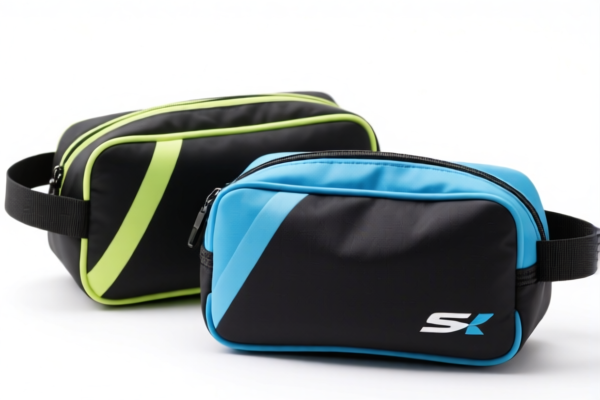
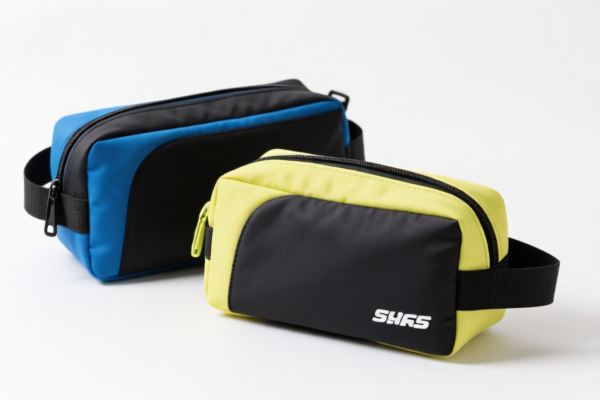
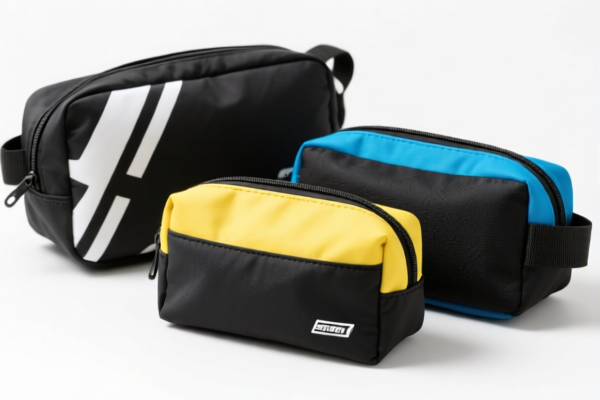
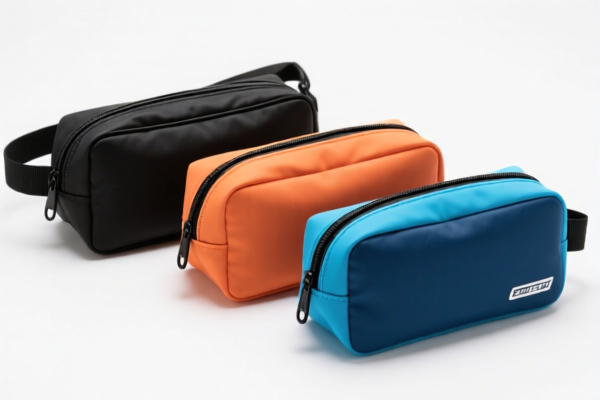
AI Analysis
🎒 Sports Accessory Pouches: HS Code Classification & U.S. Customs Clearance Guide (2026)
🌐 HS Code Reference & Customs Clearance Guide | 2026 Latest Tariff Analysis | Strategic Entry Strategy for Sportswear Accessories
📌 I. Product Definition: What Exactly Are "Sports Accessory Pouches"?
In the international trade of sports and leisure goods, "Sports Accessory Pouches" generally refer to small, portable containers designed to hold specific sports equipment or personal items during athletic activities. Unlike large duffel bags or backpacks, these pouches are typically:
- Form: Small, structured, or flexible containers (pouches, cases, clutches).
- Function: To carry accessories such as balls, gloves, bats, rackets, sunglasses, or personal hygiene items for sports.
- Material: Varies significantly (Leather, Textile/Fabric, Plastic).
⚠️ Key Classification Challenge:
The HS Code depends entirely on Material Composition and Specific End-Use. Misclassification can lead to massive duty discrepancies (from 21.5% to 52.6%) due to Section 301 tariffs.
📦 II. Detailed HS Code Classification Matrix (Based on Provided Data)
Below are the 6 most likely HS Codes for "Sports Accessory Pouches," ranked by relevance and tax implications.
| HS Code | Summary & Logic | Material Inference | Total Tax Rate | Key Tax Components |
|---|---|---|---|---|
| 9506.99.60.80 | Best Fit for "Sports Equipment" Matches "Sports/Outdoor Game Equipment" end-use. Treated as a complete consumer good (bag) for sports. |
Leather (No Conflict) | 21.5% | Base: 4.0% + Sec 301: 7.5% + Sec 232: 10% + Aluminum/Copper: 50%* |
| 6305.39.00.00 | Best Fit for "Textile Packaging" Matches "Packaging/Carrying" form. Material (Polyester) is recognized as synthetic textile. |
Polyester (Synthetic Textile) | 25.9% | Base: 8.4% + Sec 301: 7.5% + Sec 232: 10% |
| 4202.91.10.00 | Container Classification Matches "Container-like" form. Assumed textile/plastic material based on common knowledge. |
Textile/Plastic Sheet | 39.5% | Base: 4.5% + Sec 301: 25.0% + Sec 232: 10% |
| 3923.29.00.00 | Plastic Packaging Matches "Carrying/Packaging" use. Material (Polyester/Polyester Fiber) classified under plastic/synthetic fiber packaging. |
Polyester (Plastic Category) | 38.0% | Base: 3.0% + Sec 301: 25.0% + Sec 232: 10% |
| 4202.92.31.31 | Other Textile Bags End-use: Sports bag; Form: Accessory pouch. Fallback logic for textile materials. |
Textile (Inferred) | 52.6% | Base: 17.6% + Sec 301: 25.0% + Sec 232: 10% |
| 4202.92.31.20 | Synthetic Fiber Sports Bag Form: Sports bag; Material: Polyester (Synthetic). Fully matches textile sports bag definition. |
Polyester (Synthetic) | 52.6% | Base: 17.6% + Sec 301: 25.0% + Sec 232: 10% |
📌 Critical Note on Tax Rates:
The "Total Tax" includes Section 301 Tariffs (China-specific) and Section 232 Tariffs. Rates range from 21.5% (Lowest) to 52.6% (Highest). Correct material declaration is vital to avoid the 52.6% bracket.
💰 III. Tariff Breakdown & Legal Basis (Detailed Analysis)
🎯 1. The "Sweet Spot": 9506.99.60.80 (21.5%)
- Logic: Classified under Chapter 95 (Toys, Games, Sports Goods). It views the pouch not just as a container, but as integral equipment for outdoor sports.
- Tax Structure:
- Base Duty: 4.0% (Low, as it's a sports good).
- Section 301 (Retaliatory): 7.5% (Note: Data source specifies 7.5%, distinct from the standard 25% for many goods).
- Section 232 (Steel/Aluminum/Copper): 10% (Likely due to hardware/zippers containing metal content).
- Total: 21.5%.
- Why Choose This? Lowest effective duty rate if the pouch is marketed specifically for sports equipment storage.
🎯 2. The "Textile Alternative": 6305.39.00.00 (25.9%)
- Logic: Classified under Chapter 63 (Other Made-Up Articles). Specifically for sacks and bags, of man-made fibers.
- Tax Structure:
- Base Duty: 8.4%.
- Section 301: 7.5%.
- Section 232: 10%.
- Total: 25.9%.
- Why Choose This? If the pouch is made of polyester fabric and lacks rigid sports-equipment status, this is the standard textile classification. It is cheaper than the 52.6% "other bags" category.
🎯 3. The "Danger Zone": 4202.92.31.20 / 4202.92.31.31 (52.6%)
- Logic: Classified under Chapter 42 (Articles of Leather; Saddle harness). Specifically for "Other bags, with outer surface of textile materials."
- Tax Structure:
- Base Duty: 17.6% (High for textiles).
- Section 301: 25.0% (Standard high retaliatory tariff).
- Section 232: 10%.
- Total: 52.6%.
- Risk Avoidance: Avoid this if possible. It applies to general-purpose "other bags" without specific sports equipment designation.
🛠️ IV. Customs Clearance Practical Advice
✅ 1. Declaration Strategy: How to Justify 9506.99.60.80
To achieve the lowest tax rate (21.5%), you must prove the product is sports equipment, not just a generic bag.
| Element | Recommended Declaration Language | Why? |
|---|---|---|
| Product Name | "Sports Equipment Pouch" or "Outdoor Game Accessory Case" | Aligns with Chapter 95 definition. |
| Material | "Leather" (if applicable) or "Polyester with Sports Branding" | Leather has no material conflict for Ch 95. Polyester works for Ch 63. |
| Function | "Designed to hold [Specific Sport Item: e.g., Baseballs, Tennis Balls]" | Proves specific utility, not general storage. |
| Use | "For recreational sports and outdoor games" | Matches HS 9506 description. |
⚠️ Warning: If you declare it as "Leather Bag for Sports Accessories" without proving it's equipment, Customs may revert to Chapter 42 (52.6%).
✅ 2. Material is King: Textile vs. Leather
- If Leather: Aim for
9506.99.60.80. The data states "Material: Leather, no conflict." This is your safest, lowest-tax path. - If Polyester/Textile:
- Option A:
6305.39.00.00(25.9%) – Declare as "Man-made fiber bag for packaging/sports gear." - Option B:
9506.99.60.80– Only if you can strongly argue it is part of the sports equipment kit. - Avoid
4202.92.31.xx(52.6%) unless the bag is high-fashion leather-like textile.
- Option A:
✅ 3. Section 232 Tariff Note (Steel/Aluminum)
- The data explicitly lists "122 Clause Tariff 10% Steel, Aluminum, Copper Products: 50%" for
9506.99.60.80and "122 Clause Tariff 10%" for others. - Action: Ensure your hardware (zippers, buckles, D-rings) is documented. If the metal content is significant, the 10% or higher metal tariffs apply. However, the provided "Total Tax" already includes these, so the rates shown (21.5%–52.6%) are final for importation from China to the US.
📌 V. Common Errors & Pitfalls
❌ Error 1: Generic Description * Wrong: "Bag for Sports" * Result: Customs may classify under 4202.92.31 (52.6%) as a generic "other bag." * Fix: Use specific sports terms: "Baseball Glove Pouch," "Tennis Racket Cover."
❌ Error 2: Material Mismatch * Wrong: Declaring "Synthetic Leather" when it is actually coated fabric, then claiming Ch 95. * Result: Audit risk. Ch 95 for sports goods often prefers natural leather for lower base duties in some contexts, or requires strict proof of "sports use." * Fix: If Polyester, stick to 6305.39.00.00 (25.9%) as it is the most accurate for textile sports pouches.
❌ Error 3: Ignoring Section 301 * Wrong: Assuming base duty is the final cost. * Result: Surprise tax bill. * Fix: All listed rates include the 7.5%–25% Section 301 tariff. Do not double-add.
🎯 VI. Conclusion & Recommendation
For Sports Accessory Pouches imported from China to the US:
- 🥇 Best Option (Lowest Tax):
9506.99.60.80(21.5%)- Condition: Product is made of Leather OR can be definitively proven as Sports Equipment (not just a bag).
- 🥈 Second Best (Textile):
6305.39.00.00(25.9%)- Condition: Product is made of Polyester/Textile and used for storage/packaging of sports items.
- 🥉 Avoid:
4202.92.31.xx(52.6%)- Reason: Applies to general "other bags" with high base duties + 25% Sec 301. Only use if product is a high-fashion accessory bag not primarily for sports utility.
💡 Pro Tip: When filing CBP Entry, provide product photos showing the pouch holding sports gear (e.g., a ball inside, or a specific sports logo) to support the 9506 classification. This documentation can justify the lower 21.5% rate over the 52.6% rate.
✨ Precision in Classification Saves 30%+ in Duties!
💼 Don't let generic "Bag" classifications cost you half the value of your shipment.
Customer Reviews
About HS Code Classification
The Harmonized System (HS) is an internationally standardized nomenclature developed by the World Customs Organization (WCO) to classify traded products. Over 200 countries use the HS system as the basis for customs tariffs, trade statistics, and import/export regulations.
Each HS code follows a hierarchical structure:
- Chapter (2 digits) — Broad category of goods (e.g., Chapter 84: Machinery and Mechanical Appliances)
- Heading (4 digits) — More specific grouping within the chapter
- Subheading (6 digits) — Internationally standardized breakdown, used by all WCO member countries
- National subdivisions (8-10 digits) — Country-specific extensions for further classification, such as US HTSUS 10-digit codes
Correct HS code classification is essential for smooth customs clearance, accurate duty payment, and compliance with trade regulations. Misclassification can lead to customs delays, overpayment of duties, or penalties.
When importing from CN to US, the applicable tariff rates may include:
- Most-Favored-Nation (MFN) rate — The standard duty rate applied to WTO members
- General rate — Applied to countries without trade agreements
- Trade remedy duties — Additional tariffs such as Section 301 (anti-dumping), Section 232 (national security), or countervailing duties
The information provided on this page is for reference purposes only. For official classification, please consult with your local customs authority or a licensed customs broker.