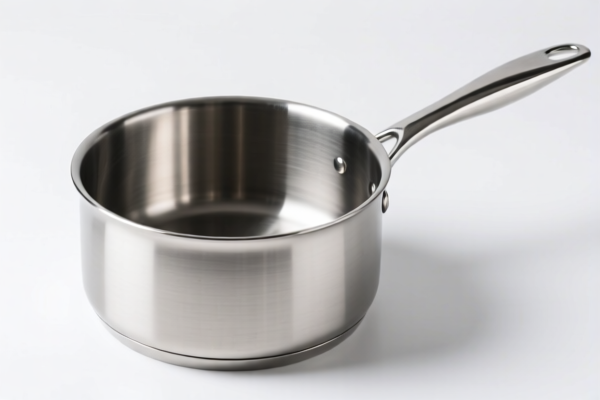
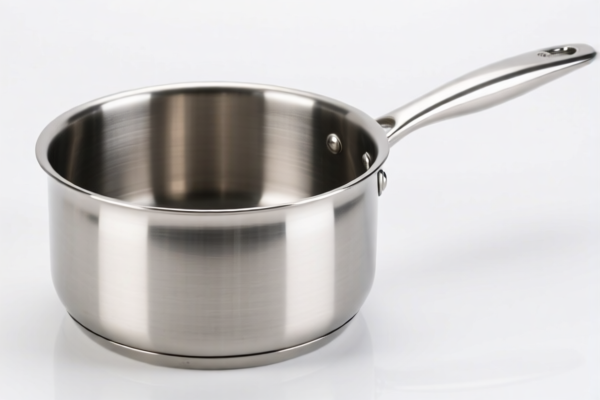
Stainless Steel Coffee Pot
CN → US| HS编码 | 关税税率 | 原产国 | 目的国 | 文档 |
|---|---|---|---|---|
| 7615107155 | 63.1% | CN | US | 官方文档 |
| 7615103025 | 70.6% | CN | US | 官方文档 |
| 6911104100 | 16.3% | CN | US | 官方文档 |
| 6911108010 | 38.3% | CN | US | 官方文档 |
| 7323930045 | 62.0% | CN | US | 官方文档 |
商品图片


AI分析
☕ Stainless Steel Coffee Pot
🌐 HS Code Reference & Clearance Guide | 2026 Latest Tariff Analysis | Professional Customs Strategy
📌 I. Product Definition & Classification: Do You Really Understand "Stainless Steel Coffee Pots"?
A Stainless Steel Coffee Pot is a kitchen utensil primarily used for brewing or serving coffee. In international trade, its classification hinges on two critical factors:
1. Material: Although the user specifies "Stainless Steel," customs authorities often require explicit confirmation. If the material is unclear, it may be inferred based on common usage (metal/aluminum/stainless steel).
2. Function/Usage: Is it strictly for cooking/brewing? Or is it ceramic/tableware?
⚠️ Key Distinction:
- If the pot is metallic (stainless steel, aluminum, iron) → Falls under Chapter 73 or 76 (Base metals).
- If the pot is ceramic → Falls under Chapter 69 (Ceramic products).
- Risk: Misclassifying a metal pot as ceramic (or vice versa) can lead to significant tariff differences and customs delays.
📦 II. HS Code Classification Details (2026 Latest Tariff Authority Comparison)
Based on the provided data, here are the 5 potential HS Codes and their rationales:
| HS Code | Summary & Rationale | Estimated Total Tax | Tax Breakdown |
|---|---|---|---|
7615.10.71.55 |
Inferred Material: Metal (e.g., Stainless Steel or Aluminum). Fits cookware/kitchen utensil usage. | 63.1% | Base: 3.1%, Section 301: 0%, 122 Clause: 50% (Steel/Aluminum/Copper) |
7615.10.30.25 |
Name Ambiguity: If material isn't explicit, inferred as Aluminum/Stainless Steel due to "Coffee Pot" function. | 70.6% | Base: 3.1%, Section 301: 7.5%, 122 Clause: 50% |
6911.10.41.00 |
Conflict Risk: Matches kitchen utensil/cutlery. BUT: If actually ceramic, no conflict; if metal, this is WRONG. | 16.3% | Base: 6.3%, Section 301: 0%, 122 Clause: 10% |
6911.10.80.10 |
Ambiguous Material: Inferred as Ceramic, Glass, or Metal (non-conflicting). Fits cutlery/kitchen utensils. | 38.3% | Base: 20.8%, Section 301: 7.5%, 122 Clause: 10% |
7323.93.00.45 |
Best Fit for Stainless Steel: Matches cooking/kitchen utensils. Inferred material: Metal (Stainless/Iron/Steel). No conflict. | 62.0% | Base: 2.0%, Section 301: 0%, 122 Clause: 50% (Steel/Aluminum/Copper) |
🔍 Critical Insight:
- Metal vs. Ceramic is the deciding factor.
- If the product is Stainless Steel, options7615.10.71.55and7323.93.00.45are the most accurate.
- Options6911.10.41.00and6911.10.80.10are for Ceramic items. Using these for stainless steel pots is high risk for misdeclaration.
💰 III. 2026 Latest Tariff Rate Details (Including Surcharges & Policy Add-ons)
✅ Applicable Country: United States (US)
✅ Origin: China (CN)
✅ Effective Time: 2025/2026 (Current Tariff Regime)
🎯 1. 7615.10.71.55 & 7323.93.00.45 —— Stainless Steel Coffee Pots (Metal)
These codes fall under Section 301 and 122 Clause surcharges because they are steel/aluminum products.
| Item | Content |
|---|---|
| Base Rate | 2.0% - 3.1% (ad valorem) |
| Section 301 Surcharge | 0% (for these specific subheadings in the provided data) |
| 122 Clause Surcharge | +50% (Specific to Steel, Aluminum, Copper articles) |
| Total Tax Rate | ~62.0% - 63.1% |
| Tax Calculation | CIF Value × 62-63% |
| De Minimis Exemption | ❌ NOT Eligible (High tax rate exceeds exemption thresholds) |
| Legal Path | 122 Clause → Section 301 → HS Code |
📌 Explanation:
- The 50% surcharge is the dominant cost driver. This is part of the ongoing US-China trade restrictions on steel/aluminum/copper products.
- Even if the base tariff is low (2-3%), the 122 Clause adds a massive penalty.
- Result: A $100 coffee pot incurs ~$62-63 in taxes alone.
🎯 2. 6911.10.41.00 & 6911.10.80.10 —— Ceramic Coffee Pots (If Misclassified or Alternative)
Note: Only applicable if the pot is actually ceramic, not stainless steel.
| Item | Content |
|---|---|
| Base Rate | 6.3% - 20.8% |
| Section 301 Surcharge | 0% or 7.5% |
| 122 Clause Surcharge | +10% |
| Total Tax Rate | 16.3% - 38.3% |
| Tax Calculation | CIF Value × 16-38% |
| De Minimis Exemption | ❌ NOT Eligible (Still too high for de minimis) |
📌 Warning:
- Do NOT use ceramic HS codes for stainless steel pots.
- If you declare a metal pot as ceramic (6911), customs will likely reclassify it, impose penalties, and charge the higher metal tariff retroactively.
🛠️ IV. Clearance Practical Advice (Battle-Tested Pitfall Guide)
✅ 1. Required Documentation Checklist (Non-Negotiable)
| Document | Must Provide | Explanation |
|---|---|---|
| ✅ Product Specification Sheet | ✔️ | Must explicitly state: "Material: 304/316 Stainless Steel". |
| ✅ Product Photos | ✔️ | Clear shots of the pot, showing metallic surface, no ceramic glaze. |
| ✅ Commercial Invoice | ✔️ | Description: "Stainless Steel Coffee Pot, Model XYZ, Material: 18/8 Stainless Steel". |
| ✅ Material Certification | ✔️ | Mill test certificate or material declaration confirming stainless steel composition. |
| ✅ Packaging List | ✔️ | Confirm no ceramic components (e.g., handle, spout) are present. |
✅ 2. Declaration Tips (Key Mantra)
🔥 "Material First, Function Second. Don't Guess, Confirm!"
| Scenario | Correct Declaration | Wrong Action |
|---|---|---|
| Stainless Steel Pot | 7323.93.00.45 or 7615.10.71.55 |
Declaring as Ceramic (6911) |
| Pot with Ceramic Handle | Still 7323 if majority weight/value is metal, but must disclose |
Hiding non-metal parts |
| Aluminum Pot | 7615.10.71.55 |
Declaring as Stainless Steel (7323) |
| Glass Coffee Pot | Different HS Code (not in this list) | Using metal codes |
✅ 3. Special Circumstances Handling
| Situation | Handling Advice |
|---|---|
| OEM Custom Pots | Provide design specs. Ensure material is clearly defined. |
| Mixed Materials | If 90% steel, 10% wood/plastic, still likely metal. If 50/50, complex classification needed. |
| Gift Sets | If sold with a ceramic mug, declare separately to avoid contamination of tariff classification. |
| High-Value Luxury | Even if luxury, material dictates HS code. Brand does not change classification. |
🌍 V. Global Market Comparison (2026 Latest)
| Country/Region | Recommended HS Code | Tariff (China Origin) | Certification | Note |
|---|---|---|---|---|
| 🇺🇸 USA | 7323.93.00.45 |
62.0% (with 122 Clause) | No special certs needed for basic metal | Highest cost due to 50% surcharge |
| 🇨🇳 China | 7323.93.00.45 |
10-15% | CCC (if applicable) | Domestic sales exempt from import tariffs |
| 🇪🇺 EU | 7323.93.00.45 |
6.5% | No special certs | No Section 301/122 equivalent |
| 🇬🇧 UK | 7323.93.00.45 |
6.5% | UKCA | Post-Brexit tariff similar to EU |
| 🇦🇺 Australia | 7323.93.00.45 |
5% | RCM (if electrical, not here) | Competitive market |
📌 Conclusion:
- USA is the most expensive market due to the 50% 122 Clause surcharge on steel/aluminum products.
- Consider supply chain diversification (e.g., manufacturing in Vietnam or Mexico) if exporting to the US to avoid these surcharges.
- Europe/UK/Australia are much more tariff-friendly for stainless steel goods.
📌 VI. Common Mistakes & Pitfall Guide (Lessons Learned)
❌ Mistake 1: Declaring a Stainless Steel Pot as Ceramic (6911) to save 50% tax.
👉 Consequence: Customs inspection reveals metal surface. Reclassification + Penalty + Back Taxes. Risk of fraud investigation.
❌ Mistake 2: Ignoring the "122 Clause" surcharge.
👉 Consequence: Budgeting for 10% tax, but paying 60%. Profit margin wiped out.
❌ Mistake 3: Vague description: "Coffee Pot".
👉 Consequence: Customs agent guesses. Could be assigned a higher tariff code. Delay in clearance.
❌ Mistake 4: Assuming "De Minimis" ($800) applies.
👉 Consequence: High tax rates mean you exceed the de minimis threshold in value or tax amount. Full taxation applies.
✅ Correct Practice:
"Stainless Steel Coffee Pot, 1L Capacity, 304 Grade Stainless Steel, No Ceramic Components, For Home Brewing, Model SS-Coffee-1L"
🎯 VII. Conclusion: Professional Declaration, Cost Control, Efficiency!
🎯 Remember the Mantra:
🔹 "Material Dictates Code. Steel/Aluminum = 50% Surcharge."
🔹 "Don't Guess Ceramic for Metal. It's Fraud."
🔹 "62% Tax in USA vs. 6% in EU. Supply Chain Strategy is Key."
📌 Pro Tip:
If you are exporting large volumes to the US, explore Exclusion Requests for Section 301/122 tariffs if available, or consider transshipment from non-tariffed countries (with proper origin compliance).
Always get an Advance Ruling if unsure about mixed-material products.
📣 Immediate Action:
📞 Contact a licensed customs broker + Provide material certificate + Apply for HS Code Advance Ruling
🚀 Clear Customs Smoothly, Control Costs, Maximize Profits!
✨ Professional Clearance Starts with Accurate Classification!
💼 Every Dollar of Tax Saved is Pure Profit!
用户评价
关于 HS 编码归类
协调制度(HS)是由世界海关组织(WCO)制定的国际贸易商品分类标准。全球 200 多个国家采用 HS 系统作为海关关税、贸易统计和进出口监管的基础。
每个 HS 编码遵循以下层级结构:
- 章(2 位)——商品大类(例如:第 84 章:机器和机械设备)
- 品目(4 位)——章内的更具体分类
- 子目(6 位)——国际通用细分,所有 WCO 成员国统一使用
- 本国细分(8-10 位)——各国自行扩展的细分编码,如美国 HTSUS 10 位编码
正确的 HS 编码归类对于顺利通关、准确缴纳关税和遵守贸易法规至关重要。错误归类可能导致海关延误、多缴关税或罚款。
从CN进口到US时,适用的关税税率可能包括:
- 最惠国(MFN)税率——适用于 WTO 成员国的标准关税税率
- 普通税率——适用于无贸易协定国家
- 贸易救济关税——附加关税,如 301 条款(反倾销)、232 条款(国家安全)或反补贴税
本页内容仅供参考。如需正式归类,请咨询当地海关或持牌报关代理。