Stainless Steel Coffee Pot
CN → US| HS Code | Tariff Rate | Origin | Destination | Doc |
|---|---|---|---|---|
| 7615107155 | 63.1% | CN | US | Official Doc |
| 7615103025 | 70.6% | CN | US | Official Doc |
| 6911104100 | 16.3% | CN | US | Official Doc |
| 6911108010 | 38.3% | CN | US | Official Doc |
| 7323930045 | 62.0% | CN | US | Official Doc |
Product Images
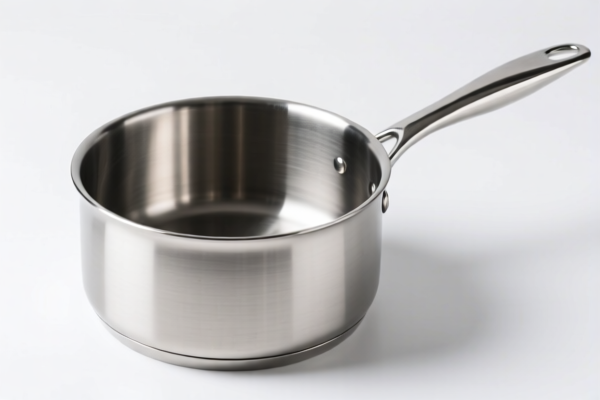
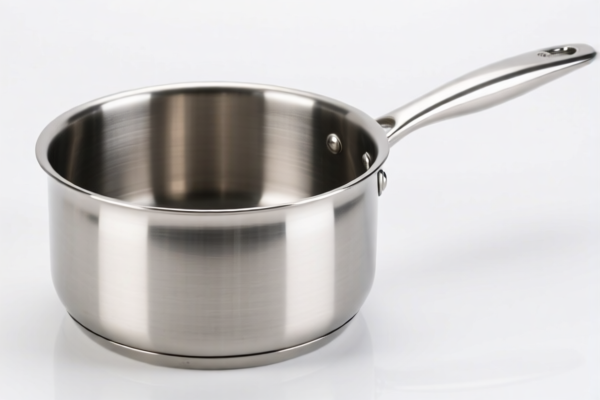


AI Analysis
☕ Stainless Steel Coffee Pot
🌐 HS Code Reference & Clearance Guide | 2026 Latest Tariff Analysis | Professional Customs Strategy
📌 I. Product Definition & Classification: Do You Really Understand "Stainless Steel Coffee Pots"?
A Stainless Steel Coffee Pot is a kitchen utensil primarily used for brewing or serving coffee. In international trade, its classification hinges on two critical factors:
1. Material: Although the user specifies "Stainless Steel," customs authorities often require explicit confirmation. If the material is unclear, it may be inferred based on common usage (metal/aluminum/stainless steel).
2. Function/Usage: Is it strictly for cooking/brewing? Or is it ceramic/tableware?
⚠️ Key Distinction:
- If the pot is metallic (stainless steel, aluminum, iron) → Falls under Chapter 73 or 76 (Base metals).
- If the pot is ceramic → Falls under Chapter 69 (Ceramic products).
- Risk: Misclassifying a metal pot as ceramic (or vice versa) can lead to significant tariff differences and customs delays.
📦 II. HS Code Classification Details (2026 Latest Tariff Authority Comparison)
Based on the provided data, here are the 5 potential HS Codes and their rationales:
| HS Code | Summary & Rationale | Estimated Total Tax | Tax Breakdown |
|---|---|---|---|
7615.10.71.55 |
Inferred Material: Metal (e.g., Stainless Steel or Aluminum). Fits cookware/kitchen utensil usage. | 63.1% | Base: 3.1%, Section 301: 0%, 122 Clause: 50% (Steel/Aluminum/Copper) |
7615.10.30.25 |
Name Ambiguity: If material isn't explicit, inferred as Aluminum/Stainless Steel due to "Coffee Pot" function. | 70.6% | Base: 3.1%, Section 301: 7.5%, 122 Clause: 50% |
6911.10.41.00 |
Conflict Risk: Matches kitchen utensil/cutlery. BUT: If actually ceramic, no conflict; if metal, this is WRONG. | 16.3% | Base: 6.3%, Section 301: 0%, 122 Clause: 10% |
6911.10.80.10 |
Ambiguous Material: Inferred as Ceramic, Glass, or Metal (non-conflicting). Fits cutlery/kitchen utensils. | 38.3% | Base: 20.8%, Section 301: 7.5%, 122 Clause: 10% |
7323.93.00.45 |
Best Fit for Stainless Steel: Matches cooking/kitchen utensils. Inferred material: Metal (Stainless/Iron/Steel). No conflict. | 62.0% | Base: 2.0%, Section 301: 0%, 122 Clause: 50% (Steel/Aluminum/Copper) |
🔍 Critical Insight:
- Metal vs. Ceramic is the deciding factor.
- If the product is Stainless Steel, options7615.10.71.55and7323.93.00.45are the most accurate.
- Options6911.10.41.00and6911.10.80.10are for Ceramic items. Using these for stainless steel pots is high risk for misdeclaration.
💰 III. 2026 Latest Tariff Rate Details (Including Surcharges & Policy Add-ons)
✅ Applicable Country: United States (US)
✅ Origin: China (CN)
✅ Effective Time: 2025/2026 (Current Tariff Regime)
🎯 1. 7615.10.71.55 & 7323.93.00.45 —— Stainless Steel Coffee Pots (Metal)
These codes fall under Section 301 and 122 Clause surcharges because they are steel/aluminum products.
| Item | Content |
|---|---|
| Base Rate | 2.0% - 3.1% (ad valorem) |
| Section 301 Surcharge | 0% (for these specific subheadings in the provided data) |
| 122 Clause Surcharge | +50% (Specific to Steel, Aluminum, Copper articles) |
| Total Tax Rate | ~62.0% - 63.1% |
| Tax Calculation | CIF Value × 62-63% |
| De Minimis Exemption | ❌ NOT Eligible (High tax rate exceeds exemption thresholds) |
| Legal Path | 122 Clause → Section 301 → HS Code |
📌 Explanation:
- The 50% surcharge is the dominant cost driver. This is part of the ongoing US-China trade restrictions on steel/aluminum/copper products.
- Even if the base tariff is low (2-3%), the 122 Clause adds a massive penalty.
- Result: A $100 coffee pot incurs ~$62-63 in taxes alone.
🎯 2. 6911.10.41.00 & 6911.10.80.10 —— Ceramic Coffee Pots (If Misclassified or Alternative)
Note: Only applicable if the pot is actually ceramic, not stainless steel.
| Item | Content |
|---|---|
| Base Rate | 6.3% - 20.8% |
| Section 301 Surcharge | 0% or 7.5% |
| 122 Clause Surcharge | +10% |
| Total Tax Rate | 16.3% - 38.3% |
| Tax Calculation | CIF Value × 16-38% |
| De Minimis Exemption | ❌ NOT Eligible (Still too high for de minimis) |
📌 Warning:
- Do NOT use ceramic HS codes for stainless steel pots.
- If you declare a metal pot as ceramic (6911), customs will likely reclassify it, impose penalties, and charge the higher metal tariff retroactively.
🛠️ IV. Clearance Practical Advice (Battle-Tested Pitfall Guide)
✅ 1. Required Documentation Checklist (Non-Negotiable)
| Document | Must Provide | Explanation |
|---|---|---|
| ✅ Product Specification Sheet | ✔️ | Must explicitly state: "Material: 304/316 Stainless Steel". |
| ✅ Product Photos | ✔️ | Clear shots of the pot, showing metallic surface, no ceramic glaze. |
| ✅ Commercial Invoice | ✔️ | Description: "Stainless Steel Coffee Pot, Model XYZ, Material: 18/8 Stainless Steel". |
| ✅ Material Certification | ✔️ | Mill test certificate or material declaration confirming stainless steel composition. |
| ✅ Packaging List | ✔️ | Confirm no ceramic components (e.g., handle, spout) are present. |
✅ 2. Declaration Tips (Key Mantra)
🔥 "Material First, Function Second. Don't Guess, Confirm!"
| Scenario | Correct Declaration | Wrong Action |
|---|---|---|
| Stainless Steel Pot | 7323.93.00.45 or 7615.10.71.55 |
Declaring as Ceramic (6911) |
| Pot with Ceramic Handle | Still 7323 if majority weight/value is metal, but must disclose |
Hiding non-metal parts |
| Aluminum Pot | 7615.10.71.55 |
Declaring as Stainless Steel (7323) |
| Glass Coffee Pot | Different HS Code (not in this list) | Using metal codes |
✅ 3. Special Circumstances Handling
| Situation | Handling Advice |
|---|---|
| OEM Custom Pots | Provide design specs. Ensure material is clearly defined. |
| Mixed Materials | If 90% steel, 10% wood/plastic, still likely metal. If 50/50, complex classification needed. |
| Gift Sets | If sold with a ceramic mug, declare separately to avoid contamination of tariff classification. |
| High-Value Luxury | Even if luxury, material dictates HS code. Brand does not change classification. |
🌍 V. Global Market Comparison (2026 Latest)
| Country/Region | Recommended HS Code | Tariff (China Origin) | Certification | Note |
|---|---|---|---|---|
| 🇺🇸 USA | 7323.93.00.45 |
62.0% (with 122 Clause) | No special certs needed for basic metal | Highest cost due to 50% surcharge |
| 🇨🇳 China | 7323.93.00.45 |
10-15% | CCC (if applicable) | Domestic sales exempt from import tariffs |
| 🇪🇺 EU | 7323.93.00.45 |
6.5% | No special certs | No Section 301/122 equivalent |
| 🇬🇧 UK | 7323.93.00.45 |
6.5% | UKCA | Post-Brexit tariff similar to EU |
| 🇦🇺 Australia | 7323.93.00.45 |
5% | RCM (if electrical, not here) | Competitive market |
📌 Conclusion:
- USA is the most expensive market due to the 50% 122 Clause surcharge on steel/aluminum products.
- Consider supply chain diversification (e.g., manufacturing in Vietnam or Mexico) if exporting to the US to avoid these surcharges.
- Europe/UK/Australia are much more tariff-friendly for stainless steel goods.
📌 VI. Common Mistakes & Pitfall Guide (Lessons Learned)
❌ Mistake 1: Declaring a Stainless Steel Pot as Ceramic (6911) to save 50% tax.
👉 Consequence: Customs inspection reveals metal surface. Reclassification + Penalty + Back Taxes. Risk of fraud investigation.
❌ Mistake 2: Ignoring the "122 Clause" surcharge.
👉 Consequence: Budgeting for 10% tax, but paying 60%. Profit margin wiped out.
❌ Mistake 3: Vague description: "Coffee Pot".
👉 Consequence: Customs agent guesses. Could be assigned a higher tariff code. Delay in clearance.
❌ Mistake 4: Assuming "De Minimis" ($800) applies.
👉 Consequence: High tax rates mean you exceed the de minimis threshold in value or tax amount. Full taxation applies.
✅ Correct Practice:
"Stainless Steel Coffee Pot, 1L Capacity, 304 Grade Stainless Steel, No Ceramic Components, For Home Brewing, Model SS-Coffee-1L"
🎯 VII. Conclusion: Professional Declaration, Cost Control, Efficiency!
🎯 Remember the Mantra:
🔹 "Material Dictates Code. Steel/Aluminum = 50% Surcharge."
🔹 "Don't Guess Ceramic for Metal. It's Fraud."
🔹 "62% Tax in USA vs. 6% in EU. Supply Chain Strategy is Key."
📌 Pro Tip:
If you are exporting large volumes to the US, explore Exclusion Requests for Section 301/122 tariffs if available, or consider transshipment from non-tariffed countries (with proper origin compliance).
Always get an Advance Ruling if unsure about mixed-material products.
📣 Immediate Action:
📞 Contact a licensed customs broker + Provide material certificate + Apply for HS Code Advance Ruling
🚀 Clear Customs Smoothly, Control Costs, Maximize Profits!
✨ Professional Clearance Starts with Accurate Classification!
💼 Every Dollar of Tax Saved is Pure Profit!
Customer Reviews
About HS Code Classification
The Harmonized System (HS) is an internationally standardized nomenclature developed by the World Customs Organization (WCO) to classify traded products. Over 200 countries use the HS system as the basis for customs tariffs, trade statistics, and import/export regulations.
Each HS code follows a hierarchical structure:
- Chapter (2 digits) — Broad category of goods (e.g., Chapter 84: Machinery and Mechanical Appliances)
- Heading (4 digits) — More specific grouping within the chapter
- Subheading (6 digits) — Internationally standardized breakdown, used by all WCO member countries
- National subdivisions (8-10 digits) — Country-specific extensions for further classification, such as US HTSUS 10-digit codes
Correct HS code classification is essential for smooth customs clearance, accurate duty payment, and compliance with trade regulations. Misclassification can lead to customs delays, overpayment of duties, or penalties.
When importing from CN to US, the applicable tariff rates may include:
- Most-Favored-Nation (MFN) rate — The standard duty rate applied to WTO members
- General rate — Applied to countries without trade agreements
- Trade remedy duties — Additional tariffs such as Section 301 (anti-dumping), Section 232 (national security), or countervailing duties
The information provided on this page is for reference purposes only. For official classification, please consult with your local customs authority or a licensed customs broker.